
Main Courses
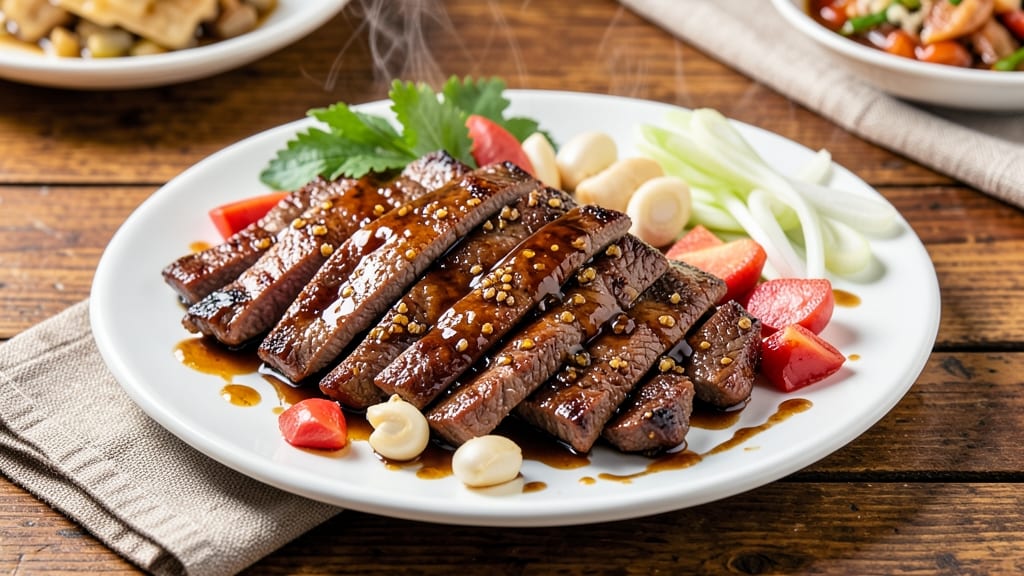
This Asian sticky beef recipe delivers the perfect balance of sweet, savory, and smoky flavors with a glossy caramelized sauce and charred edges that make every bite irresistible. The secret lies in marinating the beef with a blend of soy sauce, brown sugar, and aromatic spices, then searing it to develop deep, complex flavors. I've perfected this technique over years of testing, ensuring the beef stays tender while achieving that signature sticky glaze.
The beauty of this dish is its versatility—whether you're stir-frying for a quick weeknight meal or slow-braising for a restaurant-worthy dinner, the method adapts seamlessly.
The sauce, made with a simple reduction of soy, honey, and garlic, clings to the beef, creating a glossy finish that's both visually stunning and packed with flavor.
This recipe draws inspiration from Thai and Japanese techniques, blending bold umami with sweet caramelization for a dish that's as satisfying as it is elegant.
What you'll end up with is tender, flavorful beef with a perfect char on the edges and a glossy, slightly sticky sauce that's impossible to resist. The aroma alone will have everyone gathered around the table, and the first bite delivers a harmonious blend of sweet, salty, and smoky notes.
This dish pairs beautifully with steamed jasmine rice or fresh herbs, making it a complete meal that's sure to impress.
Ready in under 45 minutes, this recipe is perfect for anyone looking to elevate their weeknight dinners with restaurant-quality results. The technique is straightforward, but the flavors are anything but basic—ideal for both beginners and seasoned cooks. Let's get started!
Ingredients for asian sticky beef
Sweet, salty, smoky—this beef needs just 14 ingredients to shine.
| Ingredient | Amount | Notes |
|---|---|---|
| Flank Steak 🥩 | 1 ½ lb | Cut into thin strips against grain |
| Soy Sauce 🥢 | ½ cup | High-quality, preferably Japanese |
| Brown Sugar 🍯 | ½ cup | Packed, light or dark |
| Honey 🍯 | ¼ cup | Pure, clover preferred |
| Garlic Cloves 🧄 | 6 cloves | Minced finely for sauce |
| Fresh Ginger 🌿 | 2 tbsp | Grated, not powdered |
| Sesame Oil 🫒 | 1 tbsp | Toasted, for aroma |
| Vegetable Oil 🫒 | 2 tbsp | High smoke point |
| Rice Vinegar 🍶 | 1 tbsp | White vinegar substitute |
| Red Chili Flakes 🌶️ | 1 tsp | Adjust for heat preference |
| Ground Black Pepper 🌶️ | ½ tsp | Freshly cracked |
| Jasmine Rice 🍚 | 2 cups | Uncooked, for serving |
| Green Onions 🧅 | 4 whole | Sliced, for garnish |
| Sesame Seeds 🌱 | 1 tbsp | Toasted, for crunch |
The beef is everything here. Flank steak is my go-to—it's lean but tender when sliced thin against the grain. Look for cuts with good marbling at Whole Foods or your local butcher; Costco often has pre-sliced packages too. If you can't find flank, sirloin or ribeye work, but slice them extra thin. The soy sauce? Kikkoman or Yamasa are my staples—avoid the low-sodium versions, we need that deep umami punch. And don't skip the honey—clover is best, but any pure variety will do.
No sesame oil? Toasted peanut oil works in a pinch, though it'll taste different. The ginger and garlic can be swapped for one tablespoon of ginger-garlic paste if you're in a hurry. For extra depth, add a teaspoon of fish sauce (if you eat it) or extra soy sauce for vegetarians. The rice vinegar keeps the sauce bright—substitute lemon juice if that's what you've got. And if you're worried about the heat, start with just half the chili flakes—you can always add more later.
This sauce gets better the next day, so make extra. Store it in a small glass jar in the fridge for up to 5 days—the flavors meld beautifully. The beef itself reheats well, but I prefer to eat it fresh. If you're prepping ahead, marinate the beef overnight for maximum tenderness. Garnish with toasted sesame seeds right before serving—they add that perfect crunch. And trust me, jasmine rice is worth the splurge for this dish.
Why You'll Love This Recipe
- One-Pan Magic: I swear by this recipe when I’m too tired to scrub a million dishes. Just sear the flank steak, toss it in the sticky glaze of soy, brown sugar, and honey, and let it caramelize right on the same pan. The garlic cloves roast into golden perfection while you’re flipping—no extra bowls, no extra mess.
- Sweet-Savory Balance: That first bite? It’s like a hug in your mouth. The brown sugar and honey melt into the beef, creating this irresistible glossy crust, while the soy sauce keeps it deep and umami-rich. Honestly, the garlic doesn’t just add flavor—it makes the whole dish sing.
- Lunchbox Hero: Between us, this is my go-to for meal prep. Slice the cooled beef thin, pack it in containers, and it stays tender for days. Throw it over rice, toss it in wraps, or serve it cold in salads—it’s the kind of leftovers that actually get eaten.
- Budget-Friendly Feast: Flank steak stretches farther than you’d think, especially when you’re braising it in this rich sauce. A single cut feeds four, and the pantry staples (soy, sugar, honey) mean you’re not breaking the bank. Plus, the leftovers taste just as good reheated as they do fresh.
Step-by-step instructions for glossy caramelized beef with charred edges
Here's the method that delivers perfectly charred beef with that irresistible sticky sauce every time.
Prep the Flank Steak for Maximum Flavor
First, slice the 1.5 lb flank steak into thin strips, cutting against the grain for maximum tenderness. I use a sharp chef's knife and make sure each strip is about ¼-inch thick—this ensures even cooking and that perfect bite. Pat the strips dry with paper towels to remove any moisture, which helps them sear beautifully and absorb the marinade properly.
In a medium bowl, combine 0.5 cup soy sauce, 0.5 cup brown sugar, 0.25 cup honey, 6 minced garlic cloves, 2 tbsp grated fresh ginger, 1 tbsp rice vinegar, 1 tsp red chili flakes, and 0.5 tsp ground black pepper. Stir until the brown sugar and honey dissolve completely. Add the steak strips and toss to coat evenly. Let the mixture marinate for at least 30 minutes (I prefer 1 hour for deeper flavor), covered in the refrigerator.
Sear the Beef for Charred Perfection
Heat a large skillet over high heat until it's smoking hot. Add 2 tbsp vegetable oil and swirl to coat the pan evenly. Working in batches (don't overcrowd!), add the marinated steak strips and cook for 2-3 minutes per side until they develop deep char marks and are cooked through. You'll see those gorgeous caramelized edges form—that's when you know it's ready.
Once all the beef is seared, transfer it to a plate and tent loosely with foil to keep warm. Don't skip this step—the charred edges add incredible depth of flavor to the dish. If the pan gets too crowded, work in smaller batches to maintain the high heat needed for proper searing.
Simmer the Sauce to Glossy Perfection
Return the skillet to high heat and add 1 tbsp sesame oil. Let it heat for about 30 seconds until fragrant. Pour in the reserved marinade from the bowl (strain it if there are any large ginger pieces) and scrape up all the browned bits from the bottom of the pan with a wooden spoon. This step captures all that delicious flavor.
Bring the mixture to a simmer and cook for 5-7 minutes until it thickens slightly and becomes glossy. You're looking for a sauce that coats the back of a spoon—this is what gives the dish its signature sticky quality. If the sauce thickens too quickly, add 1-2 tablespoons of water to loosen it. Taste and adjust seasoning if needed, adding a bit more soy sauce for saltiness or honey for sweetness.
Combine and Finish with Toasted Sesame Seeds
Return the seared beef to the skillet and toss to coat completely in the glossy sauce. Cook for an additional 1-2 minutes just to heat everything through. The beef should be fully coated with that beautiful caramelized sauce, with just a hint of charred edges peeking through.
While the beef cooks, toast the 1 tbsp sesame seeds in a dry skillet over medium heat for 1-2 minutes until golden brown and fragrant. This adds an extra layer of nutty flavor and crunch to the dish. Transfer the beef to a serving platter and garnish with the toasted sesame seeds and 4 sliced green onions. Serve immediately over 2 cups cooked jasmine rice for the perfect balance of textures and flavors.
Pro Tips For Making Asian Sticky Beef
- Slice Against the Grain: Flank steak’s fibers run long, and cutting them wrong makes every bite chewy. Turn the meat 45 degrees on the cutting board—you’ll see the grain lines—and slice diagonally. It’s a little extra effort, but your fork will finally feel like a reward.
- Deglaze with Garlic Oil: Don’t just dump the pan drippings into your sauce. After searing the steak, toss in minced garlic and let it sizzle for 30 seconds—this builds flavor. Then deglaze with a splash of soy sauce and a little water. The garlic won’t burn, and the sauce gets depth without bitterness.
- Balance the Sweet-Salty Ratio: Brown sugar and honey are a dynamic duo, but too much sugar turns this dish into candy. For every 1/4 cup of brown sugar, use 2 tablespoons of honey—less is more. Taste as you go, and adjust with a dash of soy sauce if it’s cloying. (Your taste buds will notice the difference.)
- Rest the Steak Under Foil: Skipping the rest makes the slices tear apart when you plate them. After cooking, tent the steak loosely with foil and let it sit for 5-10 minutes. The residual heat keeps it juicy, and the foil traps steam so the crust doesn’t dry out. (Yes, even if you’re impatient like me.)
Essential equipment for great asian sticky beef
Skillet Essentials
Your skillet is the star of this recipe—cast iron is ideal for developing those charred edges and caramelized flavors. I use a 12-inch Lodge cast iron skillet for its even heat distribution and ability to retain high temperatures.
If you don’t have cast iron, a stainless steel skillet (like All-Clad) works well too, but preheat it longer to achieve the same sear. Avoid nonstick pans—they don’t get hot enough for proper charring, and the sauce won’t caramelize as beautifully. 🔥
Heat Control Tools
A thermometer is my secret weapon for nailing the perfect sear. I use a ThermoWorks Smoke to monitor pan temperature—aim for 450-500°F before adding the beef. For a more budget-friendly option, a laser thermometer (like Kizen) works just as well.
If you’re cooking without one, watch for smoke and use the hand test: hold your hand 3-4 inches above the pan—if you can’t keep it there for 3-4 seconds, it’s ready. High heat is non-negotiable for those charred edges!
Sauce Thickening Gear
For the sauce reduction, a wooden spoon is essential for scraping up those flavor-packed browned bits from the pan. I also keep a small saucepan (like Tramontina) on hand for finishing the sauce if needed—sometimes the skillet isn’t hot enough for the final reduction.
A fine-mesh strainer helps remove any large ginger pieces before simmering, ensuring a silky-smooth sauce. Pro tip: Keep a small bowl nearby to strain the marinade while keeping the beef in the skillet.
Marinating Containers
Use a glass or ceramic bowl for marinating—these materials don’t absorb flavors like plastic, and they’re easy to clean. I prefer a medium-sized mixing bowl (like Pyrex) because it’s deep enough to submerge the beef completely in the marinade.
If you’re prepping ahead, transfer the marinated beef to an airtight container (like Rubbermaid) and refrigerate for up to 12 hours—just don’t skip the 30-minute minimum for best flavor. 💛
Garnish Tools
Toasted sesame seeds and green onions are the finishing touches that elevate this dish. A small dry skillet (like a 10-inch nonstick) is perfect for toasting the seeds—just keep an eye on them to avoid burning.
For slicing green onions, a sharp chef’s knife (like Wüsthof) makes quick work of it. I also like having a pair of tongs handy for plating—this keeps the beef intact and makes serving a breeze.
A small plate for garnishing ensures everything looks neat and professional when it hits the table.
Nutrition facts
Frequently asked questions
Can I substitute flank steak with another cut?
For this recipe, sirloin or ribeye work well too, but slice them extra thin (1/8-inch thick) and cook for 1-2 minutes per side only. Avoid tougher cuts like chuck—they won't tenderize properly with this quick cooking method. The key is thin slices that cook fast while developing charred edges.
How do I make the sauce less sweet?
Reduce the honey to 1-2 tablespoons and increase soy sauce to 2/3 cup instead of 1/2 cup. For extra umami depth without sweetness, add 1 teaspoon fish sauce (if you eat it) or 1/2 teaspoon oyster sauce. Taste as you simmer—you can always add more soy sauce to balance flavors.
Can I cook this in an oven instead of a stovetop?
Yes, but you'll lose some of the charred edges. Preheat oven to 425°F, toss marinated beef with 1 tbsp oil, spread on a baking sheet, and roast for 12-15 minutes until browned. For sauce, simmer in a separate pan until thickened, then toss with beef. The result will be tender but less caramelized than pan-seared.
Why is my sauce too runny?
This usually happens if you didn't scrape up the browned bits from the pan or simmered too quickly. Always deglaze with 1-2 tbsp water first, then simmer on medium-low heat for 5-7 minutes to thicken. For extra help, mix 1/2 teaspoon cornstarch with 1 tbsp water and stir into the sauce at the end.
What's the best way to reheat leftovers?
Reheat in a skillet over medium heat with 1 tbsp oil for 2-3 minutes until warmed through. Avoid microwaving—it makes the sauce watery. For extra flavor, add 1 tsp soy sauce and 1/2 tsp honey while reheating. Store leftovers in an airtight container for up to 3 days.