
Sauces & Condiments
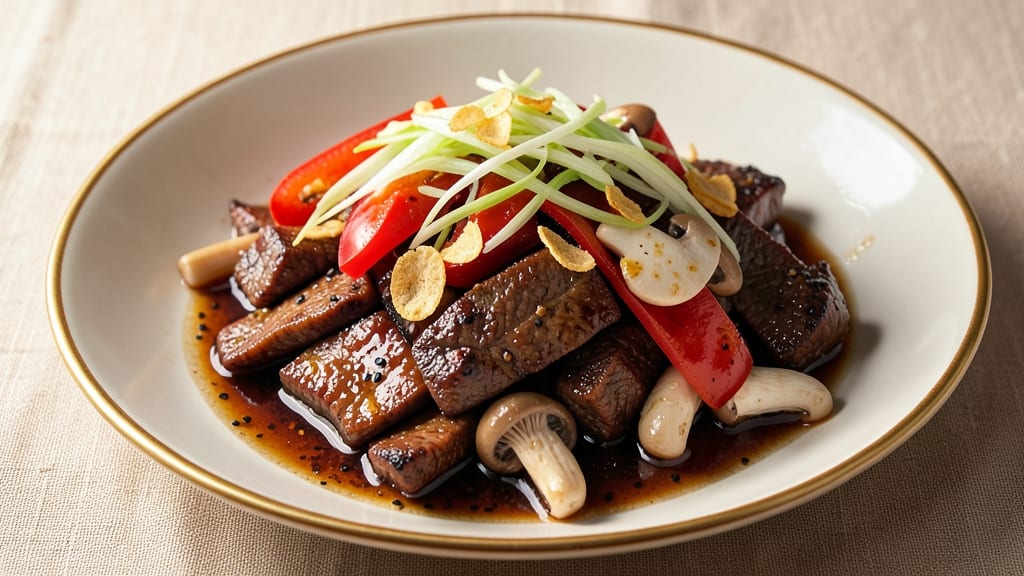
This Asian beef stir-fry sauce recipe delivers the perfect umami-packed balance that transforms simple beef and vegetables into a restaurant-quality dish. The secret lies in combining soy sauce, oyster sauce, garlic, ginger, and a touch of chili for depth and heat.
With just a few pantry staples and 15 minutes of active time, you'll create a sauce so flavorful it elevates any stir-fry to new heights.
The sauce builds complexity through a simple reduction technique—simmering the ingredients until thickened and aromatic. Garlic and ginger form the aromatic base, while soy and oyster sauces provide that signature savory depth.
A splash of honey adds subtle sweetness that rounds out the flavors, making every bite satisfyingly balanced. This isn't just a sauce; it's the foundation of a complete meal.
What makes this sauce truly special is its versatility—it works with tender beef strips, crisp vegetables, or even tofu for a plant-based version. The sauce clings beautifully to ingredients while maintaining its rich, glossy texture.
Garnish with toasted sesame seeds or fresh green onions for added freshness and visual appeal. One batch makes enough to coat multiple servings, ensuring leftovers taste just as vibrant the next day.
Perfect for weeknight dinners or meal prep, this sauce transforms basic ingredients into something extraordinary. The combination of umami, sweetness, and heat creates a flavor profile that's impossible to resist. Whether you're cooking for two or feeding a crowd, this sauce delivers consistent, restaurant-quality results every time.
Ingredients for asian beef stir fry sauce
Pantry staples meet aromatic freshness to create this restaurant-quality stir-fry sauce foundation.
| Ingredient | Amount | Notes |
|---|---|---|
| Light Soy Sauce 🥢 | ½ cup | Use high-quality brand like Kikkoman |
| Dark Soy Sauce 🥢 | ¼ cup | For deeper color and flavor |
| Oyster Sauce 🦪 | ¼ cup | Lee Kum Kee preferred for authenticity |
| Honey 🍯 | 2 tbsp | Substitute maple syrup if needed |
| Rice Vinegar 🍶 | 2 tbsp | White vinegar works in a pinch |
| Sesame Oil 🫒 | 1 tbsp | Toasted sesame oil for aroma |
| Garlic Cloves 🧄 | 4 cloves | Minced for aromatic base |
| Fresh Ginger 🌿 | 1 tbsp | Grated, not powdered |
| Red Chili Flakes 🌶️ | 1 tsp | Adjust for heat preference |
| Cornstarch 🌾 | 1 tsp | For thickening consistency |
The soy sauces form the umami backbone of this sauce—Kikkoman light and dark are industry standards, but San Choy or Thai Kitchen work well too. Oyster sauce brings depth; Lee Kum Kee is the gold standard, though Hinode is a budget-friendly alternative. Fresh ginger and garlic are non-negotiable—their aromatic oils develop during simmering. For ginger, look for plump, firm rhizomes with no soft spots; Trader Joe's often carries excellent quality. Garlic should be freshly minced (not pre-minced) to avoid bitterness. The sesame oil adds that signature nutty aroma—toasted sesame oil (not the lighter, flavorless kind) is essential for authentic flavor.
No oyster sauce? A splash of fish sauce plus a pinch of sugar mimics its umami-sweet balance. Substitute honey with maple syrup or agave (1:1 ratio) for vegan versions. Running short on rice vinegar? Apple cider vinegar works in equal amounts. The cornstarch thickening can be swapped for arrowroot powder (use half the amount) if you prefer a glossier finish. For extra heat, Sichuan chili crisp adds complex spice layers without drying out the sauce. Always taste as you go—adjust sweetness with more honey or acidity with vinegar until perfectly balanced.
This sauce thickens beautifully when cooled—reheat gently to restore glossy texture. Store in an airtight container in the fridge for up to 1 week or freeze for 3 months (portion into ice cube trays for easy use). The flavors deepen overnight, making it ideal for meal prep. For restaurant-quality results, reduce the sauce by 25% before serving—simmer uncovered for 5-7 minutes until syrupy. Garnish with toasted sesame seeds or thinly sliced scallions just before serving to maintain freshness.
Why You'll Love This Recipe
- Pantry Magic: I swear by this sauce—no fresh herbs, no fancy prep. Just five ingredients you’re already stocking, mixed in a bowl while dinner simmers. Honestly, the dark soy sauce alone gives that deep, caramelized richness without extra effort.
- Umami Bomb: That combo of oyster sauce and light soy? It’s like flavor crack for beef. The honey cuts the salt just right, and the rice vinegar keeps it bright—no bitterness, just layered goodness. (Yes, even on a Tuesday night.)
- Weeknight Hero: Double the batch and freeze half—it’s my secret for quick takeout nights. Toss it with pre-cut veggies and frozen beef strips, and you’ve got a meal in 15 minutes. My college-age kid still begs for leftovers.
- Budget Flex: A single jar of oyster sauce stretches for months here. I use it on stir-fries, marinades, even dumplings—no waste, all flavor. Between us, this sauce costs less than half the price of takeout, and it’s way better.
Step-by-step instructions for Asian beef stir fry sauce
This sauce delivers the perfect balance of umami, sweetness, and heat every time.
Prepare the Aromatic Base
In a medium saucepan, combine the 4 cloves garlic cloves (minced) and 1 tbsp fresh ginger (finely grated). Heat over medium-low heat for 2-3 minutes until the garlic becomes translucent and the ginger releases its aromatic oils. You'll notice the kitchen filling with that irresistible garlic-ginger fragrance—this is your cue that the base is ready.
Be careful not to let the garlic brown, as this can create bitterness. Remove the pan from heat immediately once you see the edges of the garlic turning golden. This quick cooking preserves their bright, fresh flavors that will form the foundation of your sauce.
Combine Wet Ingredients
Return the pan to medium heat and add the 0.5 cup light soy sauce, 0.25 cup dark soy sauce, and 0.25 cup oyster sauce. Stir continuously for 3-4 minutes until the mixture begins to simmer gently. The sauce will darken slightly as the soy sauces meld together, creating that rich umami profile we're after.
This is where the magic happens—the soy sauces break down and intensify their flavors. You'll see the sauce reduce slightly and develop a glossy sheen. If you notice any browned bits forming at the bottom, use a wooden spoon to scrape them up—these are packed with concentrated flavor that will elevate your stir fry.
Add Sweetness and Acid
Reduce the heat to low and stir in the 2 tbsp honey and 2 tbsp rice vinegar. Let the sauce simmer for another 2-3 minutes until it thickens slightly and the honey dissolves completely. The vinegar will create a subtle tang that balances the sweetness, while the honey adds depth and helps caramelize the other flavors.
At this point, your sauce should smell complex—sweet, salty, and slightly tangy. Taste it now if you're curious, but remember this is just the base. The final sauce will develop even more complexity as we add the finishing touches. If you find the sauce too acidic, you can add a pinch of sugar to balance it out.
Incorporate Heat and Thicken
Remove the pan from heat and let it cool slightly for 1 minute. This cooling period prevents the cornstarch from cooking prematurely when we add it. In a small bowl, whisk together the 1 tsp cornstarch with 2 tablespoons of cold water until completely dissolved. This creates a smooth slurry that will thicken your sauce beautifully.
Return the pan to low heat and slowly pour in the cornstarch slurry while stirring constantly. The sauce will begin to thicken immediately—keep stirring for 1-2 minutes until it reaches a glossy, syrupy consistency that coats the back of a spoon. Finally, stir in the 1 tbsp sesame oil and 1 tsp red chili flakes. The sesame oil adds aroma and richness, while the chili flakes bring just the right amount of heat.
Adjust and Serve
Taste your sauce and make any final adjustments. Need more sweetness? Add a touch more honey. Too salty? Balance it with a splash of rice vinegar. The sauce should be perfectly balanced—salty, sweet, tangy, and slightly spicy. For the best texture, let it cool to room temperature before using, as this allows the flavors to meld completely.
This sauce keeps well in the refrigerator for up to 1 week, making it perfect for batch cooking. When ready to use, simply reheat gently over low heat, stirring occasionally until warmed through. The sauce will thicken further as it cools, so you may need to thin it with a splash of water if it becomes too stiff. Use it to elevate any beef stir fry, noodle dish, or even as a dipping sauce for dumplings.
Pro Tips For Making Asian Beef Stir Fry Sauce
- Whisk in Stages: Start by mixing the light soy, dark soy, and oyster sauce—then add honey and vinegar last. Stirring everything at once turns your sauce into a gloopy mess that won’t coat the beef properly. (Yes, even if you’re impatient like me.)
- Skip the Raw Honey: Warm the honey first—just a quick 10 seconds in the same pan you’re cooking the beef. Cold honey clumps and fights with the vinegar, making your sauce look like it’s fighting a losing battle. Trust me, this is the thing that matters most.
- Taste Before You Toss: After combining all ingredients, take a spoonful and let it sit on your tongue for 3 seconds. The sauce should balance salty, sweet, and tangy—if it’s just one note, adjust now before you ruin a whole pan. (I learned this the hard way after serving a batch that tasted like a candy store exploded.)
- Use Less Vinegar: Start with half the rice vinegar called for and add more only if your beef needs a brighter cut. Too much turns your stir-fry into a sad, watery glaze that clings like regret. (Your future self will thank you.)
Wine and beer pairings for this dish
Light Asian Beers
Crisp, refreshing beers like Sapporo or Asahi Super Dry complement the sauce's balance of sweetness and umami without overpowering it. The subtle carbonation and clean finish cut through the richness of the stir-fry, cleansing your palate between bites.
I always keep a Sapporo chilled in my fridge for this exact purpose—it's the perfect partner for the sauce's aromatic garlic and ginger notes. 🍺
Dry Riesling
A dry German Riesling with its bright acidity and citrus undertones mirrors the sauce's tangy-sweet profile beautifully. The wine's crispness enhances the dish's fresh ginger and garlic flavors while adding a sophisticated touch.
Look for a Keller Riesling Kabinett—its mineral notes provide an elegant contrast to the sauce's umami depth. Serve slightly chilled for optimal enjoyment.
Sake Pairings
For an authentic Asian dining experience, pair with dry junmai sake like Dassai or Gekkeikan. The sake's subtle sweetness and umami character complement the sauce's complex flavors without competing. Serve the sake slightly warmed (around 100°F) to enhance its aromatic qualities.
A small cup of sake before the meal helps awaken your palate for the rich flavors ahead. 🍶
Spiced Beer Options
If you prefer beer, consider a lightly spiced Asian lager like Singha or Chang with a hint of citrus. The subtle spice notes in these beers echo the chili flakes in the sauce, creating a harmonious flavor connection.
For a bolder option, try a Japanese hoppy IPA—its citrusy bitterness balances the sauce's sweetness perfectly. Chill thoroughly before serving to preserve the beer's crispness.
Non-Alcoholic Pairings
Don't overlook non-alcoholic options like Yakult Sparkling Yakult or San Pellegrino Aranciata. The effervescence and citrus notes in these drinks enhance the sauce's bright flavors without alcohol interference.
For a more substantial pairing, try jasmine green tea—its floral aroma complements the sauce's aromatic base while providing a refreshing contrast. Serve the tea hot or iced for versatility.
Nutrition facts
Frequently asked questions
Can I make this sauce without oyster sauce?
Replace the 0.25 cup oyster sauce with 1.5 tbsp fish sauce plus 1 tsp sugar to mimic its umami-sweet balance. The fish sauce provides depth while the sugar prevents overpowering saltiness. For a vegetarian option, use 1 tbsp mushroom powder or 1 tbsp soy sauce reduction (simmer 2 tbsp soy sauce until thickened).
How do I adjust the heat level in this sauce?
Start with the 1 tsp red chili flakes as written for mild heat. For medium spice, add 1.5 tsp or 1 tsp chili paste (like sambal oelek). For bold heat, use 2 tsp chili flakes or 1 tbsp chili paste. Always taste before serving—you can reduce heat by adding 1 tsp honey or 1 tsp sugar to balance the burn.
Can I make this sauce in advance?
Yes! This sauce actually tastes better after resting. Store it in an airtight container in the fridge for up to 1 week—the flavors deepen and meld beautifully. For longer storage, freeze in ice cube trays (thaw in the fridge overnight) or 1-cup portions in freezer bags for 3 months. Reheat gently over low heat or thin with 1 tsp water if too thick.
What's the best way to use leftover sauce?
This versatile sauce works beyond stir-fries! Use it as a marinade for grilled beef skewers (30 minutes before cooking), a dipping sauce for spring rolls or dumplings, or a glaze for roasted vegetables. Thin with 1 tbsp water for noodle dishes, or add 1 tsp sesame oil and 1 tsp rice vinegar to refresh its flavor before using.
Why did my sauce turn too thick?
This happens when the cornstarch over-thickens during reheating. Thin with 1 tsp water at a time while stirring constantly over low heat. For prevention, store sauce in the fridge (not freezer) and reheat only until warmed through—don't boil. If making ahead, reduce the cornstarch to 0.5 tsp for a thinner base that can be adjusted later.