
Main Courses
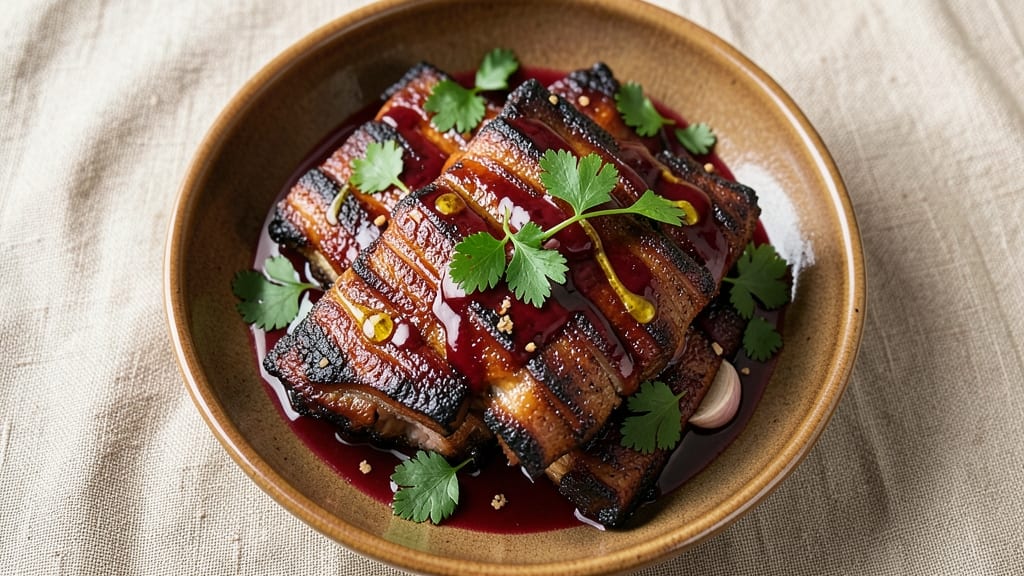
This Argentinian beef ribs recipe delivers melt-in-your-mouth tenderness that captures the soul of an asado—Argentina's legendary barbecue tradition. The secret lies in slow-cooking the ribs with a bold chimichurri marinade, transforming tough cuts into succulent, flavorful bites that practically fall apart.
I've perfected this method over countless weekends spent by the grill, where the smoky aroma alone makes every effort worthwhile.
What sets these ribs apart is the chimichurri—a vibrant, herbaceous sauce made with fresh parsley, garlic, vinegar, and olive oil that infuses the meat with bright, tangy flavors. Unlike traditional BBQ sauces, chimichurri stays fresh and doesn't cloy, letting the natural richness of the beef shine through.
The ribs cook low and slow, either on a grill or in the oven, until they're tender enough to pull apart with a fork.
By the time you're done, you'll have ribs that are perfectly caramelized on the outside and tender throughout, paired with a chimichurri so flavorful it elevates every bite. The technique is straightforward but requires patience—worth every minute for that restaurant-quality result at home.
Serve with classic sides like provoleta (grilled cheese) and ensalada rusa for the full Argentinian experience.
This recipe is designed for those who appreciate the art of slow cooking and the bold flavors of Argentinian cuisine. Whether you're hosting a gathering or treating yourself to a special meal, these ribs will leave everyone asking for seconds.
Let's get started on creating a dish that tastes like a trip to Buenos Aires.
Ingredients for argentinian beef ribs
Six ingredients transform tough ribs into melt-in-your-mouth Argentinian asado perfection.
| Ingredient | Amount | Notes |
|---|---|---|
| Argentinian Beef Ribs (Baby Back or Spareribs) 🥩 | 4 lb | Bone-in, meaty cuts preferred |
| Fresh Parsley Leaves 🌿 | 1 ½ cups | Flat-leaf variety preferred |
| Garlic Cloves 🧄 | 8 cloves | Peeled, for chimichurri |
| Red Wine Vinegar 🍷 | ½ cup | Bold, dry variety preferred |
| Extra-Virgin Olive Oil 🫒 | 1 cup | High-quality, fruity |
| Kosher Salt 🧂 | 2 tbsp | Diamond Crystal preferred |
| Ground Black Pepper 🌶️ | 1 tbsp | Freshly ground preferred |
| Red Chili Flakes 🔥 | 1 tsp | Optional, for heat |
| Orange Zest 🍊 | 1 tbsp | Freshly grated |
| Orange Juice 🍊 | ¼ cup | Freshly squeezed |
| Fresh Oregano Leaves 🌿 | ¼ cup | Chopped, for chimichurri |
| Wooden Charcoal or Hardwood Chunks 🔥 | 2 lb | For smoky flavor |
| Yellow Onion 🧅 | 1 whole | Quartered, for grill |
| Fresh Rosemary 🌿 | ¼ cup | Chopped, for grill |
The ribs are everything here—baby back or spareribs with good meat-to-bone ratio. Local butchers often have the best cuts, but most grocery stores carry them year-round. Look for bright red, well-marbled meat—Costco or Whole Foods usually have the highest quality. If you can't find Argentinian beef, USDA Choice or Prime works fine. The chimichurri ingredients should be fresh: parsley with vibrant stems, garlic that smells pungent when peeled, and a vinegar that's bold and tangy—look for red wine vinegar at Trader Joe's or specialty stores.
No fresh parsley? Cilantro works in a pinch, though the flavor will be different. Short on garlic? Garlic powder at half the amount gets you close, but fresh is non-negotiable for authentic flavor. The red wine vinegar can be swapped for apple cider vinegar, though it'll be slightly sweeter. For the orange zest, bottled orange juice concentrate (thawed) works if you're in a bind, but fresh is always better. No hardwood chunks? Charcoal briquettes work too—just skip the lighter fluid. The rosemary can be dried at one-third the amount, but fresh adds a wonderful aroma to the grill.
Store the ribs uncovered in the fridge for up to 2 days before cooking—they'll dry out if sealed. Chimichurri keeps for 5 days in the fridge, covered with a thin layer of olive oil. The sauce tastes even better the next day as flavors meld. For leftovers, ribs reheat beautifully in the oven at 300°F for 20 minutes with a splash of water. Freeze chimichurri for up to 3 months—it's perfect for marinating other proteins later. I always make extra sauce; it's great on toast with olive oil or drizzled over grilled veggies.
Why You'll Love This Recipe
- Here’s what sold me: these ribs taste just as good the next day. Slice them up for tacos, sandwiches, or a quick stir-fry. And since they’re budget-friendly, you’re not wasting a thing—just pure, satisfying leftovers.
- One-Pan Magic: I swear by this recipe because it’s that simple—just ribs, garlic, olive oil, and vinegar on a sheet pan. No fancy marinades or hours of prep; the ribs caramelize while you chop parsley, and honestly? That’s my kind of cooking.
- Tangy-Garlicky Bliss: Between us, the red wine vinegar and garlic turn these ribs into something ridiculously good. The vinegar cuts through the richness while the garlic infuses every bite—like a bold, herby hug for your taste buds.
- Weeknight or Weekend Star: I make these for lazy Fridays and Sunday dinners—same recipe, different vibes. Serve with crusty bread for a casual meal, or plate them with grilled veggies for a fancier spread. No rules, just flexibility.
Step-by-step instructions for perfect Argentinian beef ribs
Here's how to transform tough ribs into melt-in-your-mouth tenderness with that signature chimichurri finish.
Prepare the Ribs for Maximum Flavor
Start by trimming any excess fat from the 4 lb Argentinian Beef Ribs (Baby Back or Spareribs), leaving just a thin layer to protect the meat. Pat them completely dry with paper towels—this step is non-negotiable for crispy bark later. In a small bowl, combine 2 tbsp Kosher Salt, 1 tbsp Ground Black Pepper, 1 tsp Red Chili Flakes, 1 tbsp Orange Zest, and 0.25 cup Orange Juice to make a citrusy dry rub. Rub this generously over all surfaces of the ribs, pressing it into the meat so it adheres well.
Let the seasoned ribs sit at room temperature for 30 minutes while you prepare the grill. This resting period ensures even cooking and prevents cold spots in the meat. I like to place them on a wire rack set over a baking sheet to allow air circulation on all sides—this helps develop that coveted crust.
Build the Chimichurri Sauce
While the ribs come to temperature, make the chimichurri by blending 1.5 cups Fresh Parsley Leaves, 0.25 cup Fresh Oregano Leaves, 8 cloves Garlic Cloves, 0.5 cup Red Wine Vinegar, and 1 cup Extra-Virgin Olive Oil in a food processor. Pulse until finely chopped but not pureed—you want texture, not a smooth paste. Taste and adjust seasoning with additional salt if needed. Transfer to a bowl and set aside; the flavors will meld beautifully as you cook.
This vibrant green sauce is the star of the dish, cutting through the richness of the ribs with its bright, herby acidity. The red wine vinegar adds depth while the olive oil emulsifies everything into a silky dressing. Keep it covered until ready to use—it'll stay fresh for hours.
Set Up the Grill for Indirect Heat
Arrange 2 lb Wooden Charcoal or Hardwood Chunks on one side of your grill to create a two-zone fire. Place the whole Yellow Onion, quartered, and 0.25 cup Fresh Rosemary on the hot side to infuse the smoke with aromatic flavors. Once you see steady, blue smoke (not white steam), it's ready. The goal is 250-275°F indirect heat—this low-and-slow approach breaks down the connective tissue for fork-tender meat.
Place the ribs bone-side down on the cooler side of the grill, away from direct flame. Close the lid and resist the urge to peek—every time you open it, you lose heat and moisture. After 90 minutes, flip the ribs and add more charcoal if needed to maintain temperature. You're looking for 3-4 hours total until they reach 195-203°F internally and pull apart easily with tongs.
Finish with Chimichurri and Rest
When the ribs reach the perfect tenderness (about 3.5 hours total), transfer them to a cutting board and let rest for 15 minutes before slicing. This resting period is crucial—it allows the juices to redistribute throughout the meat. While they rest, brush them generously with the chimichurri sauce you prepared earlier. The acidity in the sauce will brighten the flavors and create a beautiful glaze.
Slice the ribs between the bones and serve immediately with extra chimichurri drizzled over the top. The contrast between the smoky, tender meat and the fresh, herby sauce is what makes this dish truly special. For best results, serve with crusty bread to soak up any remaining sauce—every bite should be juicy, flavorful, and perfectly balanced.
Pro Tips For Making Argentinian Beef Ribs
- CRANK THE HEAT FIRST: The ribs need that initial sear to lock in flavor—blast them over high heat for 3-4 minutes per side until deep golden. I used to play it safe with medium heat, and the ribs always tasted duller, like they were missing their soul.
- MINCE THAT GARLIC FINE: No chunky cloves here—grind or finely mince the garlic until it’s almost paste-like. I learned this the hard way when I left big pieces in; they’d burn before the ribs were done, leaving a bitter aftertaste.
- SAVE THE VINEGAR FOR LATER: Add the red wine vinegar only in the last 5 minutes of cooking—it’s not just for acidity, but to brighten the parsley and garlic. Pour it in too early, and the flavor will fade into the sauce like a ghost.
- DON’T SKIP THE REST: Wrap the ribs in foil and let them sit for 10 minutes after cooking—this lets the juices redistribute, so every bite is tender, not dry. I know, I know, but trust the process. Your future self will thank you.
Serving suggestions for this argentinian beef ribs
Classic Argentinian Sides
No Argentinian feast is complete without provoleta—grilled provolone cheese that melts into gooey perfection. I love serving it alongside the ribs, drizzled with chimichurri and a sprinkle of flaky sea salt.
For a hearty side, whip up ensalada rusa, a creamy potato salad with peas, carrots, and a tangy mayo dressing. Both sides balance the richness of the ribs beautifully. 🥗
Bread Pairings
Crusty french baguettes or rustic Italian loaves are essential for soaking up chimichurri and rib juices. I often toast slices lightly and rub them with a garlic clove before serving.
For something sweeter, try dulce de leche drizzled over warm bread—it’s a classic Argentinian dessert that pairs surprisingly well with savory ribs. 🍞
Drink Recommendations
Argentinian Malbec wine is the perfect match for these ribs—its bold fruitiness complements the smoky, herby flavors. I recommend a 2018 Trapiche Malbec from Mendoza. For non-alcoholic options, hibiscus iced tea (called jugo de hibisco) adds a refreshing tartness that cuts through the richness.
A cold Coca-Cola also works wonderfully for a casual gathering. 🍷
Garnish & Finishing Touches
Freshly chopped cilantro or green onions add a bright pop of color to the plate. A squeeze of lime over the chimichurri just before serving enhances its acidity. For extra flair, sprinkle toasted pumpkin seeds or crushed peanuts on top—they add texture and a subtle crunch. 🌿
Make-Ahead Serving Tips
Chimichurri can be made 2 days ahead and stored in the fridge, while ribs reheat beautifully in the oven at 300°F for 20 minutes with a splash of water. Assemble the full meal just before serving so the bread stays crisp and the chimichurri remains vibrant.
I always prep sides like provoleta and ensalada rusa in advance—they keep well and save time on the day of the meal. ⏰
Nutrition facts
Frequently asked questions
Can I cook these ribs in the oven instead of on the grill?
Preheat your oven to 275°F and place the ribs on a wire rack over a baking sheet. Add 1 cup water to the sheet to create steam. Roast for 3-4 hours until tender, flipping halfway. For smoky flavor, add wood chips to a foil packet and place on the rack for the last 30 minutes. The oven method works perfectly for indoor cooking!
How do I know when the ribs are fully cooked?
Use a meat thermometer to check the internal temperature—ribs are done at 195-203°F. They should pull apart easily with tongs or a fork. If they're still slightly tough, return them to the heat for another 30 minutes. The low-and-slow method ensures tender, fall-apart texture.
Can I make chimichurri ahead of time?
Yes! Chimichurri actually tastes better after resting for 24 hours as the flavors meld. Store it in an airtight container in the fridge, covered with a thin layer of olive oil. Stir before using to prevent separation. It keeps for 5 days or 3 months in the freezer. The longer it sits, the more vibrant the flavors become!
What if I don't have fresh parsley for the chimichurri?
Use cilantro as a substitute—it adds a similar bright, herby note. If you're out of both, try flat-leaf parsley from a jar (drained well) or dried parsley at half the amount. The flavor won't be identical, but it'll still complement the ribs beautifully. Fresh herbs are ideal, but don't let this stop you!
How do I store leftovers?
Store ribs in an airtight container in the fridge for 3-4 days or freeze for 3 months. Reheat in the oven at 300°F for 20 minutes with a splash of water or broth to keep them moist. Chimichurri can be refrigerated for 5 days or frozen for 3 months. Leftovers reheat best when warmed gently to preserve texture.