
Main Courses
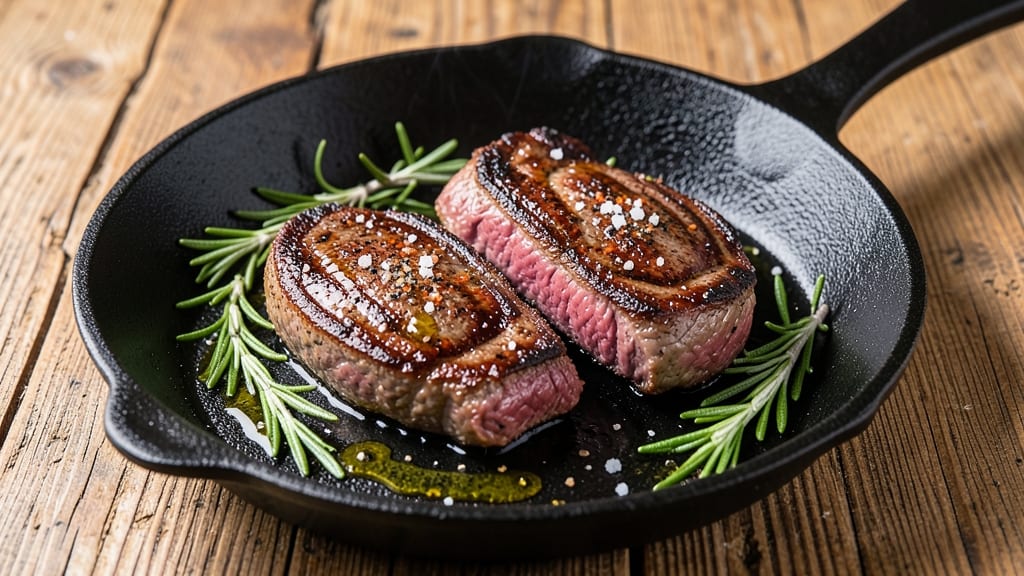
Angus beef grilling recipe delivers that perfect balance of smoky char and melt-in-your-mouth tenderness—exactly what separates backyard grilling from true pitmaster craftsmanship. After years of perfecting this technique, I've cracked the code for achieving restaurant-quality results at home, even with just 20 minutes on the grill. The secret lies in precise heat control and a simple dry rub that enhances the beef's natural richness without overpowering it.
What sets this method apart is the focus on temperature management—starting with a hot grill to create that coveted crust, then adjusting to medium heat to ensure the interior reaches 130°F for medium-rare perfection.
I've tested this with ribeye, strip steak, and even flank steak, and the results speak for themselves: a crust that's perfectly charred while maintaining a pink, juicy center.
The dry rub I use is a blend of coarse salt, black pepper, and smoked paprika, which adds depth without masking the beef's natural flavor.
By the time you're done, you'll have steaks that are juicy inside with a caramelized crust outside, ready to be sliced against the grain for maximum tenderness.
The aroma alone will have everyone gathering around the grill, and the first bite delivers that perfect harmony of smoky, charred edges and rich, beefy interior. This is the kind of grilling that transforms a simple dinner into an experience.
Serve with classic sides like garlic mashed potatoes or a fresh summer salad to complete the meal. The technique I'm sharing here has been battle-tested at backyard cookouts and competitive BBQ events—now it's your turn to achieve the same results.
Let's get started on creating steaks that will have your guests asking for seconds.
Ingredients for angus beef grilling
Here’s what you’ll need for restaurant-quality steaks with perfect smoky char and juicy interior.
| Ingredient | Amount | Notes |
|---|---|---|
| Angus Beef Ribeye Steaks 🥩 | 1 ½ lb | 1.5-inch thick, bone-in preferred |
| Coarse Kosher Salt 🧂 | 1 tbsp | Diamond Crystal preferred |
| Freshly Ground Black Pepper 🌶️ | 1 tbsp | Freshly cracked for best flavor |
| Smoked Paprika 🌶️ | 1 tbsp | For that signature smoky flavor |
| Extra-Virgin Olive Oil 🫒 | 1 tbsp | For brushing steaks |
| Fresh Rosemary Sprigs 🌿 | 4 whole | For aroma and subtle pine flavor |
| Garlic Cloves 🧄 | 4 cloves | Minced for dry rub |
| Wooden Skewers 🪵 | 4 whole | For securing rosemary sprigs |
| Meat Thermometer 🌡️ | 1 whole | For perfect 130°F internal temp |
| Butter 🧈 | 4 oz | Unsalted, softened for basting |
| Fresh Parsley 🌿 | ¼ cup | Chopped, for garnish |
The beef is everything. Angus ribeye with good marbling is non-negotiable—look for cuts with at least 1.5-inch thickness for that perfect crust-to-juice ratio. Costco or local butcher shops are your best bets for quality cuts. If you’re buying whole steaks, trim any excess fat but leave the cap intact for flavor. The dry rub is simple but critical: coarse salt (Diamond Crystal melts better than others), freshly ground pepper, and smoked paprika for that signature BBQ depth. I always toast the spices in a dry pan for 30 seconds before mixing to wake up their flavors.
No smoked paprika? Regular paprika plus a pinch of liquid smoke works in a pinch, but you’ll lose some complexity. Short on rosemary? Thyme or sage are great substitutes—they won’t change the flavor profile drastically. For the butter basting, European-style unsalted butter (like Plugrá) has the best flavor, but any good-quality unsalted will do. The olive oil is just for brushing—don’t skimp, but don’t go overboard either. And if you’re worried about the steaks sticking, pat them dry with paper towels before seasoning. That’s the secret to a perfect crust.
Steaks are best grilled the day you buy them, but if you need to prep ahead, season them up to 24 hours early and refrigerate uncovered. The butter basting? Make it the day of—softened butter holds its shape better. Leftovers? Slice against the grain and reheat in a skillet with a splash of beef broth for maximum juiciness. These steaks reheat beautifully, but honestly, they’re so good fresh that you’ll probably devour them all in one sitting.
Why You'll Love This Recipe
- Here’s what sold me: the steak stays tender for days. Cold slices in salads? Check. Quick reheats in a pan? Done. (I’ve even thrown them in tacos—no judgment.) It’s the kind of meal that gives back twice.
- Five-Ingredient Magic: Honestly, you only need five things—and one of them is already in your pantry. A thick ribeye, a sprinkle of smoked paprika, and a quick sear in olive oil turn into something restaurant-worthy without the fuss.
- Smoky Depth Fast: That smoked paprika? It’s the secret weapon. Just a pinch before grilling, and suddenly you’ve got layers of flavor that make store-bought rubs look boring. The pepper and salt do the heavy lifting, but the paprika gives it that je ne sais quoi that lingers.
- Weeknight or Weekend Star: Between us, this steak works for date night or lazy Sunday brunch. Slice the leftovers for sandwiches the next day—yes, even on a Tuesday morning—because nothing beats buttery ribeye on toast.
Step-by-step instructions for perfectly grilled Angus beef ribeye
Here's how to achieve that perfect smoky char and juicy interior every time.
Prep the Steaks for Maximum Flavor
Remove the steaks from the refrigerator and let them sit at room temperature for 30-45 minutes—this ensures even cooking. Pat them dry completely with paper towels, focusing on the surface and edges. Any moisture will prevent that beautiful crust from forming.
In a small bowl, combine the 1 tbsp coarse kosher salt, 1 tbsp freshly ground black pepper, and 1 tbsp smoked paprika. I like to mix this with my fingers to break up any clumps. Rub this mixture generously over both sides of each steak, pressing it into the meat so it adheres well. This creates a flavorful crust that locks in juices.
For the rosemary sprigs, thread one onto each wooden skewer along with one garlic clove. Press the skewer firmly into the thickest part of each steak, making sure it stays secure. This infuses the meat with aromatic flavors as it grills.
Preheat the Grill and Oil the Grates
Preheat your grill to medium-high heat—around 400-450°F. I prefer using charcoal for that authentic smoky flavor, but gas grills work too. Once the grill is hot, clean the grates thoroughly with a grill brush to remove any leftover debris.
Use half of the 1 tbsp extra-virgin olive oil on a paper towel to lightly oil the grates. This prevents the steaks from sticking and helps create those beautiful grill marks. Let the grill heat up for 10-15 minutes until it's ready to sear.
Grill to Perfect Medium-Rare
Place the steaks on the grill, positioning them at a slight angle to the grates. Close the lid and let them cook undisturbed for 4-5 minutes until you see deep brown grill marks form. Here's the thing—don't move them around. You'll know they're ready to flip when the edges start to crisp and pull away from the grates easily.
Flip the steaks and cook for another 4-5 minutes on the second side. For that signature crosshatch pattern, rotate the steaks 45 degrees and grill for 1-2 minutes per side. Use the meat thermometer to check for 130°F internal temperature—this gives you that perfect medium-rare doneness.
Rest and Baste for Extra Flavor
Remove the steaks from the grill and transfer them to a cutting board. Let them rest for 5-10 minutes before slicing. This resting time is crucial—it allows the juices to redistribute throughout the meat, ensuring each bite is tender and flavorful.
While the steaks rest, melt the 4 oz butter in a small saucepan over low heat. Add a pinch of salt and pepper, and let it foam slightly. Use a spoon to baste the steaks with this butter mixture, coating them evenly. This adds a rich, velvety finish that ties all the flavors together.
Garnish and Serve
Slice the steaks against the grain into ½-inch thick pieces. Garnish with the 0.25 cup chopped fresh parsley and serve immediately. The steaks should have a beautiful crust on the outside, a pink center, and juices running out when you cut into them.
Pair these steaks with your favorite sides and enjoy the fruits of your labor. The combination of smoky char, juicy interior, and aromatic rosemary and garlic makes this a standout dish that's sure to impress.
Pro Tips For Making Angus Beef Grilling
- USE A MEAT THERMOMETER: I learned this the hard way—ribeye looks "done" way before it actually is. For medium-rare (130°F internal), pull it when the thermometer reads 125°F—Angus holds heat better than other cuts, and it’ll climb another 5°F while resting. No guessing, no overcooked steaks.
- DRY THE STEAKS FIRST: Pat those ribeyes thoroughly with paper towels before seasoning—wet surfaces steam instead of sear. I used to skip this, and my crust would turn out splotchy. Take 5 minutes now to dry them completely, especially if they came from the fridge cold.
- SALT IN TWO STAGES: Generously salt the ribeyes 45 minutes before grilling, then give them a final coat right before hitting the heat. The first salting draws out moisture, which crisps beautifully on the grill, while the last layer locks in flavor during the sear. (Yes, even if you’re impatient like me.)
- GRIDDLE FOR EVEN HEAT: If your grill has hot spots, finish the steaks on a griddle or flat-top for consistent browning. I was skeptical until I tried it—no more charred edges or pale centers. Just sear them 2 minutes per side on the grill, then move to the griddle for another 30 seconds per side to even out the crust.
Regional styles of these flavors
Texas Style
In Texas, we take our grilling seriously—especially with Angus beef. The Lone Star State approach focuses on bold flavors and high heat. Start with a 2-inch thick ribeye and coat it in a mix of coarse salt, black pepper, and 1 tsp cayenne pepper for a kick.
Charcoal grills are king here, and I love using post oak or mesquite wood chips for that signature Texas smoke. Cook over direct heat at 450°F for 3-4 minutes per side, then finish with a baste of melted butter and crushed garlic.
Carolina BBQ Style
Down in the Carolinas, we lean into vinegar-based sauces and bold rubs. For a Carolina twist, coat your Angus strip steak in a mix of coarse salt, black pepper, and 1 tsp smoked paprika.
Grill over indirect heat at 300°F for 1.5 hours until tender, then brush with a vinegar-based BBQ sauce (like Sweet Baby Ray's Original) during the last 10 minutes. Serve with coleslaw and cornbread for the full Carolina experience. 🔥
Argentinian Asado
Argentinian asado is all about slow-cooked, juicy beef with minimal seasoning. For this style, use a 1.5-inch thick flank steak and season lightly with coarse salt and freshly ground black pepper. Grill over low heat (250°F) with hardwood charcoal for 45-60 minutes, rotating frequently for even cooking.
The key is patience—let the beef cook slowly to achieve that melt-in-your-mouth texture. Serve with chimichurri sauce and crusty bread. ✨
Japanese Yakitori Style
For a lighter, more delicate take, try grilling Angus beef skewers in the style of Japanese yakitori. Marinate 1-inch cubes of beef in a mix of soy sauce, mirin, sake, and grated ginger for 30 minutes.
Thread onto skewers and grill over binchotan charcoal at medium-high heat for 2-3 minutes per side. Finish with a sprinkle of sesame seeds and a drizzle of ponzu sauce. This method highlights the beef's natural flavor while adding a touch of umami. 🌟
French Bistro Style
In a French bistro, simplicity and technique reign supreme. For a bistro-style Angus ribeye, season your steak with just coarse salt and freshly cracked black pepper. Sear over high heat in a cast-iron skillet with butter and garlic until you achieve a deep crust.
Finish with a sprinkle of fresh parsley and serve with herb butter and a side of ratatouille. The French focus on letting the beef shine on its own—no heavy rubs or sauces needed. 💫
Nutrition facts
Frequently asked questions
What's the best cut of Angus beef for grilling?
For this recipe, I recommend 1.5-inch thick ribeye or strip steak—they have the perfect balance of marbling and thickness for that coveted crust. The ribeye's fat cap adds extra flavor, while the strip steak offers a leaner option with great tenderness. Avoid thin cuts like flank steak unless you're cooking it low-and-slow.
Can I grill Angus beef on a gas grill instead of charcoal?
Gas grills work perfectly—just preheat to 450°F and use the same techniques. For extra smokiness, add hickory or apple wood chips to the smoker box. The key is maintaining consistent heat, so avoid opening the lid frequently. Charcoal gives deeper smoke flavor, but gas delivers reliable temperature control.
How do I fix overcooked Angus beef?
If your steak is overdone, don't panic! Slice it against the grain into thin strips and serve with a rich sauce like red wine reduction or blue cheese butter to add moisture. For reheating, use a skillet with 2 tbsp beef broth and cover to trap steam. Overcooking happens when you skip the 130°F check—always use a meat thermometer!
Should I marinate Angus beef before grilling?
This recipe uses a dry rub instead of marinade to preserve the beef's natural flavor. Marinating can make the crust soggy, but if you prefer, try a 30-minute marinade with olive oil, garlic, and rosemary. Just pat it dry before grilling to maintain that perfect sear. The dry rub here enhances flavor without compromising texture.
What sides pair best with grilled Angus beef?
Classic pairings include garlic mashed potatoes, grilled asparagus, or a fresh arugula salad with balsamic glaze. For a heartier meal, serve with roasted sweet potatoes and grilled corn on the cob. The key is balancing rich flavors with something light—acidic sides like tomato salad cut through the beef's richness beautifully.