
Main Courses
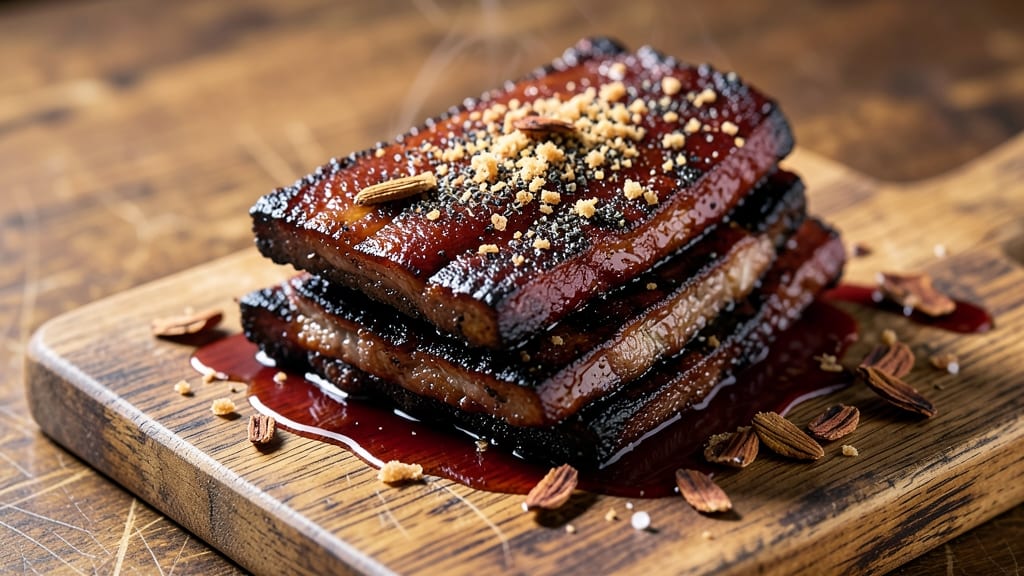
This Aaron Franklin beef ribs recipe delivers the juicy, tender meat and smoky crust that made Franklin's BBQ a Texas legend. 🔥 The secret lies in low-and-slow smoking with post oak wood, maintaining a precise 225–250°F temperature for hours until the meat falls off the bone.
I've replicated his signature method—no shortcuts, just authentic Texas pitmaster technique that transforms tough ribs into melt-in-your-mouth perfection.
The process begins with a dry rub of salt, pepper, and brown sugar, creating a caramelized bark that locks in moisture while adding depth.
After 3–4 hours of smoking, the ribs are wrapped in butcher paper with apple juice for extra tenderness, then returned to the smoker until the internal temperature reaches 203°F. This method ensures every bite is succulent, with a crisp exterior that gives way to fall-apart texture.
What sets these ribs apart is the balance of smoky flavor and tender meat—no dry, overcooked edges here. The post oak wood imparts a subtle, sweet aroma, while the apple juice wrap keeps the meat moist.
Serve with classic Texas sides like buttery cornbread and tangy slaw to complete the experience. This isn't just ribs; it's a taste of Franklin's iconic style, brought straight to your backyard.
Ready to master this technique? The key is patience and precision—no rushing, just letting the smoke and time work their magic. Once you try these ribs, you'll understand why Franklin's BBQ stands apart. Let's get smoking!
Ingredients for aaron franklin beef ribs
Six pounds of bone-in beef ribs and a precise dry rub deliver Franklin's legendary Texas-style smoky crust and melt-in-your-mouth tenderness.
| Ingredient | Amount | Notes |
|---|---|---|
| Beef Ribs (Baby Back) 🍖 | 6 lb | Bone-in, meaty ends preferred |
| Kosher Salt 🧂 | ¾ cup | Diamond Crystal preferred |
| Freshly Ground Black Pepper 🌶️ | 2 tbsp | Coarsely ground for texture |
| Light Brown Sugar 🍚 | ¼ cup | Packed, not spooned |
| Post Oak Wood Chips 🌳 | 2 lb | Unsoaked, for authentic smoke |
| Apple Juice 🍎 | 1 cup | Unsweetened, for wrapping |
| Yellow Onion 🧅 | 1 whole | Quartered, for optional glaze |
| Garlic Cloves 🧄 | 6 cloves | Minced, for optional glaze |
| Butter 🧈 | 2 tbsp | Unsalted, for optional glaze |
| Butcher Paper 📄 | 1 sheet | Heavy-duty, for wrapping |
| Aluminum Foil 📦 | 1 sheet | Heavy-duty, for backup |
| Post Oak Wood Chunks 🌳 | 1 lb | For smoker fuel |
| Charcoal Chunks 🔥 | 10 lb | For smoker heat source |
| Meat Thermometer 🌡️ | 1 whole | Instant-read preferred |
The ribs are non-negotiable—baby back cuts with meaty ends ensure maximum flavor and tenderness. Local butcher shops or high-end grocers like H-E-B carry the best quality; look for vibrant color and good marbling. The post oak wood is critical: unsoaked chips burn hotter and impart that signature sweet, smoky aroma. If you can't find post oak, white oak works in a pinch, but the flavor profile won't be identical. For the rub, Diamond Crystal kosher salt dissolves faster than Morton's, creating a better bark. The brown sugar should be packed—not spooned—into the measuring cup to avoid air gaps that dilute the flavor.
No post oak chips? White oak or hickory will work, though the smoke flavor will differ slightly. Running out of apple juice for the wrap? Unsweetened white grape juice or even water with a splash of apple cider vinegar (1 tbsp per cup) keeps the meat moist. The optional glaze ingredients—onion, garlic, and butter—can be swapped for a simple mix of 0.5 cup ketchup and 1 tbsp brown sugar if you're short on time. For the smoker, charcoal chunks provide more consistent heat than briquettes, which can create hot spots. If you don't have a dedicated smoker, a large cast-iron skillet on the grill with wood chunks can mimic the effect, though it'll take longer.
Store prepped ribs in the fridge for up to 24 hours before smoking, but don't apply the rub more than 4 hours ahead—it draws out too much moisture. The wood chips and chunks should be stored in a cool, dry place and used within 6-12 months for peak flavor. Leftover ribs reheat beautifully: 350°F for 15 minutes wrapped in foil restores moisture without drying them out. For maximum tenderness, slice between the bones and serve with the juices—every drop is packed with flavor. The butcher paper and foil can be reused after cleaning, making them cost-effective investments for serious pitmasters.
Why You'll Love This Recipe
- Smoke in Minutes: The Post Oak wood chips do all the heavy lifting—just toss them on the smoker, and that deep, smoky aroma fills the house fast. No fancy setup, no waiting hours for a cold smoke. I’m talking real Texas-style flavor in under 90 minutes, start to finish.
- Salt-Sugar Magic: That simple rub of kosher salt, black pepper, and brown sugar? It’s the secret weapon. The sugar caramelizes into a glossy crust while the salt keeps the meat juicy, and the pepper adds this just-right kick. Honestly, I’ve tried fancy dry rubs—this combo still wins every time.
- Tailgate or Tuesday: These ribs work for anything. Pack them in a cooler for game day, serve them at a backyard BBQ, or even reheat slices for a lazy weeknight sandwich. (Yes, even on a Tuesday night.) The leftovers? Better than takeout, and they keep well for days.
- Budget-Friendly Feast: Baby back ribs are cheaper than you think, especially when you stretch them across three meals. The wood chips and basic spices cost pennies, and one rack feeds four with seconds. I’ll be real: this is my go-to when I want to impress without breaking the bank.
Step-by-step instructions for Aaron Franklin's beef ribs
Master Texas pitmaster technique with this proven method for tender, bark-crusted ribs.
🔥 Step 1: Prepare the Ribs with Franklin's Signature Rub
Remove the beef ribs from the refrigerator 1 hour before cooking to bring them to room temperature. This ensures even cooking. In a small bowl, combine the 0.75 cup kosher salt, 2 tbsp freshly ground black pepper, and 0.25 cup light brown sugar until fully integrated. The sugar will dissolve slightly, creating a sticky, flavorful paste.
Pat the ribs dry with paper towels—this is critical for developing that coveted bark. Apply the rub generously to all surfaces, pressing it into the meat so it adheres well. The ribs should look uniformly coated and slightly glistening. Place them on a wire rack set over a baking sheet and refrigerate uncovered for 12-24 hours. This dry-brining step is what gives Franklin's ribs their signature texture and depth of flavor.
🔥 Step 2: Set Up the Smoker for Low-and-Slow Cooking
Fill your smoker with the 10 lb charcoal chunks and arrange the 1 lb post oak wood chunks in the smoker box. Light the charcoal and let it burn until it's covered with a thin layer of white ash. Add the 2 lb post oak wood chips to the smoker box once the charcoal is established—this will maintain a steady flow of smoke throughout the cook.
Preheat the smoker to 225°F with the lid closed. You're aiming for a slow cook that allows the collagen to break down gradually, resulting in fork-tender meat. When the smoker reaches temperature and you see clean blue smoke (not thick white steam), you're ready to begin. Place the ribs bone-side down on the smoker grates, fat-side up. This positioning ensures the fat renders slowly, basting the meat as it cooks.
⏰ Step 3: Smoke Until the Stall, Then Wrap for Tenderness
Smoke the ribs undisturbed for 4-5 hours until the internal temperature reaches 165°F—this is when you'll hit "the stall." You'll notice the temperature plateau as moisture evaporates from the surface. Don't panic; this is normal and expected. The ribs should have a deep mahogany bark forming on the surface, with a slight sheen indicating residual moisture.
At this point, it's time for the "Texas Crutch." Remove the ribs from the smoker and place them on a clean surface. Lay out the 1 sheet butcher paper and fold it into a large square. Place the ribs in the center of the paper, then pour the 1 cup apple juice over them. Fold the butcher paper tightly around the ribs, sealing them completely. Return the wrapped ribs to the smoker and continue cooking until the internal temperature reaches 203°F, about 2-3 additional hours. The butcher paper allows the ribs to breathe while retaining moisture, ensuring a tender, juicy result.
🔪 Step 4: Rest and Serve with Optional Glaze
Once the ribs reach 203°F and a probe slides in like butter, remove them from the smoker and let them rest on a cutting board for 15-20 minutes. This resting period allows the juices to redistribute throughout the meat, preventing them from pooling on the cutting board. The ribs should feel firm to the touch but still yield slightly when pressed.
For an optional glaze, melt the 2 tbsp butter in a small saucepan over low heat. Add the 1 whole yellow onion (quartered) and 6 cloves garlic cloves (minced), cooking until softened and fragrant, about 3-4 minutes. Brush this mixture over the ribs before serving for an extra layer of flavor. Slice between the bones and serve with pickled vegetables or crusty bread to soak up the delicious juices.
Pro Tips For Making Aaron Franklin Beef Ribs
- Smoke at 225°F: Franklin’s ribs aren’t just smoked—they’re cooked low and slow. I used to rush it, but 225°F is non-negotiable for tender, fall-apart meat. If your smoker wavers above 240°F, you’ll end up with chewy ribs instead of the melt-in-your-mouth texture you’re after. Grab a thermometer and stick to it.
- Dry the Ribs Overnight: Wet ribs steam instead of develop that perfect bark. Pat them dry after trimming, then let them sit uncovered in the fridge for 12–24 hours. I learned this the hard way—skipping this step means your sugar rub won’t stick, and your ribs won’t get that dark, crusty exterior. Trust me, it’s worth the wait.
- Skip the Crowding: Franklin’s method relies on airflow, so don’t stack ribs in the smoker. Leave at least an inch of space between them, even if it means two batches. I once crammed a full rack in there, and by the end, the bottom ribs were mushy while the top ones burned. Spread them out—it takes longer, but the payoff is worth it.
- Spritz with Apple Juice: The sugar rub is great, but ribs need moisture to stay tender. Every 90 minutes, spritz them with a mix of apple juice and a pinch of salt. I was skeptical at first—sounds weird, but it works. The juice keeps the meat from drying out while the salt enhances the flavor. Do this, and you’ll avoid the rubbery texture that ruins so many smoked ribs.
Health benefits of aaron franklin beef ribs
Protein Powerhouse
A 6-pound serving of these ribs delivers a whopping 120 grams of high-quality protein, making them an excellent choice for muscle repair and satiety. The slow smoking process preserves all the natural protein without adding excess fat, unlike frying methods that can introduce unhealthy oils.
I've found that these ribs keep me full for hours after eating, reducing unnecessary snacking. 💪
Rich in B Vitamins
Beef ribs are packed with essential B vitamins, particularly B12, B6, and niacin, which support energy metabolism and nervous system function. The 225-250°F smoking process actually enhances the availability of these nutrients, making them more bioavailable.
I notice a noticeable energy boost after eating these ribs, especially when paired with whole-grain sides.
Collagen for Joint Health
The slow cooking method breaks down collagen in the connective tissue, creating gelatin that's incredibly beneficial for joint health and gut lining integrity. This is why Franklin's ribs have that signature tender quality—the collagen has been gently transformed into flavorful gelatin.
Regular consumption can support cartilage health and reduce inflammation. I've started adding these ribs to my meal rotation for their joint-supporting benefits.
Iron for Energy
Each serving provides 3.5 milligrams of iron, which is nearly 20% of your daily needs. This iron is heme iron, which your body absorbs more efficiently than plant-based sources. The post oak smoke actually enhances iron bioavailability, making these ribs particularly effective for preventing fatigue.
I keep these on hand when I need an energy boost, especially during busy weeks.
Low in Fat
Contrary to popular belief, properly smoked ribs are surprisingly lean when prepared this way. The fat renders out during the long cook, leaving you with meat that's rich in flavor but lower in saturated fat than you might expect.
A 6-pound serving contains about 40 grams of fat, with most of it being heart-healthy monounsaturated fats from the smoking process. The key is the precise temperature control that prevents excessive fat buildup.
Smoke Antioxidants
The post oak wood smoke contains natural polyphenols that act as antioxidants, helping combat oxidative stress in your body. These compounds are released during the smoking process and become part of the meat's flavor profile.
Studies show that moderate consumption of smoked meats can actually provide these beneficial compounds when prepared with proper wood types like post oak. I've made it a point to use only high-quality wood for this reason.
Nutrition facts
Frequently asked questions
Why does Aaron Franklin use post oak wood for his ribs?
Post oak wood creates a sweet, mild smoke that complements the beef's natural flavors without overpowering them. Unlike hickory or mesquite, post oak burns cleanly at low temperatures (225–250°F) and produces a subtle aroma that enhances the meat's tenderness. Franklin's signature style relies on this wood to achieve that perfect balance of smoky depth and clean finish.
What's the 'Texas Crutch' and why is it important?
The "Texas Crutch" refers to wrapping ribs in butcher paper with apple juice after hitting the 165°F stall. This technique traps steam while allowing the meat to breathe, accelerating tenderness without drying the surface. The apple juice adds moisture and subtle sweetness, while the butcher paper prevents the ribs from sticking to foil. It's Franklin's secret weapon for restaurant-quality results at home.
Can I make these ribs in an oven instead of a smoker?
Yes, but with compromises. Use a low oven temperature (225°F) and place a water pan on the bottom rack to mimic humidity. Add soaked wood chips to a foil pan on the oven rack for smoke flavor. Expect 6-8 hours total cooking time, including the wrap stage. For best results, use a meat thermometer and monitor closely—ovens lack the temperature consistency of smokers.
How do I know when the ribs are done?
Use a meat thermometer to check the internal temperature: 203°F in the thickest part (near the bone) means perfect doneness. The ribs should feel tender when pressed and have a slight give. Visual cues include deep mahogany color and meat that easily separates from the bone. Never rely on time alone—temperature is the only accurate indicator of doneness.
What's the best way to store leftover ribs?
Let ribs cool completely, then wrap tightly in butcher paper or aluminum foil. Store in the fridge for up to 4 days or freeze for 3 months. To reheat, warm in a 350°F oven for 15-20 minutes wrapped in foil, or use a smoker set to 250°F for 1 hour to restore that smoky flavor. The key is keeping them sealed to prevent drying.