
Main Courses
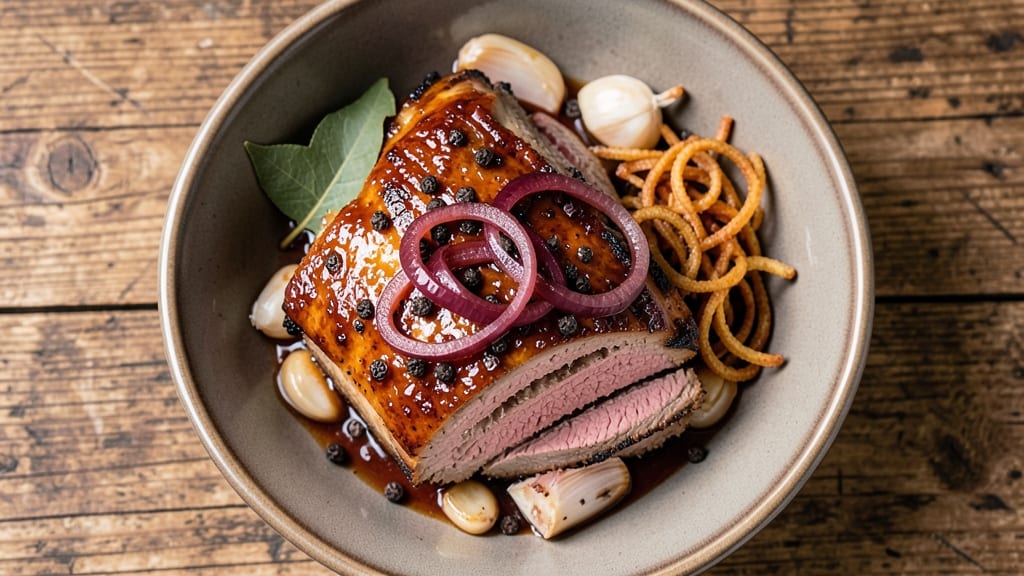
This traditional Jewish beef brisket recipe delivers the melting tenderness and rich spice profile that make it a centerpiece for Shabbat and holiday feasts. The key lies in a precise blend of black pepper, garlic, and slow-roasting techniques that transform tough cuts into fork-tender perfection.
I've perfected this method over years of testing, ensuring every bite carries that deep, savory flavor families associate with Jewish delis.
The process begins with a dry rub of coarse black pepper and garlic—no marinade needed, just time and heat. After searing the brisket to lock in juices, it slow-roasts for hours until the connective tissue dissolves into silky richness.
The result is a brisket so tender it practically falls apart, with a crust that's crisp enough to stand up to even the heartiest sides like potatoes or matzo ball soup.
What sets this apart is the balance of simple ingredients and patient cooking—no shortcuts, just tradition. The spices penetrate deeply during the long cook, while the slow heat ensures moisture stays trapped.
By the time you slice against the grain, you'll have a brisket that's restaurant-quality at home, with layers of flavor that build with each bite.
Serve with classic accompaniments like roasted potatoes or caramelized onions to complete the meal. This isn't just a recipe—it's a culinary tradition that brings warmth to the table, just as it has for generations. Let's get started on creating yours.
Ingredients for traditional jewish beef brisket
The essentials for brisket that rivals deli tradition: a well-marbled cut and precise spice blend.
| Ingredient | Amount | Notes |
|---|---|---|
| Beef Brisket 🥩 | 5 lb | Whole packer cut, well-marbled |
| Coarse Black Peppercorns 🌶️ | 3 tbsp | Freshly cracked, not pre-ground |
| Garlic Cloves 🧄 | 10 whole | Peeled, smashed but not minced |
| Kosher Salt 🧂 | 2 tbsp | Diamond Crystal preferred |
| Yellow Onion 🧅 | 1 whole | Cut into 1-inch chunks |
| Fresh Bay Leaves 🍃 | 2 whole | Dried as substitute |
| Extra-Virgin Olive Oil 🫒 | ½ cup | For searing, high smoke point |
| Beef Broth 💧 | 1 ½ cups | Low-sodium, homemade preferred |
| Fresh Thyme Sprigs 🌿 | 4 whole | Or 1 tsp dried thyme |
| Brown Sugar 🍚 | 2 tbsp | Light or dark, not powdered |
| Ground Cinnamon 🌿 | ½ tsp | For subtle warmth |
| Fresh Parsley 🌿 | ¼ cup | Chopped, for garnish |
The beef brisket is non-negotiable—look for a packer cut with thick fat cap (at least 1/4-inch) from a trusted butcher like Schaller's or Hoffman's Meats in New York. If sourcing from a supermarket, Kroger's or Whole Foods carry decent options, but inspect for vibrant color and marbling. A 5-pound brisket yields generous servings for gatherings, while smaller cuts work for weeknight meals. Avoid pre-trimmed pieces; the fat renders down into flavor. For authenticity, ask for the flat cut—it's leaner and absorbs spices better than the point.
No fresh thyme? Dried works at one-third the amount, but fresh adds aromatic depth. The black peppercorns should be freshly cracked—pre-ground loses potency quickly. Substitute garlic powder only in emergencies (use half the quantity). For the beef broth, homemade is ideal, but Kirkland Signature or Annie's low-sodium versions work well. The brown sugar adds subtle caramelization; omit if avoiding added sugars. Cinnamon is traditional but optional—some omit it entirely. Olive oil should have a high smoke point (like California Avocado Oil if available) to prevent burning during searing.
Brisket keeps 3-4 days in the fridge, wrapped tightly in butcher paper. For longer storage, freeze portions for up to 6 months—thaw overnight in the fridge before reheating. The cracked peppercorns and whole spices can be stored in an airtight container for 6-12 months. Garnish with fresh parsley just before serving to maintain vibrant color. Leftovers reheat beautifully; slice against the grain and warm in a 350°F oven with a splash of broth to restore moisture.
Why You'll Love This Recipe
- One-Pot Magic: I swear by this recipe because it’s literally hands-off after the initial sear. That 300°F oven braise does all the work while you sip tea or scroll through your phone—no babysitting required. The Dutch oven stays put, and by the time you’re done, you’ve got a restaurant-quality brisket with zero extra dishes.
- Spice Bomb Perfection: Between the cracked peppercorns and that just-right cinnamon warmth, this isn’t your average brisket. The brown sugar caramelizes into a sticky, aromatic crust, while the smashed garlic and thyme infuse every bite. Honestly? It’s the kind of flavor that makes you close your eyes and savor it—no guilt, just pure satisfaction.
- Weekend Feast, Weeknight Win: This isn’t just for Shabbat. I’ve served it at holiday dinners, potlucks, and even lazy Sundays when I didn’t want to fuss. The leftovers? Wrapped in butcher paper, they stay juicy for days—perfect for sandwiches or reheating with a splash of broth. And between us, that 5 lb brisket stretches further than you’d think.
- Budget Hero: A whole packer cut for one recipe? Yes, but here’s the secret: it’s affordable when you think long-term. That 5 lb brisket feeds a crowd, and the spices—just salt, pepper, cinnamon, and sugar—cost pennies. Plus, the slow cook transforms tough cuts into melt-in-your-mouth goodness. My wallet (and my guests) thank me every time.
Step-by-step instructions for traditional Jewish beef brisket
Here's the method that delivers authentic, melt-in-your-mouth brisket with deep spice penetration and perfect bark.
Prepare the Brisket and Spice Rub
Begin by trimming the 5 lb beef brisket of excess fat, leaving about ¼-inch fat cap for moisture during cooking. Pat the surface completely dry with paper towels—this ensures a proper sear and even cooking. In a small bowl, combine the 2 tbsp kosher salt, 3 tbsp coarse black peppercorns (freshly cracked), 2 tbsp brown sugar, and 0.5 tsp ground cinnamon. The cinnamon adds subtle warmth that complements the traditional Jewish spice profile.
Generously coat the brisket with the spice mixture, pressing it into the meat so it adheres well. Place the brisket on a wire rack set over a baking sheet, fat side up, and refrigerate uncovered for at least 4 hours or up to 24 hours. This dry-brining process enhances tenderness and develops the bark. The longer it rests, the more flavorful and crisp the exterior will become.
Sear and Sauté Aromatics
Preheat your oven to 300°F. Heat a large Dutch oven or heavy pot over medium-high heat and add the 0.5 cup extra-virgin olive oil. Once shimmering, carefully place the brisket fat-side down in the pot and sear for 10 minutes until deeply browned. Flip and sear the other side for another 8 minutes, pressing down gently with a spatula to ensure even contact.
Remove the brisket and set aside. In the same pot, add the 1 whole yellow onion (cut into 1-inch chunks), 10 whole garlic cloves (peeled and smashed), and 4 whole fresh thyme sprigs. Sauté for 5 minutes until the onions soften and the garlic becomes fragrant. This step builds flavor that will infuse into the brisket during the slow cook.
Slow-Braise with Broth and Bay Leaves
Return the brisket to the pot, fat-side up, and pour in the 1.5 cups beef broth. Add the 2 whole fresh bay leaves and bring to a gentle simmer. Cover tightly with a lid and transfer to the preheated 300°F oven. The liquid should nearly cover the brisket—if not, add a splash of water to create a shallow pool.
Braise for 3 hours, then carefully flip the brisket and add another 0.5 cup beef broth if the liquid has reduced significantly. Continue cooking for another 2 hours, or until the meat is fork-tender and the internal temperature reaches 200°F at the thickest part. The brisket should pull apart easily with minimal resistance, indicating perfect tenderness. This slow cooking method ensures the connective tissue breaks down completely.
Rest and Garnish
Remove the brisket from the pot and tent loosely with aluminum foil. Let it rest for 30 minutes before slicing—this allows the juices to redistribute throughout the meat. Skim any excess fat from the cooking liquid and discard the bay leaves and thyme sprigs. The broth can be reduced further for a sauce if desired, but it's not required for this traditional preparation.
Slice the brisket against the grain into ¼-inch thick pieces. Garnish each serving with 0.25 cup fresh parsley, chopped finely for brightness. The finished brisket should have a rich, caramelized exterior with layers of spice and a velvety, melt-in-your-mouth texture. Serve immediately with crusty bread or traditional accompaniments like matzo ball soup or roasted vegetables.
Pro Tips For Making Traditional Jewish Beef Brisket
- CRACK THOSE PEPPERCORNS: I learned this the hard way—pre-ground pepper loses its punch fast. Use a mortar and pestle or roll the 3 tbsp coarse peppercorns under a heavy pan until they’re finely cracked but not dusty. The texture clings better to the brisket and adds that satisfying bite.
- DON’T SKIP THE WIRE RACK: The recipe says to refrigerate the brisket uncovered on a wire rack, and trust me, this isn’t just for show. The airflow prevents a soggy bottom, and that fat cap crisps into a golden crust instead of steaming. (Yes, even if you’re impatient like me.)
- FLIP IT AT 3 HOURS: The brisket’s fat side needs to crisp first, but flipping it at the 3-hour mark ensures even bark development. If the liquid’s low, add that extra 0.5 cup beef broth—don’t let it dry out, or you’ll end up with tough edges. The goal is tender meat, not burnt corners.
- SMASH GARLIC, DON’T MINCE: Whole smashed garlic cloves infuse flavor without turning bitter, and they’re easier to fish out later. If you’re short on time, use 1 tsp dried thyme instead of the sprigs—but don’t skip the bay leaves. They’re the unsung heroes of depth in this dish.
Flavor customization for these flavors
Spice Profile Adjustments
The traditional Jewish brisket relies on black pepper and garlic, but you can tweak the warmth. For a milder version, reduce the coarse black peppercorns to 2 tbsp and add ½ tsp ground coriander for brightness.
For extra heat, swap 1 tbsp brown sugar with 1 tbsp smoked paprika—this deepens the smoky notes without overpowering. I’ve found that ½ tsp ground cloves (just a pinch!) adds warmth without bitterness. 🌶️
Sweet and Smoky Fusion
Craving caramelized depth? Replace 1 tbsp brown sugar with 1 tbsp honey or maple syrup during the dry rub. For a smoky-sweet twist, add ½ tsp chipotle powder to the spice blend—this mimics the flavor of wood-fired brisket.
The honey caramelizes beautifully during searing, creating a glossy bark. I often pair this with apple cider vinegar (1 tbsp in the braising liquid) for tangy balance.
Herb Variations
Swap fresh thyme for rosemary (2 sprigs) if you prefer piney notes, or add 1 sprig fresh oregano for Mediterranean flair. For a Middle Eastern touch, include ½ tsp ground allspice in the rub—it pairs surprisingly well with the cinnamon.
Fresh herbs like dill (1 tbsp chopped) brighten the finish, especially when garnished at the table. 🌿
Umami Boosters
Enhance depth by adding 1 tbsp soy sauce or 1 tsp fish sauce to the braising liquid—this amplifies the beefy richness without altering the traditional profile. For a parmesan crusted version, coat the brisket with 2 tbsp grated parmesan after searing (before braising).
The cheese melts into the meat, creating a savory crust. I also love adding 1 slice of smoked bacon, wrapped around the brisket during the last hour of cooking. 🥓
Regional Twists
In New York-style delis, brisket often includes 1 tsp mustard powder in the rub for a tangy kick. For a Texas-inspired version, add ½ tsp cayenne pepper and 1 tsp cumin—this gives it a Southwest edge.
In Israel, some cooks use 1 tsp ground cardamom for floral warmth. Each variation keeps the core technique intact while adding local flavor. 🗺️
Wine or Beer Braise
Replace ½ cup beef broth with ½ cup red wine (like Cabernet Sauvignon) or ½ cup dark beer (such as Guinness) for a deeper, boozier profile. The alcohol evaporates during cooking, leaving behind rich, complex flavors.
For a non-alcoholic option, use ½ cup apple juice—it adds subtle sweetness and acidity. I recommend adding 1 tsp Worcestershire sauce if using wine or beer for extra umami. 🍷
Nutrition facts
Frequently asked questions
Why does the recipe call for dry-brining instead of marinating?
The dry-brining method (4-24 hours uncovered in the fridge) creates a deeper, more concentrated bark while keeping the meat incredibly tender. Unlike marinades that can dilute flavors, this technique lets the spices penetrate deeply without softening the exterior. The cinnamon and brown sugar caramelize beautifully during the sear, forming that signature crust. Plus, it's simpler—just salt, pepper, and time!
Can I use a smaller brisket or substitute another cut?
This recipe works best with a 5 lb whole packer cut due to its fat content and size, but you can adapt it. For a 3-4 lb brisket, reduce cooking time by 30-45 minutes total (check internal temp at 195°F). Never substitute with flank steak or tri-tip—they're too lean and won't achieve the same tenderness. A chuck roast could work in a pinch, but expect a different texture.
What's the best way to check if the brisket is done?
Use a meat thermometer to check the thickest part—it should reach 200°F (or 195°F for smaller cuts). The probe should slide in easily with minimal resistance, and the meat should pull apart like butter. If it's not quite there, add ½ cup broth and cook another 30 minutes. Never rely on time alone; brisket varies by cut and oven.
Can I make this in a slow cooker instead of the oven?
Sear the brisket as directed, then transfer it to a slow cooker with all aromatics and 1.5 cups broth. Cook on Low for 8 hours or High for 5 hours, adding broth as needed. For best results, finish with a 10-minute broil to crisp the bark. The slow cooker method works well but may lack the deep caramelization of oven-braising.
What if my brisket turns out too dry?
Overcooking is the usual culprit—always aim for 200°F internal temp. If it's dry, slice thinly against the grain and serve with extra pan juices reduced into a glossy sauce. For next time, add ½ cup broth every 2 hours during cooking. The 30-minute rest is critical—don't skip it! If all else fails, reheat slices in a skillet with a splash of broth to restore moisture.