
Main Courses
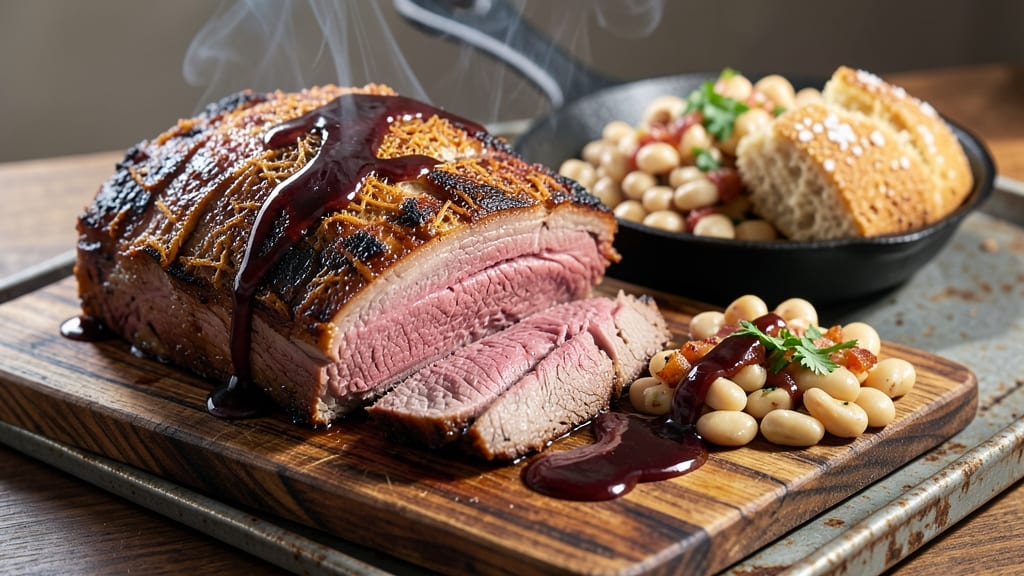
Mastering a Texas smoked beef brisket recipe means transforming tough beef into melt-in-your-mouth perfection through low-and-slow smoking. The secret lies in a precise dry rub, oak or pecan wood smoke, and patience—this isn’t a recipe for the impatient.
I’ve perfected this method over countless hours in the pit, and the results speak for themselves: deep, smoky flavor with a dark, crackling bark that hides nothing but tenderness inside.
The process begins with a well-balanced rub of coarse salt, black pepper, garlic powder, and smoked paprika, which forms that iconic Texas bark. Smoking at 225°F for 12–16 hours ensures the connective tissue breaks down just enough to make every slice fall apart.
The key? Never rush it—great brisket is worth the wait, and the aroma alone will have your neighbors showing up uninvited.
By the time you’re ready to slice, the brisket should be so tender it practically shreds with a fork. Serve it with classic Texas sides like tangy coleslaw or buttery cornbread to soak up every last drop of that rich, smoky juices.
This is the kind of brisket that turns casual cookouts into legendary gatherings—because when done right, there’s simply nothing else like it.
Whether you’re competing at a BBQ joint or feeding your family on a Sunday afternoon, this method delivers restaurant-quality results at home. The only question left is: will you be the one turning heads at the table, or just another guest asking for seconds?
Ingredients for texas smoked beef brisket
Pantry staples meet Texas BBQ magic—just the right mix for brisket that'll have everyone asking for seconds.
| Ingredient | Amount | Notes |
|---|---|---|
| Beef Brisket 🥩 | 6 lb | Flat cut, good marbling, fat cap intact |
| Coarse Kosher Salt 🧂 | ½ cup | Diamond Crystal preferred |
| Freshly Ground Black Pepper 🌶️ | 2 tbsp | Coarse grind for texture |
| Garlic Powder 🧄 | 2 tbsp | No garlic salt |
| Smoked Paprika 🌶️ | 1 tbsp | For authentic Texas bark |
| Granulated Brown Sugar 🍯 | 1 tbsp | Light brown preferred |
| Onion Powder 🧅 | 1 tbsp | Fresh ground if possible |
| Mustard Powder 🌿 | 1 tsp | Dry yellow mustard |
| Yellow Mustard 🍯 | 2 tbsp | For post-smoke glaze |
| Apple Cider Vinegar 🍋 | 1 tbsp | For glaze tang |
| Oak or Pecan Wood Chips 🌳 | 4 cups | Unseasoned, soaked 1 hour |
| Beef Tallow or Bacon Fat 🍖 | ¼ cup | For spritzing during smoke |
| Beef Broth 🍲 | 1 cup | Low-sodium for spritzing |
| Fresh Thyme 🌿 | 6 sprigs | For smoke infusion |
| Yellow Onion 🧅 | 1 whole | Sliced for spritz broth |
The brisket is everything. Look for a 6-pound flat cut with a thick fat cap—that’s where the flavor hides. Most butchers will trim it for you, but leave that fat intact if you can. Costco or local ranch suppliers usually carry the best cuts. If you’re buying whole, ask for it to be scored 1/4-inch deep on the fat side—helps the rub penetrate. Pro tip: the day before smoking, let it sit uncovered in the fridge so the rub sticks better. And don’t skimp on the weight—this is a crowd-pleaser, not a side dish.
No smoked paprika? Regular paprika plus a pinch of liquid smoke works in a pinch (start with 1/2 tsp), but nothing beats the real deal. Mustard powder is key for that slight tang in the bark—substitute 1/2 tsp of Dijon powder if you’re out. For the glaze, honey or molasses can replace brown sugar (1:1 ratio), but the vinegar adds that perfect bite. And if you’re using a smoker with a water pan, add a splash of apple juice to keep the air moist. Trust me, the bark will thank you.
This brisket is a marathon, not a sprint. Wrap it tightly in butcher paper or foil after the first 4 hours to speed up the cook, but uncover it for the last 2 hours to form that glorious bark. The glaze goes on when the internal temp hits 195°F—don’t rush it. Leftovers? Reheat in the oven at 300°F with a splash of beef broth to keep them moist. And save those bones—they make the best broth you’ve ever tasted.
Why You'll Love This Recipe
- No-Fuss Prep: I’ll admit, the 12-24 hour rub time sounds intimidating—but honestly, it’s the easiest part. Mix the 0.5 cup coarse kosher salt, 2 tbsp freshly ground black pepper, and the rest of the spices in a bowl while you watch TV or scroll. No chopping, no fuss, and the brisket does all the work while you sleep.
- Crispy-Meets-Tender Magic: That smoked paprika and garlic powder rub turns into a crackling, dark bark that shatters like glass, while the inside melts so easily it falls apart. The yellow mustard glaze at the end? It’s the perfect tangy kick to balance the richness—trust me, your taste buds will thank you.
- Leftovers That Don’t Let You Down: This isn’t one of those recipes where leftovers taste sad. Slice it thin, reheat it at 300°F with a splash of beef broth, and it’s just as tender as day one. Pack it for lunches, freeze portions (yes, it reheats well), or serve it cold on sandwiches—it’s that versatile.
- Budget-Friendly Crowd-Pleaser: A 6 lb brisket feeds a crowd without breaking the bank, and the ingredients? Most are pantry staples. The beef tallow or bacon fat for spritzing adds depth without costing extra, and the oak or pecan wood chips give that authentic Texas smoke without needing fancy equipment.
Step-by-step instructions for Texas smoked beef brisket
Here's the method that delivers that legendary Texas bark and melt-in-your-mouth tenderness every time.
Prepare the Brisket and Rub
Start by trimming the fat cap of the 6 lb beef brisket down to about ¼ inch thickness. I use a sharp boning knife to get clean, even cuts that won't tear the meat. Leave the flat and point intact - we want that natural shape for even smoking.
In a large bowl, combine the 0.5 cup coarse kosher salt, 2 tbsp freshly ground black pepper, 2 tbsp garlic powder, 1 tbsp smoked paprika, 1 tbsp granulated brown sugar, 1 tbsp onion powder, and 1 tsp mustard powder. Mix thoroughly until the spices are evenly distributed. This dry rub is what creates that iconic Texas bark - the smoky, crusty exterior that's the star of the dish.
Generously coat the entire brisket with the rub mixture, pressing it into the meat so it adheres well. Pay special attention to the fat cap and edges where the bark will develop most intensely. Place the rubbed brisket on a wire rack set over a baking sheet and refrigerate uncovered for 12-24 hours. This resting period allows the rub to penetrate deeply and creates the perfect foundation for that incredible bark.
Set Up the Smoker and Prepare Spritz Broth
While the brisket rests, prepare your smoker by soaking the 4 cups oak or pecan wood chips in water for at least 1 hour. This prevents them from burning too quickly and gives you that clean, steady smoke we're after. Fill your smoker with the soaked wood chips and preheat to 225°F - this low and slow temperature is crucial for developing that tender texture without drying out the meat.
In a small saucepan, combine the 1 cup beef broth, sliced 1 whole yellow onion, and 6 sprigs fresh thyme. Bring to a gentle simmer for 5 minutes, then remove from heat and let cool. This aromatic broth will be our spritz liquid - we'll use it every 45-60 minutes to keep the brisket moist during the long cook.
Here's the thing - don't rush this setup. Let the smoker stabilize at 225°F before adding the brisket. You'll know it's ready when you see clean, blue smoke wafting from the chimney. This is the moment that matters: perfect smoke flavor starts with proper preparation.
Smoke the Brisket with Precision
Place the brisket fat-side up on the smoker grates. The fat will render slowly and baste the meat as it cooks, creating that incredible bark. Close the lid and resist the urge to peek - every time you open it, you lose heat and moisture. I promise, the wait is worth it.
Smoke the brisket for 6-8 hours, maintaining a temperature between 225-250°F. Every 45-60 minutes, remove the brisket and spritz it generously with the cooled broth mixture. This keeps the surface moist enough to develop that dark, crackly bark while preventing the meat from drying out. You'll notice the bark starting to form after about 3 hours - that's when the magic really begins.
Around the 6-hour mark, check the internal temperature using a meat thermometer. When it reaches 165-170°F, you've hit "the stall" - where the moisture evaporates and the temperature plateaus. This is normal and expected. Don't panic or adjust the heat. Instead, prepare to wrap the brisket in butcher paper. This Texas crutch technique helps push through the stall while preserving that beautiful bark.
Finish and Rest for Maximum Tenderness
Wrap the brisket tightly in butcher paper, leaving the fat cap exposed. Return it to the smoker and continue cooking until the internal temperature reaches 200-205°F. This final stage, which typically takes another 4-6 hours, is where the brisket becomes truly fork-tender. You'll know it's ready when a probe slides in like butter with no resistance.
Once done, remove the brisket from the smoker and let it rest wrapped in the butcher paper for at least 1 hour. I like to place it in a cooler during this time to keep it warm and insulated. This resting period allows the juices to redistribute throughout the meat, ensuring every slice is moist and flavorful.
While the brisket rests, prepare your glaze by mixing together the 2 tbsp yellow mustard and 1 tbsp apple cider vinegar. Brush this mixture generously over the bark just before serving. The tangy glaze cuts through the richness of the meat and adds another layer of flavor to that incredible bark.
Pro Tips For Making Texas Smoked Beef Brisket
- Trim the Fat Cap: If your brisket has a thick fat cap (over ¼ inch), trim it down to ⅛ inch before smoking—it’ll render faster and keep the meat from steaming instead of browning. I learned this the hard way after a brisket turned out soggy because the fat insulated the heat like a blanket.
- Salt the Night Before: Generously coat the brisket with kosher salt and black pepper at least 12 hours ahead. The salt breaks down the proteins, creating that perfect crust while keeping the meat juicy. Yes, even if you’re impatient like me—this isn’t the step you can skip.
- Smoke Hot and Fast: Start your smoker at 225°F, but crank the heat to 275°F for the first hour to get a deep sear on the exterior. After burning three batches with dull bark, I finally realized: high heat early = better flavor and texture. Don’t be afraid to push it.
- Wrap at 165°F: Once the brisket hits 165°F internally, wrap it in butcher paper (not foil) with a sprinkle of garlic powder and smoked paprika. This traps steam, tenderizes the meat, and keeps it from drying out—no guesswork, just science. I was skeptical until I tried it.
Dietary considerations for this dish
Gluten-Free Adaptations
This brisket recipe is naturally gluten-free, but watch the ingredients carefully. The yellow mustard and apple cider vinegar in the glaze are typically gluten-free, but always check labels—some brands add gluten as a preservative.
For extra safety, use certified gluten-free mustard like French's Gluten-Free. The beef broth should also be gluten-free, so opt for brands like Pacific Foods or Imagine if you're avoiding hidden gluten. 🌾
Low-Carb Options
To keep this brisket low-carb, skip the granulated brown sugar in the rub and replace it with 1 tbsp erythritol or monk fruit sweetener. The onion powder and garlic powder are already carb-friendly, and the beef tallow or bacon fat spritz adds richness without carbs.
Just ensure your yellow mustard and apple cider vinegar are also low-carb—most are, but always double-check. This keeps the dish under 5g net carbs per serving.
Dairy-Free Considerations
The original recipe doesn’t include dairy, but if you’re serving it with sides like buttery cornbread, opt for dairy-free alternatives. The beef tallow or bacon fat spritz is already dairy-free, and the yellow mustard glaze can be made with dairy-free mustard if needed.
For a dairy-free serving suggestion, pair it with sautéed green beans with garlic and olive oil—simple, flavorful, and completely dairy-free. 🥬
Allergen-Friendly Swaps
For nut allergies, ensure your smoked paprika is processed in a nut-free facility—some brands process near tree nuts. If you’re avoiding mustard, substitute the glaze with a mix of 1 tbsp apple cider vinegar + 1 tbsp honey (or maple syrup for vegan diets).
For a soy-free option, confirm your beef broth doesn’t contain soy additives—most beef broths are soy-free, but chicken broth can sometimes contain soy. Always read labels carefully. 🚫
Protein-Packed Boost
This brisket is already a protein powerhouse, but if you want to maximize it, consider serving it with cauliflower mash instead of potatoes. The mash adds volume without sacrificing protein, and you can boost it further with a side of grilled asparagus (rich in protein and fiber).
For a high-protein meal under 50g protein per serving, pair the brisket with a side salad topped with grilled chicken—double the protein without the carbs. 💪
Nutrition facts
Frequently asked questions
Why does Texas brisket need such a long smoke time?
The 12-16 hour process breaks down tough collagen in the meat through a technique called "low-and-slow" cooking. At 225°F, the connective tissue slowly converts to gelatin, creating that signature fork-tender texture. Patience is key—rushing it results in dry, chewy meat instead of melt-in-your-mouth perfection.
What’s the difference between wrapping in butcher paper vs. foil?
Butcher paper lets the bark develop while trapping moisture better than foil, which can make the exterior soggy. The Texas "crutch" method uses paper to preserve that dark, crackly crust while pushing through the stall. Only wrap after 6 hours when internal temp hits 165°F—earlier and you’ll lose bark potential.
Can I use a grill instead of a smoker?
Yes, but you’ll need a smoker box or pellet tube for consistent smoke. Set your grill to 225°F and use indirect heat, adding wood chips every 45 minutes. The challenge? Maintaining steady temps—grills fluctuate more than smokers. For best results, add a water pan to stabilize heat.
How do I know when the brisket is done?
Use a meat thermometer to check the thickest part of the flat (not the fat). It’s done at 200-205°F—the probe should slide in like butter. The bark will be dark and crispy, and the point should pull away from the flat easily. If it’s still firm at 195°F, wrap it and let it cook another 2 hours.
What’s the best way to reheat leftovers?
Slice the brisket first, then reheat in a 300°F oven with a splash of beef broth for 15-20 minutes. Never microwave—it dries out the meat. For cold sandwiches, slice thinly and layer with pickles or coleslaw to keep it moist. Leftovers stay tender for 3-4 days when stored properly.