
Main Courses
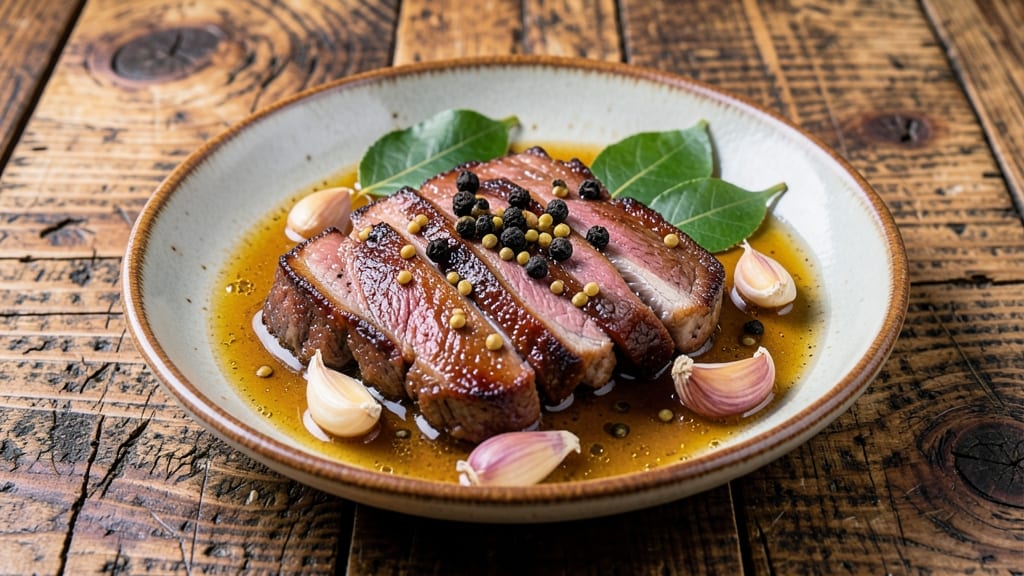
This pickled beef heart recipe transforms humble organ meat into a tangy, beloved staple that’s been cherished in Eastern European and Latin American kitchens for generations.
This pickled beef heart recipe delivers a firm texture that holds up beautifully in sandwiches, salads, or as a bold appetizer—proof that offal can be just as satisfying as traditional cuts.
The key lies in a precise balance of vinegar, spices, and time, turning what might seem intimidating into something approachable and delicious.
What makes this recipe work is the marinade: a mix of apple cider vinegar, garlic, and aromatic spices that tenderizes the heart while preserving its natural firmness. Unlike delicate proteins, beef heart benefits from longer marinating times, which develop deeper flavor without compromising texture.
The process is straightforward—simmering the heart in the brine until it reaches the perfect tenderness—yet the results are restaurant-worthy.
Once pickled, the beef heart takes on a bright tang that pairs beautifully with creamy sauces, fresh herbs, or even a simple vinaigrette. Its firm texture makes it ideal for slicing thinly onto charcuterie boards, stacking in sandwiches, or serving as a protein-packed side.
This is a recipe that proves organ meats can be just as versatile—and satisfying—as any other cut of meat.
Perfect for those looking to expand their culinary horizons or incorporate more protein-rich ingredients into their meals. The technique is simple enough for weeknight cooking but impressive enough for special occasions. Let’s get started!
Ingredients for pickled beef heart
A mix of vinegar, spices, and organ meat. Transforming humble ingredients into restaurant-quality pickled beef heart.
| Ingredient | Amount | Notes |
|---|---|---|
| Beef Heart 🥩 | 1 ½ lb | Whole, cleaned, trimmed of fat |
| Apple Cider Vinegar 🍏 | 2 cups | Raw, unfiltered preferred |
| Garlic Cloves 🧄 | 8 cloves | Smashed, skin-on for infusion |
| Bay Leaves 🌿 | 2 whole | Dried, standard size |
| Black Peppercorns 🌶️ | 1 tbsp | Crushed, not ground |
| Mustard Seeds 🌼 | 1 tsp | Yellow or brown |
| Allspice Berries 🌶️ | 1 tsp | Crushed lightly |
| Salt 🧂 | 2 tbsp | Diamond Crystal kosher |
| Granulated Sugar 🍚 | ½ cup | White or raw cane |
| Fresh Dill Sprigs 🌿 | ¼ cup | Stems intact for aroma |
| Water 💧 | 2 cups | Filtered for clarity |
| Lemon Peel 🍋 | 1 strip | Organic, unblemished |
The beef heart is the star—look for whole, trimmed cuts at specialty butchers or well-stocked grocery stores like Whole Foods or Costco. Freshness is critical: the meat should have a vibrant red hue and no off odors. If buying frozen, thaw it overnight in the fridge. For optimal texture, avoid pre-sliced hearts—whole pieces hold their shape better during pickling. The apple cider vinegar should be raw and unfiltered for maximum flavor complexity; brands like Bragg or Texas Pete work well. Fresh dill and lemon peel elevate the final product, so prioritize organic produce when possible.
No fresh dill? Dried dill at one-third the amount works in a pinch, though fresh is ideal. Substituting vinegar? White wine vinegar or rice vinegar both work, but the flavor profile will differ slightly. For those avoiding sugar, agave syrup or honey can replace granulated sugar at a 1:1 ratio. Mustard seeds can be omitted if unavailable, but the allspice berries add a unique depth—toast them lightly in a dry pan before crushing to enhance their aroma. The crushed peppercorns should be coarsely ground to avoid overpowering the delicate flavors of the heart.
Store the pickled beef heart in an airtight glass jar submerged in its marinade, refrigerated for up to 3 months. The flavor intensifies over time, so it’s best to wait at least 48 hours before slicing for optimal tenderness. To serve, drain and slice thinly against the grain. Portion into smaller jars for easy snacking or charcuterie boards. Freeze for up to 6 months if needed, though texture may soften slightly upon thawing. Always keep the heart submerged in the liquid to maintain moisture and flavor.
Why You'll Love This Recipe
- Here’s what sold me: that first bite where the vinegar’s sharpness meets the meat’s natural richness, then the garlic and peppercorns hit like a flavor bomb. It’s not just pickled—it’s addictive pickled.
- Fewer Ingredients, Bigger Impact: I swear by this recipe because it’s that good with almost nothing. Just beef heart, vinegar, garlic—no fancy pantry items needed. The acidity from the apple cider vinegar does all the work, cutting through the richness and making every bite bright.
- Tangy, Garlicky Magic: Here’s what sold me: that first bite where the vinegar’s sharpness meets the meat’s natural richness, then the garlic and peppercorns hit like a flavor bomb. It’s not just pickled—it’s addictive pickled.
- Weeknight Workhorse: Between us, this is my go-to when I need something fast but still impressive. Toss it on toast, slice it thin over salads, or serve it cold with crackers—it’s always a hit, even when I’m too tired to plan.
Step-by-step instructions for pickled beef heart
Transforming beef heart into a versatile, tangy ingredient requires precision in preparation and timing.
Prepare and Parboil the Beef Heart
Begin by thoroughly cleaning the 1.5 lb beef heart under cold running water, removing any remaining fat or connective tissue. Trim away any silverskin or silver membranes using a sharp knife—these don’t tenderize during cooking. Cut the heart into 4 equal portions, each roughly 4 ounces, ensuring uniform thickness for even pickling.
Place the beef heart pieces in a large pot and cover with cold water by about 2 inches. Bring to a boil over high heat, then immediately reduce to a simmer. Parboil for exactly 8 minutes—this step is critical to set the texture without overcooking. The heart should remain firm to the touch but no longer raw. Drain immediately and transfer to an ice bath to halt further cooking. This rapid cooling preserves the meat’s structure for the pickling process.
Create the Pickling Brine
In a separate saucepan, combine the 2 cups apple cider vinegar, 2 cups water, 0.5 cup granulated sugar, 2 tbsp salt, 1 tbsp crushed black peppercorns, 1 tsp crushed mustard seeds, 1 tsp crushed allspice berries, 8 smashed garlic cloves (skin-on), 2 whole bay leaves, and the 1 strip lemon peel. Bring to a gentle simmer over medium heat, stirring occasionally to dissolve the sugar and salt completely.
Simmer for 10 minutes to infuse the flavors, then remove from heat. Let the brine steep for an additional 15 minutes to allow the aromatics to fully meld. Strain the brine through a fine-mesh sieve into a clean container, pressing gently on the solids to extract maximum flavor. Discard the solids or reserve for garnishes if desired. The resulting liquid should be golden-amber and fragrant with vinegar, garlic, and citrus notes.
Pack and Preserve the Beef Heart
Place the parboiled beef heart pieces into a clean, sterilized quart-sized mason jar or airtight container. Using tongs, arrange the pieces in a single layer—avoid overcrowding, as this prevents proper immersion in the brine. Pour the strained pickling brine over the beef heart until fully submerged, covering the meat by at least 1 inch. Add the 0.25 cup fresh dill sprigs (stems intact) to the jar, distributing them evenly around the heart pieces.
Seal the jar tightly and refrigerate immediately. The beef heart will pickle best within 3–5 days, though it remains safe to eat for up to 2 weeks when stored properly. For optimal texture and flavor, use the pickled beef heart within 7 days. The acidity of the vinegar will gradually tenderize the meat while imparting a bright, tangy profile that pairs exceptionally well with salads, tacos, or charcuterie boards.
Pro Tips For Making Pickled Beef Heart
- Ice It Fast: That 8-minute parboil is non-negotiable, but the ice bath is where texture magic happens. I used to skip it—big mistake. The second the beef heart hits the ice water, it stops cooking instantly, keeping it firm and ready for pickling instead of turning mushy. Use a bowl big enough to fully submerge the pieces, and let them chill for at least 5 minutes. Trust me, your future tacos will thank you.
- Smashed, Not Ground: The garlic cloves aren’t just for flavor—they’re for infusion. If you grind them, you’ll lose that deep, aromatic punch from the skins. Smash them skin-on with the flat side of your knife or a heavy pan until they’re bruised but still intact. This lets the oils and flavor seep into the brine while keeping the texture whole. I learned this the hard way after a batch tasted disappointingly mild.
- Strain Like You Mean It: Don’t just pour the brine through the sieve—press those solids. The crushed peppercorns, mustard seeds, and allspice berries hold onto flavor like glue. Use a wooden spoon to gently press them against the sieve, extracting every last drop of aromatic oil. Skimp here, and your pickled beef heart will taste like it’s missing something. (Yes, even if it looks like you’re overworking the solids.)
- Submerge or Regret It: Overcrowding the jar is how you end up with heart pieces floating in sad, half-brine. Arrange them in a single layer first, then pour the brine slowly, tipping the jar to ensure everything’s fully covered. If you’re worried about space, trim the dill sprigs slightly—just enough to let the brine flow. A jar where the beef heart isn’t swimming is a jar where flavor won’t develop evenly.
Serving suggestions for leftovers
Sandwich Star
Pickled beef heart shines in sandwiches where its firm texture holds up perfectly to creamy spreads and crisp veggies. I love it on ciabatta rolls with whipped goat cheese, sliced roasted red peppers, and arugula—the tang cuts through the richness beautifully.
For a heartier option, layer it in a Reuben-style sandwich with sauerkraut and Russian dressing on marbled rye. The vinegar-pickled flavor balances the savory, fatty elements, making every bite satisfying. 🥪
Charcuterie Board Showstopper
Slice the pickled beef heart thinly and arrange it alongside prosciutto, aged cheddar, and honey-glazed nuts on a wooden board. The bright acidity contrasts perfectly with rich cheeses and salty cured meats.
I add cornichons, marinated artichokes, and olives for a Mediterranean-inspired spread. Serve with crusty bread and dry white wine for an elevated appetizer that feels special but isn’t complicated. 🧀
Taco and Tostada Topper
Shred the pickled beef heart and mix it into corn tortillas with avocado crema, pickled red onions, and cilantro for a vegetarian-friendly twist on tacos. The tangy flavor stands up to bold spices like smoked paprika or cumin.
For tostadas, spread refried beans on crispy shells, top with pickled beef heart, and finish with cotija cheese and salsa verde. It’s a protein-packed alternative that still delivers big flavor. 🌮
Salad Protein Boost
Add sliced pickled beef heart to mixed greens with cherry tomatoes, shaved fennel, and walnuts for a protein-rich salad. Toss with a lemon-olive oil dressing to let the tangy meat shine.
I also love it in warm grain bowls with quinoa, roasted beets, and goat cheese—the acidity brightens every bite. It’s a great way to use up leftovers while adding depth to simple salads. 🥗
Garnish for Soups and Stews
Use thinly sliced pickled beef heart as a garnish for creamy soups like potato leek or hearty stews. The contrast of cool, tangy meat against warm broth elevates the dish instantly.
I especially love it in French onion soup—the acidity balances the richness of the caramelized onions and Gruyère. Add it just before serving so it stays firm and flavorful. 🍲
Antipasto Platter Perfection
Create an antipasto platter with pickled beef heart alongside marinated mozzarella, roasted eggplant, and sun-dried tomatoes. The tangy meat adds a unique twist to classic Italian flavors. Pair it with crusty bread and olive oil for dipping.
For extra flair, drizzle with balsamic glaze and sprinkle with fresh basil. This platter is perfect for gatherings and lets the pickled beef heart take center stage. 🍅
Nutrition facts
Frequently asked questions
Why does beef heart need parboiling before pickling?
The 8-minute parboil is essential to set the protein structure of the beef heart, preventing it from becoming mushy during the long pickling process. This step also helps remove any blood or impurities while keeping the meat firm enough to hold its shape when sliced. Skipping it risks a rubbery texture in the final product.
Can I use white vinegar instead of apple cider vinegar?
Yes, but expect a slightly different flavor profile. Apple cider vinegar adds subtle sweetness and depth from its fermentation process, while white vinegar will create a sharper, more acidic result. For balance, add 1 extra teaspoon of sugar if using white vinegar to compensate for the lack of natural sweetness.
How do I know when the pickling process is complete?
The beef heart is properly pickled when it reaches 3-5 days of refrigeration, though it remains safe for 2 weeks. Test for doneness by checking tenderness—it should be easily pierced with a fork but still hold its shape when sliced. The flavor will deepen over time, so patience is key for maximum tang and complexity.
What's the best way to store leftovers?
Keep the pickled beef heart submerged in its brine in an airtight glass jar in the refrigerator. It will stay fresh for up to 2 weeks, with peak flavor around 7 days. For longer storage, freeze for 6 months, though texture may soften slightly upon thawing. Always store with the liquid to maintain moisture.
Can vegetarians eat pickled beef heart?
No, this recipe contains meat and isn't suitable for vegetarians. However, the pickling technique works beautifully with other proteins like mushrooms or tofu for a plant-based alternative. The same brine recipe can be adapted with 1-inch thick slices of firm tofu or king oyster mushrooms for a similar tangy texture.