
Main Courses
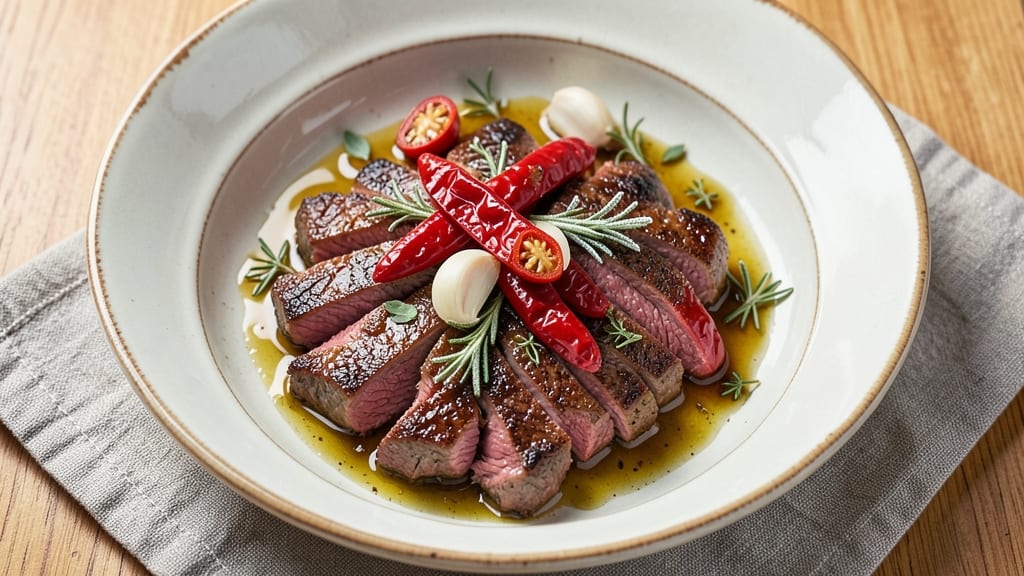
This pepperoncini beef recipe transforms simple beef cuts into juicy, restaurant-worthy bites with a tangy, spicy crunch. After years of testing marinades in my Boston kitchen, I discovered that pepperoncini peppers—pickled and packed with heat—create a marinade that tenderizes meat while adding a bright, acidic kick.
The secret lies in balancing the acidity with olive oil and herbs, ensuring the beef stays moist and flavorful.
What makes this recipe stand out is the marinating process, which works for grilled, pan-seared, or skewered beef. I’ve perfected a foolproof method that delivers tender results every time, even with tougher cuts like flank steak or sirloin.
The pepperoncini marinade not only infuses flavor but also helps break down fibers, guaranteeing that each bite is succulent and packed with that signature tangy-spicy punch.
By the time you serve this dish, you’ll have perfectly cooked beef with a crispy exterior and a juicy interior, all coated in a sticky, flavorful glaze from the marinade.
The bright green pepperoncini peppers add a pop of color and a refreshing crunch, making this dish as visually appealing as it is delicious. Pair it with roasted potatoes or grilled vegetables for a complete meal that’s sure to impress.
This recipe is designed to be versatile—whether you’re grilling outdoors or searing in a skillet, the technique remains the same. The marinade can also be doubled and stored for up to a week, making it a great option for meal prep. Let’s get cooking!
Ingredients for pepperoncini beef
Pickled peppers, bold herbs, and tender beef—this marinade transforms simple cuts into restaurant-worthy bites.
| Ingredient | Amount | Notes |
|---|---|---|
| Pepperoncini Peppers 🍅 | ½ cup | Pickled, chopped, seeds removed |
| Flank Steak 🥩 | 1 ½ lb | Thinly sliced against grain |
| Extra-Virgin Olive Oil 🫒 | ½ cup | High quality, fruity |
| Garlic Cloves 🧄 | 6 cloves | Peeled, minced |
| Fresh Rosemary 🌿 | ¼ cup | Finely chopped |
| Fresh Thyme Leaves 🌿 | ¼ cup | Chopped |
| Red Wine Vinegar 🍷 | ¼ cup | Balsamic works too |
| Diamond Crystal Kosher Salt 🧂 | 1 ½ tsp | For marinade and seasoning |
| Ground Black Pepper 🌶️ | 1 tsp | Freshly cracked |
| Red Bell Pepper 🌶️ | 1 whole | Sliced into strips |
| Yellow Onion 🧅 | 1 whole | Thinly sliced |
| Fresh Lemon Juice 🍋 | 2 tbsp | Freshly squeezed |
| Honey 🍯 | 1 tbsp | For glaze |
| Crushed Red Pepper Flakes 🔥 | ½ tsp | Adjust for heat |
The pepperoncini peppers are the star here, so pickled ones from a jar work best—they’ve got that perfect tangy-spicy balance. I grab mine from Trader Joe’s or the Italian market section at Whole Foods—they’re usually packed with heat and bright green color. If you can’t find pepperoncini, hot banana peppers in a pinch, but they won’t have the same crunch. The flank steak? Slice it thinly against the grain—this is non-negotiable for tender bites. Look for cuts with good marbling at your butcher shop or the meat counter. I always buy mine the day I plan to cook it to keep it fresh.
No red wine vinegar? Apple cider vinegar or lemon juice will do in a bind, but the acidity level won’t be quite the same. Fresh rosemary and thyme are ideal, but dried works at half the amount if you’re in a hurry. The honey in the glaze adds a touch of sweetness that balances the heat—substitute maple syrup if you’re avoiding honey. For the red bell pepper and onion, any color bell pepper works, and you can even swap in jalapeños for extra heat. The crushed red pepper flakes are optional but add a nice kick—start with half the amount if you’re sensitive to spice.
This marinade keeps for up to 1 week in the fridge, so make extra for future meals. The beef stays good in the marinade for 4-6 hours max—don’t over-marinate or it’ll get mushy. Once cooked, the beef reheats beautifully—just warm it in a skillet with a splash of water or broth. Store leftovers in an airtight container with a paper towel to keep the peppers from getting soggy. I like to serve it with a side of garlic roasted potatoes or a simple green salad to cut through the richness.
Why You'll Love This Recipe
- I’ll be real: this feeds a crowd but still feels like a weeknight win. The marinade does all the heavy lifting while you’re distracted, and the beef cooks in under 30 minutes once you get started. Serve it over pasta, with crusty bread, or even in wraps—it’s that versatile.
- Here’s what sold me: that marinade isn’t just for one use. Make a double batch, and you’ve got a week’s worth of flavor waiting in the fridge. Slather it on grilled chicken, toss it with roasted veggies, or even drizzle it over a simple salad. Every time, it’s a taste of that pepperoncini-beef magic.
Step-by-step instructions for pepperoncini beef
Here's the method—simple yet bold, with a perfect balance of spicy crunch and tender beef.
Marinate the Flank Steak for Maximum Flavor
In a large bowl, combine the 0.5 cup extra-virgin olive oil, 0.25 cup red wine vinegar, 2 tbsp fresh lemon juice, 1 tbsp honey, 1.5 tsp diamond crystal kosher salt, 1 tsp ground black pepper, 0.5 tsp crushed red pepper flakes, 0.25 cup finely chopped fresh rosemary, and 0.25 cup chopped fresh thyme leaves. Whisk until the honey and olive oil emulsify into a smooth marinade—this ensures even distribution of flavor.
Add the 1.5 lb flank steak, sliced thinly against the grain, and the 0.5 cup chopped pepperoncini peppers (seeds removed). Toss gently but thoroughly to coat every piece of beef in the marinade. Cover the bowl with plastic wrap and refrigerate for at least 4 hours—overnight is ideal. The acidity in the vinegar and lemon juice will tenderize the meat while the olive oil keeps it moist, guaranteeing those juicy bites you're after.
Sear the Beef for a Crispy Exterior
Remove the steak from the marinade (reserve the marinade for later) and pat it dry with paper towels. This step is critical for achieving that perfect sear. Heat a large skillet over medium-high heat until it's smoking hot—you want the pan to be blistering before adding the beef. Add the steak in a single layer, making sure not to overcrowd the pan. Let it sear undisturbed for 2-3 minutes per side until deep golden brown with a crust forming.
Transfer the seared beef to a plate and set aside. In the same skillet, add the 1 whole red bell pepper in strips and 1 whole yellow onion in thin slices. Cook for 4-5 minutes until the onions soften and the bell peppers begin to caramelize. This step builds layer upon layer of flavor—don't skip it. Remove the vegetables and set them aside with the beef.
Simmer the Beef in a Tangy Sauce
Return the reserved marinade to the skillet and bring it to a gentle simmer over medium heat. Add the 6 minced garlic cloves and cook for 1 minute until fragrant—this prevents the garlic from burning, which would make the dish bitter. Pour in just enough water to thin the sauce slightly, about ¼ cup, and let it simmer for 5-7 minutes until it reduces to a glossy consistency. The sauce should coat the back of a spoon but still be pourable.
Return the seared beef and vegetables to the skillet, tossing everything together until the beef is fully coated in the sauce. Simmer for an additional 3-4 minutes until the beef reaches an internal temperature of 145°F—this ensures it's cooked through but still tender. The pepperoncini peppers should be evenly distributed, adding their signature tangy crunch to every bite.
Rest and Serve with Confidence
Transfer the beef and sauce to a serving platter and let it rest for 5 minutes. This resting period allows the juices to redistribute throughout the beef, ensuring each bite is as juicy as the first. The beef should be tender enough to slice easily with a fork, with a crisp exterior that contrasts beautifully with the soft interior.
Garnish with any remaining chopped fresh rosemary and thyme for a pop of color and aroma. Serve immediately with crusty bread to soak up the tangy sauce or alongside roasted potatoes for a hearty meal. The combination of spicy pepperoncini, tender beef, and aromatic herbs makes this dish unforgettable—every element works together to deliver on that juicy promise.
Pro Tips For Making Pepperoncini Beef
- Salt the Steak Twice: Toss the sliced flank steak with half the 1.5 tsp kosher salt right after slicing—this breaks down fibers early. Then add the rest when marinating. I learned this the hard way: dry-salting first keeps the meat from absorbing too much marinade at once, so every bite stays juicy.
- Don’t Rush the Pepperoncini Prep: Drain the 0.5 cup pickled pepperoncini thoroughly and pat them dry with a paper towel—even a little brine left in the mix will dilute your marinade. I used to skip this, and the sauce always tasted watered down. Trust me, five extra minutes here make a real difference.
- Sear in Batches or Suffer: If your skillet isn’t big enough for all the beef at once, sear in two batches—but wait until the first batch is fully browned before adding the second. Crowding steams the meat instead of searing it, and you’ll end up with sad, gray edges. I’ve done it; you don’t want to repeat my mistake.
- Simmer the Garlic Just Right: Those 6 minced garlic cloves need exactly 1 minute in the hot marinade—no more, or they’ll turn bitter. After burning garlic twice, I now set a timer. The aroma should wake you up, but the color should stay golden, not brown.
Pro cooking tips for pepperoncini beef
Marinade Emulsification
The key to a perfect pepperoncini marinade is ensuring the olive oil and honey fully emulsify. I learned this the hard way—once, I skipped whisking and ended up with a greasy mess instead of a smooth marinade.
Whisk vigorously until the mixture thickens slightly, about 2-3 minutes. This step guarantees even flavor distribution and prevents separation later. 💡
Searing Perfection
Never rush the searing step—this is where all the magic happens. Your skillet needs to be screaming hot before adding the beef. I use a 12-inch cast-iron skillet from Lodge because it retains heat beautifully.
Add the beef in a single layer and resist the urge to move it until you see deep golden-brown crust forming—about 2-3 minutes per side. Patience here prevents steamed beef and ensures that crispy exterior everyone loves.
Vegetable Prep Matters
The red bell pepper and yellow onion aren't just garnishes—they're flavor boosters. Slice the onion paper-thin using a mandoline slicer for even cooking, and cut the bell pepper into ¼-inch strips.
Caramelizing these vegetables in the same skillet after searing builds layers of flavor that elevate the entire dish. Don't skip this step—it's what transforms good beef into restaurant-quality beef. 🌶️
Sauce Reduction
When simmering the sauce, aim for a consistency that coats the back of a spoon but remains pourable. I find 5-7 minutes of gentle simmering does the trick. Add just enough water to thin it slightly—about ¼ cup—but don't overdo it or you'll dilute the pepperoncini flavor.
The sauce should cling to the beef beautifully, creating that signature sticky glaze we all crave.
Resting Technique
The 5-minute rest is non-negotiable. I know it's tempting to serve immediately, but those juices need time to redistribute. Cover the platter loosely with aluminum foil during resting to keep everything warm.
This simple step makes the difference between dry beef and melt-in-your-mouth perfection. Trust me on this one—it's worth the wait. ✨
Equipment Shortcuts
Don't have a mandoline? Use a sharp chef's knife and take your time slicing those onions. No cast-iron skillet? A heavy stainless steel pan works just fine.
The most important tool you need is a good meat thermometer—I recommend the Thermoworks Smoke—to ensure your beef reaches exactly 145°F internal temperature. That's the secret to perfectly cooked beef every single time. 🌡️
Nutrition facts
Frequently asked questions
Can I use this marinade for chicken or pork instead of beef?
This pepperoncini marinade works beautifully with chicken thighs or pork chops. For chicken, marinate for 2-4 hours and cook to 165°F internal temperature. Pork chops should reach 145°F and rest for 5 minutes before serving. The acidity helps tenderize all meats, but avoid delicate fish—it can overcook them.
How do I adjust the spice level if I don't like heat?
Start by reducing the crushed red pepper flakes to ¼ tsp or omit them entirely. You can also remove the seeds from the pepperoncini peppers before chopping them—this cuts the heat by about 30%. For extra mildness, add 1 tsp sugar to the marinade to balance the acidity.
Can I grill this pepperoncini beef instead of pan-searing?
Grilling works perfectly! Thread the marinated beef onto skewers and grill over medium-high heat for 3-4 minutes per side until reaching 145°F. Brush with extra marinade during cooking. For best results, preheat your grill to 400°F and use indirect heat for finishing. The smoky flavor pairs wonderfully with the tangy pepperoncini.
What's the best way to store leftovers?
Store cooked pepperoncini beef in an airtight container with a paper towel on top to absorb excess moisture. It keeps for 3-4 days in the fridge. Reheat gently in a skillet with 1 tbsp water or broth over medium-low heat for 2-3 minutes. The sauce will thicken slightly—add a splash of water if needed. For freezing, portion into single servings and freeze for up to 1 month.
Why did my beef turn out dry?
Overcooking is the most common cause—beef should reach 145°F max. Always use a meat thermometer! Also, patting the beef dry before searing is crucial for that crispy crust. If you marinated for too long (6+ hours), the acid can break down the meat fibers too much. For next time, marinate for 4-6 hours and don't overcrowd the pan when searing.