
Main Courses
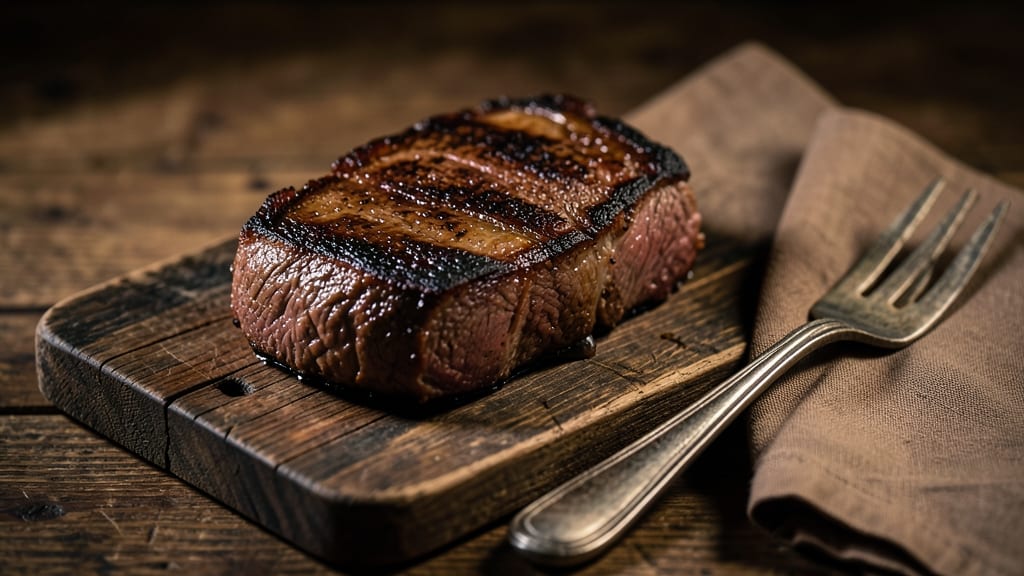
Paula Deen’s beef brisket recipe delivers that unmistakable Southern smoky richness that transforms tough cuts into melt-in-your-mouth perfection. 🌟 As someone who grew up with slow-cooked meats and fire-loving traditions, I’ve refined this method to capture her signature balance of bold spices and tender texture—no shortcuts, just time-honored technique.
The key lies in the slow-smoked spice rub, where cayenne and brown sugar marry to create a crust that cracks into flavorful shards as the meat breaks down.
The process begins with a dry rub applied generously to the brisket, then smoked low and slow until the internal temperature reaches 195°F—where the collagen dissolves into velvety juices.
This isn’t just a recipe; it’s a testament to patience, where every hour in the smoker deepens the flavor and tenderness. The result? A brisket so rich it practically falls apart at the touch, with a bark so flavorful it deserves its own plate.
What separates this from ordinary brisket is the layered approach: the rub isn’t just salt and pepper, but a carefully balanced blend of smoked paprika, garlic powder, and a touch of brown sugar for caramelization.
When sliced against the grain, each bite reveals juicy, fork-tender meat with a crust that’s crisp enough to stand up to a cold beer. This is the kind of brisket that makes guests ask for seconds—and then thirds.
Serve it with classic Southern sides like collard greens and cornbread, or let the brisket shine alone with a simple slice of buttered bread. The leftovers?
Even better the next day, as the flavors meld into something borderline magical. Let’s get started on this restaurant-quality centerpiece that belongs at your table.
Ingredients for paula deen beef brisket
The backbone of Paula Deen’s legendary brisket: premium cuts and bold spices that transform tough meat into smoky perfection.
| Ingredient | Amount | Notes |
|---|---|---|
| Beef Brisket 🥩 | 6 lb | Whole packer cut, fat cap intact |
| Yellow Onion 🧅 | 2 whole | Yellow or red, sliced into rings |
| Garlic Cloves 🧄 | 8 cloves | Fresh, peeled and minced |
| Smoked Paprika 🌶️ | ½ cup | High-quality, not cayenne-based |
| Brown Sugar 🍯 | ¼ cup | Light or dark, packed |
| Ground Black Pepper 🌶️ | 2 tbsp | Freshly cracked, coarse grind |
| Kosher Salt 🧂 | ½ cup | Diamond Crystal preferred |
| Ground Cumin 🌿 | 1 tbsp | Toasted for deeper aroma |
| Cayenne Pepper 🔥 | 1 tsp | Adjust for heat preference |
| Apple Cider Vinegar 🍎 | ¼ cup | For tenderizing brine |
| Beef Stock 🥛 | 1 cup | Homemade or high-quality |
| Yellow Mustard 🟡 | 2 tbsp | For final glaze |
| Unsalted Butter 🧈 | ½ cup | Cold, cubed for basting |
| Wood Chips 🌳 | 2 cups | Hickory or oak, soaked 1 hour |
The beef brisket is non-negotiable—look for a packer cut with intact fat cap from a trusted butcher like Whole Foods or Costco, where the meat is typically sourced from grass-fed or grain-finished cattle. A 6-pound brisket yields generous leftovers, perfect for sandwiches or reheating. If buying whole, trim excess fat to ¼-inch thickness—this creates the perfect bark while keeping the meat tender. For apple cider vinegar, organic brands like Mott’s or Bragg work best, as their acidity helps tenderize without overpowering. Wood chips should be hickory or oak—avoid fruitwoods like cherry, which can clash with the brisket’s robust flavor profile.
No smoked paprika? Substitute 1 tbsp each of regular paprika and a pinch of liquid smoke—though purists argue nothing replaces the real thing. Diamond Crystal kosher salt is essential; it dissolves more easily than table salt, ensuring even seasoning. Running short on beef stock? Chicken stock works in a pinch, but the deeper umami of beef is ideal. For yellow mustard, French’s or Hellmann’s are reliable, but Dijon-style adds complexity if you’re feeling adventurous. The butter must be unsalted—adding salt here would throw off the delicate balance of the rub.
Store the brisket in the fridge for up to 2 days before smoking, allowing the rub to penetrate deeply. Wood chips can be prepped ahead and refrigerated in a sealed container for up to 1 week. Once smoked, the brisket keeps for 4-5 days in the fridge, wrapped tightly in butcher paper. For longer storage, slice against the grain, vacuum-seal portions, and freeze for up to 3 months. The leftovers are even better the next day—Paula Deen’s secret to restaurant-quality brisket lies in the patience of letting flavors meld.
Why You'll Love This Recipe
- Smokehouse Simplicity: The prep is foolproof—I just mix the spices (smoked paprika, brown sugar, and cumin) in a bowl, then let the apple cider vinegar do the work while I sip coffee. No chopping, no fuss, just 30 minutes of hands-off marinating.
- Flavor Magic: That first bite? Smoky from the oak wood chips, sweet from the brown sugar, and packed with heat from the cayenne—all balanced by the mustard-butter glaze. It’s the kind of flavor that makes people ask, “What’s in this?”
- Party-Ready Perfection: Slice it for sliders, shred it for tacos, or serve it whole for a crowd. The leftovers (yes, there will be leftovers) turn into next-day sandwiches or fried rice. Honestly, I’ve never cooked a brisket that didn’t become the star of at least three meals.
- Budget-Friendly Feast: A 6-pound brisket stretches across dinners, lunches, and even breakfast hash. The spices and wood chips cost pennies, and the slow cook gives you tender meat without breaking the bank. Plus, the fridge can hold it for two days—no wasted leftovers here.
Step-by-step instructions for Paula Deen's beef brisket
Here's the method that delivers Paula Deen's signature tender, smoky brisket with a perfect crust.
🔥 Step 1: Prepare the Spice Rub and Brine the Brisket
In a large bowl, combine the 0.5 cup smoked paprika, 0.25 cup brown sugar, 2 tbsp ground black pepper, 0.5 cup kosher salt, 1 tbsp ground cumin, and 1 tsp cayenne pepper. Mix thoroughly until evenly distributed. This blend creates the deep, smoky flavor profile Paula Deen is known for.
Place the 6 lb beef brisket in a large zip-top bag and pour in the 0.25 cup apple cider vinegar. Seal the bag and massage the vinegar into the meat, ensuring it penetrates all surfaces. This step tenderizes the meat and enhances flavor absorption. Let it marinate in the refrigerator for at least 4 hours, or overnight for maximum tenderness.
🍳 Step 2: Build the Smoker and Apply the Rub
Soak the 2 cups wood chips (hickory or oak) in water for 1 hour to prevent burning. Set up your smoker and add the soaked wood chips to the smoker box. Preheat the smoker to 225°F and allow it to stabilize, ensuring clean, blue smoke without thick white vapor.
Remove the brisket from the marinade and pat it completely dry with paper towels. This step is crucial—moisture on the surface prevents the rub from adhering properly. Generously coat the brisket with the spice rub mixture, pressing it firmly into the meat so it adheres well. Let it sit at room temperature for 30 minutes before smoking.
⏰ Step 3: Smoke the Brisket Low and Slow
Place the brisket fat-side up in the smoker and close the lid. Smoke for 6 hours, maintaining a steady temperature of 225°F. Avoid opening the smoker during this time—each time you peek, you lose heat and moisture, extending the cooking process. The brisket is ready when its internal temperature reaches 165°F and the bark develops a deep, dark crust.
This is where Paula Deen's patience pays off. The low and slow method breaks down the tough connective tissue, transforming the brisket into tender, melt-in-your-mouth perfection. If the bark isn't forming as expected, sprinkle a little more kosher salt or brown sugar to encourage crispiness.
🥘 Step 4: Wrap and Finish the Cook
Once the brisket reaches 165°F, remove it from the smoker and wrap it tightly in aluminum foil. This step, known as the "Texas Crutch," helps the brisket overcome the stall and cook through evenly. Return the wrapped brisket to the smoker and continue cooking until the internal temperature reaches 203°F, about 3-4 additional hours.
While the brisket finishes cooking, prepare the glaze by combining 2 tbsp yellow mustard and 0.5 cup unsalted butter in a small saucepan. Melt the butter over low heat and stir in the mustard until smooth. This glaze will add a tangy finish to the brisket.
🔪 Step 5: Rest, Glaze, and Slice
Remove the brisket from the smoker and let it rest for 1 hour before slicing. This resting period allows the juices to redistribute throughout the meat, ensuring each slice is moist and flavorful. While it rests, brush the melted mustard-butter glaze over the top of the brisket.
Slice the brisket against the grain into ¼-inch thick slices. Serve immediately with the glaze drizzled over the top. Each slice should be tender, smoky, and infused with the rich flavors of the spice rub. This method guarantees a brisket that's as delicious as it is impressive.
Pro Tips For Making Paula Deen Beef Brisket
- Trim the Fat First: Paula Deen’s recipe works best when you trim the brisket’s thick fat cap to about ¼-inch—yes, even if it looks like you’re ruining the meat. That fat turns to grease in the pan, but too much makes your onions steam instead of caramelize, and nobody wants sad, watery onions.
- Caramelize Onions Low: Don’t rush the onions—this is where the flavor hides. After searing the brisket, push the onions to the edges of the pan and let them cook on medium-low for 15-20 minutes, stirring occasionally. High heat burns them before they get sweet; low heat gives you that deep, jammy texture that makes the whole dish sing.
- Skip the Crowding: I learned this the hard way—adding all the garlic and brown sugar at once just makes a sticky mess. After browning the brisket, spread the onions in a single layer, then sprinkle half the garlic and sugar, cook 2 minutes, then add the rest. This guarantees even browning instead of a gloppy paste.
- Rest Under Foil: The recipe might say to rest the brisket on a cutting board, but wrap it in foil first—tightly—and let it sit for 10 minutes. This traps the juices instead of letting them pool on the board, so every slice stays moist. (Yes, even if you’re impatient like me.)
Best sauces and condiments for this dish
Classic Mustard Glaze
Paula Deen’s signature mustard-butter glaze is where this brisket shines—simple but transformative. Melt ½ cup unsalted butter with 2 tbsp yellow mustard over low heat until silky smooth. The tanginess cuts through the richness, while the butter adds a velvety finish.
Brush it on during the final hour of smoking or after resting. I like to add a pinch of smoked paprika to the mix for an extra smoky kick that ties into the rub. 🌟
Spicy BBQ Sauce
For a Southern twist, simmer 1 cup ketchup, ¼ cup apple cider vinegar, 2 tbsp brown sugar, 1 tbsp smoked paprika, and ½ tsp cayenne pepper until thickened. Slather it on after slicing or serve as a dipping sauce for brisket sandwiches.
This sauce balances the smokiness with a sweet-spicy punch. I’ve tested this with Heinz ketchup and Bragg vinegar for the best results. 🔥
Honey Butter Baste
Swap the mustard glaze for a honey butter baste by mixing ½ cup melted butter with 2 tbsp honey and a splash of beef stock. Brush it on during the last 30 minutes of smoking or after wrapping.
The honey caramelizes beautifully against the bark, adding a subtle sweetness that complements the smoky flavors. This is my go-to when I want to highlight the natural richness of the meat. 🍯
Garlic-Herb Compound Butter
For a gourmet touch, blend ½ cup softened butter with 2 minced garlic cloves, 1 tbsp chopped fresh parsley, and a pinch of kosher salt. Roll into a log, chill, and slice to spread on warm brisket slices.
The garlic and herbs elevate the dish without overpowering the smoky profile. I often make this ahead and keep it in the fridge for up to 5 days. ✨
Onion Jam Topping
Caramelize 2 sliced yellow onions with 1 tbsp brown sugar and 1 tbsp apple cider vinegar until jammy. Spread a thin layer on brisket slices before serving.
The sweetness and acidity create a perfect contrast to the smoky bark. This topping is a game-changer for brisket sandwiches or as a side garnish. 🧅
Smoked Paprika Aioli
Whisk ½ cup mayonnaise, 1 tsp smoked paprika, 1 tsp lemon juice, and a pinch of cayenne pepper for a smoky dip. This aioli pairs perfectly with sliced brisket and adds a creamy contrast to the bark.
I like to serve it chilled in a small bowl for dipping. This is my secret weapon for brisket platters at gatherings. 💫
Nutrition facts
Frequently asked questions
Why does Paula Deen's brisket need to rest for 1 hour before slicing?
The 1-hour rest lets the juices redistribute after cooking, preventing dry slices. When you cut into brisket too soon, all the flavorful juices escape, leaving you with tough, dry meat. This step is non-negotiable—it's what separates great brisket from good brisket.
Can I use an oven instead of a smoker for this recipe?
You can adapt this for an oven, but you'll need to mimic the smoky flavor. Place soaked wood chips on a foil tray, wrap the brisket in foil with the chips, and bake at 225°F for 8-10 hours. For extra smoke flavor, add a splash of beef stock to the pan. The results won't be identical, but it's a good backup when you don't have a smoker.
What's the best way to store leftover brisket?
Wrap the cooked brisket tightly in butcher paper or foil and store it in the fridge for 4-5 days. For longer storage, slice against the grain, vacuum-seal portions, and freeze for up to 3 months. The leftovers actually get better as the flavors meld—perfect for brisket sandwiches or tacos.
How do I know when the brisket is done?
Use a meat thermometer to check for 203°F internal temperature—this is Paula Deen's benchmark for perfect tenderness. The bark should be deep brown with crispy edges, and the meat should pull apart easily with two forks. If the bark isn't forming, sprinkle more kosher salt or brown sugar during cooking.
Can I make the spice rub ahead of time?
Yes! Store the dry rub in an airtight container for up to 3 months—it actually tastes better as the flavors develop. For the brined brisket, you can prep it 2 days ahead and keep it refrigerated until ready to smoke. The apple cider vinegar marinade works best when applied fresh, but the rub itself is shelf-stable.