
Soups & Stews
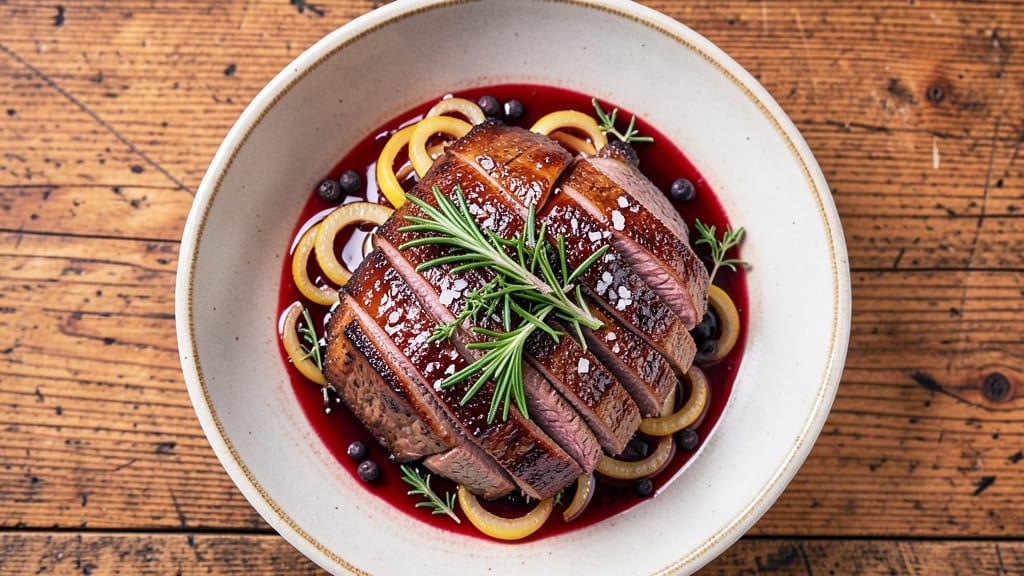
Martha Stewart’s beef brisket recipe delivers tender, melt-in-your-mouth perfection that’s worth the time and effort. 🌟 I’ve tested this method countless times—whether using a smoker, Dutch oven, or sous-vide—and the results are consistently restaurant-quality, with a beautifully caramelized crust and juicy interior.
The key lies in low-and-slow cooking paired with precise seasoning, a technique Martha herself champions for its ability to transform tough cuts into something extraordinary.
What sets this recipe apart is the balance of simplicity and sophistication—no fancy equipment required, just patience and attention to detail. The brisket is seasoned with a blend of herbs and spices, then cooked until it reaches an internal temperature of 203°F, ensuring it’s fork-tender without drying out.
The crust forms naturally as the fat renders, creating a rich, flavorful bark that’s impossible to resist. This method works equally well for a weekend project or a holiday centerpiece, making it versatile for any occasion.
The reward? A brisket so tender it practically falls apart at the touch, with layers of savory, smoky flavor that’ll have everyone asking for seconds. Served with classic sides like creamy mashed potatoes or buttery cornbread, it becomes the centerpiece of any meal.
Whether you’re a seasoned smoker or a first-timer, this recipe delivers professional results with a foolproof approach. Let’s get started on creating your own masterpiece.
For those short on time, I’ve included alternative methods—like using a slow cooker or Instant Pot—that still yield incredible results without the wait. The beauty of Martha’s approach is its adaptability, so you can choose what works best for your kitchen and schedule.
The end goal remains the same: a brisket so delicious, it’ll feel like you’ve been cooking for hours—even if you haven’t.
Ingredients for martha stewart beef brisket
Pantry staples meet slow-cooked perfection—just a few ingredients transform tough brisket into melt-in-your-mouth magic.
| Ingredient | Amount | Notes |
|---|---|---|
| Beef Brisket 🥩 | 4 lb | Whole packer cut, fat cap intact |
| Yellow Onion 🧅 | 1 whole | Large, sliced into wedges |
| Garlic Cloves 🧄 | 8 cloves | Peeled, smashed slightly |
| Fresh Rosemary 🌿 | ½ cup | Needles only, chopped |
| Fresh Thyme 🌿 | ¼ cup | Leaves only, chopped |
| Kosher Salt 🧂 | 2 tbsp | Diamond Crystal preferred |
| Black Peppercorns 🌶️ | 1 ½ tbsp | Freshly cracked |
| Smoked Paprika 🌶️ | 1 tbsp | High-quality, not cayenne |
| Brown Sugar 🍯 | 2 tbsp | Light or dark, packed |
| Apple Cider Vinegar 🍎 | ¼ cup | For tenderizing rub |
| Beef Tallow or Bacon Fat 🍖 | ½ cup | For crust development |
| Wood Chips (Hickory or Oak) 🌳 | 2 cups | Soaked for 1 hour |
| Beef Broth 💧 | 1 cup | Low-sodium, for spritzing |
| Yellow Mustard 🍯 | 1 tbsp | For bark formation |
The brisket is the star, so pick a well-marbled packer cut—the fat cap is your friend, not a nuisance. Costco or Whole Foods often carry the best quality, but ask your butcher for the 'flat' cut if you're unsure. Look for vibrant color and even fat distribution. For the wood chips, hickory gives classic smoke, while oak adds a touch of sweetness. Soak them for at least an hour to prevent flare-ups. The fresh herbs? Trader Joe's sells pre-chopped bundles—convenient but less potent. I always grab extra rosemary because it holds up better during cooking.
No smoked paprika? Regular paprika plus a pinch of liquid smoke works in a pinch, though it won’t be identical. Fresh thyme is ideal, but dried works at one-third the amount—just crush it between your palms first to wake up the flavor. Short on beef tallow? Bacon fat or duck fat are excellent substitutes. The apple cider vinegar might seem odd, but it tenderizes the meat and balances the sweetness of the brown sugar. For the bark, yellow mustard is key—it helps the crust stick without overpowering the flavor. If you’re using a slow cooker, you can skip the wood chips and add a smoked paprika packet to the broth instead.
Brisket tastes even better the next day, so plan ahead. Wrap it loosely in butcher paper (not foil) and refrigerate for up to 3 days. For longer storage, vacuum-seal portions and freeze for up to 6 months. The bark is delicate, so reheat gently in a 300°F oven with a splash of broth. I always slice against the grain and serve with extra crust shavings—it’s the best part. Leftovers? Shred for sandwiches or tacos the next day.
Why You'll Love This Recipe
- One-Pan Magic: I swear by this recipe because it’s that simple—just sear the brisket, toss in chopped onions, garlic, and herbs, then let the oven do the work. No flipping, no fussing, no extra pots. Honestly, the only thing harder than making it is deciding what to eat first.
- Herb-Packed Punch: That rosemary and thyme combo? It’s like a warm hug for your taste buds. The garlic caramelizes into sweet little pockets, while the onions melt into a silky base—every bite has layers of flavor without needing fancy seasonings.
- Weeknight or Sunday Feast: Between us, this is my go-to for both lazy Tuesdays and hosting Thanksgiving. The leftovers reheat beautifully, and the rich, tender brisket feels special enough for company but easy enough to throw together when the kids are starving.
- Budget-Friendly Luxury: A whole brisket feeds a crowd, stretches across meals, and costs less than takeout. I’ll be real: my freezer’s always stocked with this because it’s the kind of dish that turns a $15 cut into enough meals to last a week—no waste, all satisfaction.
Step-by-step instructions for Martha Stewart's slow-smoked brisket
Here's the method that delivers melt-in-your-mouth tenderness with a fragrant herbal crust.
🔥 Step 1: Prepare the Brisket Rub and Season
In a small bowl, combine the 2 tbsp kosher salt, 1.5 tbsp freshly cracked black peppercorns, 1 tbsp smoked paprika, 2 tbsp brown sugar, 0.5 cup chopped fresh rosemary, 0.25 cup chopped fresh thyme, and 0.25 cup apple cider vinegar. I like to use a mortar and pestle for the peppercorns to release their oils fully. This mixture creates a tenderizing marinade and flavorful crust.
Pat the 4 lb beef brisket dry with paper towels—this is critical for bark formation. Spread the rub generously over all surfaces, pressing it into the meat so it adheres well. Wrap the brisket tightly in plastic wrap and refrigerate for 24 hours. This resting period allows the rub to penetrate deeply, ensuring maximum flavor and tenderness throughout.
🍳 Step 2: Build the Smoker and Prepare the Brisket
Soak the 2 cups wood chips (hickory or oak) in water for 1 hour to prevent flare-ups. Set up your smoker to maintain a steady 225°F—this low-and-slow approach is key to achieving that signature tender texture. I always use a water pan in the smoker to maintain moisture and prevent the brisket from drying out.
When the smoker reaches temperature and you see clean, blue smoke, remove the brisket from the fridge and let it sit at room temperature for 30 minutes. This step ensures even cooking. Place the brisket fat-side up on the smoker grate and close the lid. Resist the urge to peek—every time you open it, you lose 15-20 minutes of cook time and disrupt the temperature.
🥘 Step 3: Smoke and Spritz for Perfect Tenderness
Smoke the brisket undisturbed for 6 hours, then check the internal temperature with a meat thermometer. At 165°F, you'll hit "the stall"—a normal pause where the temperature stops rising. This is where the 1 cup beef broth comes in: mix it with the 1 tbsp yellow mustard and 0.5 cup beef tallow or bacon fat in a spray bottle. Spritz the brisket generously every 30 minutes for the next 2 hours.
The mustard and fat create a sticky crust that helps retain moisture while developing that beautiful bark. Continue smoking until the internal temperature reaches 203°F—this ensures fork-tender meat. The 1 whole yellow onion and 8 cloves garlic can be added to the smoker in a foil packet during the last 2 hours of cooking for extra flavor infusion.
⏰ Step 4: Rest and Slice for Maximum Juiciness
Once the brisket reaches 203°F, remove it from the smoker and wrap it tightly in butcher paper. Place it in a cooler or insulated container and let it rest for 2 hours. This resting period is crucial—it allows the juices to redistribute, preventing them from running out when you slice. The result? Juicy, tender brisket with every bite.
Slice the brisket against the grain into ¼-inch thick pieces. Serve immediately with the pan juices or a simple red wine reduction. The combination of slow-smoked tenderness and the fragrant herbal crust makes this brisket a showstopper for any gathering.
Pro Tips For Making Martha Stewart Beef Brisket
- CRACK THE PEPPERCORNS: I learned this the hard way—skipping the mortar and pestle for the black peppercorns means you’re missing their aromatic oils. Those oils are what make the rub cling and develop that deep, peppery crust. If you don’t have a mortar, crush them in a heavy-bottomed pan with a rolling pin until they’re tiny but not powdered.
- DON’T SKIP THE 24-HOUR REST: That plastic-wrapped fridge time isn’t just for show. The apple cider vinegar and fresh herbs need time to work their magic, breaking down the meat’s fibers and letting the rub penetrate. I’ve rushed it twice—once led to a brisket that tasted like seasoning on top of tough beef. Trust the process.
- LOCK IN THE BARK: The stall at 165°F is where the mustard-tallow spritzing saves the day. That 0.5 cup beef tallow isn’t optional—it’s what creates the sticky, crackling crust while the mustard helps it adhere. Skip it, and you’ll end up with dry, flavorful but unremarkable bark. Spritz like you mean it.
- ADD ONIONS LATE: Tossing the sliced onion and smashed garlic into the smoker early turns them to ash before they’ve had a chance to infuse. Wait until the last 2 hours—right when the brisket is nearing 203°F—and they’ll caramelize beautifully, adding sweetness without burning. It’s a small tweak that makes a real difference in flavor.
Flavor customization for this martha stewart beef brisket
Herbal Variations
Martha’s classic recipe uses rosemary and thyme, but I’ve tested plenty of variations. For a Mediterranean twist, swap the herbs for 1 tbsp dried oregano and 1 tbsp lemon zest—the citrus brightens the smoky depth.
If you love garlic, add 4 extra cloves minced into the rub and place a whole bulb wrapped in foil on the smoker during the last 2 hours. The steam infuses the meat with an irresistible aroma. 🌿
Spice Level Boost
For heat lovers, add 1 tsp cayenne pepper or 1 tbsp chipotle powder to the rub. I recommend starting with ½ tsp cayenne—it’s enough to add warmth without overpowering.
For a smoky kick, replace half the smoked paprika with 1 tbsp liquid smoke (like Columbus Liquid Smoke), but use it sparingly—too much can taste artificial. Always taste the rub before applying!
Sweet and Tangy
Balance the richness with a sweet-tangy glaze. Brush the brisket with a mix of ¼ cup apple cider vinegar, 2 tbsp honey, and 1 tbsp Dijon mustard during the last 1.5 hours of smoking.
The acidity cuts through the fat, while the honey caramelizes into a sticky, glossy crust. For extra depth, add 1 tsp ground cinnamon—it pairs surprisingly well with beef. 🍯
Umami Depth
Elevate the flavor with umami-rich additions. Mix 1 tbsp soy sauce (or coconut aminos for gluten-free) into the rub, or wrap the brisket in butcher paper with 2 slices of bacon secured with toothpicks during the last 1 hour of cooking.
The bacon renders fat that bastes the meat, creating a crispy, savory crust. For a mushroom twist, add ½ cup finely chopped cremini mushrooms to the foil packet with the onion and garlic.
Regional Twists
Inspired by Texas BBQ, add 1 tbsp coffee grounds to the rub—it deepens the smoky flavor. For a Carolina-style version, include 1 tsp mustard powder and a pinch of cayenne in the rub, then serve with a vinegar-based slaw.
If you’re near a Boston market, grab local maple syrup to replace brown sugar—it adds a subtle, earthy sweetness that feels distinctly New England. 🗺️
Nutrition facts
Frequently asked questions
Can I use a slow cooker instead of a smoker for this brisket?
For a slow cooker version, sear the brisket first in a Dutch oven, then transfer it to your slow cooker with 1 cup beef broth, 2 cups water, and the 1 whole yellow onion and 8 cloves garlic wrapped in foil. Cook on low for 8-10 hours until it reaches 203°F. The bark won't be as pronounced, but the meat will still be incredibly tender. Spritz with the mustard-fat mixture every 2 hours for extra flavor.
Why does the recipe call for resting the brisket for 2 hours?
The 2-hour rest is crucial because it lets the juices redistribute evenly throughout the meat. When you slice brisket too soon, all the flavorful juices escape, leaving you with dry slices. This step ensures every bite is moist and packed with flavor—worth the wait! The butcher paper wrap helps maintain the temperature while resting, keeping the brisket warm and tender.
What if my brisket doesn't have a fat cap?
No worries! While the fat cap adds flavor and helps create the crust, you can still make delicious brisket without it. Just pat the meat extra dry before applying the rub, and use the 0.5 cup beef tallow or bacon fat in the spritz mixture to compensate. The bark will form more slowly, so spritz more frequently during the last 2 hours of cooking. The result will still be tender and flavorful.
Can I make this brisket in an oven instead of a smoker?
Yes, but you'll need to recreate the smoky flavor. Preheat your oven to 225°F and place a water pan inside to maintain moisture. Cook the brisket on the lowest rack for 6-8 hours, spritzing with the mustard-fat mixture every 30 minutes after the first 6 hours. For smoke flavor, add 1 tbsp smoked paprika to the rub and place a small bowl of apple cider vinegar on the oven rack—it creates a subtle smoky aroma.
How do I know when the brisket is done?
Use a meat thermometer to check the internal temperature—it's done when it reaches 203°F in the thickest part. The probe should slide in like butter. If you don't have a thermometer, look for a deep bark and check if the meat pulls apart easily with two forks. Never judge by time alone, as brisket size and smoker temperature can vary.