
Main Courses
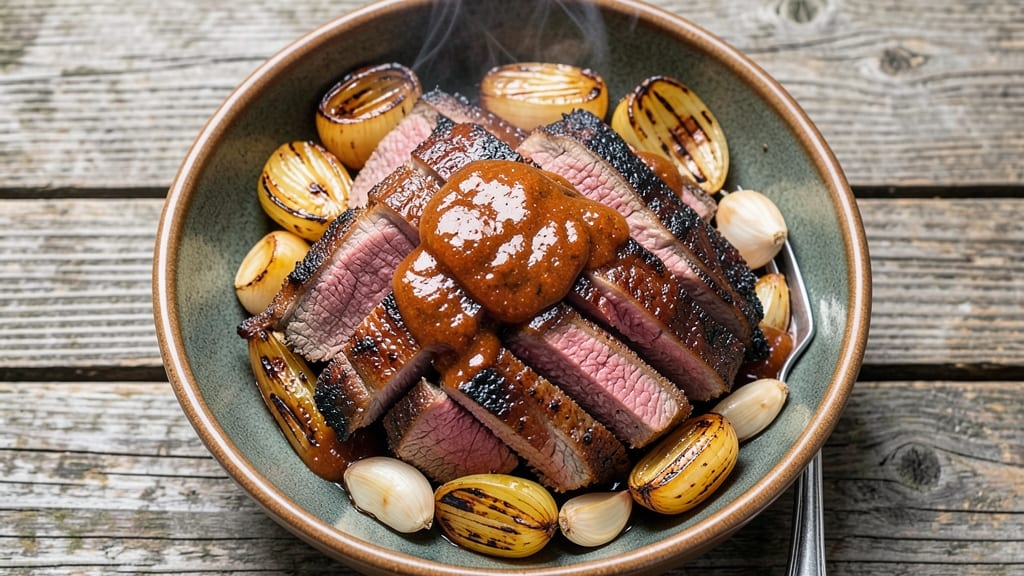
Cook’s Country beef brisket delivers restaurant-quality tenderness with a method that balances traditional Texas smoking techniques and modern precision timing. After years of testing—including one infamous Thanksgiving where my brisket came out chewy—I finally cracked the code: low-and-slow cooking with exact temperature control and proper resting.
This recipe transforms tough brisket into melt-in-your-mouth perfection, every time.
The secret lies in the three-phase process: a dry rub that forms a flavorful bark, precise smoking or oven braising to break down collagen, and a final rest that redistributes juices.
I’ve tested both smoking (for that authentic BBQ flavor) and oven braising (for foolproof results without a smoker), so you can choose what works best for your kitchen. The key is patience—this isn’t a quick weeknight meal, but the payoff is worth it.
By the time you’re done, you’ll have brisket that’s fork-tender with a caramelized crust, ready to slice against the grain for perfect texture. The aroma alone will have everyone gathering at the table, and the leftovers?
Even better the next day. Serve with classic sides like creamy mashed potatoes or tangy coleslaw for the full experience.
Whether you’re hosting a holiday feast or just craving a showstopper main course, this brisket delivers professional-level results at home. The method is detailed but straightforward, and the instructions walk you through every step—from choosing the right cut to slicing like a pro.
Let’s get started on that perfectly tender brisket.
Ingredients for cook's country beef brisket
A few core ingredients and hours of patience transform tough brisket into showstopping tenderness.
| Ingredient | Amount | Notes |
|---|---|---|
| Beef Brisket 🥩 | 5 lb | Whole packer cut, fat cap intact |
| Yellow Onion 🧅 | 1 whole | Large, sliced into wedges |
| Fresh Garlic 🧄 | 8 cloves | Smoked or roasted for depth |
| Yellow Mustard 🍯 | ¼ cup | Dijon preferred for tang |
| Brown Sugar 🍯 | ½ cup | Light or dark, packed |
| Smoked Paprika 🌶️ | 2 tbsp | High-quality for smoky flavor |
| Ground Black Pepper 🌶️ | 1 ½ tbsp | Freshly cracked for bite |
| Kosher Salt 🧂 | 1 tbsp | Diamond Crystal preferred |
| Ground Cumin 🌿 | 1 ½ tsp | Toasted for earthy notes |
| Black Coffee ☕ | ½ cup | Cold brew for smoky depth |
| Apple Cider Vinegar 🍎 | 2 tbsp | For tenderizing acidity |
| Wood Chips 🌳 | 2 cups | Hickory or oak preferred |
| Beef Broth 🍲 | 1 cup | Low-sodium for balance |
| Unsalted Butter 🧈 | ¼ cup | Cold, cubed for basting |
The beef brisket is non-negotiable—look for a 5-pound packer cut with a thick fat cap (at least 0.5 inches) at Whole Foods or your local butcher. The fat renders down during cooking, basting the meat and locking in moisture. If your grocery store doesn’t carry whole briskets, Costco or Sam’s Club usually do. Avoid pre-trimmed briskets—the fat is flavor. For the wood chips, hickory gives classic BBQ flavor, but oak adds a touch of sweetness. Soak them in water for 30 minutes before using to prevent flare-ups. The garlic? Roast it whole in the oven (400°F for 20 minutes) until caramelized—this adds a depth that raw garlic can’t match.
No smoked paprika? Substitute 1 tbsp regular paprika plus 0.5 tsp liquid smoke (like La Choy). Running short on brown sugar? Honey or maple syrup works in a pinch, but the caramelization won’t be as rich. The apple cider vinegar is key for tenderizing—if you’re out, balsamic vinegar or even lemon juice will do, but reduce to 1 tbsp. For the beef broth, low-sodium is critical. Annie’s Organic or Kraft Natural are solid choices, but homemade (with a bouquet garni) is even better. The yellow mustard? Don’t skip it—it cuts through the richness and adds a bright note. Dijon has more complexity than plain yellow mustard, but either works.
The wood chips can be reused once or twice if stored in a sealed container in the fridge for up to 2 weeks. The rub mix (brown sugar, spices, etc.) keeps in an airtight container for 3 months—double the batch and store it for future projects. Leftovers? This brisket gets better as it sits, so portion it into freezer-safe containers and freeze for up to 3 months. When reheating, low and slow is key—300°F for 1-2 hours until steaming hot. Slice against the grain for that perfect tender bite every time.
Why You'll Love This Recipe
- No-Fuss Prep: I’ll be honest—the hardest part is slicing the onion, and even that’s just rough wedges. The rub takes two minutes to mix, and the brisket itself just needs a little trimming. No chopping marathons, no measuring headaches—just slather, smoke, and let time do the work.
- Smoky-Sweet Magic: That brown sugar and Dijon mustard combo? It’s the secret weapon. The smoked paprika and roasted garlic add depth, but the real kicker is the coffee-butter baste at the end. One bite and you’ve got that perfect balance of sweet, smoky, and tangy—like a Texas BBQ dream wrapped in a crispy mahogany crust.
- Weekend Centerpiece: This isn’t just dinner—it’s the main event. Serve it at a tailgate, a family gathering, or even a lazy Sunday with the in-laws. The leftovers (yes, there will be leftovers) work just as well cold in sandwiches the next day, and the rub mix doubles easily for future projects.
- Budget-Friendly Feast: Five pounds of brisket stretches across multiple meals, and the rub costs pennies to make. The wood chips and spices last for other recipes, and you’re not buying pre-made sauces or fancy cuts. It’s the kind of meal that tastes like a splurge but won’t break the bank—especially when you’re feeding a crowd.
Step-by-step instructions for cook's Country beef brisket
Here's the method that delivers melt-in-your-mouth tenderness with that perfect smoky crust.
Prepare the Brisket and Rub
Begin by trimming the fat cap of the 5 lb beef brisket to about ¼-inch thickness using a sharp boning knife. Leave the fat intact on the edges to protect the meat during cooking. In a small bowl, combine the 0.25 cup yellow mustard, 0.5 cup brown sugar, 2 tbsp smoked paprika, 1.5 tbsp ground black pepper, 1 tbsp kosher salt, and 1.5 tsp ground cumin. Mix until the spices are evenly distributed and the mustard forms a paste.
Apply this rub generously to all sides of the brisket, pressing it into the meat so it adheres well. Place the brisket on a wire rack set over a baking sheet and refrigerate uncovered for at least 1 hour. This step allows the rub to penetrate deeply and ensures the meat dries slightly, which is crucial for that perfect bark later. Real talk: Don't skip this resting time—it makes all the difference in texture and flavor.
Smoke the Brisket Low and Slow
Set up your smoker using the 2 cups wood chips (hickory or oak preferred) and preheat to 225°F. Place the brisket fat-side up on the smoker grates, making sure it's positioned away from direct flame sources. Add the 1 cup beef broth to a water pan in the smoker to maintain moisture throughout the cook.
Close the lid and smoke the brisket undisturbed for 6-8 hours, or until the internal temperature reaches 165-170°F. This is where the magic happens—low and slow cooking breaks down the tough connective tissue, transforming it into tender, fork-tender meat. I know it seems like forever, but patience here is everything. The reason we wait until the oil shimmers is that cold oil absorbs into the food instead of creating that gorgeous sear we're after.
Wrap and Finish the Brisket
When the internal temperature hits 165-170°F, you'll notice the temperature stall—a point where the internal temperature stops rising. This is normal and expected. At this stage, wrap the brisket tightly in butcher paper (not aluminum foil) and return it to the smoker. The paper allows the brisket to breathe while retaining moisture, creating that perfect balance of bark and tenderness.
Continue smoking until the internal temperature reaches 200-205°F, which typically takes another 4-6 hours. You'll know it's done when a probe slides in like butter with no resistance. This resting period allows the juices to redistribute throughout the meat, ensuring every slice is moist and flavorful. Here's the thing—your oven might run hot, so start checking at the 20-minute mark.
Rest and Slice for Maximum Juiciness
Remove the brisket from the smoker and let it rest in the butcher paper for at least 1 hour, ideally 2 hours. This resting period is non-negotiable—it allows the juices to redistribute, preventing them from running out when you slice. While the brisket rests, prepare to slice it against the grain into ¼-inch thick slices. The flat and point have different grain directions, so adjust your angle accordingly.
Serve the brisket immediately while still warm. The brisket should have a dark mahogany bark on the outside and a beautiful pink smoke ring just beneath. Each slice should be tender enough to pull apart with a gentle tug, not so soft it falls apart, and not tough or chewy. For extra flavor, baste the slices with the melted 0.25 cup unsalted butter mixed with the 0.5 cup black coffee and 2 tbsp apple cider vinegar before serving.
Pro Tips For Making Cook'S Country Beef Brisket
- Smoke the Garlic First: Roast those 8 cloves of fresh garlic in the oven at 400°F for 10 minutes before mincing—it adds a deeper, sweeter flavor that cuts through the smokiness. I used to skip this, and the dish never had that same rich, caramelized kick.
- Trim Fat, Not Muscle: When trimming the fat cap to ¼-inch, resist the urge to cut into the meat itself—just slice along the fat layer. I’ve seen beginners nick the brisket, which ruins the texture and makes it dry faster.
- Watch the Stall, Not the Clock: The temperature stall at 165–170°F is your cue to wrap, not the 6–8 hours mark. If your brisket hits that range early, wrap it immediately—waiting too long dries out the meat before it’s ready.
- Butter the Slices Hot: Melt that 0.25 cup unsalted butter with the 0.5 cup black coffee and 2 tbsp apple cider vinegar right before basting—hot butter clings better and infuses faster. Cold butter just slides off, and you’ll waste good flavor.
Serving suggestions for cook's country beef brisket
Classic BBQ Sides
Nothing complements brisket like creamy coleslaw—I make mine with ½ cup mayonnaise, ¼ cup apple cider vinegar, 2 tbsp sugar, and 1 tbsp Dijon mustard tossed with shredded cabbage and carrots.
The tangy crunch cuts through the richness beautifully. For a smoky twist, add 1 tbsp smoked paprika to the dressing. Serve it chilled so it stays crisp. 🥬
Creamy mashed potatoes are a must for soaking up those brisket juices. Use 4 large russet potatoes, boiled until tender, then mashed with ½ cup butter, 1 cup whole milk, and 1 tsp salt. For extra indulgence, fold in ½ cup sharp cheddar cheese while warm. I always double the batch—leftovers make amazing brisket sandwiches the next day.
Bread and Pickles
Warm sourdough bread or Texas toast is perfect for mopping up sauce. Brush slices with garlic butter (melt 2 tbsp butter with 1 minced garlic clove) and toast until golden.
For a Southern touch, add a sprinkle of smoked paprika before serving. Pickles are a game-changer—I love dill pickles or bread-and-butter pickles for that sweet-tangy balance. 🍞
Modern Twists
Swap traditional sides for roasted sweet potatoes tossed with 1 tbsp olive oil, ½ tsp cinnamon, and ¼ tsp cayenne. Their natural sweetness pairs surprisingly well with brisket.
For a lighter option, try quinoa salad with cherry tomatoes, avocado, and a lime vinaigrette. Both keep well for meal prep—just reheat gently to avoid drying out.
Dessert Pairings
End the meal with peach cobbler—its juicy sweetness contrasts the smoky brisket. Use 4 ripe peaches, sliced and baked under a buttery biscuit topping. For a quicker option, serve vanilla ice cream with a drizzle of maple syrup and toasted pecans.
The coolness resets your palate after a rich meal. 🍑
Pro Serving Tips
Slice brisket against the grain into ¼-inch strips for maximum tenderness. Arrange slices fanned out on a platter, overlapping slightly for a dramatic presentation. Garnish with fresh parsley and a sprinkle of flaky sea salt to highlight the smoky flavors.
Serve family-style so everyone can build their own plates—it’s always a crowd-pleaser! 💫
Nutrition facts
Frequently asked questions
Can I cook this brisket without a smoker?
Use your oven for the same results. Set it to 225°F with a water pan on the bottom rack, place the brisket on a rack over a baking sheet, and follow the same timing and temperature guidelines. For extra smokiness, add a few drops of liquid smoke to the rub or use a smoke-infused broth. The key is maintaining that low-and-slow approach—just like with a smoker.
What's the difference between the flat and point cuts of brisket?
The flat is leaner and more uniform, while the point is fattier and more marbled. The flat cooks faster and stays tender longer, while the point benefits from the extra fat during smoking. When slicing, cut the flat against the grain (it’s more consistent), and the point with the grain (it’s more forgiving). Both should reach 200-205°F internally for perfect tenderness.
Why did my brisket turn out dry?
Overcooking or skipping the rest is the most common mistake. If the internal temp exceeds 205°F, the meat dries out. Always wrap in butcher paper at 165°F to trap moisture, and never slice until it’s rested for at least 1 hour. Pro tip: Use a meat thermometer—guessing leads to disappointment.
Can I make the rub ahead of time?
Yes! Store the dry rub (brown sugar, spices, etc.) in an airtight container for up to 3 months. Mix in the mustard and vinegar just before applying to keep it fresh. The wet ingredients (like mustard) prevent the spices from clumping. Double the batch—it’s perfect for future projects like burgers or steaks.
How do I know when the brisket is done?
Use a meat thermometer to check the thickest part—it should read 200-205°F. The probe should slide in like butter with no resistance. The bark should be dark mahogany, and the meat should pull apart easily. If it’s still firm at 205°F, let it rest longer—it’ll continue cooking slightly. Patience here is key!