
Main Courses
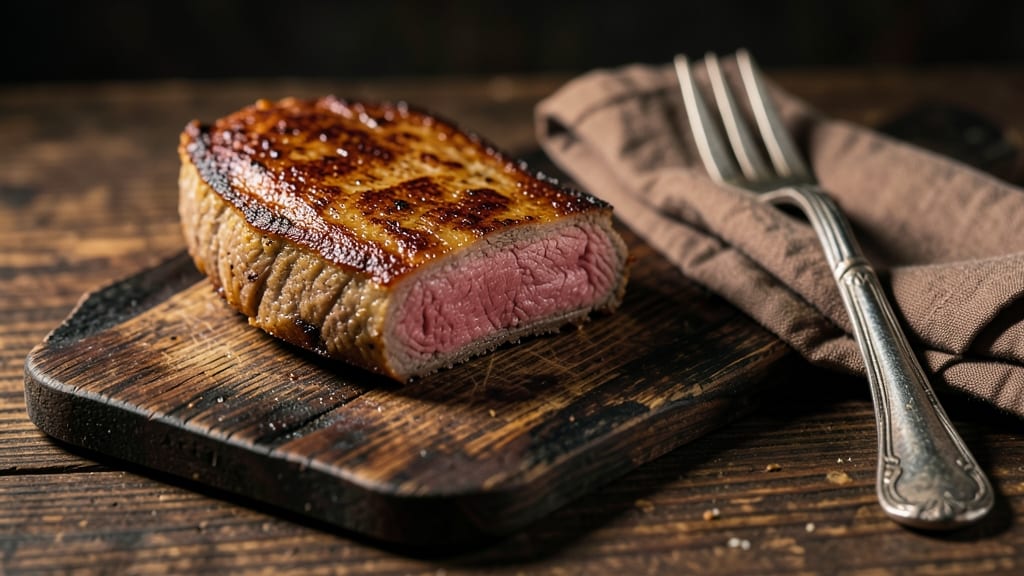
This Joanna Gaines beef tenderloin recipe delivers restaurant-quality results with a simple yet sophisticated herb-crusted exterior and an impossibly juicy core. The secret lies in her signature technique of combining fresh herbs with garlic butter to create a flavorful crust that seals in moisture while delivering bold, aromatic notes.
I've perfected this method over countless holiday dinners, ensuring every slice stays tender and flavorful from start to finish.
The beauty of this recipe is its balance between elegance and approachability—no fancy equipment required, just a roasting pan and precise timing. You'll work with a medium-sized tenderloin, seasoned generously with salt, pepper, and a blend of rosemary, thyme, and garlic that becomes the foundation for that signature herb crust.
The key to success is achieving a perfect internal temperature while maintaining that juicy center.
What you'll end up with is a beautifully browned, herb-encrusted beef tenderloin that slices effortlessly into perfectly tender, melt-in-your-mouth pieces. The aroma alone will transform your kitchen into a welcoming space, and every bite delivers that perfect harmony of savory herbs and rich beef flavor.
This is the kind of dish that makes hosting feel effortless while delivering professional-quality results.
Pair it with classic sides like roasted potatoes, garlic green beans, or a fresh salad to complete the meal. The recipe scales beautifully for gatherings, and leftovers reheat perfectly for sandwiches the next day. Here's how to achieve Joanna Gaines' signature beef tenderloin every time.
Ingredients for joanna gaines beef tenderloin
A medium-sized tenderloin, aromatic herbs, and precise seasoning create Joanna Gaines' signature restaurant-quality dish.
| Ingredient | Amount | Notes |
|---|---|---|
| Beef Tenderloin 🥩 | 4 lb | Center-cut, trimmed of silver skin |
| Unsalted Butter 🧈 | ½ cup | Cold, cut into 1-inch cubes |
| Fresh Rosemary 🌿 | ¼ cup | Finely chopped, stems removed |
| Fresh Thyme 🌿 | ¼ cup | Leaves only, finely chopped |
| Garlic Cloves 🧄 | 8 cloves | Minced, skin-on for maximum flavor |
| Diamond Crystal Kosher Salt 🧂 | 2 tbsp | Coarse grain for even seasoning |
| Freshly Ground Black Pepper 🌶️ | 1 tbsp | Cracked, not powdered |
| Extra-Virgin Olive Oil 🫒 | 2 tbsp | For brushing and searing |
| Fresh Parsley 🌿 | ⅛ cup | Chopped, for garnish |
| Red Wine Vinegar 🍷 | 1 tbsp | For pan deglazing |
| Beef Stock 🍲 | ½ cup | Homemade or high-quality store-bought |
| All-Purpose Flour 🌾 | 2 tbsp | For dredging tenderloin |
The beef tenderloin is the star—opt for a 4-pound center-cut piece from a trusted butcher like Snake River Farms or your local high-end grocer. Look for rich marbling and a vibrant pink color—this ensures maximum tenderness. The fresh herbs (rosemary, thyme, parsley) should be bright green and fragrant—avoid wilted stems. For the garlic, use skin-on cloves for deeper flavor. Diamond Crystal kosher salt is preferred for its coarse texture, which adheres better to the meat. If unavailable, use Morton's but adjust measurements slightly—it's finer and can over-salt if used 1:1. The unsalted butter should be cold when cubed to create a flavorful crust without melting prematurely.
No fresh rosemary? Dried rosemary works at one-third the amount, but the flavor will be less vibrant. Substitute thyme with oregano if needed, though the aroma won't be identical. For the garlic, garlic powder at half the amount is acceptable, but fresh is non-negotiable for that signature Joanna Gaines depth. If you lack red wine vinegar, balsamic vinegar or lemon juice will work, though the tang will differ slightly. The beef stock can be swapped for chicken stock in a pinch, but the richness will be less pronounced. For the olive oil, avocado oil has a higher smoke point, making it ideal for searing. All-purpose flour can be omitted entirely if you prefer a crust-free tenderloin, though it adds a subtle texture contrast.
This tenderloin reheats beautifully—slice against the grain and warm in a 350°F oven for 10-15 minutes with a splash of beef stock to maintain moisture. Store leftovers in an airtight container for up to 4 days in the fridge or freeze for 3 months in vacuum-sealed bags. For holiday prep, trim and season the tenderloin 1 day ahead, then refrigerate uncovered to dry-brine. The herb butter mixture can be prepped 2 hours ahead and stored in the fridge until ready to use. Garnish with fresh parsley just before serving to preserve its vibrant color.
Why You'll Love This Recipe
- Crust That Sticks: The herb butter mixture—with that cold, pea-sized butter and finely chopped rosemary and thyme—actually stays put. No crumbling when you flip, no flaking off in the oven. That’s the magic of the flour binder, and honestly? It’s the difference between a fancy dinner and a "I’ll just order pizza" moment.
- Sauce in Minutes: That pan sauce is where the recipe shines. Deglaze with red wine vinegar, reduce the beef stock, and suddenly you’ve got a rich, tangy sauce that takes zero effort. I’ve made beef tenderloin before where the sauce was sad—this one’s always bold, never boring.
- Holiday Prep Hack: Between us? This is my secret weapon for Thanksgiving. Trim and season the tenderloin the day before, let it dry-brine uncovered, and you’re already ahead. No last-minute stress, just a showstopper that looks like you’ve been cooking for hours.
- Leftovers That Don’t Suck: Store the slices in the fridge for up to 4 days, and they’re still juicy, not dry. Freeze them for 3 months if you’re feeling fancy, but honestly? I’d rather reheat them gently in a skillet with a splash of beef stock—turns them into the best sandwich meat you’ve ever had.
Step-by-step instructions for Joanna Gaines' herb-crusted beef tenderloin
Transforming a simple beef tenderloin into a showstopping centerpiece requires precision—here's how to achieve Joanna Gaines' signature balance of crust and juicy perfection.
Prepare the Herb Crust Mixture
In a food processor, combine the 0.5 cup unsalted butter, 0.25 cup fresh rosemary, 0.25 cup fresh thyme, 8 cloves garlic cloves, 2 tbsp diamond crystal kosher salt, and 1 tbsp freshly ground black pepper. Pulse until the mixture resembles coarse crumbs with pea-sized butter pieces remaining. This texture ensures maximum adhesion to the meat while allowing the herbs to infuse deeply.
Transfer the herb mixture to a bowl and fold in the 2 tbsp all-purpose flour, creating a thick paste. The flour acts as a binder, helping the crust cling during searing. Spread this mixture evenly over the beef tenderloin, pressing firmly so it adheres completely. Cover and refrigerate for at least 30 minutes—this chilling step is critical for developing a stable crust that won't crumble when seared.
Sear the Tenderloin for Maximum Flavor
Preheat your oven to 425°F. Heat a heavy oven-safe skillet over medium-high heat and add 2 tbsp extra-virgin olive oil. Once shimmering, carefully place the herb-crusted beef tenderloin in the pan, pressing down gently to ensure full contact with the hot surface. Sear for 8-10 minutes on each side until the crust develops a deep golden-brown color and the internal temperature reaches 140°F—this preliminary sear locks in juices while building flavor.
Real talk: Don't rush this step. You'll see the edges start to crisp—that's your signal to flip. If the crust begins to burn before reaching 140°F, reduce heat slightly but maintain contact with the pan. The goal is even browning without charring. Once seared, transfer the skillet to the preheated oven.
Roast to Perfect Medium-Rare
Roast the beef tenderloin for 20-25 minutes until the internal temperature reaches 130°F for medium-rare—this ensures a juicy core while maintaining a firm exterior. Your oven might run hot, so start checking at the 20-minute mark using a meat thermometer inserted into the thickest part of the tenderloin (avoid touching bone). The crust should be deeply caramelized with visible cracks, indicating proper moisture evaporation.
Remove the tenderloin from the oven and tent loosely with aluminum foil. Let it rest for 15 minutes before slicing—this resting period allows juices to redistribute, preventing them from pooling on your cutting board. The internal temperature will rise 5-10°F during this time, so plan accordingly. If you're serving immediately, proceed to the next step while the beef rests.
Create the Pan Sauce
Return the skillet to the stovetop over medium heat and add 1 tbsp red wine vinegar, scraping up all the browned bits from the bottom with a wooden spoon. This deglazing step captures all the concentrated flavors that would otherwise be lost. After 2 minutes, pour in the 0.5 cup beef stock and bring to a gentle simmer, allowing it to reduce by half—this should take about 3-4 minutes—until it coats the back of a spoon.
Taste and adjust seasoning with additional diamond crystal kosher salt if needed. The sauce should be rich, slightly tangy from the vinegar, and perfectly balanced. Remove from heat and stir in the 0.125 cup fresh parsley, reserving some for garnish. This herb adds a fresh contrast to the deep, savory sauce.
Slice and Serve with Elegance
Slice the beef tenderloin into 1-inch thick medallions against the grain for maximum tenderness. Arrange the slices on a warmed platter, fanning them slightly to showcase their beautiful crust. Drizzle each portion generously with the pan sauce, allowing it to pool attractively on the plate. Garnish with the reserved fresh parsley for a pop of color and brightness.
Serve immediately with complementary sides like roasted vegetables or a crisp white wine. Each bite should deliver a perfect marriage of crisp herb crust and melt-in-your-mouth tenderness—exactly what Joanna Gaines would serve at a special dinner. The key to success lies in the precise timing of searing, roasting, and resting, ensuring every element comes together flawlessly.
Pro Tips For Making Joanna Gaines Beef Tenderloin
- Press That Crust Hard: The herb-butter paste won’t stick worth a damn if you just slap it on. I used to think "evenly spread" meant a light dusting—wrong. Press that mixture into the tenderloin like you’re sealing a jar lid, especially around the edges where it’ll lift first. After burning my first batch when the crust peeled off during searing, I learned to treat it like you’re caulking a window.
- Don’t Skip the Cold Butter: The recipe calls for cold butter cubes, and yes, it’s annoying to chop them right before. But if you use softened butter, that crust will melt into a greasy paste before you even get to the oven. Keep those cubes in the freezer until you’re ready to pulse them—trust me, the extra 10 minutes of prep saves you from a sad, greasy mess.
- Watch the Vinegar Timing: That 1 tablespoon of red wine vinegar isn’t just for flavor—it’s the secret to a glossy, balanced sauce. Add it too early when deglazing, and you’ll steam the fond right off the pan. Splash it in after 2 minutes of scraping, let it bubble for 30 seconds, then add the stock. Any longer, and you’re just making a thin, tangy broth instead of a rich reduction.
- Rest It Like Your Life Depends On It: I know, you’re starving and the meat looks perfect. But slicing that tenderloin early is like cutting a cake before it’s set—juices will pool on your plate instead of inside the meat. Tent it with foil and walk away for those 15 minutes. The crust will stay intact, the slices will hold together, and your guests won’t notice the difference between "perfect" and "meh." (Yes, even if you’re impatient like me.)
Flavor customization for these flavors
Herb Variations
Swap out the rosemary and thyme for 1 tbsp each of fresh sage and marjoram for a more Mediterranean twist. These herbs add a subtle sweetness that pairs beautifully with the beef's richness.
I've found that 1 tbsp dried sage works in a pinch, but fresh delivers that signature Joanna Gaines aroma. 🌿
For a Southern-inspired variation, add 1 tbsp chopped fresh oregano and ½ tsp smoked paprika to the herb crust. The paprika gives a subtle smokiness that enhances the beef's natural depth. This combo feels like a warm hug in every bite.
Spice Infusions
Add ½ tsp ground coriander and ¼ tsp cinnamon to the herb butter mixture for a Moroccan-inspired flavor profile. The warmth of the spices complements the beef's tenderness beautifully. I like to toast the spices in the butter for 1 minute before mixing to deepen their aroma.
For a Cajun kick, mix 1 tsp Cajun seasoning (like Tony Chachere's) into the herb crust. This adds heat and complexity without overpowering the beef's natural flavor. Serve with a cooling side salad to balance the spice.
Cheese Enhancements
Fold ½ cup grated Gruyère cheese into the herb butter mixture for a Swiss-inspired twist. The nutty cheese adds depth and melts beautifully during roasting. I recommend using pre-shredded Gruyère for even distribution.
For a creamy finish, sprinkle ¼ cup crumbled blue cheese over the tenderloin after roasting. The tangy contrast elevates the dish to restaurant-quality. Pair with a honey drizzle for a sweet-savory balance.
Citrus Brightness
Zest 1 lemon and add it to the herb butter mixture for a bright, citrusy note. The acidity cuts through the richness of the beef beautifully. I also like to add 1 tbsp lemon juice to the pan sauce for extra zing.
For a tropical twist, add 1 tsp lime zest and ½ tsp ground ginger to the herb crust. This combo feels fresh and unexpected. Garnish with cilantro instead of parsley for a vibrant finish.
Umami Boosters
Add 1 tbsp soy sauce or 1 tsp fish sauce to the herb butter mixture for an Asian-inspired umami depth. The savory notes enhance the beef's natural richness. This works especially well with the Gruyère cheese variation.
For a mushroom lovers' version, finely chop ½ cup cremini mushrooms and mix them into the herb crust. The earthy flavor adds another layer of complexity. Sauté the mushrooms first to remove excess moisture before mixing.
Nutrition facts
Frequently asked questions
Can I use a smaller or larger beef tenderloin than 4 pounds?
Yes, but adjust cooking times accordingly. For every additional pound, add 10-15 minutes to the roasting time. A 3-pound tenderloin would cook faster—check at 15 minutes instead of 20-25 minutes. Always use a meat thermometer to confirm 130°F for medium-rare.
Why does the recipe call for refrigerating the herb crust for 30 minutes?
The chilling step is crucial! It helps the butter firm up and the flour binder set, preventing the crust from sliding off during searing. If short on time, refrigerate for 20 minutes, but don't skip this step—it's what creates that signature Joanna Gaines texture.
What if my oven runs hot or cold?
Oven temperatures vary! If your oven runs hot, reduce the roasting time by 2-3 minutes and check frequently. For a cold oven, add 5 minutes to the roasting time. The key is hitting 130°F internal temp—always trust your thermometer over time.
Can I make the herb crust ahead of time?
The herb butter mixture can be prepped 2 hours ahead and stored in the fridge. For the 4-pound tenderloin, season it 1 day ahead and refrigerate uncovered to dry-brine. Just add the crust right before searing for maximum freshness.
What's the best way to reheat leftovers?
Slice against the grain and warm in a 350°F oven for 10-15 minutes with a splash of beef stock to keep it moist. For sandwiches, gently warm slices in a pan with a little butter—never microwave, as it makes the meat tough.