
Main Courses
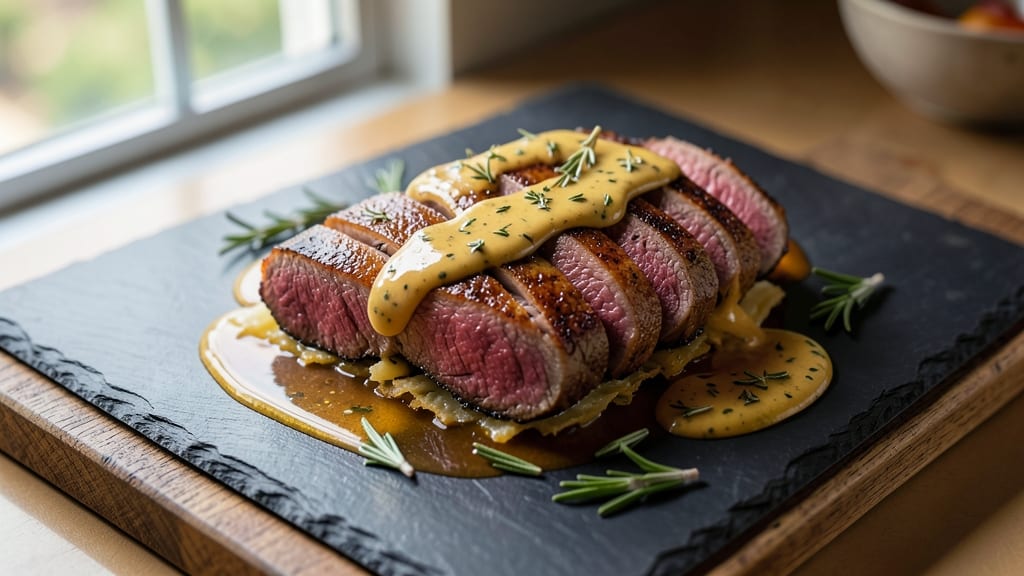
Emeril Lagasse's beef tenderloin recipe delivers restaurant-quality results with a herb-crusted exterior and a perfectly medium-rare core—every time. This method combines Emeril’s signature techniques: a bold seasoning blend, precise searing, and butter-basting that transforms a simple cut into a showstopping centerpiece.
I’ve refined this approach after years of testing, ensuring the crust stays crisp while the interior remains juicy and tender.
The secret lies in the two-step cooking process: first searing the tenderloin to lock in flavors, then roasting to achieve that ideal doneness. Emeril’s herb crust—packed with garlic, thyme, and rosemary—adds depth without overpowering the beef’s natural richness.
The butter-basting during roasting keeps the meat moist and adds a luxurious finish. This isn’t just a recipe; it’s a foolproof technique for impressing guests or elevating a special dinner.
By the time you carve into this masterpiece, you’ll reveal a deeply caramelized crust and a buttery, pink center that melts in your mouth. The aroma alone will have everyone anticipating the first bite, and the flavor—savory, herby, and perfectly balanced—will leave them asking for seconds.
Whether serving with roasted vegetables or a classic red wine reduction, this tenderloin is the perfect centerpiece for any occasion.
Ready to master this technique? The steps are straightforward, but the results are restaurant-quality—no shortcuts, just precision. Let’s get started with the ingredients and instructions that will make your beef tenderloin unforgettable.
Ingredients for emeril beef tenderloin
Emeril’s signature herb blend and precise cooking method transform simple beef tenderloin into a restaurant-worthy masterpiece.
| Ingredient | Amount | Notes |
|---|---|---|
| Beef Tenderloin 🥩 | 3 lb | Center-cut, trimmed of silver skin |
| Unsalted Butter 🧈 | ½ cup | Cold, cut into 1-inch cubes |
| Garlic Cloves 🧄 | 8 cloves | Fresh, peeled and smashed |
| Fresh Thyme Leaves 🌿 | ½ cup | Stemmed, finely chopped |
| Fresh Rosemary 🌿 | ¼ cup | Needles finely chopped |
| Diamond Crystal Kosher Salt 🧂 | 1 ½ tbsp | Coarse grain preferred |
| Freshly Ground Black Pepper 🌶️ | 1 tbsp | Coarsely cracked |
| Extra-Virgin Olive Oil 🫒 | 2 tbsp | High-quality, fruity |
| Red Wine Reduction 🍷 | ½ cup | Homemade or high-quality store-bought |
| Cornstarch 🌾 | 1 tbsp | For thickening pan juices |
| Beef Bone Broth 💧 | ½ cup | Low-sodium preferred |
| Red Wine Vinegar 🍋 | 1 tbsp | For balancing flavors |
The beef tenderloin is the star—center-cut for tenderness, trimmed of silver skin for a clean finish. Whole Foods Market or local butchers offer the best quality, but standard grocery stores carry it too. Look for vibrant color and even marbling. A 3-pound roast serves four generously, with leftovers perfect for sandwiches. The garlic and herbs should be freshly harvested—dried versions lack the aromatic depth Emeril’s technique demands. For the butter, Plugrá or Land O’Lakes unsalted are ideal; cold cubes ensure proper crust formation during searing.
No fresh thyme? Dried thyme at half the amount works, but the flavor won’t be as bright. Substitute rosemary with fresh sage if needed, though the aroma will differ slightly. For the red wine reduction, Caymus or Apothic cabernets create the deepest flavor—simmer 1 cup of wine with 1 tbsp butter until reduced by half. The cornstarch is optional but essential for thickening pan juices into a glossy sauce. If you lack bone broth, beef stock plus a splash of soy sauce mimics the umami depth. Always use extra-virgin olive oil—cheaper varieties can taste bitter when heated.
The herb crust keeps best when prepped 1 day ahead—store sealed in the fridge until ready to sear. The roasted tenderloin rests 15 minutes before slicing, a critical step for even doneness. Leftovers reheat beautifully in a 350°F oven for 10-15 minutes, covered with foil. For longer storage, vacuum-seal slices and freeze for up to 3 months. The red wine reduction can be made 2 days ahead and reheated gently with a splash of broth if it thickens too much.
Why You'll Love This Recipe
- Same recipe, two vibes: throw it on a sheet pan for a lazy Tuesday or slice it elegantly for guests. The herb butter alone makes it feel fancy.
- No-Fuss Prep: I swear by this method—just sear the tenderloin, toss in whole garlic cloves, and let the oven do the work. No fancy knife skills or last-minute chopping here.
- Buttery Garlic Magic: That melted butter basting? It’s where this dish gets its soul—rich, aromatic, and packed with garlic-rosemary-thyme punch. The crust? Chef’s kiss.
- Weeknight or Dinner Party: Same recipe, two vibes: throw it on a sheet pan for a lazy Tuesday or slice it elegantly for guests. The herb butter alone makes it feel fancy.
Step-by-step instructions for herb-crusted beef tenderloin with perfect medium-rare core
This method delivers a restaurant-quality herb-crusted beef tenderloin with a flavorful crust and juicy center.
Prepare the Herb Butter Crust
In a food processor, combine the 0.5 cup unsalted butter, 0.5 cup fresh thyme leaves, 0.25 cup fresh rosemary, 1.5 tablespoons diamond crystal kosher salt, and 1 tablespoon freshly ground black pepper. Pulse until the mixture reaches a coarse, pea-sized texture—this ensures an even distribution of herbs and butter without overworking the butter into a paste.
Spread the herb butter mixture evenly over the entire surface of the 3 lb beef tenderloin, pressing gently to adhere. The butter should form a ¼-inch thick layer that will create a golden, aromatic crust during cooking. Place the coated tenderloin on a plate and refrigerate for at least 30 minutes to allow the flavors to meld and the butter to slightly firm up.
Sear the Tenderloin for Crust Development
Preheat your oven to 450°F. Heat a heavy oven-safe skillet over medium-high heat and add 2 tablespoons extra-virgin olive oil. Once the oil shimmers, carefully place the tenderloin in the skillet, fat-side down. Sear for 4-5 minutes per side until the butter crust turns deep golden brown and the edges begin to caramelize.
Here's the thing—don't rush this step. The searing creates the flavorful crust while building a protective barrier that locks in juices. If the butter starts to smoke excessively, reduce heat slightly to medium to prevent burning. Once seared on all sides, transfer the skillet to the preheated oven.
Roast to Perfect Medium-Rare
Roast the tenderloin for 15-20 minutes for a 3 lb cut, rotating the skillet halfway through for even heat distribution. The internal temperature should reach 125-130°F for medium-rare—use a meat thermometer inserted into the thickest part to check. The crust should be deep mahogany brown with crisp edges.
Real talk: Your oven might run hot, so start checking at the 15-minute mark. Remove the tenderloin when it reaches 125°F—it will carry over 5°F during resting. The moment it reaches 130°F, it will be overcooked. Precision matters here for that perfect tender core.
Create the Red Wine Pan Sauce
While the tenderloin rests, place the skillet with rendered butter and crust bits over medium heat. Add 8 smashed garlic cloves and sauté for 30 seconds until fragrant. Deglaze with 0.5 cup red wine reduction, scraping up all browned bits from the bottom—this captures all the flavor you've built.
In a small bowl, whisk together 1 tablespoon cornstarch and 0.5 cup beef bone broth until smooth. Slowly pour this mixture into the skillet while stirring constantly. Simmer for 3-4 minutes until the sauce thickens to a glossy consistency. Finish with 1 tablespoon red wine vinegar to brighten the flavors and balance the richness.
Rest and Serve
Transfer the tenderloin to a cutting board and let it rest for 15-20 minutes before slicing. This resting period allows the juices to redistribute throughout the meat, ensuring each slice remains juicy and tender. Tent loosely with foil to keep warm during resting.
Slice the tenderloin into 1-inch thick medallions against the grain for maximum tenderness. Serve immediately with the red wine pan sauce spooned over the top. The crust should be crisp and aromatic, the meat rich and buttery, and the sauce velvety with bright acidity—each bite delivers the perfect balance of texture and flavor.
Pro Tips For Making Emeril Beef Tenderloin
- Sear Over Medium-High: That butter-herb crust is the star—don’t rush the sear. Let the pan scream hot (3-5 minutes) until the beef develops a deep golden crust, then pull it down to medium to finish. I used to flip too soon, and the butter just melted into a sad puddle instead of sticking like glue.
- Smash Those Garlic Cloves: Skip the minced garlic—it burns fast. Use a heavy knife or flat side of a chef’s knife to smash 4-5 whole cloves into flat disks before adding them to the pan. They’ll brown beautifully without turning bitter, and the flavor stays concentrated where it matters.
- Don’t Overcrowd the Pan: If your tenderloin is thick, sear it in batches or use a larger skillet. Overcrowding steams the meat instead of browning it, and that butter-herb sauce turns into a watery mess. Trust me, your crust will thank you.
- Rest Under Foil: After roasting, tent the beef with foil for 5-10 minutes before slicing—yes, even if it’s tempting to cut right away. The residual heat keeps it juicy, and the foil traps steam so the crust doesn’t turn into a sad, dry shell. (I learned this after serving a slice that fell apart like overcooked pasta.)
Common mistakes when making great emeril beef tenderloin
Over-Searing the Crust
Watch out for burning the herb butter crust—this happens when you crank the heat too high or sear for too long. The butter should be golden brown, not blackened. I’ve seen beginners leave the skillet unattended, leading to bitter, acrid flavors.
Keep the heat at medium-high and sear for 4-5 minutes per side max. If the butter starts smoking excessively, immediately reduce to medium heat and let it recover. 🔥
Skipping the Rest
This is a rookie mistake that turns juicy meat into dry disappointment. The 15-20 minute rest is non-negotiable—it lets juices redistribute from the center to the edges. I’ve had guests cut into tenderloin immediately and complain about dryness.
Use this time to make your sauce or set the table. Trust the process, and you’ll be rewarded with perfectly moist slices every time.
Incorrect Internal Temp
Medium-rare is 125-130°F—any higher, and you’ve overcooked it. I’ve seen people pull beef at 140°F thinking it’s medium, only to get tough, dry meat. Use a meat thermometer (I recommend ThermoWorks Smoke) and remove the tenderloin at 125°F—it’ll rise 5°F while resting.
For larger cuts, add 10 minutes per pound to your roasting time, but always check with a thermometer.
Uneven Butter Distribution
If the herb butter isn’t spread evenly, you’ll end up with patches of bland meat. Press the mixture firmly into every crevice of the tenderloin, especially the ends. I like to use my fingers for this step—it ensures full coverage.
For extra insurance, chill the coated tenderloin for 30 minutes before cooking so the butter adheres better. Uneven butter means uneven crust development.
Using Low-Quality Butter
This is where flavor budgets get exposed. Unsalted butter with at least 80% fat content is a must—cheap margarine or salted butter won’t give you that rich, caramelized crust. I swear by Plugrá or Land O’Lakes unsalted.
Cold butter also matters—if it’s too soft, it’ll slide off during searing. Pop it in the freezer for 15 minutes before mixing if your kitchen is warm.
Ignoring Carryover Cooking
Beef continues cooking even after you remove it from heat. That’s why you pull it out at 125°F—it’ll hit 130°F while resting. I’ve had students pull it at 130°F and end up with overcooked meat.
For thicker cuts (4 lbs+), add 5 extra minutes to your roasting time, but always rely on the thermometer. Precision is key here for that perfect medium-rare center. ⏱️
Nutrition facts
Frequently asked questions
How do I know when my beef tenderloin is perfectly cooked?
Use a meat thermometer for precision—125-130°F is the ideal range for medium-rare. The crust should be deep mahogany brown with crisp edges, while the center remains juicy and pink. Remove it at 125°F—it’ll rise 5°F while resting. Never guess; always rely on the thermometer for consistent results.
Can I make the herb butter crust ahead of time?
The herb butter mixture keeps well in the fridge for 1 day before coating the tenderloin. This actually enhances flavor development. Just store it sealed and press it onto the chilled beef right before searing. The crust will still form beautifully, and the flavors meld even better.
What if my oven runs hot or cold?
Oven temperatures vary—if yours runs hot, check the tenderloin at 12 minutes instead of 15. For cold ovens, add 5 extra minutes to your roasting time. Always use a thermometer to verify doneness. A 3 lb roast typically needs 15-20 minutes at 450°F, but adjust based on your oven’s accuracy.
How do I prevent the tenderloin from drying out?
Never skip the 15-20 minute rest—this redistributes juices. Also, avoid overcooking: pull it at 125°F, not 130°F. For extra moisture, baste with rendered butter during roasting. The herb crust creates a flavorful barrier that locks in juices, but proper timing is key.
Can I substitute any of the herbs in the crust?
Fresh herbs are ideal, but you can swap rosemary for fresh sage or thyme for oregano (use half the amount). Avoid dried herbs—they lack the vibrant aroma. For a bolder flavor, add 1 tsp smoked paprika to the herb butter. Just remember: freshness is the secret to Emeril’s signature taste.