
Main Courses
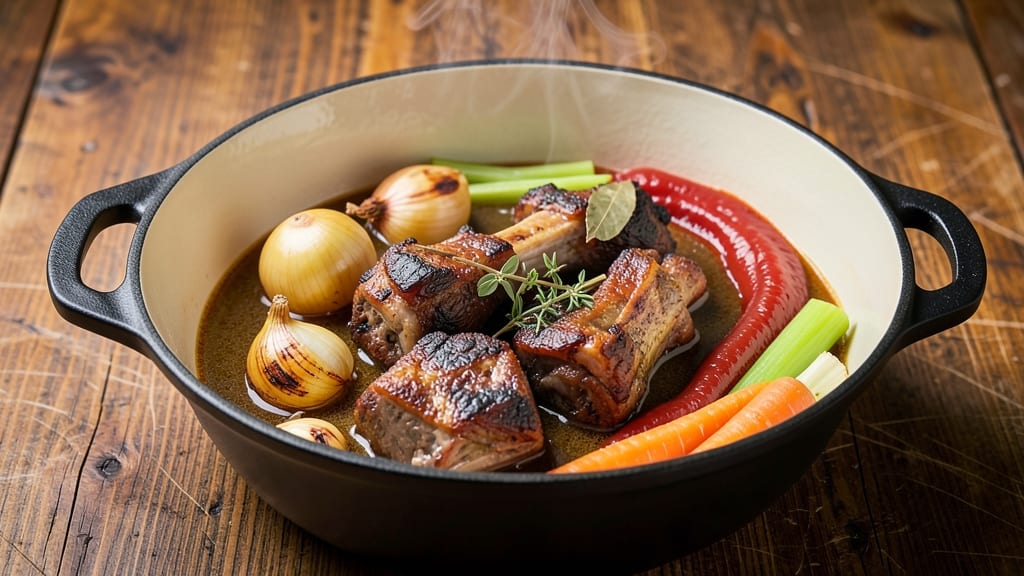
Alton Brown's beef stock recipe transforms simple bones into a rich, golden elixir that forms the backbone of countless classic and modern dishes. The secret lies in deep-roasting the bones first—this caramelization unlocks layers of umami that simmer into a deeply flavorful stock. I've refined this technique over years of testing, and the results speak for themselves: a stock so robust it elevates even the simplest recipes.
What sets this method apart is the precision of the roasting and simmering process. We start with a dry roast to develop a rich, nutty depth, then add aromatics like onions, carrots, and celery for balance.
The long, slow simmer—typically 8 to 12 hours—extracts every ounce of flavor without bitterness. This isn't just a stock; it's a flavor foundation that turns ordinary meals into extraordinary ones.
The beauty of this recipe is its versatility. Use it as a base for soups, braises, or risottos, or reduce it into a velvety sauce for pasta.
The stock keeps beautifully in the freezer for up to 6 months, so you'll always have a pantry staple ready to elevate your cooking. Whether you're following Alton's exact method or adapting it to your kitchen, the result is a deeply satisfying, restaurant-quality stock.
For those short on time, a pressure cooker cuts the process to about 2 hours without sacrificing depth. The key is patience—rushing the simmering leads to cloudy, weak stock.
Trust the process, and you'll have a stock that rivals anything you've bought or made before. Let's get started on creating your flavor foundation.
Ingredients for alton brown beef stock
Deep-roasted bones and simple aromatics create the foundation for restaurant-quality beef stock.
| Ingredient | Amount | Notes |
|---|---|---|
| Beef Bones 🦴 | 4 lb | Knuckle or marrow bones preferred |
| Yellow Onion 🧅 | 1 whole | Cut into large chunks |
| Carrots 🥕 | 4 whole | Scrubbed, cut into large chunks |
| Celery Stalks 🌿 | 4 whole | Cut into large chunks |
| Garlic Cloves 🧄 | 6 cloves | Smashed with side of knife |
| Tomato Paste 🍅 | 2 tbsp | High-quality canned preferred |
| Apple Cider Vinegar 🍎 | 2 tbsp | For brightness |
| Kosher Salt 🧂 | 1 ½ tsp | Diamond Crystal preferred |
| Black Peppercorns 🌶️ | 10 whole | Crushed slightly |
| Fresh Parsley 🌿 | ¼ cup | Chopped, for finishing |
| Cold Water 💧 | 12 cups | Filtered preferred |
The bones are everything here. Knuckle or marrow bones give the richest flavor, but any beef bones work—just avoid bones with too much meat still attached. Costco sells them in bulk for great prices, or check the butcher section at Whole Foods for high-quality cuts. Look for bones with good marrow content—they'll have a slightly spongy texture when tapped. If you can't find beef bones, pork bones work in a pinch, but the flavor will be different. The key is to roast them until they're deep brown and almost black—this caramelization is what unlocks that deep umami flavor Alton Brown is famous for.
No tomato paste? Fresh tomatoes or a splash of red wine adds acidity, but it's not essential. The vinegar is crucial though—it brightens the stock and cuts through any bitterness. If you're short on time, pressure cooker adaption works perfectly: just add everything to the pot, pressure cook for 2 hours, then strain. For the aromatics, frozen veggies work fine if fresh isn't available. The parsley at the end is just for freshness—skip it if you're using it for cooking, not just drinking. And if you're making a big batch, double the water and bones—this stock freezes beautifully for up to 6 months.
This stock gets better with time—don't rush the simmer. 8-12 hours is ideal, but if you're really pressed, 4 hours will still give you good flavor. Always skim off any foam or impurities that rise to the surface during cooking. For storage, let it cool completely, then transfer to airtight containers. It keeps 5-7 days in the fridge or 6 months in the freezer. I like to portion it into 1-cup servings for easy use in recipes. And trust me, once you've made this, you'll never buy store-bought stock again—it's just not the same.
Why You'll Love This Recipe
- No Chopping Hassle: I swear by the "mirepoix shortcut" here—just roughly chop the onion, carrots, and celery (no need for fancy dice work). The bones do all the heavy lifting while you sip coffee and pretend you’re a sous chef.
- Umami Bomb: That slow-roasted garlic and beef bones? Chef’s kiss. The stock develops a deep, rich flavor—like a hug in a bowl. Honestly, I’ve used it in everything from mashed potatoes to ramen, and it’s always the star.
- Weeknight Magic: Freeze half the batch right after making it. When Tuesday rolls around and you’re staring at sad takeout menus, this stock thaws in a flash and turns into a quick soup or braising liquid. No stress, just flavor.
- Budget Game-Changer: Beef bones are cheaper than you think, and this recipe stretches them into gallons of liquid gold. I’ve made it twice for holiday dinners—once for the main course, once for the gravy—and still had leftovers for months. Smart cooking at its finest.
Step-by-step instructions for deep-roasted beef stock
This method transforms simple bones into rich, flavorful stock with a deep roast that unlocks maximum flavor.
Preheat Oven and Prepare the Bones
Preheat your oven to 450°F and position a rack in the middle position. Place the 4 lb beef bones on a large rimmed baking sheet, spreading them out in a single layer. This high heat will caramelize the bone surfaces, creating a rich foundation for your stock.
Here's the thing—don't crowd the bones. You want them to brown deeply on all sides, not steam. If using knuckle bones, place them with the knuckles facing up. Marrow bones can go flat-side down. The goal is to maximize surface area exposure to the dry heat.
Roast Until Deeply Caramelized
Roast the bones for 45-60 minutes, turning them occasionally with tongs, until they develop a deep mahogany color with some charred spots. You're looking for bones that look like they've been baking for hours, not just minutes.
I press down gently on the bones during the first 20 minutes—this prevents them from curling and ensures even contact with the pan. The reason we wait until the oven is fully preheated is that cold bones absorb heat differently, leading to uneven browning. When they're properly roasted, you'll smell that wonderful caramelized aroma filling your kitchen.
Sear the Vegetables and Aromatics
While the bones roast, prepare the vegetables. In a large Dutch oven, combine the 1 whole yellow onion (cut into large chunks), 4 whole carrots (scrubbed and cut into large chunks), and 4 whole celery stalks (cut into large chunks). Add the 6 cloves garlic cloves (smashed with the side of a knife).
Sear the vegetables over medium-high heat for 8-10 minutes, stirring occasionally, until they begin to soften and develop golden brown spots. This step builds flavor through the Maillard reaction—those browned bits are pure umami gold. Don't be tempted to add oil; the bones will render enough fat during roasting to create a natural sear.
Combine and Simmer for Maximum Extraction
Transfer the roasted bones to the Dutch oven with the vegetables. Add the 2 tbsp tomato paste, 2 tbsp apple cider vinegar, 1.5 tsp kosher salt, and 10 whole black peppercorns. Pour in the 12 cups cold water, making sure all the bones are submerged.
Bring to a boil over high heat, then immediately reduce to a gentle simmer. Here's where it gets important: skim off any foam or impurities that rise to the surface during the first 30 minutes of simmering. This ensures a clear, clean stock. Cover the pot and simmer gently for 3-4 hours, maintaining a temperature between 180-200°F.
Strain and Finish with Parsley
After simmering, strain the stock through a fine-mesh sieve or cheesecloth-lined colander into a large bowl or clean stock pot. Press down on the solids to extract every last bit of flavor. Discard the solids—they've given everything they've got.
Return the strained stock to the pot and stir in the 0.25 cup chopped fresh parsley. This final step adds freshness and brightens the rich, deep flavors. Let the stock cool slightly, then transfer to airtight containers. It will keep in the refrigerator for up to 5 days or can be frozen for up to 3 months. This stock is the backbone of countless recipes—use it with confidence.
Pro Tips For Making Alton Brown Beef Stock
- Char the Bones First: Blister those beef bones in a screaming-hot pot for 10-15 minutes before adding liquid—it deepens the flavor faster than you’d expect. I used to skip this, thinking it was overkill, but now I swear by the nutty, caramelized aroma it pulls from the marrow.
- Cut Celery Stalk Thick: Leave those celery stalks whole and unpeeled, but slice them into 2-inch chunks—not thin matchsticks. Thicker pieces release flavor more slowly and stay intact long enough to actually infuse the stock instead of turning to mush after 20 minutes.
- Don’t Rush the Simmer: Keep the stock at a gentle simmer—tiny bubbles breaking the surface, not a rolling boil. I learned this the hard way when my first batch turned cloudy from aggressive bubbling; patience here means clearer, richer stock.
- Toast the Aromatics Separately: Sauté the onions, carrots, and celery in a dry pot until deeply golden (about 15 minutes) before adding garlic. This step caramelizes their sugars and builds layers of flavor that raw aromatics just can’t match—worth the extra time.
Best sauces and condiments for these flavors
Classic Red Wine Sauce
This rich beef stock transforms beautifully into a velvety red wine sauce for pasta or braised meats. Deglaze your Dutch oven with 1 cup dry red wine (like Cabernet Sauvignon) after removing the bones, then reduce by half with 2 tbsp butter and 1 tbsp flour.
Finish with ½ cup stock and a splash of heavy cream for luxury. 🍷
Umami-Packed Mushroom Gravy
For a deeper flavor profile, sauté 8 oz sliced cremini mushrooms in the roasted bone fat until golden, then deglaze with 1 cup beef stock and 2 tbsp cognac or brandy.
Reduce by half, then whisk in 2 tbsp cold butter for a silky texture. Perfect over mashed potatoes or roasted vegetables.
Velouté Base for Soups
Blend 2 cups stock with 1 cup roasted garlic and ½ cup pureed leeks for a creamy, aromatic velouté. Strain through a fine-mesh sieve, then finish with 1 tbsp lemon juice and salt to taste. This works as a base for French onion soup or creamy potato leek soup.
Pan Sauce for Steak
After searing steaks, deglaze the pan with ½ cup beef stock, then reduce by half with 1 tbsp Dijon mustard and 1 tsp Worcestershire sauce. Swirl in 1 tbsp butter at the end for a glossy finish. This sauce clings perfectly to grilled or pan-seared meats.
Creamy Risotto Foundation
Use 3 cups stock warmed in a saucepan to gradually build risotto. The deep beef flavor pairs beautifully with arborio rice, white wine, and Parmigiano-Reggiano. For extra richness, stir in 2 tbsp crème fraîche at the end. This stock makes risotto taste restaurant-quality. 🍚
Braised Meat Glaze
Reduce 1 cup stock with 1 tbsp balsamic vinegar and 1 tsp brown sugar until syrupy. Brush over braised short ribs or beef tenderloin in the last 10 minutes of cooking. The caramelized glaze adds a sweet-savory contrast that's irresistible.
Nutrition facts
Frequently asked questions about Alton brown's beef stock
Can I use chicken or pork bones instead of beef?
While you can use chicken or pork bones, the flavor profile will differ significantly. Beef bones create a rich, deep umami base perfect for hearty dishes. Chicken bones yield a lighter stock better suited for poultry-based recipes, while pork bones produce a slightly sweeter result. For an authentic Alton Brown-style experience, stick with beef bones—they're the gold standard for this technique.
How do I know when the bones are properly roasted?
The bones are ready when they develop a deep mahogany color with some charred spots after 45-60 minutes in the oven. They should look like they've been roasting for hours, not just minutes. Press gently—they should feel firm but not brittle. This deep caramelization is what unlocks maximum flavor during simmering.
Can I make this stock in a slow cooker or Instant Pot? For a slow cooker, transfer the roasted bones and aromatics to the pot, add water, and cook on low for 8-10 hours. In an Instant Pot, use the "High Pressure" setting for 2 hours, then natural release. The pressure cooker method cuts time dramatically while maintaining deep flavor. Just
Why does my stock look cloudy after simmering?
Cloudiness usually means you didn't skim off enough impurities during the first 30 minutes of simmering or the stock didn't simmer long enough. For crystal-clear stock, strain through cheesecloth after simmering, or try adding 1 bay leaf and 1 tsp white wine vinegar to help clarify. If using an Instant Pot, simmer uncovered for 10-15 minutes after pressure cooking to allow impurities to rise.
How much stock will this recipe make?
This recipe yields about 4-5 quarts of rich beef stock, depending on the bones used. Knuckle bones produce more liquid than marrow bones. For a larger batch, simply double the ingredients—just ensure your pot is large enough to accommodate the increased volume. Store in airtight containers for up to 6 months in the freezer. Perfect for meal prep!