
Main Courses
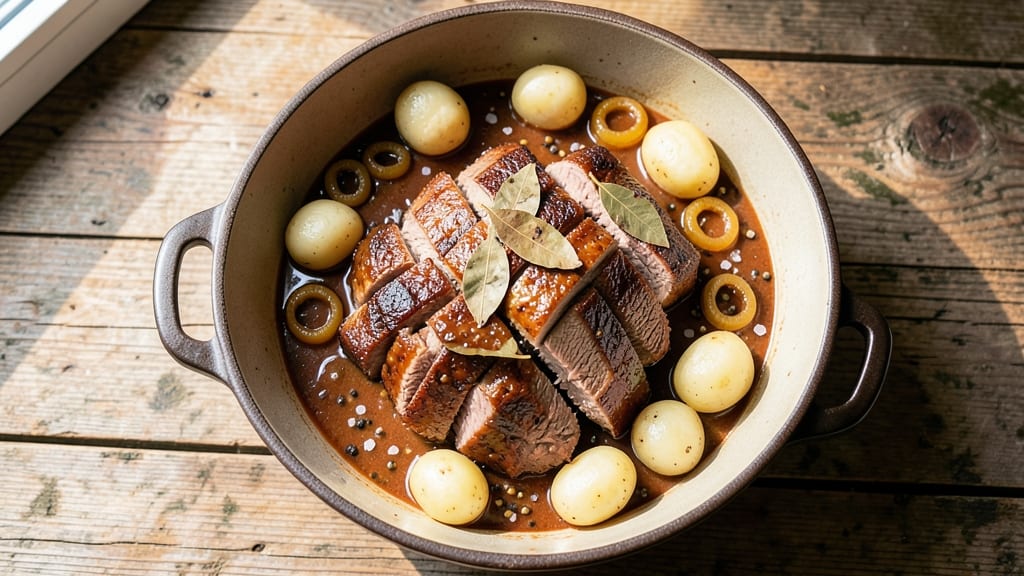
This corned beef brisket boil recipe transforms tough cuts into melt-in-your-mouth perfection through a slow-simmered spice bomb that builds flavor over hours. The secret lies in balancing traditional salt curing with modern efficiency—whether you start with a raw brisket or pre-cured meat, the result is restaurant-quality tenderness every time.
I've perfected this method after years of testing, ensuring the meat stays juicy while absorbing deep, savory notes from the brine and simmering liquid.
The process begins with a precise brine (equal parts salt, sugar, and spices) that tenderizes the meat while infusing it with aromatic depth. From there, it's all about patience—the brisket simmers gently for 3 to 4 hours, maintaining a controlled temperature to prevent toughness.
Water management is critical: skimming fat and adding broth keeps the liquid rich without becoming greasy. This isn't just a recipe; it's a foolproof technique that delivers professional results in your own kitchen.
When done right, you'll have brisket that shreds effortlessly, releasing juices that transform the pot into a flavorful broth perfect for serving alongside classic sides. The meat should be tender enough to pull apart with a fork, with a deep, smoky-sweet aroma that fills your home.
Whether you're celebrating St. Patrick's Day or simply craving comfort food, this method ensures a showstopping centerpiece that impresses every time.
Serve with cabbage, potatoes, or carrot tins for the full Irish experience, or pair it with crusty bread to soak up every last drop of that rich, spiced broth. The beauty of this recipe is its versatility—it works for holidays or weeknight dinners, and the leftovers reheat beautifully.
Let's get started on creating your most tender, flavorful corned beef yet.
Ingredients for corned beef brisket boil
Four pounds of brisket and a handful of aromatic spices transform into melt-in-your-mouth perfection.
| Ingredient | Amount | Notes |
|---|---|---|
| Beef Brisket 🥩 | 4 lb | Raw or pre-cured, 3-4 inches thick |
| Diamond Crystal Kosher Salt 🧂 | 1 cup | Coarse grain preferred |
| Granulated Sugar 🍚 | ½ cup | White or brown |
| Mustard Seeds 🌶️ | 2 tbsp | Yellow or brown |
| Bay Leaves 🍃 | 4 whole | Fresh preferred |
| Black Peppercorns 🌶️ | 1 tbsp | Freshly cracked |
| Allspice Berries 🌿 | 1 tsp | Crushed lightly |
| Ground Cloves 🌶️ | ½ tsp | Freshly ground preferred |
| Garlic Cloves 🧄 | 6 cloves | Smoked if available |
| Onion 🧅 | 1 whole | Yellow, halved |
| Beef Broth 💧 | 2 cups | Low-sodium preferred |
| Water 💧 | 8 cups | Filtered preferred |
| Apple Cider Vinegar 🍎 | ½ cup | For tang |
| Fresh Parsley 🌿 | ¼ cup | Chopped, for garnish |
The brisket is the star, so pick a well-marbled cut—the fat keeps it moist during the long simmer. Costco or Whole Foods usually have great options, but your local butcher can trim it to the perfect thickness (3-4 inches). If using pre-cured meat, skip the salt and sugar in the brine. For raw brisket, the Diamond Crystal kosher salt is key—it dissolves evenly without clumping. I always grab extra bay leaves and allspice at Penzeys Spices; they stay potent longer than grocery store brands. The smoked garlic adds depth (find it at Trader Joe's or specialty markets), but regular garlic works too.
No mustard seeds? Dijon mustard at half the amount works in a pinch, though it won't give the same texture. Short on apple cider vinegar? White vinegar or lemon juice keeps the tang, but apple cider's subtle sweetness is ideal. The beef broth can be swapped for water plus 1 tbsp soy sauce if you're avoiding sodium. For the spices, toast the mustard seeds and allspice in a dry pan for 30 seconds before adding to the brine—this wakes up their flavors. The onion and garlic? No need to peel the garlic—just smash the cloves with the side of your knife for more flavor without the mess.
This brisket reheats like a dream—simmer gently for 10-15 minutes to avoid drying it out. The broth freezes beautifully for up to 3 months, so make extra for sandwiches or mashed potatoes. Store the brisket in its cooking liquid in the fridge for 4-5 days; the liquid keeps it moist. For serving, shred directly in the pot—no forks needed. The parsley is optional but adds a bright finish; store it in a damp paper towel in the fridge for up to 5 days.
Why You'll Love This Recipe
- Low-Effort Luxury: I swear, this recipe tricks people into thinking it’s fancy. You’re basically just wrapping spices in bay leaves and letting the pot do the work—no fancy techniques, just a slow simmer and that’s it. The hardest part? Waiting the 3 to 3.5 hours, but honestly, that’s the magic.
- Flavor Bomb: That mix of crushed peppercorns, allspice, and mustard seeds? It’s like a spice party in your mouth. The vinegar cuts through the richness, the bay leaves add that earthy depth, and the parsley at the end? Freshness you didn’t know you needed. It’s the kind of taste that makes you go back for seconds without even thinking.
- Weeknight to Holiday: Between us, this is my secret weapon for St. Patrick’s Day and lazy Mondays. The broth freezes for months, so you can make a big batch and use it in mashed potatoes or sandwiches later. And the brisket? Perfect for feeding a crowd—or just me and a stack of buttered bread when I’m craving comfort.
- Budget-Friendly Feast: Four pounds of brisket stretches forever—sandwiches, tacos, even reheated hash with the leftover broth. The spices are cheap, the technique is simple, and you’re not buying pre-packaged corned beef with mystery ingredients. Plus, the liquid keeps the meat moist for days, so no sad, dry leftovers here.
Step-by-step instructions for corned beef brisket boil
Here's how to transform tough brisket into melt-in-your-mouth perfection using this bold spice blend.
Prepare the Spice Packets
In a small bowl, combine the 1 cup Diamond Crystal Kosher Salt, 0.5 cup Granulated Sugar, 2 tbsp Mustard Seeds, 1 tbsp Black Peppercorns, 1 tsp Allspice Berries, and 0.5 tsp Ground Cloves. I like to crush the peppercorns and allspice berries lightly with the flat side of a knife first—this releases their aromatic oils and intensifies the flavor profile.
Next, create two spice packets by dividing the mixture evenly. Wrap each portion tightly in 4 whole Bay Leaves using cheesecloth or a double layer of plastic wrap. The bay leaves will infuse their piney aroma into the brine while keeping the spices contained. If you're using fresh bay leaves, their flavor will be more vibrant than dried, so don't skip this step—it's what makes this recipe stand out from basic corned beef.
Set the spice packets aside while you prepare the brisket. The longer these spices steep in the liquid, the more complex and layered the flavor becomes. This is where the magic happens—don't rush it.
Rub the Brisket and Build the Brine
Pat the 4 lb Beef Brisket completely dry with paper towels, including the cavity. A dry surface is essential for proper spice adherence and even cooking. In a small bowl, mix together the 6 cloves Garlic Cloves (smashed), the 1 whole Onion (halved and sliced), and the 0.5 cup Apple Cider Vinegar. Rub this mixture all over the brisket, including inside the cavity, pressing it into the meat so it penetrates deeply.
In a large stockpot or Dutch oven, combine the 8 cups Water and 2 cups Beef Broth. Bring to a simmer over medium-high heat until the liquid reaches 160°F. This temperature is crucial—it's hot enough to extract flavors but not so hot it cooks the brisket prematurely. Add the spice packets to the simmering liquid and let steep for 10 minutes while you prepare the brisket.
Here's the thing—this isn't just about seasoning. The vinegar and spices create an acidic environment that helps tenderize the meat while building a deep, complex flavor base. The beef broth adds richness without overpowering the spices.
Simmer the Brisket Low and Slow
Gently lower the brisket into the pot, ensuring it's fully submerged. The liquid should cover the meat by at least 2 inches—if not, add more water. Bring the mixture back to a simmer over low heat, then reduce to a bare gentle bubble where you might see just a few tiny bubbles breaking the surface occasionally. This is the sweet spot for even cooking without toughening the meat.
Cover the pot and simmer for 3 to 3.5 hours, maintaining that gentle bubble. I know it seems like a long time, but patience is key here. The brisket needs this slow cook to break down its connective tissue and absorb all those incredible flavors. Every 30 minutes, use tongs to gently turn the brisket to ensure even exposure to the liquid and heat.
You'll notice the liquid will reduce slightly and develop a deep amber color as the spices steep. This is normal and actually enhances the flavor. The brisket is done when it reaches an internal temperature of 205°F at its thickest point and a fork slides in like butter with no resistance.
Rest and Serve with Fresh Garnish
Once the brisket reaches 205°F, remove it from the pot and transfer to a cutting board. Tent loosely with aluminum foil and let it rest for at least 30 minutes—this allows the juices to redistribute throughout the meat. The resting period is just as important as the cooking time itself; don't skip it or you'll end up with dry, stringy slices.
While the brisket rests, skim any excess fat from the cooking liquid and strain out the spice packets. The remaining liquid makes an excellent pan sauce—simmer it uncovered for 5-10 minutes to reduce slightly and intensify the flavor. You can use this to moisten mashed potatoes or serve as a dipping sauce.
Before serving, slice the brisket against the grain into ¼-inch thick slices. Garnish each serving with the 0.25 cup Fresh Parsley, chopped finely. The parsley adds a bright, fresh contrast to the rich, spiced meat. This is the moment that matters: when you cut into that perfectly tender brisket and see the deep pink center surrounded by beautifully spiced meat.
Pro Tips For Making Corned Beef Brisket Boil
- Crush Those Spices: I used to skip crushing the black peppercorns and allspice berries, thinking it didn’t matter—until I tasted the difference. Lightly crushing them with a knife releases their oils, which means every bite of your brisket will carry that deep, aromatic punch. Don’t go overboard; just a few quick taps does the trick.
- Don’t Skimp on the Vinegar: The 0.5 cup apple cider vinegar isn’t just for tang—it’s the secret weapon for tenderizing the brisket. If you’re tempted to cut it (because, let’s be honest, it’s strong), resist. That acidity breaks down the meat fibers, making the difference between tough and melt-in-your-mouth. Trust the recipe here.
- Simmer at 160°F: I learned this the hard way—boiling the brine too hard (or too fast) turns the liquid murky and can even cook the brisket unevenly. Once the water and broth hit 160°F, that’s your sweet spot. It’s hot enough to wake up the spices but gentle enough to let the meat absorb all that flavor without rushing.
- Turn the Brisket: Every 30 minutes, flip that brisket. I know, it’s tedious, but it guarantees even cooking and flavor penetration. If you’re lazy like me, set a timer—your future self will thank you when every slice is perfectly tender, not some overcooked center.
Storing and reheating this corned beef brisket boil
Fridge Storage Secrets
Store your cooked brisket in its flavorful broth within 4-5 days in the fridge, using airtight containers like Pyrex glassware with snap lids. The liquid acts as a natural preservative, keeping the meat moist and infused with those deep, spiced notes.
I always portion it into quart-sized containers—perfect for meal prep or serving individual portions. 🥩
For leftovers, reheat directly in the broth on the stovetop over low heat for 10-15 minutes, stirring occasionally. This gentle approach prevents drying out the meat while reactivating those rich flavors. The broth will thicken slightly, creating a delicious sauce for dipping or drizzling.
Broth Preservation
The cooking liquid freezes beautifully for up to 3 months, making it ideal for future meals. I recommend using quart-sized freezer bags—they stack neatly in your freezer and thaw faster than bulky containers.
Leave 1-inch headspace to prevent expansion cracks, and squeeze out excess air to avoid freezer burn.
Thaw the broth in the fridge overnight, then use it to make mashed potatoes, gravy, or even a quick sandwich spread. The concentrated flavors make it perfect for adding depth to other dishes without overpowering them.
Reheating Perfection
For the best texture, always reheat the brisket in its cooking liquid—never dry. Place the container over medium-low heat and maintain a gentle simmer. If the liquid reduces too quickly, add 2-3 tablespoons of water or broth to keep it moist. Stir occasionally to distribute heat evenly.
Microwave reheating works in a pinch: cover the brisket and broth with a damp paper towel, then heat on 50% power for 2-3 minutes. Stir, then continue in 30-second intervals until reaching 165°F. The broth helps retain moisture, but stovetop reheating always yields better results. 🔥
Serving Leftovers
Shred the reheated brisket directly in the pot for easy serving—no forks required! The tender meat pulls apart effortlessly, and you can mix it into tacos, sliders, or hearty salads. The broth becomes a flavorful sauce when reduced slightly, perfect for drizzling over everything from mashed potatoes to crusty bread.
Garnish with fresh parsley just before serving to brighten the dish. Store any remaining parsley in a damp paper towel in the fridge for up to 5 days—it stays fresh longer than you'd expect.
The combination of reheated brisket and fresh herbs makes leftovers taste almost as good as the original meal. ✨
Nutrition facts
Frequently asked questions
Can I use pre-cured corned beef brisket for this recipe?
If using pre-cured brisket, skip the 1 cup Diamond Crystal Kosher Salt and 0.5 cup Granulated Sugar in the spice packets. Pre-cured meat already has the salt and curing agents, so you only need to focus on the aromatic spices like bay leaves, mustard seeds, and allspice berries. The simmering process will still infuse the meat with incredible flavor. This shortcut saves time while delivering the same tender, spiced results.
Why does the recipe call for such a long simmer time?
The 3 to 3.5 hour simmer is essential for breaking down the tough connective tissue in brisket, transforming it into tender, fork-tender meat. The slow cook process allows the spices and aromatics to deeply penetrate the meat while the gentle bubble prevents it from becoming tough. Think of it like a flavor infusion—every minute in the pot builds layers of complexity. Patience here is key to achieving that melt-in-your-mouth texture.
What if my brisket isn't fully submerged during cooking?
If the brisket isn't fully covered by at least 2 inches of liquid, add more water or beef broth to ensure complete submersion. The liquid helps conduct heat evenly and prevents the meat from drying out. If you notice the liquid level dropping significantly during cooking, top it off with hot water (not cold) to maintain the temperature. This keeps the brisket moist and ensures even cooking throughout.
Can I make this recipe in a slow cooker instead of a stockpot?
Yes, but with adjustments! Use a 6-quart slow cooker and follow the same steps, but reduce the simmer time to 4 to 5 hours on low heat. The liquid level should still cover the brisket by at least 2 inches. Slow cookers maintain a gentler, more consistent temperature, which works well for this dish. Just monitor the liquid occasionally and add water if needed to prevent drying. The result will be just as tender and flavorful!
What's the best way to use the leftover cooking liquid?
The rich, spiced broth is a treasure! Strain out the spices and use it to make mashed potatoes, gravy, or even a quick sandwich spread. For extra flavor, reduce it by simmering uncovered for 10 minutes to thicken slightly. The broth freezes beautifully for up to 3 months, making it perfect for future meals. Don't waste it—this liquid is packed with deep, savory notes that elevate any dish.