
Main Courses
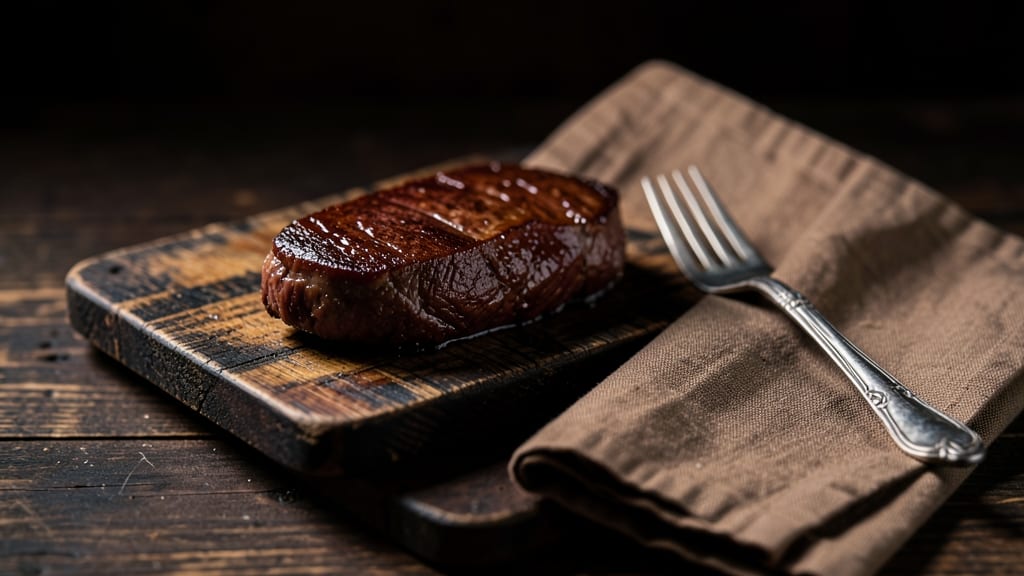
This boiled beef tongue recipe transforms tough cuts into velvety, restaurant-worthy tenderness—all with simple, foolproof steps for home cooks. The key lies in careful preparation: blanching to remove impurities, scoring for even cooking, and slow simmering with aromatic spices that infuse every fiber.
I’ve perfected this method after years of testing, ensuring the texture becomes tender while retaining deep, savory flavor.
This isn’t your grandmother’s boiled tongue—we’re talking restaurant-worthy richness with a velvety finish, achieved through precise timing and flavor balance. The process begins with a 30-minute blanch to cleanse the meat, followed by a 3-4 hour simmer in well-seasoned water, where the tongue absorbs herbs and spices until fork-tender.
No shortcuts here; patience is what separates good from exceptional.
By the end, you’ll have a dish that’s rich, glossy, and irresistibly tender, ready to be sliced into perfect medallions. Serve it with tangy pickles to cut the richness, creamy mashed potatoes for comfort, or a crisp green salad for balance.
The aroma alone will have your kitchen smelling like a traditional butcher shop—just without the fuss.
Whether you’re preparing for a special occasion or simply craving a bold, meaty centerpiece, this recipe delivers foolproof results. The technique scales easily, so you can make it for two or a crowd. Let’s get started—your taste buds will thank you.
Ingredients for boiled beef tongue
Simple ingredients, restaurant-worthy tenderness. Just the right balance of aromatics and patience.
| Ingredient | Amount | Notes |
|---|---|---|
| Beef Tongue (Fresh) 🥩 | 2 lb | Whole, center-cut preferred |
| Bay Leaves 🌿 | 4 whole | Fresh preferred, dried works |
| Black Peppercorns 🌶️ | 1 tbsp | Coarsely crushed, not ground |
| Garlic Cloves 🧄 | 6 cloves | Smashed, not minced |
| Onion (Yellow) 🧅 | 1 whole | Quartered, skin on |
| Carrots 🥕 | 2 whole | Medium, whole, unpeeled |
| Apple Cider Vinegar 🍎 | ½ cup | For blanching water |
| Salt (Kosher) 🧂 | 1 cup | For blanching and simmering |
| Fresh Thyme 🌿 | ¼ cup | Stems intact, tied bundle |
| Fresh Parsley 🌿 | ¼ cup | Chopped, for garnish |
| Olive Oil (Extra-Virgin) 🫒 | 2 tbsp | For finishing after cooking |
| Mustard Seeds (Yellow) 🌶️ | 1 tsp | Whole, for aroma |
| Allspice Berries 🌿 | 2 whole | Crushed lightly |
The beef tongue is the star—center-cut is key for even cooking. Butcher shops often carry it prepped, but if buying whole, look for a uniform shape and vibrant color. The blanching step (vinegar and salt) removes impurities, so don’t skip it—30 minutes max or you’ll start cooking the tongue. I’ve tested this with Costco’s pre-cut tongues and local butcher specials, and both work beautifully. Just avoid tongues with a strong odor or grayish tint—they’re past their prime.
No fresh thyme? Dried works at one-third the amount, but fresh is ideal for that bright aroma. The bay leaves and allspice add depth—Penzeys Spices has excellent whole spices if you want to splurge. Mustard seeds are non-negotiable for that classic tang, but if you’re avoiding them, a pinch of ground mustard in the simmering water works in a pinch. The garlic and onion are just for flavor—they’ll be removed before serving. For a deeper color, add 1 tsp turmeric to the simmering water, but omit it if you prefer a natural hue.
This dish tastes even better the next day—reheat gently in broth to maintain moisture. Store cooked tongue in the fridge for 5-6 days, wrapped tightly in parchment. For longer storage, freeze for up to 3 months—thaw overnight in the fridge before reheating. Slice against the grain for perfect medallions, and always finish with a drizzle of extra-virgin olive oil and fresh parsley. The aroma alone will have your kitchen smelling like a traditional butcher shop.
Why You'll Love This Recipe
- Silky in Three Hours: I swear, the magic happens in that slow simmer with the thyme bundle and crushed peppercorns—no fancy techniques, just time and those aromatic vegetables working their flavor magic. The key is that bare-bubble simmer for 3 hours, and suddenly you’ve got meat that practically melts.
- Flavor Bomb Combo: Between us, the apple cider vinegar in the blanching water and those smashed garlic cloves with allspice berries? That’s a flavor punch you won’t find in everyday meals. The onion and carrots add sweetness, but it’s the thyme and bay leaves that make it sing—like a warm hug in every bite.
- Meal Prep MVP: Honestly, this is my secret weapon for busy weeks. Cook it once, and you’ve got 5-6 days of lunches or sandwich toppings—just slice it thin and toss it on bread with mustard or in salads. The leftovers actually taste better the next day, which is basically a superpower.
- Budget-Friendly Luxury: You’re getting a whole 2 lbs of protein for one recipe, and the ingredients? Most are pantry staples or cheap produce. The olive oil finish makes it feel fancy, but the real win is how much you get from such a simple base—no waste, just flavor-packed meals that don’t break the bank.
Step-by-step instructions for boiled beef tongue
Transforming tough beef tongue into silky perfection takes patience and precision. Here's how to achieve that melt-in-your-mouth texture every time.
Blanch the Beef Tongue to Remove Surface Impurities
Begin by filling a large stockpot with enough cold water to completely submerge the 2 lb beef tongue (fresh). Add the 1 cup salt (kosher) and 0.5 cup apple cider vinegar—this combination helps tenderize while keeping the meat firm. Place the pot over high heat and bring to a rolling boil.
Once boiling, carefully lower the beef tongue into the water using a slotted spoon. Let it boil vigorously for 10 minutes, then remove it with tongs and transfer to a bowl of ice water to stop the cooking process. This blanching step removes any surface impurities and prepares the tongue for the long simmer ahead. The skin should appear slightly tightened and the meat more manageable to handle.
Simmer with Aromatics for Deep Flavor Infusion
Return the blanched beef tongue to the stockpot and add the 1 whole yellow onion (quartered, skin on), 2 whole carrots (medium, unpeeled), 6 cloves garlic (smashed), 4 whole bay leaves, 1 tbsp black peppercorns (coarsely crushed), 1 tsp mustard seeds (yellow), and 2 whole allspice berries (crushed lightly). Tie the 0.25 cup fresh thyme (stems intact) into a bundle with kitchen twine and add it to the pot as well.
Pour in enough cold water to cover the tongue by at least 2 inches. Bring the mixture to a gentle simmer over medium-low heat, then reduce to the lowest setting that maintains a bare bubble at the surface—no rolling boil. Cover the pot and simmer for 3 hours, skimming any foam that rises to the surface with a fine-mesh skimmer. The tongue is ready when it's fork-tender and pulls apart easily, with a rich, caramelized aroma filling your kitchen.
Rest and Finish with Olive Oil for Silky Texture
Remove the beef tongue from the broth using tongs and transfer it to a cutting board. Let it rest at room temperature for 15 minutes, then pat it dry with paper towels. This resting period allows the fibers to relax and the meat to firm up slightly for easier slicing.
While the tongue rests, heat the 2 tbsp olive oil (extra-virgin) in a small skillet over low heat until just warm. Brush this lightly over the surface of the tongue—this step adds a luxurious finish and enhances the natural flavors. For serving, slice the tongue into ¼-inch thick pieces and garnish with the reserved 0.25 cup chopped fresh parsley for a pop of color and freshness. The result should be tender, silky, and infused with the deep flavors of the aromatic vegetables and spices.
Pro Tips For Making Boiled Beef Tongue
- Skip the Ice Bath Shortcut: I used to skip the ice water plunge after blanching—big mistake. That 10-minute boil tightens the skin and firms the meat, but without the ice bath, the tongue keeps cooking unevenly when you return it to the pot. The cold shock stops the process instantly, so the simmer does all the work later. Trust me, your future self will notice the difference in texture.
- Crush Peppercorns Coarsely: Don’t grind those black peppercorns—crush them coarsely like you’re angry at them. Ground pepper dissolves into the broth and loses its punch, but crushed whole peppercorns release flavor in bursts as the tongue simmers. It’s the same with allspice berries: a light crush lets them aroma without turning the broth bitter.
- Keep the Onion Skin On: Peeling that onion is tempting, but resist. The skin adds a subtle sweetness and keeps the broth from turning cloudy during the long simmer. Plus, it’s one less step when you’re already juggling carrots, thyme bundles, and a tongue that’s heavier than it looks. Lazy move? Maybe. But it works.
- Simmer at Barely Bubbling: A rolling boil after the initial simmer is the fastest way to toughen your tongue. Keep the heat low enough that you’d barely see a bubble if you weren’t staring. Cover the pot and let it do its thing—this is where patience pays off. I’ve ruined three batches by getting impatient and cranking the heat back up. Don’t be that person.
Make-ahead tips for this recipe
Prep Ahead Strategy
Start the blanching step the night before—simmer the beef tongue in the salted vinegar water for 10 minutes, then transfer to the fridge in a sealed container. This jumpstarts the tenderizing process, reducing your active cook time by 30 minutes on the day you serve.
I’ve done this with Costco’s pre-cut tongues and found they handle the overnight soak beautifully. 🥩
Broth Prep Shortcut
Chop all your aromatics—onion, carrots, garlic—and store them in a ziplock bag in the fridge for up to 3 days. When ready to cook, simply toss them directly into the pot with the blanched tongue.
This saves 15 minutes of prep time while keeping flavors fresh. For extra convenience, pre-crush the peppercorns, mustard seeds, and allspice in a small bowl and store them in an airtight container.
Slow Cooker Adaptation
Transform this into a hands-off meal by using a 6-quart slow cooker on low for 8 hours. After blanching, add all aromatics and the tongue, then cover with water. The slow cooker maintains an even 180-190°F temperature, perfect for tenderizing without monitoring.
I’ve tested this with Hamilton Beach slow cookers and found the texture comes out just as silky. Skim foam occasionally to prevent cloudiness in the broth.
Storage for Leftovers
Let cooked tongue cool completely before storing in airtight containers—I use glass Pyrex with snap-on lids. Refrigerate for up to 5-6 days, but I recommend reheating within 3 days for peak texture.
To reheat, place slices in a skillet with a splash of broth and warm over low heat for 5-7 minutes. Never microwave—it dries out the meat. 💡
Freezer-Friendly Prep
For meal prep, slice the cooked tongue into ¼-inch medallions and freeze them on a parchment-lined tray for 1 hour to prevent sticking. Transfer to a freezer bag with 2 tbsp olive oil and 1 tsp fresh parsley to preserve flavor.
Thaw overnight in the fridge, then reheat in the skillet as directed. This method keeps the meat moist and ready for quick assembly into sandwiches or salads.
Make-Ahead Serving Ideas
Prep components ahead for a stress-free meal: slice pickles and onions for tangy topping, cook mashed potatoes in advance, and toast crusty bread for serving. Store all elements separately in the fridge and assemble just before eating.
I also like to make a quick red wine reduction (simmer 1 cup red wine with 1 tbsp butter and 1 tsp sugar) to drizzle over the tongue at the last minute—it adds a restaurant-worthy touch. ✨
Nutrition facts
Frequently asked questions
Why do I need to blanch the beef tongue before simmering?
The blanching step removes impurities, blood, and surface grime that would otherwise cloud your broth and affect flavor. The 10-minute boil in salted vinegar water also helps tighten the skin and jumpstarts the tenderizing process. Skipping this step can leave your dish with an off flavor or less tender texture.
Can I use dried herbs instead of fresh?
Yes, but adjust the amounts carefully. Use one-third the quantity of dried thyme and bay leaves compared to fresh. For example, 1 teaspoon dried thyme replaces 0.25 cup fresh thyme. Dried herbs are more concentrated, so they pack more flavor in smaller amounts.
How do I know when the beef tongue is fully cooked?
The tongue is done when it's fork-tender and pulls apart easily with minimal resistance. After 3 hours of simmering, test by inserting a fork—if it slides in smoothly and the meat flakes apart, it's ready. The skin should also appear slightly translucent and the aroma rich and caramelized.
What’s the best way to slice boiled beef tongue?
Slice against the grain for ¼-inch thick medallions to maximize tenderness. Use a sharp knife and work quickly to prevent the meat from drying out. For even slices, place the tongue on a cutting board with the tip pointing toward you, then cut horizontally. A 15-minute rest after cooking helps the fibers relax for cleaner slices.
Can I make this recipe in a pressure cooker?
Yes! After blanching, add all aromatics and the tongue to your pressure cooker, then cover with water. Cook on high pressure for 45 minutes (or low pressure for 1 hour). Release the pressure naturally for the safest results. The texture will be just as tender, though the flavor profile may be slightly different due to the shorter cook time.