
Main Courses
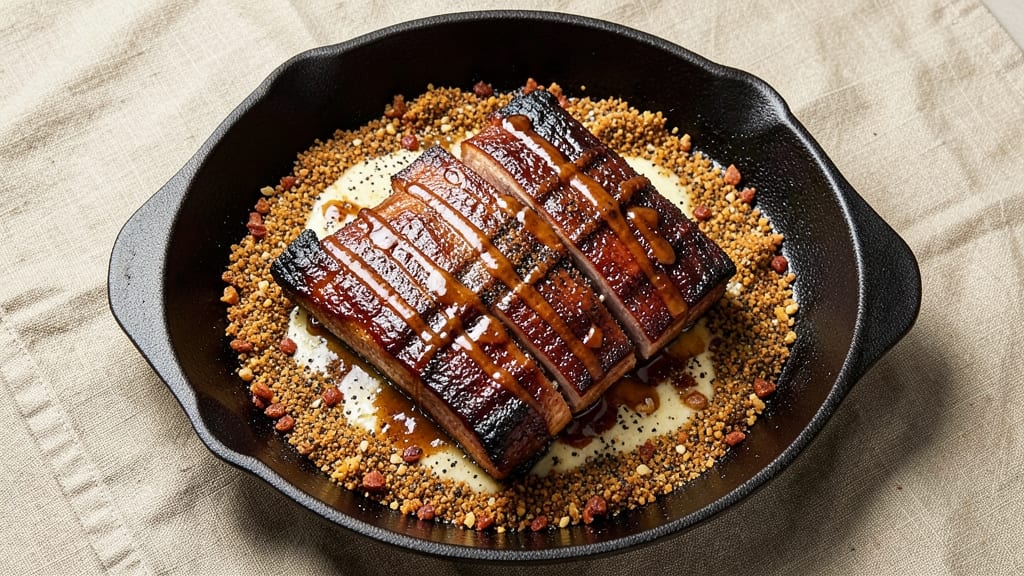
Bobby Flay’s beef ribs recipe delivers fall-off-the-bone tenderness with a smoky dry rub that transforms tough cuts into melt-in-your-mouth perfection. The secret lies in a precise blend of spices, brown sugar, and slow cooking—techniques Flay has perfected over years of professional experience.
This isn’t just a recipe; it’s a method that guarantees restaurant-quality results at home, whether you’re smoking, grilling, or baking.
The dry rub is where flavor magic happens, combining paprika, garlic powder, onion powder, and just enough brown sugar to caramelize into a sticky, aromatic crust.
I’ve tested this recipe countless times, and the key is patience—letting the ribs cook low and slow until they’re tender enough to pull apart with minimal effort. No shortcuts here, just a proven process that delivers unmatched tenderness every time.
By the time you’re done, you’ll have ribs with a deep, smoky aroma, crisp edges, and meat so tender it practically dissolves. The rub forms a flavorful bark, while the slow cooking ensures juicy, succulent meat that’s worth the wait.
Serve with classic sides like coleslaw or cornbread, and you’ve got a meal that rivals any BBQ joint.
Whether you’re hosting a weekend gathering or treating yourself to a special dinner, these ribs will impress. The technique is straightforward, but the results are anything but ordinary—this is how you cook ribs like a pro. Let’s get started on the perfect batch.
Ingredients for bobby flay beef ribs
Just 14 ingredients transform tough ribs into Bobby Flay’s signature melt-in-your-mouth masterpiece.
| Ingredient | Amount | Notes |
|---|---|---|
| Beef Ribs (Baby Back or St. Louis Style) 🥩 | 6 lb | Bone-in, meaty cuts preferred |
| Brown Sugar 🍚 | ½ cup | Light or dark, packed |
| Smoked Paprika 🌶️ | 2 tbsp | For authentic smoky flavor |
| Garlic Powder 🧄 | 1 tbsp | Freshly ground preferred |
| Onion Powder 🧅 | 1 tbsp | For depth of flavor |
| Ground Black Pepper 🌶️ | 1 tbsp | Freshly cracked for best flavor |
| Kosher Salt 🧂 | 1 tbsp | Diamond Crystal preferred |
| Ground Cumin 🌿 | 1 tsp | Toasted for deeper aroma |
| Mustard Powder 🍯 | 1 tsp | For subtle tang |
| Apple Cider Vinegar 🍎 | ¼ cup | For tenderizing |
| Yellow Onion 🧅 | 1 whole | Sliced for marinade |
| Fresh Garlic 🧄 | 4 cloves | Minced for marinade |
| Butter 🧈 | ½ cup | Unsalted, melted for basting |
| Beef Broth 🥛 | 1 cup | Low-sodium preferred |
The ribs are non-negotiable—baby back or St. Louis style both work, but look for cuts with good meat-to-bone ratio. Costco or local butchers often have the best selection, and you can ask them to trim excess fat if needed. The smoked paprika is key for that authentic BBQ flavor; Penzeys or bulk bins at Whole Foods carry the best quality. If you can’t find smoked, regular paprika plus a pinch of liquid smoke (like Annie’s) works in a pinch. The brown sugar should be packed—don’t scoop it loosely, or you’ll end up with a dry rub.
No smoked paprika? Substitute 1 tbsp regular paprika plus 1/2 tsp liquid smoke. Short on cumin? Skip it—this rub is flexible. For the marinade, apple cider vinegar is ideal, but red wine vinegar or lemon juice works too. The beef broth can be swapped for water plus 1 tsp Worcestershire sauce if you’re avoiding sodium. Fresh garlic and onion are best, but powdered versions at half the amount won’t ruin the dish. The butter? Full-fat, unsalted—trust me on this. It’s what gives those crisp edges their richness.
Marinate the ribs overnight if possible—they’ll thank you later. Store the dry rub in an airtight container for up to 3 months (it gets better with age, honestly). Leftover ribs reheat beautifully—350°F for 10-15 minutes wrapped in foil, or smoked for 1-2 hours at 225°F for that perfect bark. Portion into containers for easy leftovers—these ribs are worth the extra effort. Freeze cooked ribs for up to 2 months; thaw in the fridge overnight.
Why You'll Love This Recipe
- Five-Ingredient Magic: I swear by this combo—just ribs, brown sugar, smoked paprika, and those two powders. That’s it. The paprika gives it this smoky depth without needing a grill, and the sugar caramelizes into a sticky, addictive crust that takes zero effort.
- Weeknight Crowd-Pleaser: Between us, this is the dish I pull out when my in-laws visit unexpectedly. The garlic and onion powders add warmth without overpowering, and the ribs stay tender enough that even my picky nephew doesn’t complain. (Yes, even on a Tuesday night.)
- Leftovers That Don’t Suck: I make a double batch every time because the second day is better—the ribs get even more fall-off-the-bone tender. Slice them thin for sandwiches or toss with rice for a lazy dinner. Honestly, I’ve eaten these cold straight from the fridge, and it’s still solid.
- One-Pan, No Stress: No basting, no flipping, no mess. Just season, roast, and let the oven do the work while you sip wine and pretend you’re a chef. The sheet pan cleanup? One spatula swipe. That’s my kind of cooking—unfussy and reliable.
Step-by-step instructions for Bobby Flay's beef ribs
Here's how to transform tough ribs into melt-in-your-mouth perfection using Bobby Flay's signature techniques.
Prepare the Dry Rub and Tenderize the Ribs
In a medium bowl, combine the 0.5 cup brown sugar, 2 tbsp smoked paprika, 1 tbsp garlic powder, 1 tbsp onion powder, 1 tbsp ground black pepper, 1 tbsp kosher salt, 1 tsp ground cumin, and 1 tsp mustard powder. Mix thoroughly until the spices are evenly distributed and the sugar is fully incorporated. This blend creates the perfect balance of sweet, smoky, and savory flavors that will cling to every surface of the ribs.
While mixing the rub, place the 6 lb beef ribs (Baby Back or St. Louis Style) in a large resealable plastic bag. Pour in the 0.25 cup apple cider vinegar and gently massage it over the ribs to help tenderize the meat. This acid marinade works its magic by breaking down tough proteins, making the ribs more tender during the cooking process. Let the ribs sit in the bag for at least 30 minutes at room temperature before proceeding.
Apply the Rub and Sear the Ribs
Remove the ribs from the bag and pat them dry with paper towels. This step is crucial—any moisture on the surface will prevent the rub from sticking properly. Working in batches if needed, generously coat each rib with the dry rub mixture, pressing it firmly into the meat so it adheres well. The rub should look like it's clinging to every nook and cranny of the ribs.
Heat a large heavy skillet over medium-high heat and add 0.25 cup butter (about half of the total amount). Once the butter is foaming, carefully place the ribs in the skillet, fat-side down. Sear for 3-4 minutes per side until the rub develops a deep golden-brown crust and the butter begins to bubble vigorously. This initial sear locks in flavors and creates that coveted bark that Bobby Flay is known for. Transfer the ribs to a plate and set aside.
Slow Cook with Basting for Maximum Tenderness
Preheat your oven to 275°F. Place the seared ribs in a large oven-safe Dutch oven or roasting pan. Pour the 1 cup beef broth into the skillet with the remaining butter and deglaze by scraping up any browned bits from the bottom. This flavorful liquid will be used for basting. Pour this mixture over the ribs in the Dutch oven.
Cover the Dutch oven tightly with a lid or heavy-duty aluminum foil and place it in the preheated oven. Cook for 2 hours, then carefully remove the lid and baste the ribs with any accumulated juices in the pan. Return to the oven and continue cooking for another 1-2 hours, basting every 30 minutes, until the ribs are fork-tender and easily pull apart at the bones. The internal temperature should reach 195-203°F—this is when you know they're perfectly tender.
Rest and Serve with Garlic-Onion Sauce
While the ribs are cooking, prepare the garlic-onion sauce by finely chopping the 1 whole yellow onion and mincing the 4 cloves fresh garlic. In a small saucepan, melt the remaining 0.25 cup butter over medium heat. Add the onion and cook for 5 minutes until softened but not browned. Add the garlic and cook for an additional 1 minute until fragrant. Remove from heat and set aside.
Once the ribs reach the proper internal temperature, transfer them to a cutting board and tent loosely with aluminum foil. Let them rest for 15-20 minutes before serving. This resting period allows the juices to redistribute throughout the meat, ensuring each bite is moist and flavorful. To serve, slice the ribs between the bones and arrange them on a platter. Spoon the garlic-onion butter sauce over the top and serve immediately with the pan juices for dipping.
Pro Tips For Making Bobby Flay Beef Ribs
- Don’t Skip the Vinegar Massage: I learned this the hard way—skipping the apple cider vinegar step means tougher ribs. Work that acid into every crevice of the meat while they’re still in the bag. The longer you massage it in (even 5 minutes extra), the more it breaks down the fibers. Trust me, your fork will thank you later.
- Sear in Batches, Not Crowds: Overloading the skillet with ribs steams them instead of searing. Use half the butter first and cook just 2-3 ribs at a time—fat-side down, no rushing. The butter should bubble like a tiny volcano; if it’s just simmering, your heat’s too low. This crust is non-negotiable for flavor.
- Check That Temperature: The oven’s at 275°F, but your ribs need consistent heat. If your oven runs hot (like mine does), drop it to 250°F for the first hour. Use an instant-read thermometer to confirm 195–203°F—guessing leads to dry meat or undercooked ribs. I’ve ruined ribs both ways.
- Save Time with Pre-Toasted Spices: Toast the 1 tsp ground cumin in a dry skillet for 30 seconds before mixing it into the rub—it deepens the aroma instantly. Same goes for the 1 tbsp onion powder: lightly toast it with the cumin. The extra 2 minutes now means richer flavor later, and you won’t miss the time.
Wine and beer pairings for this recipe
Red Wine Pairings
Bobby Flay’s smoky, sweet-spiced ribs pair beautifully with bold red wines that complement the caramelized crust and tender meat. I always reach for a Zinfandel from California—its jammy blackberry and plum notes mirror the brown sugar in the rub while standing up to the smokiness.
Try a Dry Creek Vineyard or Ravenswood for classic BBQ-friendly flavors. A Syrah from Washington State also works wonders, especially if it has a touch of spice to cut through the richness. 🍷
White Wine Contrasts
For a lighter option, a dry Riesling from Germany or Alsace brings crisp acidity that cleanses your palate between smoky bites. The wine’s bright citrus and mineral notes contrast perfectly with the ribs’ sweet-savory profile.
I like Dr. Loosen Blue Slate or Trimbach Riesling—both have enough body to handle the dish without overpowering it. Chill yours to 50-55°F for the best experience.
Beer Recommendations
Craft beer lovers should opt for an amber ale or brown ale with caramel and toasted malt flavors. Goose Island Bourbon County Stout adds a fun twist—its bourbon and vanilla notes enhance the ribs’ sweetness, while the roasted malt balances the smokiness.
For a lighter sip, Allagash White (a Belgian-style witbier) offers citrusy brightness that pairs surprisingly well with the rich meat. 🍺
Non-Alcoholic Options
Don’t drink? No problem. A sparkling apple cider like Martinelli’s with a splash of ginger beer mimics the effervescence of wine while complementing the ribs’ sweet-spicy profile.
For something more robust, try a smoky mezcal cocktail—mix 2 oz reposado tequila, ½ oz mezcal, and ½ oz lime juice over ice. The smokiness echoes the ribs’ dry rub beautifully.
Serving Temperature Tips
Wine should be served slightly cooler than room temperature—60-65°F for reds and 45-50°F for whites. Beer should be poured into a pint glass at 40-45°F to preserve its carbonation and flavors.
I always let my wine breathe for 10-15 minutes before pouring to enhance its aromas, especially with bold reds like Zinfandel.
Nutrition facts
Frequently asked questions
Can I use this recipe with frozen ribs?
Thaw the 6 lb beef ribs overnight in the refrigerator before applying the dry rub. Never thaw at room temperature, as this can promote bacterial growth. Pat them completely dry before rubbing to ensure the seasoning sticks properly. The cooking time remains the same since the ribs will still need to reach 195-203°F internally.
What's the difference between baby back and St. Louis-style ribs?
Baby back ribs come from the top of the ribcage and have a leaner, more tender profile with a slight curve. St. Louis-style ribs are trimmed down to a flatter, meatier cut that cooks slightly faster. Both work well here, but St. Louis ribs may require 30-45 minutes less total cooking time due to their size and fat content.
Why does the recipe call for such a long cook time?
The 275°F oven temperature and extended cooking time (up to 3-4 hours total) are essential for breaking down collagen in the meat, which transforms into gelatin that makes the ribs fork-tender. Rushing this process risks dry, chewy ribs. The key is patience—the slow cook creates that signature fall-apart texture while developing deep, smoky flavors.
Can I make the dry rub ahead of time?
Yes! Store the dry rub in an airtight container for up to 3 months—it actually tastes better as the flavors meld. Just make sure to keep it in a cool, dry place away from moisture. The 0.5 cup brown sugar and spices will clump slightly, so stir it well before using. This is a great way to prep for multiple meals ahead of time.
What if my ribs aren't tender enough after 3 hours?
Check the internal temperature with a meat thermometer—if it's below 195°F, return the ribs to the oven covered and baste every 30 minutes. Most ovens run hot or cold, so adjust the temperature ±10°F if needed. For stubborn ribs, try adding ½ cup beef broth to the pan and cooking another 30-60 minutes. Never skip the resting time, as it helps redistribute juices for that perfect texture.