
Main Courses
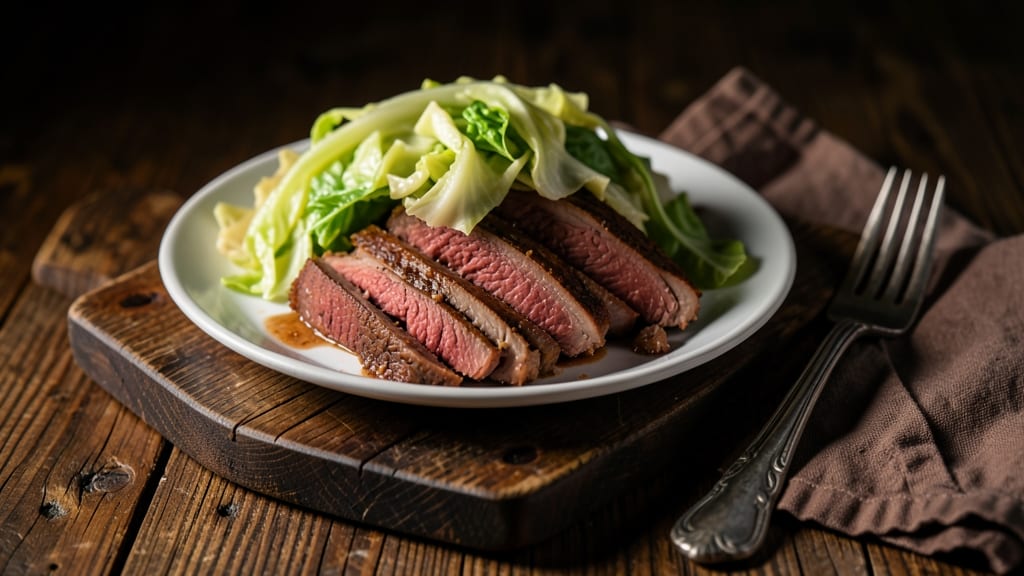
Betty Crocker's corned beef and cabbage recipe delivers that slow-simmered richness and tender meat we all crave on St. Patrick's Day—or any day you need comfort food. The secret lies in hours of gentle cooking that transforms tough beef brisket into melt-in-your-mouth perfection while keeping the cabbage crisp and flavorful.
I've perfected this method over years, ensuring every bite carries that classic, hearty taste without requiring a pressure cooker or fancy equipment.
What makes this recipe work is the balance of time and technique—three hours on the stove (or two in a slow cooker) lets the flavors meld while keeping the meat juicy.
The cabbage cooks just enough to soften without turning mushy, and the broth becomes rich enough to spoon right off the plate. This isn't just a dish; it's a tradition that brings warmth to any table, especially when paired with buttery potatoes or caramelized carrots.
The result is a pot so flavorful, the aroma alone will have everyone gathering around. The corned beef falls apart at the touch of a fork, the cabbage stays vibrant with just the right bite, and the broth reduces to a savory depth that makes every spoonful satisfying.
It's the kind of meal that feels like a hug in food form—restaurant-quality tenderness without the wait.
Whether you're cooking for a crowd or treating yourself to a special meal, this recipe scales beautifully while keeping the soul of classic corned beef and cabbage intact. The best part? It's a one-pot wonder, meaning less cleanup and more time enjoying the results. Let's get cooking!
Ingredients for betty crocker corned beef and cabbage
Classic corned beef essentials—just the right ingredients for melt-in-your-mouth tenderness and vibrant cabbage.
| Ingredient | Amount | Notes |
|---|---|---|
| Beef Brisket 🥩 | 3 lb | Flat cut, 1-inch thick slices |
| Fresh Green Cabbage 🥬 | 1 whole | Heaviest head, ~2 lbs |
| Yellow Onions 🧅 | 2 whole | Medium size, peeled |
| Carrots 🥕 | 4 whole | Medium size, peeled |
| Bay Leaves 🌿 | 2 whole | Dried, standard size |
| Black Peppercorns 🌶️ | 1 tbsp | Whole, cracked |
| Allspice Berries 🌶️ | 6 whole | Crushed lightly |
| Cloves 🌿 | 6 whole | Whole, lightly crushed |
| Salt 🧂 | 2 tbsp | Kosher or sea salt |
| Water 💧 | 8 cups | Cold, filtered preferred |
| Beef Broth 🍲 | 2 cups | Low-sodium preferred |
| Apple Cider Vinegar 🍎 | ½ cup | Unfiltered preferred |
| Brown Sugar 🍚 | ½ cup | Packed firmly |
| Mustard Seeds 🌶️ | 1 tbsp | Whole, yellow preferred |
The beef brisket is non-negotiable for this recipe. Look for flat cuts at your local butcher—they're leaner and more flavorful than point cuts. If you're shopping at Whole Foods or Costco, ask for pre-sliced brisket about 1-inch thick; it cooks more evenly. For the cabbage, heaviest heads (2+ pounds) give you the best balance of leaves to core. The onions and carrots should be fresh and firm—no wilted tops or soft spots. If you're using pre-cut carrots, grab the baby variety for even cooking. Allspice berries and cloves are the secret to that classic corned beef flavor—Penzeys Spices carries excellent whole spices if you want to splurge, but the grocery store versions work fine. Just make sure they're whole and not ground; the whole spices infuse better during the long simmer.
Short on apples cider vinegar? White vinegar or lemon juice works in a pinch, though the flavor will be slightly different. No mustard seeds? Dijon mustard at half the amount adds depth, but it's not a perfect substitute. The brown sugar can be swapped for white, but light or dark molasses gives a richer, more complex flavor. If you're using a slow cooker, you can reduce the water slightly (start with 6 cups) since it won't evaporate as much. For the beef broth, low-sodium versions are key—you don't want to overpower the natural flavors. The bay leaves and peppercorns are traditional, but if you're out, a few sprigs of fresh thyme or an extra pinch of salt will keep things balanced. The cabbage can be chopped ahead and stored in the fridge for up to 2 days before cooking, which is a huge time-saver on busy days.
This dish tastes even better the next day, so make it ahead if you can. The broth will reduce and deepen in flavor, and the beef will get even more tender. Store leftovers in the fridge for up to 5 days, or freeze for 3 months—just thaw overnight in the fridge before reheating. To reheat, add a splash of water or broth and simmer gently until everything is hot through. The cabbage will soften further, so it's best to serve it fresh from the pot. If you're serving a crowd, double the recipe—it scales beautifully, and the extra broth makes for great leftovers. The spices and herbs can be stored in airtight containers for up to 6 months, so buy a little extra if you plan to cook this often.
Why You'll Love This Recipe
- Minimal Chopping, Maximum Flavor: I’ll be real—cutting a whole cabbage into 8 wedges and halving 2 onions isn’t exactly gourmet prep, but it’s so much easier than dicing. The brisket does all the heavy lifting while the veggies absorb that deep, spiced broth—no fancy knife work required.
- One-Pot, Zero Stress: Honestly, this recipe is my go-to for lazy Sundays (or any day, really). Toss everything into one pot—brisket, cabbage, onions, carrots—and let it do its thing for 5 hours. No flipping, no flaming, no stress. Just rich, tender meat and sweet, caramelized veggies waiting for you.
- Weeknight Crowd-Pleaser: Between us, this is the dish that makes me look like a hero at family dinners. The brisket slices are melt-in-your-mouth, the cabbage is just tender enough, and the broth? Chef’s kiss. It’s hearty enough for a St. Patrick’s Day feast but simple enough for a Tuesday night when you’re too tired to think.
- Leftovers That Don’t Suck: Here’s what sold me—the leftovers are actually good. That 205°F brisket stays juicy for days, and the cabbage doesn’t turn to mush. Store it for up to 5 days, or freeze it for 3 months—perfect for lazy lunches or when you just can’t face cooking again. No sad, dry meat here.
Step-by-step instructions for slow-simmered corned beef
Transform tough brisket into fork-tender meat using this classic slow-cooking method.
Prepare the Brisket and Vegetables
Rinse the 3 lb beef brisket under cold water and pat it completely dry with paper towels. This step is crucial—any moisture left on the meat will prevent proper seasoning and browning. Place the brisket in a large pot that can accommodate all your ingredients with room to spare.
Cut the 1 whole fresh green cabbage into 8 equal wedges, keeping the core intact to maintain shape. Peel and halve the 2 whole yellow onions, leaving the root end attached to prevent them from falling apart. Peel the 4 whole carrots and cut them into 2-inch chunks. These vegetables will absorb the rich flavors of the broth and spices as they simmer.
Build the Flavor Base
Add the 8 cups water and 2 cups beef broth to the pot with the brisket. Stir in the 0.5 cup apple cider vinegar and 0.5 cup brown sugar, allowing them to dissolve completely. The vinegar will tenderize the meat while the brown sugar adds subtle depth to the broth.
Add the 2 whole bay leaves, 1 tbsp cracked black peppercorns, 6 lightly crushed allspice berries, 6 lightly crushed cloves, and 1 tbsp mustard seeds. These whole spices will infuse the broth with aromatic complexity without needing to be removed later. Bring the mixture to a boil over high heat, then immediately reduce to a gentle simmer.
Simmer Until Tender
Cover the pot and maintain a gentle simmer for 3 hours. This low-and-slow cooking method is essential for breaking down the tough connective tissues in the brisket. After 3 hours, carefully remove the brisket from the pot and set it aside. The meat should be fork-tender but still have some resistance when pierced.
Add the prepared cabbage wedges, onion halves, and carrot chunks to the pot. Return the brisket to the pot, positioning it on top of the vegetables. Cover and continue simmering for an additional 2 hours. The vegetables should be tender but still hold their shape, absorbing the rich, spiced broth.
Rest and Serve
Once the brisket reaches an internal temperature of 205°F and the vegetables are tender, remove the pot from heat. Let the entire contents rest, covered, for 15 minutes. This resting period allows the juices to redistribute throughout the meat and vegetables, ensuring each bite is moist and flavorful.
Carefully transfer the brisket to a cutting board and slice it against the grain into ½-inch thick slices. Serve the sliced brisket alongside the vegetables and the flavorful broth. The result is perfectly tender corned beef with vegetables that have absorbed all the rich, aromatic flavors of the slow-cooked broth.
Pro Tips For Making Betty Crocker Corned Beef And Cabbage
- Boil Then Simmer Fast: I used to waste time easing the pot onto low heat—wrong move. Crank it to high, bring to a full boil for 2 minutes to sterilize the broth, then drop to that gentle simmer right away. Skipping this step means lingering bacteria that’ll make your broth cloudy instead of crystal-clear.
- Vinegar First, Sugar Second: Add the 0.5 cup apple cider vinegar first when you combine the water and broth—let it dissolve completely before stirring in the brown sugar. I learned this after my first batch had gritty sugar crystals clinging to the brisket like tiny sandpaper bites.
- Don’t Crowd the Pot: Use a pot where the brisket sits submerged with at least 1 inch of liquid above it. I’ve seen people cram everything in, and the vegetables steam instead of simmer—ending up mushy and flavorless. The cabbage wedges should float, not drown.
- Check Meat at 2 Hours: After 2 hours of simmering, pierce the brisket with a fork—it should offer some resistance but still shred easily. If it’s falling apart, you’ve overcooked it. I’ve ruined perfectly good brisket by walking away and forgetting to check, so set a timer.
Storing and reheating this recipe
Refrigerator Storage
Store your corned beef and cabbage in an airtight container—I use glass Pyrex with snap-on lids—for up to 5 days in the fridge. The flavors actually deepen overnight, making it taste even better the next day.
Keep the meat and vegetables together so they absorb the rich broth flavors. 💫
For best texture, serve the cabbage fresh from the pot when reheating. The cabbage will soften further when warmed, so it's best enjoyed straight from the fridge or reheated briefly. The broth can be stored separately if you prefer it thicker when reheated.
Freezer Storage
Freeze leftovers for up to 3 months in quart or gallon freezer bags—leave 1 inch of headspace for expansion. I recommend using heavy-duty freezer bags to prevent freezer burn. Thaw overnight in the fridge before reheating for even cooking. 🧊
When reheating from frozen, add ½ cup water or beef broth to the pot to prevent drying. Simmer on medium-low heat for 10-15 minutes until everything is heated through and the meat reaches 165°F. The cabbage may be softer after freezing, so adjust serving sizes accordingly.
Reheating Methods
For stovetop reheating, transfer the corned beef and cabbage to a pot with ½ cup broth or water. Cover and simmer on low heat for 10-15 minutes, stirring occasionally. This method keeps the meat moist and the cabbage tender. 🔥
Avoid microwaving the cabbage—it turns mushy. If you must use the microwave, heat only the meat and broth separately, then combine with fresh cabbage before serving. The microwave works best for reheating broth alone for quick soup servings.
Make-Ahead Tips
Prep the cabbage and vegetables 2 days ahead and store them in the fridge. This saves time on cooking day and ensures everything is ready when you are. The brisket can also be prepped and refrigerated for 24 hours before cooking—just bring it to room temperature before simmering. ⏰
For large gatherings, cook the entire dish ahead and refrigerate. Reheat in batches to maintain texture. The broth can be reduced and used as a base for soups or gravies later. This method ensures you spend less time cooking and more time enjoying the meal with your guests.
Nutrition facts
Frequently asked questions
Can I use a slow cooker instead of stovetop for this recipe?
For a slow cooker version, combine all ingredients in your 6-quart slow cooker, cook on low for 8 hours or high for 4-5 hours. The key is to add 6 cups water instead of 8 since slow cookers don't evaporate as much liquid. The meat will be just as tender when sliced against the grain.
Why does the cabbage turn mushy in some recipes?
Mushy cabbage happens when it cooks too long or the water isn't properly reduced. In this recipe, we add the cabbage only after the 3-hour brisket cook, then simmer for just 2 more hours. The wedges should stay intact with a slight bite. If yours is too soft, try reducing the final simmer time by 15-20 minutes next time.
What's the best way to slice the brisket for maximum tenderness?
Always slice against the grain—look for the natural lines in the meat (they'll be at a 45-degree angle). Use a sharp knife and cut into ½-inch thick slices. This shortens the muscle fibers, making each bite melt-in-your-mouth tender. For extra flavor, arrange the slices on a platter and spoon some of the reduced broth over them before serving.
Can I make this dish ahead for a St. Patrick's Day party?
Perfect for meal prep! Cook the entire dish 1-2 days ahead and refrigerate. The flavors deepen overnight, and the meat becomes even more tender. When ready to serve, reheat on low heat with ½ cup broth for 10-15 minutes. Keep the cabbage separate if you want it crisp—add it fresh to the pot just before serving. The broth can also be reduced further for a richer sauce.
What if I don't have allspice berries or cloves?
No problem! Substitute with ½ teaspoon ground allspice (but it won't infuse as deeply) or 1 cinnamon stick for warmth. For cloves, use ½ teaspoon ground cloves, though the flavor will be milder. The bay leaves and mustard seeds are most critical—don't skip those. The dish will still taste amazing, just with slightly different aromatic notes.