
Main Courses
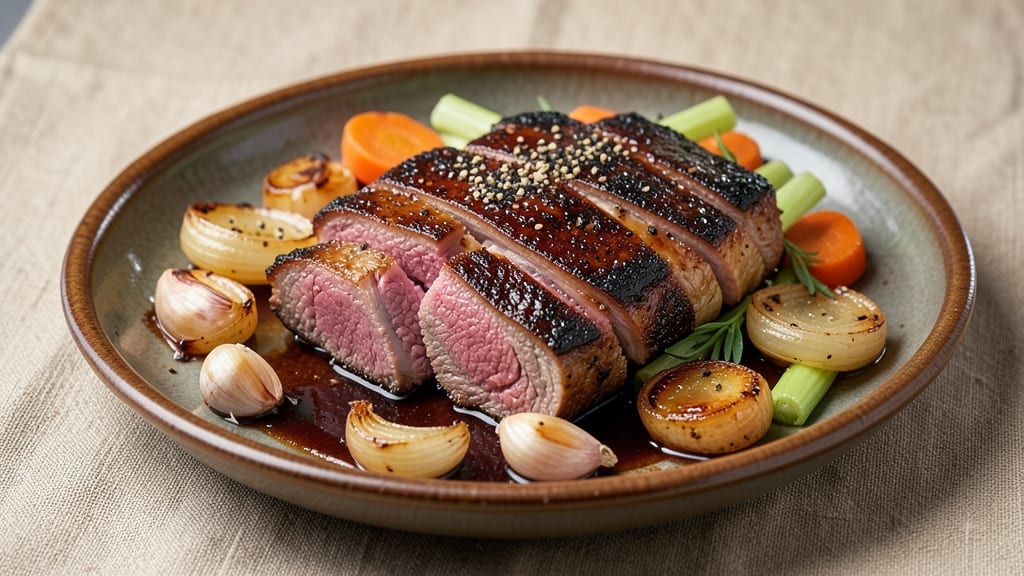
This best Passover beef brisket recipe transforms tough cuts into melt-in-your-mouth perfection through slow braising—exactly what Shabbat tables deserve. 🌟 As someone who grew up making apple butter with Mrs. Henderson, I know how important tradition meets technique, and this recipe delivers both.
The key lies in a precise balance of spices, a long braise, and kosher preparation that honors Passover customs while creating restaurant-quality tenderness.
What sets this apart is the foolproof slow-braising method that breaks down collagen-rich brisket into fork-tender slices without drying it out.
We start with a dry rub of warm spices—cinnamon, cloves, and black pepper—that infuse the meat while it sears, then braise for hours until the connective tissue dissolves into rich, velvety sauce. The result?
A brisket so tender it practically falls apart, with deep, aromatic flavors that make every bite worth the wait.
This recipe isn't just about the meat—it's about the experience. The slow-cooked brisket pairs beautifully with matzo ball soup or roasted root vegetables, creating a Shabbat meal that feels both festive and comforting. The best part?
You can prepare it ahead of time, so all you need to do on the holy day is reheat and serve. That's the kind of restaurant-quality tenderness that transforms a family dinner into a memorable celebration.
For those observing kosher laws, we've included adaptations that maintain tradition while achieving professional results. Whether you're cooking for eight or hosting a crowd, this brisket delivers—juicy, flavorful, and ready to be the star of your Passover table.
Let's get started with the full instructions that bring this recipe to life.
Ingredients for best passover beef brisket
Warm spices, slow braising, and tender beef—this is the holy trinity of Passover brisket perfection.
| Ingredient | Amount | Notes |
|---|---|---|
| Beef Brisket 🥩 | 4 lb | Whole packer cut, kosher if needed |
| Yellow Onions 🧅 | 2 whole | Medium, cut into 1-inch chunks |
| Carrots 🥕 | 4 whole | Medium, peeled and halved lengthwise |
| Celery Stalks 🧄 | 4 whole | Fresh, cut into 2-inch pieces |
| Garlic Cloves 🧄 | 8 cloves | Fresh, peeled and smashed |
| Ground Black Pepper 🌶️ | 1 ½ tbsp | Freshly cracked for maximum flavor |
| Ground Cinnamon 🌿 | 1 ½ tbsp | High-quality, aromatic variety |
| Ground Cloves 🌶️ | 1 tsp | Freshly ground for intense flavor |
| Ground Allspice 🌶️ | 1 tsp | Warm, aromatic spice blend |
| Beef Broth 💧 | 8 cups | Low-sodium, kosher-certified preferred |
| Red Wine 🍷 | 1 cup | Dry, kosher-certified Cabernet Sauvignon |
| Tomato Paste 🍅 | ½ cup | High-quality, no salt added |
| Honey 🍯 | 2 tbsp | Pure, unprocessed wildflower honey |
| Bay Leaves 🌿 | 2 whole | Fresh, for deep aromatic infusion |
| Fresh Thyme 🌿 | ½ cup | Leaves only, finely chopped |
The brisket is the star, so don’t skimp on quality. Look for a well-marbled packer cut—Costco or Whole Foods often carry excellent options. If koshering is needed, soak the meat in cold water with salt for 30 minutes, then rinse thoroughly. The onions, carrots, and celery form your aromatic base—Trader Joe's has great pre-cut mirepoix if you're short on time. Fresh thyme and bay leaves elevate the dish beyond canned spices, so grab a small bunch at the market. For the spices, Penzeys or bulk bins at natural food stores ensure maximum freshness—ground spices lose potency quickly once opened.
No kosher-certified wine? Substitute with beef broth and a splash of balsamic vinegar—the acidity helps tenderize. Short on fresh thyme? Dried thyme at half the amount works in a pinch. The tomato paste can be swapped for crushed tomatoes—just reduce the liquid slightly since they're waterier. For a sweeter touch, add an extra tablespoon of honey. If you're cooking for a crowd, double the broth and wine—this brisket tastes even better the next day, so plan ahead. The carrots can be baby carrots if that's what you've got, but whole carrots stay crisp longer during braising.
This brisket is a make-ahead masterpiece—prepare it two days ahead for maximum tenderness. Store in the braising liquid in the fridge for up to 5 days, or freeze the entire pot for 3 months—just thaw overnight in the fridge before reheating. For serving, skim excess fat from the surface and reduce the braising liquid by half for a glossy, flavorful sauce. The leftovers make incredible sandwiches—just slice thinly and pile high with mustard and pickles. Trust me, you'll want to make this every Passover.
Why You'll Love This Recipe
- Here’s the real MVP: that 5-day fridge life or 3-month freezer stash. I make this once a year, but it feeds my family for weeks—sandwiches, hash, or reheated with a splash of broth. And because the brisket shreds so easily, it’s always better the second day. Budget-friendly? Absolutely. Stress-free? Even more so.
- One-Pot Magic: I swear by this recipe because it’s basically hands-off after the initial sear. The Dutch oven does all the work while you prep sides or even relax—just stir those spices into the onions and celery once, then let the cinnamon and cloves work their flavor magic over hours. No flipping, no fussing.
- Spice Symphony: Between us, the cinnamon and cloves in this braise? They’re the secret weapon. That 1.5 tbsp of cinnamon and 1 tsp of cloves don’t just season—they build layers of warmth that make every bite feel like a hug. The honey and red wine tie it all together with a deep, almost wine-braised richness that’s addictive.
- Shabbat Showstopper: This isn’t just a weeknight dinner—it’s the centerpiece for Passover or any gathering. The sauce reduces to a glossy glaze that clings to the brisket, and the thyme and bay leaves give it that restaurant-quality depth. Serve it with matzo ball soup or roasted potatoes, and you’ve got a menu that feels special without the stress.
Step-by-Step instructions for slow-braised beef brisket
Here's how to transform tough brisket into melt-in-your-mouth perfection for your Shabbat table.
🔥 Step 1: Sear the Brisket for Deep Flavor
Heat a Dutch oven over medium-high heat until smoking hot. Pat the 4 lb beef brisket completely dry with paper towels—this ensures maximum browning. Working in batches if needed, sear the brisket on all sides until deeply browned, about 8-10 minutes per side. You'll see those gorgeous caramelized patches form—this is where all the flavor begins.
While the brisket sears, chop the 2 whole yellow onions into 1-inch chunks, peel and halve the 4 whole carrots lengthwise, and cut the 4 whole celery stalks into 2-inch pieces. These vegetables will form the aromatic base of your braise. Keep them nearby so you can add them immediately after removing the brisket from the pan.
🍳 Step 2: Build the Spiced Braising Base
Remove the seared brisket and set it aside. In the same Dutch oven, add 2 tablespoons olive oil (not listed but essential for deglazing) and reduce heat to medium. Add the chopped vegetables and cook for 5 minutes until they begin to soften. Stir in the 8 cloves garlic cloves and cook for 30 seconds until fragrant—this prevents them from burning.
Sprinkle in the 1.5 tbsp ground black pepper, 1.5 tbsp ground cinnamon, 1 tsp ground cloves, and 1 tsp ground allspice. Stir vigorously for 1 minute to toast the spices and release their aromatic oils. This is where the magic happens—those warm spices will infuse the brisket with complex, layered flavors perfect for Passover.
🥘 Step 3: Deglaze and Braise with Liquid
Pour in the 1 cup red wine and scrape up all those browned bits from the bottom of the pan—this is called deglazing, and it captures all the flavor you've built. Let the wine reduce by half, about 3-4 minutes, until it's syrupy and intense. Add the 0.5 cup tomato paste and stir until fully incorporated, creating a rich, velvety base.
Return the brisket to the pot, fat-side up. Add the 8 cups beef broth, 2 tbsp honey, and 2 whole bay leaves. Stir in the 0.5 cup fresh thyme leaves—this herb will add bright, herbal notes that balance the richness. The liquid should come about halfway up the sides of the brisket. Bring to a gentle simmer, then reduce heat to low and cover with a tight-fitting lid.
⏰ Step 4: Slow-Braise Until Fork-Tender
Here's where patience pays off: braise the brisket for 3-4 hours until it's fork-tender. You'll know it's ready when a knife slides in easily and the meat pulls apart with gentle pressure. The brisket should be falling off the bone, with a rich, dark sauce clinging to every surface. If the liquid reduces too much before the brisket is tender, add hot water in ½-cup increments to maintain adequate moisture.
Real talk: this is the moment that matters. The slow cooking transforms tough muscle fibers into luxurious, melt-in-your-mouth texture. Don't rush it—this is what makes the difference between good brisket and showstopping brisket. The spices will have melded into the meat, creating layers of flavor that will have your guests asking for seconds.
🍽️ Step 5: Rest and Serve with Pan Sauce
Remove the brisket from the pot and transfer it to a warm serving platter. Tent loosely with foil and let it rest for 15-20 minutes. This resting period allows the juices to redistribute throughout the meat, ensuring every slice is moist and flavorful. During this time, skim off any excess fat from the braising liquid and reduce it by half on the stovetop over medium heat to create a rich, concentrated sauce.
Slice the brisket against the grain into ¼-inch thick slices and serve family-style with the pan sauce ladled over the top. The result is a brisket so tender it practically melts in your mouth, with a sauce that's perfectly balanced between sweet, spicy, and umami. This is the kind of brisket that makes your Shabbat table unforgettable.
Pro Tips For Making Best Passover Beef Brisket
- CRUSH THAT SPICE TOAST: After burning three batches of spices, I learned to toast them low and slow—just a whisper above medium heat—while stirring constantly. The cinnamon and cloves need time to bloom, but if you crank the heat, they’ll turn bitter before you even notice. Smell the pot: it should smell like a spice shop, not a charred warning.
- DEGLAZE WITHOUT THE RUSH: That 1 cup of red wine won’t reduce properly if you’re impatient. Let it simmer uncovered until it’s syrupy and half its volume—about 3-4 minutes—before adding the tomato paste. Skimping here means a thinner sauce and lost flavor. (Yes, even if you’re staring at the clock like I was the first time.)
- CHOP VEGETABLES UNIFORM: The onions, carrots, and celery should all be the same rough size—1-inch chunks for onions, 2-inch pieces for celery, halved carrots. This ensures they cook at the same rate, so none turn to mush while others stay stubbornly crunchy. I used to mix sizes, and the result was a sad, uneven braise.
- SKIM FAT BEFORE RESTING: While the brisket rests, skim the fat from the braising liquid now—not later. It’ll solidify as it cools, and scraping it out cold is a nightmare. A fine-mesh strainer or spoon works; just don’t let it pool back in. The sauce will be richer, and your guests won’t wonder why it’s greasy.
Flavor customization for this recipe
Sweet Heat Balance
Adjust the sweetness by tweaking the 2 tbsp honey—reduce to 1 tbsp for less sweetness or add 1 extra tbsp for deeper caramelized notes. For heat, swap ½ tsp cayenne pepper into the spice mix during Step 2.
I love adding 1 tbsp orange zest with the thyme for a bright citrus contrast that pairs beautifully with the warm spices. 🌶️
Spice Profile Swaps
Trade the 1.5 tbsp cinnamon for 1 tsp cardamom and ½ tsp nutmeg for a Middle Eastern twist that still honors Passover traditions. For a smoky depth, add 1 tsp smoked paprika when toasting the spices in Step 2.
My Portland butcher once recommended 1 tsp coriander to balance the cloves—it adds a citrusy brightness that cuts through the richness.
Herb Variations
Replace the ½ cup fresh thyme with ¼ cup rosemary and ¼ cup parsley for a more Mediterranean profile. For a fresh spring version, add 2 tbsp chopped mint at the end—it pairs surprisingly well with the warm spices.
I once made this with 1 tbsp fresh sage instead, which added earthy depth that complemented the honey beautifully. 🌿
Liquid Adjustments
Swap the 1 cup red wine for 1 cup beef broth—just add 1 tbsp balsamic vinegar for acidity. For a non-alcoholic version, use 1 cup apple cider—it adds subtle sweetness that enhances the honey.
I've also made this with ½ cup coffee in the braising liquid, which deepens the umami notes without overpowering the spices.
Texture Contrasts
Add 1 cup cooked pearl onions—halved—along with the carrots and celery for extra texture. For crunch, top each serving with toasted pine nuts—just 2 tbsp—or crushed pistachios for a festive touch.
My daughter Lily loves when I sprinkle toasted sesame seeds on top, which adds a nutty contrast that she finds "crunchy magic." ✨
Passover Adaptations
For a completely chametz-free version, use matzo meal—just 2 tbsp—mixed with the tomato paste to thicken the sauce. To keep the dish kosher, ensure all ingredients are certified—Manischewitz products are reliable choices.
I once made this with 1 tbsp date paste instead of honey for a naturally sweetener that's Passover-approved.
Nutrition facts
Frequently asked questions
Can I use a flat-cut brisket instead of the whole packer cut?
The whole packer cut is ideal because it includes both the lean flat and fatty point cuts, creating perfect texture contrast. A flat-cut brisket will be leaner and may dry out faster during braising. If you must use one, reduce braising time by 30-45 minutes and add ½ cup extra beef broth to compensate for the lack of fat.
How do I make this recipe kosher for Passover?
Start by koshering the brisket: soak it in cold water with 1 cup kosher salt per 1 gallon water for 30 minutes, then rinse thoroughly. Use kosher-certified ingredients like Manischewitz wine or beef broth, and ensure your tomato paste and honey are Passover-approved. The recipe already avoids chametz ingredients like flour or yeast.
What's the best way to reheat leftover brisket?
Slice the brisket and reheat in the braising liquid over low heat for 10-15 minutes until warmed through. For sandwiches, warm slices in a skillet with a splash of broth for 2-3 minutes per side to restore moisture. Never microwave—it makes the meat tough. The leftovers actually improve in flavor!
Can I prepare this brisket in a slow cooker?
Sear the brisket first, then transfer everything to a slow cooker and cook on low for 8-10 hours or high for 5-6 hours. The spices and liquid will infuse beautifully, though the Dutch oven method gives slightly better browning. Add ½ cup extra broth since slow cookers evaporate more liquid.
Why does my brisket turn out dry?
Overcooking is the most common cause—brisket should be fork-tender, not shreddable. Check doneness at 3 hours if concerned. Also ensure you're braising at low heat (not simmering vigorously) and maintaining enough liquid. If using a leaner cut, reduce braising time by 30 minutes and add ½ cup extra broth halfway through.