
Main Courses
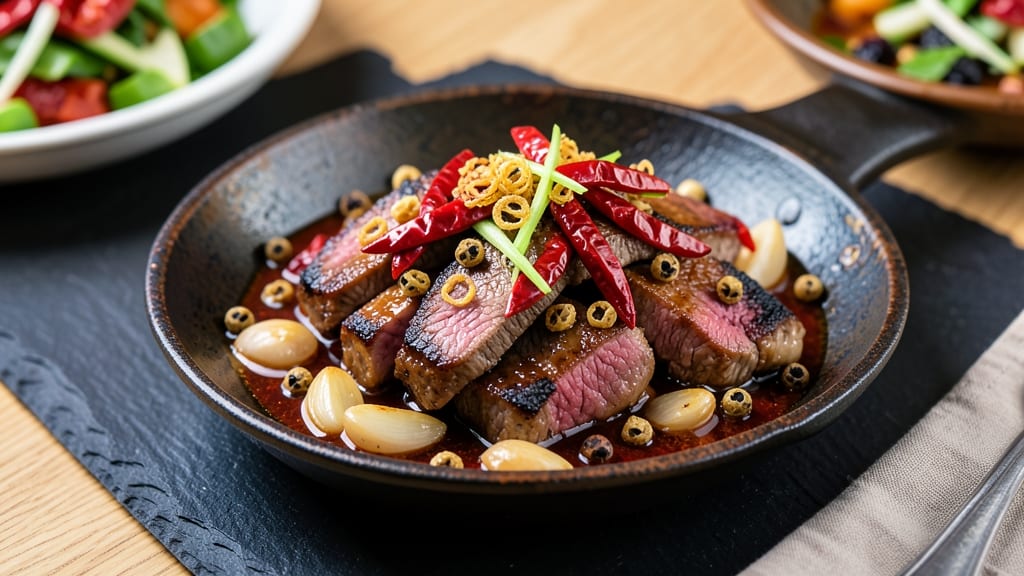
Authentic kung pao beef delivers the perfect balance of fiery heat, nutty peanuts, and tender beef—just like your favorite Chinese restaurant. ✨ The secret lies in properly marinating the beef, stir-frying at high heat, and building layers of flavor through the signature sauce. This recipe captures the bold, complex taste of Sichuan cuisine without requiring special equipment.
What sets this dish apart is the numbing-spicy sensation from Sichuan peppercorns, combined with a sweet-savory-sour sauce that coats every bite. The beef stays tender yet develops a slight char from the wok, while crispy fried peanuts add texture.
I’ve simplified the process without sacrificing authenticity—no shortcuts, just restaurant-quality results in under 20 minutes.
By the end, you’ll have a vibrant, aromatic dish with perfectly seared beef, glossy red sauce, and a garnish of peanuts and scallions that adds crunch and freshness.
The aroma alone will have everyone at the table asking for seconds. Serve it over steamed jasmine rice to soak up every last bit of that flavorful sauce.
This recipe is designed to impress—whether you’re cooking for family, friends, or just treating yourself to a taste of Sichuan. The key is patience in marinating and confidence in stir-frying. Let’s get started!
Ingredients for authentic kung pao beef
These bold ingredients deliver restaurant-style kung pao flavor in your kitchen.
| Ingredient | Amount | Notes |
|---|---|---|
| Beef Sirloin 🥩 | 1 ½ lb | Cut into 1-inch cubes |
| Sichuan Peppercorns 🌶️ | 1 tbsp | Toasted and crushed |
| Dried Red Chilies 🌶️ | 2 pieces | Seeds removed, chopped |
| Garlic Cloves 🧄 | 6 cloves | Minced |
| Fresh Ginger 🌿 | 1 inch | Julienned |
| Light Soy Sauce 🥢 | 3 tbsp | Kikkoman preferred |
| Dark Soy Sauce 🥢 | 1 tbsp | For color |
| Shaoxing Wine 🍷 | 2 tbsp | Substitute dry sherry |
| Rice Vinegar 🍶 | 1 tbsp | White vinegar works |
| Brown Sugar 🍯 | 2 tbsp | Packed |
| Vegetable Oil 🫒 | ½ cup | High smoke point |
| Peanuts 🥜 | ½ cup | Roasted, unsalted |
| Green Onions 🧅 | 3 whole | Cut into 1-inch pieces |
| Sesame Oil 🫒 | 1 tsp | For aroma |
| Cornstarch 🌾 | 1 tbsp | For coating beef |
The beef is everything here—sirloin stays tender while developing a slight char. Look for well-marbled cuts at the butcher counter or pre-cut beef at Costco for convenience. Sichuan peppercorns are the secret weapon—toast them in a dry pan for 30 seconds until fragrant before crushing. I grab mine from the Asian market section at Walmart, but any store with a bulk spices aisle works. Fresh ginger and garlic? Buy extra—you'll use them in everything this week. For the chilies, dried red chilies from the international aisle give that signature heat without overwhelming the dish.
No Shaoxing wine? Dry sherry or even a splash of rice vinegar works in a pinch. The peanuts? Roast your own (toss with oil, bake at 350°F for 10 minutes) for maximum crunch, but store-bought roasted peanuts save time. Short on brown sugar? White sugar works fine, just dissolve it first. The cornstarch coating is non-negotiable—it gives the beef that perfect sear. If you don't have it, all-purpose flour at half the amount gets you close. For the soy sauces, Kikkoman light and dark are my go-tos, but any decent brand does the job. The green onions? Use the whole onion—white and green parts both add flavor.
This dish tastes even better the next day—store leftovers in an airtight container for up to 3 days. The sauce thickens as it sits, so a splash of water revives it perfectly. For extra authenticity, garnish with extra sesame oil and crushed peanuts before serving. The peanuts can be fried fresh or store-bought—just heat them in the same pan as the beef for extra flavor. Freezes beautifully for 3 months if you make a double batch. I always do—leftovers make amazing lunch wraps with rice and extra sauce.
Why You'll Love This Recipe
- One-Pan Magic: I swear by this recipe—just sear the beef, toast the Sichuan peppercorns and chilies in the same pan, and let the garlic and ginger do their thing. No extra dishes, no stress, just that smoky, charred flavor clinging to everything.
- Flavor Explosion: Between us, the Sichuan peppercorns give this dish that tingle—like a spicy hug for your mouth—and the dried chilies add heat that lingers without overpowering. Honestly, the first bite always makes me reach for another.
- Weeknight Hero: This is my go-to when I’m too tired to fuss. Double the batch, toss in some veggies or rice, and you’ve got dinner for two nights. (Yes, even on a Tuesday when takeout menus feel overwhelming.)
- Budget-Friendly Powerhouse: Sirloin stretches far when sliced thin, and the spices cost pennies. I’ll be real: the first time I made this, I panicked about the price tag—but the leftovers? Better than delivery, and half the cost.
Step-by-step instructions for wok-fried Kung Pao beef
Here's how to bring authentic Sichuan flavors to your kitchen with this quick, fiery dish.
🔥 Step 1: Prep the Beef and Spice Blend
Cut the 1.5 lb beef sirloin into 1-inch cubes—keep them uniform so they cook evenly. Toss them in a bowl with 1 tbsp cornstarch and mix until fully coated. This creates a crispy crust during wok-frying.
In a small bowl, crush the 1 tbsp Sichuan peppercorns with a mortar and pestle or rolling pin—you want a fine powder. Remove seeds from the 2 pieces dried red chilies and chop them finely. Set both aside; these will bring the signature numbing heat and spice.
🍳 Step 2: Stir-Fry the Aromatics and Beef
Heat a wok or large skillet over high heat until smoking, then add 0.5 cup vegetable oil. Once shimmering, add the minced 6 cloves garlic and 1-inch julienned ginger, stir-frying for 30 seconds until fragrant but not browned. Add the chopped dried red chilies and crushed Sichuan peppercorns, stirring for 10 seconds—this releases their aromatic oils.
Add the cornstarch-coated beef in a single layer. Let it sear undisturbed for 1 minute until golden brown on one side, then stir and cook for another 2 minutes until fully cooked through. Remove beef to a plate and set aside—it'll stay warm while you build the sauce.
🥘 Step 3: Build the Signature Kung Pao Sauce
In the same wok, reduce heat to medium-high and add 2 tbsp Shaoxing wine, scraping up any browned bits from the bottom. Let it simmer for 30 seconds until mostly evaporated. Add 3 tbsp light soy sauce, 1 tbsp dark soy sauce, 1 tbsp rice vinegar, and 2 tbsp brown sugar, stirring constantly for 1 minute until the sauce thickens slightly.
Return the beef to the wok and toss to coat evenly. Add the 0.5 cup roasted peanuts and 3 whole green onions cut into 1-inch pieces, stirring for 30 seconds until everything is well combined. The sauce should cling to the beef and peanuts, creating that signature sticky texture.
🔥 Step 4: Finish with Sesame Oil and Serve
Turn off the heat and drizzle in 1 tsp sesame oil, tossing quickly to distribute. This adds that final aromatic punch that makes the dish authentic. Taste and adjust seasoning—you might want to add a splash more light soy sauce if it needs more saltiness or a pinch of sugar if it's too sharp.
Serve immediately over steamed rice, letting diners experience the perfect balance of spicy, nutty, and savory flavors in every bite. The Sichuan peppercorns will give a subtle numbing sensation that pairs perfectly with the heat from the dried chilies—this is what makes Kung Pao beef truly special.
Pro Tips For Making Authentic Kung Pao Beef
- BLANCH THE CHILIES: Toss dried red chilies in a dry pan over medium heat for 10-15 seconds until they smell like smoke—this softens their tough skins and deepens their flavor. I used to skip this, and my sauce always tasted dull until I realized the difference.
- STIR-FRY IN BATCHES: Crowd the beef and you’ll steam it instead of sear it. Cook half the beef first, remove it to a plate, then finish the second batch before tossing everything back in. High heat’s your friend here—no, really, crank it up.
- TOAST PEPPERCORNS WHOLE: Crush Sichuan peppercorns after toasting them whole in a dry pan for 30 seconds—they’ll release their citrusy aroma and avoid bitterness. I was skeptical until I tried it: the sauce now has that signature numbing kick without overpowering.
- USE COLD BEEF: Pat the beef completely dry, then refrigerate it for 20 minutes before slicing—it stays together better and sears like a dream. Thin strips? Yes, but not so thin they disintegrate. Aim for ¼-inch thickness.
Regional styles of these flavors
Sichuan Roots
Kung Pao beef originated in Chongqing, Sichuan province, where it was traditionally served as a royal banquet dish during the Qing Dynasty. The name comes from Gongbao Chicken—a dish prepared by the Gong family—which inspired this beef variation.
Sichuan cuisine's signature numbing-spicy flavor profile comes from Sichuan peppercorns and dried chilies, both essential here. 🌶️
In Chengdu, the dish became a street food staple, often paired with steamed mantou (bread rolls) instead of rice. The high-heat wok technique ensures tender beef with a smoky crust, while the sweet-savory sauce balances the heat. This version stays true to those traditions while adapting for home kitchens.
Hong Kong Twist
Hong Kong's version is sweeter and slightly oilier, reflecting its colonial influences. Here, dark soy sauce is used more generously for a deeper red color, and the sauce often includes a touch of hoisin for extra richness.
The peanuts are sometimes double-fried for extra crunch. This style became popular in 1950s-60s Cantonese restaurants and is what many Westerners first encounter.
For this twist, replace 1 tbsp of light soy sauce with hoisin and add ½ tsp sugar to the sauce base. Garnish with extra peanuts and a drizzle of chili oil for that Hong Kong flair. The result is a glossier, slightly stickier dish that’s perfect for takeout-style meals.
Singapore Fusion
Singapore’s take on Kung Pao beef blends Malaysian and Chinese flavors, often adding coconut milk or tamarind paste for a tangy depth. You’ll also find lemongrass and kaffir lime leaves in some versions, giving it a bright, herbal note.
This adaptation is common in hawker centers and reflects Singapore’s multicultural cuisine. 🌏
To make this version, stir 1 tbsp coconut milk into the sauce after adding the sugar, and add 1 stalk lemongrass (bruised) and 2 kaffir lime leaves (torn) to the aromatics during stir-frying.
Remove them before serving. The dish gains a creamy, citrusy dimension that pairs beautifully with jasmine rice.
Taiwanese Home-Style
In Taiwan, Kung Pao beef is often simpler and homier, with a focus on bold, unapologetic flavors. The sauce is thicker, almost like a sticky glaze, and the beef is cut into smaller, more uniform pieces.
Taiwanese cooks also love to add dried shiitake mushrooms for an umami boost. This version is a weeknight staple in Taiwanese households. 🍛
For this adaptation, add 2 dried shiitake mushrooms (soaked and sliced) with the garlic and ginger. After cooking the beef, reduce the sauce with 1 tsp tomato paste for extra depth.
Serve with pickled vegetables on the side to cut through the richness. The result is a hearty, comforting dish that’s perfect for feeding a crowd.
Modern American Adaptations
American versions often mild the heat and increase sweetness to suit local palates. You’ll find honey or maple syrup replacing some of the brown sugar, and bell peppers added for color and mildness. Some restaurants even use ground beef for convenience, though sirloin cubes are traditional. 🥩
For a family-friendly version, swap 1 tbsp of the dried chilies for ½ bell pepper (diced) and reduce the Sichuan peppercorns to ½ tbsp. Add 1 tsp honey to the sauce for extra sweetness. This keeps the authentic essence while making it approachable for kids or heat-sensitive diners.
Nutrition facts
Frequently asked questions
Why does authentic Kung Pao beef have that tingling sensation?
The signature numbing-spicy kick comes from Sichuan peppercorns, which contain a compound called hopsin that creates that unique tingling effect on your tongue. Unlike regular chili peppers, this sensation is temporary and pairs perfectly with the heat from the dried red chilies. Toasting the peppercorns before crushing enhances their aroma and flavor.
Can I substitute ground beef for sirloin in this recipe?
While you can use ground beef, it won't deliver the same authentic texture and flavor. Ground beef tends to release more fat and moisture, which can make the dish greasier. For a closer substitute, try flank steak or ribeye cut into small cubes. The key is using well-marbled beef that stays tender during quick cooking.
How do I make Kung Pao beef less spicy for kids?
Reduce the heat by using ½ tbsp of Sichuan peppercorns and 1 dried chili instead of 2. For extra mildness, remove the seeds from the chilies completely. You can also serve the dish with pickled cucumbers or extra rice on the side to help balance the flavors. Always taste as you go!
What's the best way to reheat leftovers?
Reheat Kung Pao beef in a skillet over medium heat with 1 tsp oil and a splash of water to prevent drying. Stir frequently for 3-4 minutes until warmed through. For extra crispiness, add fresh peanuts and green onions when reheating. The dish tastes even better the next day as flavors meld!
Can I make Kung Pao beef without a wok?
Use a large skillet or cast-iron pan with high sides to contain the ingredients. The key is maintaining high heat and working quickly. If your pan isn't wide enough, cook in batches. A well-seasoned cast iron pan actually works better than non-stick for developing that authentic wok flavor.