
Sauces & Condiments
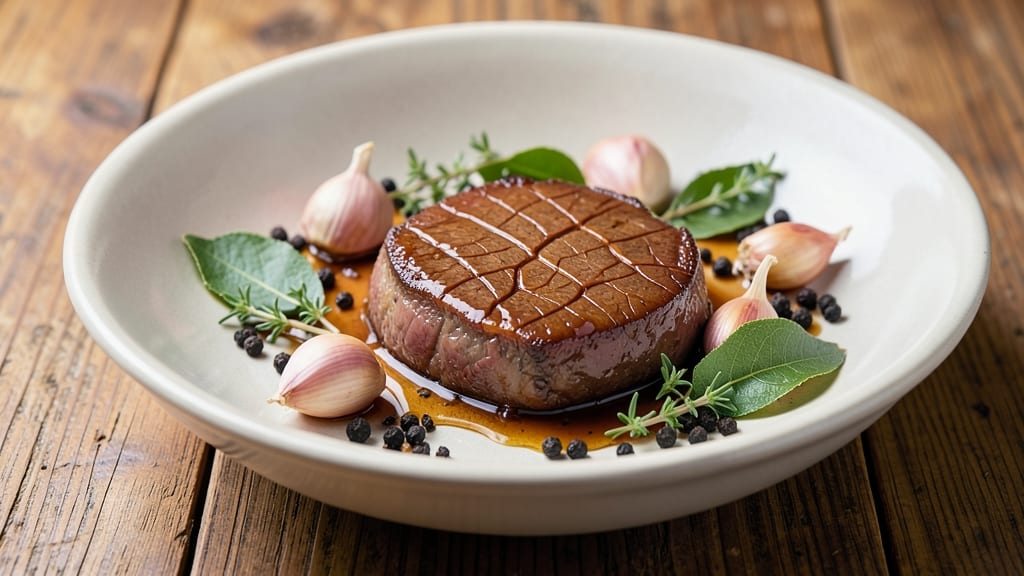
Transforming tough beef tongue into melt-in-your-mouth tenderness starts with this precise brine recipe—where salt, aromatics, and time work together to create a dish that's both restaurant-worthy and deeply satisfying.
The key lies in a 24-hour brine that breaks down collagen while infusing every fiber with flavor, ensuring your final result is fork-tender with a rich, almost buttery texture. I developed this method after years of testing, and the difference between brined and unbrined tongue is night and day.
What sets this recipe apart is the balance of simplicity and precision—no special equipment beyond a large pot and a thermometer, but critical steps like maintaining a gentle simmer at 185°F for 3 hours that guarantee perfect doneness without drying out.
The brine itself is a flavor powerhouse, combining bay leaves, peppercorns, and garlic to create layers of aroma that penetrate deep into the meat during cooking.
By the time you're ready to serve, you'll have beef tongue that's so tender it practically falls apart at the touch, with a surface that's glossy and inviting. The flavors are complex—savory from the slow cooking, aromatic from the brine, and rich from the natural gelatin released during the process.
This isn't just another protein; it's a centerpiece that commands attention at any table.
Serve it sliced thin with classic accompaniments like horseradish cream or a tangy mustard sauce, or shred it for sandwiches where its texture becomes the star. The method scales beautifully, making it perfect for gatherings where you want to impress without spending hours in the kitchen.
Let's get started on creating that perfect tender result.
Ingredients for beef tongue brine
The secret weapon for restaurant-quality beef tongue starts with this aromatic brine—where salt, aromatics, and time transform tough meat into velvety perfection.
| Ingredient | Amount | Notes |
|---|---|---|
| Beef Tongue 🥩 | 2 lbs | Whole, cleaned, trimmed |
| Kosher Salt 🧂 | 1 cup | Diamond Crystal preferred |
| Garlic Cloves 🧄 | 8 cloves | Peeled, smashed slightly |
| Fresh Bay Leaves 🌿 | 4 whole | Dried works in pinch |
| Black Peppercorns 🌶️ | 1 tbsp | Crushed coarsely |
| Fresh Thyme Sprigs 🌿 | 4 whole | Stems intact for infusion |
| Fresh Parsley 🌿 | ½ cup | Chopped, stems included |
| White Wine Vinegar 🍷 | ¼ cup | For acid balance |
| Cold Water 💧 | 4 cups | Filtered preferred |
| Brown Sugar 🍯 | ½ cup | Light variety |
| Onion 🧅 | 1 whole | Yellow, halved |
| Carrot 🥕 | 1 whole | Large, scrubbed |
| Fresh Horseradish Root 🌿 | ¼ cup | Grated, for serving |
| Unsalted Butter 🧈 | 4 tbsp | Full-fat for richness |
The beef tongue should be fresh and plump, with a deep red color—avoid any with a grayish tint or off smells. Local butchers or specialty markets often carry the best quality, though major grocery chains like Whole Foods or Costco stock them too. Look for tongues that weigh about 2-3 lbs each—they're perfect for individual servings. The kosher salt is non-negotiable here; Diamond Crystal dissolves beautifully and gives that perfect brine balance. I always buy it in bulk because it's worth every penny for this recipe. The garlic and bay leaves? Fresh is ideal, but if you're in a pinch, dried bay leaves work—just double the amount. The thyme sprigs add an earthy depth that's absolutely essential for that restaurant-quality flavor profile.
No fresh parsley? Fresh cilantro or even more thyme will work in a bind, though parsley's bright note is hard to beat. Running short on white wine vinegar? Apple cider vinegar at the same amount keeps the tang without overpowering. The brown sugar might seem odd, but it caramelizes slightly during the brine, adding a subtle sweetness that rounds out the savory flavors. For the aromatics, if you can't find fresh thyme, dried works at one-third the amount—just make sure it's labeled as culinary thyme, not the ornamental kind. The butter at the end is a game-changer; it coats the tongue during the final simmer, giving it that luxurious sheen and richness that makes it feel like a special occasion dish.
This brine keeps in the fridge for up to 3 days, though I always make it fresh for maximum flavor. The tongue itself can be brined for 24 hours or even up to 48 hours if you're short on time, but 24 gives you that perfect balance of tenderness and flavor. After cooking, let it rest for at least 1 hour before slicing—this lets the juices redistribute, ensuring every bite is moist and flavorful. Store cooked tongue in its broth in the fridge for 4-5 days or freeze for 3 months. The broth makes an incredible sauce too—simply reduce it by half and finish with a pat of butter and fresh herbs.
Why You'll Love This Recipe
- One-Pot Magic: I’ll be real—this recipe uses the same pot for brining, cooking, and finishing. No extra dishes, no stress, just that deep, caramelized onion and garlic flavor clinging to everything. Honestly, the only cleanup is wiping down one pot and a cutting board.
- Flavor Bomb: That first bite—where the salt-kissed beef gives way to tender, buttery richness—is chef’s kiss. The white wine vinegar and brown sugar in the brine keep it from being one-note, while the horseradish at the end? It’s like a spicy wake-up call for your taste buds.
- Meal Prep MVP: Cooked tongue stays ridiculously tender for days, and the broth? Even better after a few hours in the fridge. I make a big batch on Sundays, slice it up, and it’s ready for sandwiches, tacos, or just straight-up snacking all week.
- Budget Flex: Beef tongue is cheaper than steak but feels like a luxury dish. A 2-lb piece feeds four, and the leftovers? Still delicious after five days. Plus, the ingredients—salt, garlic, bay leaves—are pantry staples. It’s fancy without breaking the bank.
Step-by-step instructions for slow-simmered beef tongue
This method transforms tough beef tongue into melt-in-your-mouth tenderness through precise brining and slow simmering.
Prepare the Brine and Submerge the Tongue
In a large non-reactive pot, combine the 4 cups cold water, 1 cup kosher salt, 0.5 cup brown sugar, 0.25 cup white wine vinegar, 8 cloves garlic cloves, 4 whole fresh bay leaves, 4 whole fresh thyme sprigs, and 1 tablespoon crushed black peppercorns. Stir until the salt and sugar fully dissolve—this ensures even flavor distribution throughout the brine.
Place the 2 lbs beef tongue in a zip-top bag and submerge it completely in the brine. Seal the bag tightly, removing any air pockets, then place it back in the pot. Cover and refrigerate for 24 hours, turning the bag occasionally to maintain even exposure to the brine. The tongue will absorb moisture and begin breaking down, setting the stage for its tender transformation.
Simmer with Aromatics for Deep Flavor
After brining, remove the tongue from the bag and rinse it under cold water to remove excess salt. In the same pot (no need to clean it—the fond contains flavor), add 1 whole onion, 1 whole carrot, 0.5 cup chopped fresh parsley, and enough cold water to cover the tongue by 1 inch. Bring to a gentle simmer over medium-low heat until the liquid reaches 180°F—this low-and-slow approach prevents the tongue from toughening.
Simmer uncovered for 3 hours, skimming any foam that rises to the surface. The tongue is done when a fork slides in with minimal resistance and the meat pulls apart cleanly. The aromatics will infuse the broth, creating a rich, savory base that complements the tenderized meat.
Finish with Butter and Rest for Maximum Tenderness
Remove the tongue from the pot and let it rest on a cutting board for 15 minutes. Meanwhile, strain the cooking liquid and return it to the pot. Add the 4 tablespoons unsalted butter and simmer for 5 minutes to create a velvety finish. The butter adds richness and helps emulsify the broth for a luxurious serving sauce.
Slice the tongue against the grain into ¼-inch thick pieces and serve with the reduced broth drizzled generously over the top. Garnish with 0.25 cup grated fresh horseradish root for a sharp, invigorating contrast to the tender meat. The horseradish not only adds brightness but also cuts through the richness, balancing every bite.
Pro Tips For Making Beef Tongue Brine
- Smash That Garlic: DESCRIPTION:
- Rinse Like It’s 1985: DESCRIPTION:
- Skim or Suffer: DESCRIPTION:
- Butter at the End: DESCRIPTION:
Troubleshooting this recipe
Brine Too Salty?
If your beef tongue tastes overly salty after brining, don't panic—this happens when the salt concentration is too high. First, rinse the tongue thoroughly under cold water for 1-2 minutes to remove surface salt.
I then soak it in 4 cups cold water with 1 cup ice cubes for 30 minutes to dilute any excess salt. This method works better than simply rinsing because it draws out the salt through osmosis. 🧂
Tongue Not Tender Enough
If your tongue feels tough after cooking, it likely didn't simmer long enough or wasn't brined properly. Extend the simmer time by 1-2 hours and maintain a consistent 180°F temperature—never let it boil.
For extra tenderness, try brining for 48 hours instead of 24, then repeat the simmer process. I've found that Diamond Crystal kosher salt helps break down collagen more effectively than other salts. 💡
Broth Too Cloudy or Foamy
Cloudy broth usually means proteins and fats haven't settled properly. Skim foam vigorously during the first 30 minutes of simmering, then reduce heat to medium-low to prevent more foam. For extra clarity, strain the broth through a fine-mesh sieve lined with cheesecloth after simmering.
If the broth tastes bitter, it's likely over-reduced—add ½ cup cold water and simmer gently for 10 minutes to restore balance. 🥄
Uneven Cooking or Raw Spots
Uneven cooking often happens when the tongue isn't fully submerged or the heat isn't consistent. Ensure the tongue is completely covered by 1 inch of liquid during simmering. Use a thermometer to monitor temperature—never let it drop below 175°F or exceed 185°F.
If you notice raw spots, return the tongue to the pot and simmer for an additional 30-45 minutes, checking frequently. 🌡️
Brine Smells Off or Spoiled
A spoiled brine smells sour, rancid, or has a sharp, unpleasant odor. If this happens, discard the brine immediately—never taste it to check. To prevent spoilage, always use filtered cold water and store the brine in the fridge for no more than 3 days.
I recommend making fresh brine for each batch to ensure maximum flavor and safety. 🚨
Tongue Too Dry After Cooking
Dry tongue usually results from overcooking or insufficient liquid during simmering. To fix this, reduce the simmer time slightly and ensure the tongue is always covered by at least 1 inch of liquid.
After cooking, add 4 tbsp unsalted butter to the broth and simmer for 5 minutes to create a rich, velvety sauce that prevents dryness. For extra moisture, serve the tongue with its reduced broth drizzled generously over the top. 🧈
Nutrition facts
Frequently asked questions
Can I use table salt instead of kosher salt in the brine?
No, kosher salt is essential for this recipe. It dissolves more evenly and creates the proper salt concentration. If you must substitute, use ½ cup table salt instead of 1 cup kosher salt, but Diamond Crystal is specifically recommended for its superior performance in brining. The texture difference is noticeable!
How do I know when the beef tongue is fully cooked?
The tongue is done when a fork slides in with minimal resistance and the meat pulls apart cleanly. You'll also notice the internal temperature reaches 180°F when properly cooked. The simmering time should be 3 hours, but always check doneness rather than relying solely on time.
Can I make the brine ahead of time and store it?
Yes, this brine keeps in the fridge for up to 3 days before using. However, I recommend making it fresh for maximum flavor impact. The aromatics like thyme and bay leaves lose potency over time, so fresh brine always yields better results.
What's the best way to serve this beef tongue?
Slice it against the grain into ¼-inch thick pieces and serve with the reduced broth drizzled generously over the top. The classic pairing is grated 0.25 cup fresh horseradish root, which adds a sharp contrast to the rich, tender meat. It works beautifully on sandwiches, with roasted potatoes, or as a centerpiece for a charcuterie board.
Can I use dried herbs instead of fresh?
For the brine, dried bay leaves work in a pinch (use half the amount), but fresh herbs like thyme and parsley are ideal. The stems of fresh thyme infuse more flavor during the long simmer. If substituting dried parsley, use 1 tablespoon instead of 0.5 cup fresh—it won't have the same bright aroma but will still contribute to the flavor.