
Sauces & Condiments
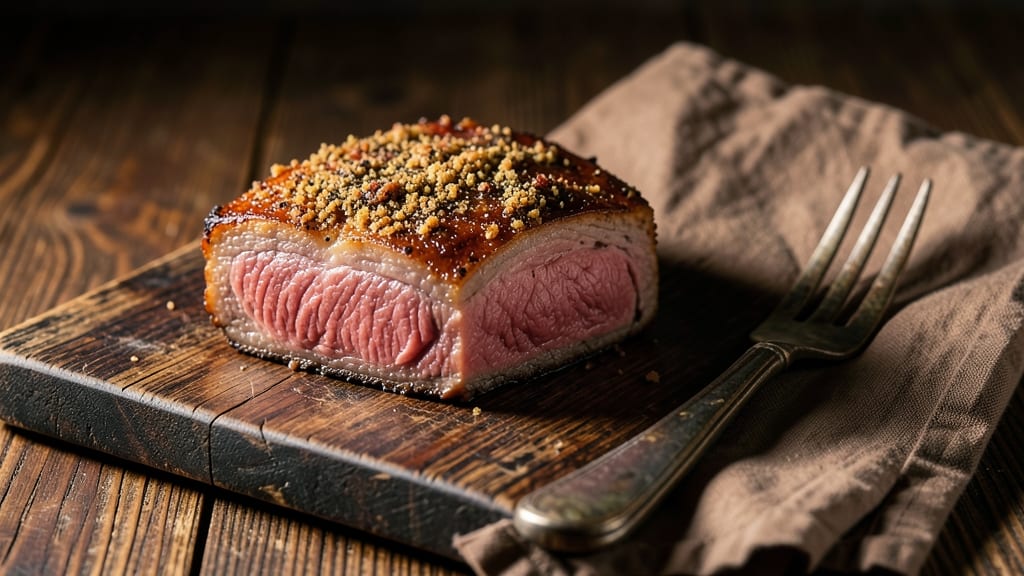
Transforming a simple beef tenderloin into a restaurant-worthy masterpiece starts with this smoky garlic-pepper rub—a precise blend designed to penetrate deep and create that signature steakhouse tenderness.
The secret lies in balancing heat, aroma, and texture, where coarse black pepper meets sweet smoked paprika and fresh garlic powder to form a complex flavor profile.
I developed this blend after years of testing what truly makes tenderloin unforgettable, and it consistently delivers that perfect harmony of smokiness and savory depth.
This dry seasoning mix requires just five simple ingredients, all measured in precise tablespoons to ensure perfect flavor distribution every time. The key components—black pepper, garlic powder, and smoked paprika—work together to enhance the meat’s natural richness while adding a subtle charred note that mimics grilled perfection.
Unlike store-bought blends, this version is tailored specifically for tenderloin, where tenderness is already a given, and flavor becomes the star.
What makes this rub truly special is its ability to create a deeply flavorful crust without overpowering the delicate texture of the meat.
When applied generously and allowed to sit for at least 30 minutes before cooking, the spices penetrate the surface, ensuring every bite is infused with that smoky, garlicky richness you’d expect from a high-end steakhouse. The result?
A tenderloin that’s impossible to resist, with a bark that’s crisp enough to hold up to slicing.
Use this rub on beef tenderloin, filet mignon, or even flank steak for a foolproof way to elevate any cut.
Store the blend in an airtight container for up to three months, making it a staple for anyone who loves steak but wants to take their cooking to the next level. Here’s how to mix it—simple steps for professional results every time.
Ingredients for beef tenderloin rub
Precision-measured spices for that signature steakhouse crust on beef tenderloin.
| Ingredient | Amount | Notes |
|---|---|---|
| Coarse Black Peppercorns 🌶️ | 3 tbsp | Freshly cracked for optimal texture |
| Smoked Paprika 🌶️ | 2 tbsp | High-quality for authentic smokiness |
| Garlic Powder 🧄 | 1 ½ tbsp | Freshly ground preferred |
| Kosher Salt 🧂 | 1 ½ tbsp | Diamond Crystal preferred |
| Onion Powder 🧅 | 1 tbsp | Freshly ground for depth |
| Ground Coriander 🌿 | ½ tbsp | Adds subtle citrus brightness |
| Fresh Rosemary 🌿 | 1 tsp | Finely chopped, aromatic |
The coarse black peppercorns are non-negotiable—freshly cracked creates that signature bite and texture that store-bought blends miss. Penzeys Spices or McCormick Gourmet carry the best quality, but any bulk bin with vibrant color works. The smoked paprika should have a deep, almost charred aroma—Alba or Smoked Paprika by Penzeys are industry standards. For the garlic powder, freshly ground makes all the difference; if you're using pre-ground, check the date—it loses potency fast. The rosemary adds that subtle herbal note that elevates the rub from basic to restaurant-worthy—fresh is best, but if you must use dried, reduce to half a teaspoon and crush it between your fingers to release the oils.
No fresh rosemary? Dried thyme at half the amount works in a pinch, though it won’t have the same depth. Running low on smoked paprika? Substitute with a mix of regular paprika and a pinch of liquid smoke—though it won’t be identical, it’ll get you close. The onion powder can be swapped for granulated onion, but freshly ground will give you that savory sweetness that’s crucial for tenderloin. If you’re using this rub on filet mignon, you can reduce the black pepper by half—its delicate texture doesn’t need as much punch. For flank steak, which is more robust, add an extra half teaspoon of garlic powder to cut through the chew.
This blend keeps indefinitely in an airtight container away from light—glass jars with silicone seals are ideal. For best results, portion into small batches if you won’t use it all at once, as spices lose their punch when exposed to air. Once mixed, store in a cool, dark place like your pantry or spice drawer. To use, apply generously (about 1 tablespoon per pound of meat) and let it sit for at least 30 minutes before cooking—this ensures the spices penetrate deeply for that unforgettable crust. If you make extra, freeze portions in ice cube trays for up to 6 months—just pop out what you need when ready to cook.
Why You'll Love This Recipe
- No-Fuss Mixing: I’ll be real—this rub takes all of five minutes to pulse together in a food processor. No sifting, no measuring cups, just dump-and-go. The coarse black peppercorns and smoked paprika cling like magic, so you’re not stuck with a fine powder that’ll just slide off your tenderloin mid-cook.
- Smoky-Peppery Magic: That first crack of fresh rosemary and garlic powder hitting your tongue? Chef’s kiss. The smoked paprika gives it this deep, campfire warmth, while the coriander sneaks in a bright citrus note that cuts through the richness. It’s not just seasoned—it’s layered.
- Weeknight or Dinner Party: This isn’t just for Sunday roasts. Slap it on a quick seared tenderloin for a fussy-free weeknight dinner, or use it to elevate a holiday centerpiece. The rub’s bold but balanced—bold enough to impress guests, simple enough to make when you’re tired.
- Leftovers That Last: Make a big batch (it keeps for months in the freezer, thanks to those ice cube trays), and you’ll always have a backup for last-minute BBQs or unexpected company. My freezer stash saved me twice this summer—once for a grilled steak and once for a slow-roasted tenderloin. Always a win.
Step-by-step instructions for beef tenderloin rub
Here's the method for crafting a harmonious blend that delivers steakhouse-quality depth to your beef tenderloin.
Prepare the Fresh Rosemary
Begin by finely chopping the 1 teaspoon fresh rosemary using a sharp chef's knife. The goal is to achieve small, even pieces that will distribute evenly throughout the rub without overpowering the other ingredients. I like to use the tip of my knife to gently press the rosemary leaves against the cutting board before chopping—this helps release their aromatic oils more effectively.
Transfer the chopped rosemary to a small mixing bowl. The fresh herb will contribute a bright, piney note that complements the smoky and peppery elements of the blend. If using dried rosemary instead, reduce to ½ teaspoon and crush it lightly between your fingers to release its flavor before adding to the mix.
Combine the Dry Ingredients
In the same mixing bowl, add the remaining dry ingredients: 3 tablespoons coarse black peppercorns, 2 tablespoons smoked paprika, 1.5 tablespoons garlic powder, 1.5 tablespoons kosher salt, 1 tablespoon onion powder, and 0.5 tablespoon ground coriander. The coarse black peppercorns should be freshly cracked using a pepper grinder or mortar and pestle for optimal texture and flavor impact.
Use a whisk or small fork to thoroughly combine all ingredients. The smoked paprika will provide the foundational smokiness, while the garlic powder and onion powder create a savory depth. The ground coriander adds a subtle citrus brightness that prevents the blend from becoming too heavy. Mix until the color is uniform and no dry spots remain—this ensures even distribution when applied to the beef.
Adjust Consistency for Application
Transfer the dry mixture to a food processor or spice grinder. Pulse briefly—just enough to break up any remaining peppercorn clusters while maintaining some texture. The goal is to create a coarse, gritty consistency that will adhere well to the beef without dissolving into a fine powder. This texture helps the rub cling to the meat during cooking and provides that signature crust.
If the mixture appears too dry or crumbly, you can lightly dampen it with a few drops of water (no more than ½ teaspoon) to help it bind together slightly. However, avoid adding too much liquid, as this can create a paste that won't adhere properly to the beef. The rub should hold its shape when pressed between your fingers but still crumble easily when rubbed into the meat.
Test and Store the Rub
Before using the rub on your beef tenderloin, test a small amount on a piece of raw beef. Apply a generous layer and press it firmly into the surface. The rub should adhere well without falling off immediately, and the colors should blend seamlessly. This test ensures the texture is right for creating that coveted crust during searing.
Transfer the remaining rub to an airtight container, such as a small glass jar with a tight-sealing lid. Store in a cool, dark place for up to 3 months, or in the refrigerator for up to 6 months to preserve freshness. The smoked paprika and fresh rosemary will mellow slightly over time, but the blend will retain its depth of flavor. For best results, use within 2 weeks of preparation to maximize the freshness of the rosemary.
Pro Tips For Making Beef Tenderloin Rub
- CRACK PEPPER FRESH: That 3 tablespoons of coarse black peppercorns won’t taste right if you just grab them from the jar. I learned this the hard way—pre-ground pepper loses punch fast. Use a pepper grinder or mortar and pestle right before mixing, and you’ll get that sharp, peppery bite that makes the rub sing.
- PULSE DON’T GRIND: When you pulse that rub in the food processor, stop as soon as the peppercorn clusters break up. Over-processing turns it into dust, and dust doesn’t stick to beef. You want a gritty, uneven texture—like coarse sand—that clings to the meat and caramelizes into a crust.
- SALT THE ROSEMARY FIRST: That 1 teaspoon of fresh rosemary needs a little help to shine. Before chopping, sprinkle it lightly with a pinch of the 1.5 tablespoons kosher salt and let it sit for 5 minutes. The salt draws out the oils, making the flavor pop when you mix it into the rub—trust me, it’s worth the wait.
- TEST ON A SMALL PATCH: Skipping the test step is how you end up with rub sliding off your tenderloin mid-cook. Rub a tiny section of raw beef with a pinch of the mix, press it in, and let it sit for 10 minutes. If it stays put, you’re golden. If not, add a few drops of water (no more than ½ teaspoon) to bind it slightly—just enough to make it stick without turning mushy.
Creative variations of this beef tenderloin rub
Herb-Infused Twist
Swap the fresh rosemary for ½ teaspoon dried thyme and add ½ teaspoon dried oregano for a Mediterranean-inspired variation. The thyme brings earthy depth while oregano adds a floral note that pairs beautifully with the smoky paprika.
Use this blend on grilled lamb chops or pork tenderloin for a fresh twist. 🌿
Spicy Kick Version
For heat lovers, replace ½ tablespoon kosher salt with ½ tablespoon cayenne pepper and add 1 teaspoon crushed red pepper flakes. This fiery blend works amazingly on ribeye steaks or spatchcocked chicken thighs. Balance the heat with a cooling red wine reduction or creamy horseradish sauce. 🌶️
Citrus Brightener
Add ½ teaspoon lemon zest and ½ teaspoon orange zest to the base rub for a zesty twist. The citrus cuts through the richness of the beef, making it perfect for summer grilling.
Pair with a mignonette sauce> (capers, vinegar, shallots) for extra brightness. The zest should be finely grated and added after combining the dry ingredients.
Sweet & Smoky Fusion
Reduce the kosher salt> to 1 tablespoon and add 1 teaspoon brown sugar or maple powder for a caramelized sweetness. This works wonderfully on pork ribs or beef short ribs, creating a beautiful bark during cooking.
The sugar should be finely ground to blend seamlessly into the rub. 🔥
Global Adaptations
For a Mexican-inspired version, swap ½ tablespoon smoked paprika> for ½ tablespoon chili powder and add ½ teaspoon ground cumin. Use this on skirt steak fajitas or grilled chicken.
For an Italian touch, replace ½ tablespoon black peppercorns> with ½ teaspoon fennel seeds and ½ teaspoon dried basil, perfect for grilled sausages.
Storage Hack Variations
For long-term storage, portion the rub into small silicone molds> or ice cube trays before freezing. This makes it easy to grab just what you need without thawing the whole batch. Once frozen, transfer to a ziplock bag> and label with the date.
For a homemade gift, package individual portions in mini jars> tied with twine—perfect for steak lovers in your life. ❄️
Nutrition facts
Frequently asked questions
Why does this rub need freshly cracked black peppercorns?
Freshly cracked black peppercorns create a bold, aromatic bite that pre-ground pepper lacks. The coarse texture also helps the rub cling better to the meat, creating that signature crust during searing.
Can I use this rub on other meats besides beef tenderloin?
This blend works beautifully on filet mignon, ribeye, or even pork chops. For tougher cuts like flank steak, add an extra ½ teaspoon garlic powder to enhance tenderness. The smoky depth pairs well with many proteins.
How long should I let the rub sit on the meat before cooking?
For best results, apply the rub at least 30 minutes before cooking. This allows the spices to penetrate the surface, creating deeper flavor. For extra tenderness, let it sit overnight in the fridge—just pat dry before cooking to avoid excess moisture.
What if my rub turns out too dry or crumbly?
A few drops of water (no more than ½ teaspoon) can help bind the spices slightly. Gently mix until it holds shape when pressed between fingers. Avoid over-wetting, as this can prevent proper adhesion to the meat.
Can I adjust the heat level in this rub?
Yes! For milder flavor, reduce the black peppercorns to 2 tablespoons. For extra heat, swap ½ tablespoon kosher salt for ½ tablespoon cayenne pepper and add 1 teaspoon crushed red pepper flakes. Always taste-test before applying to meat.