
Main Courses
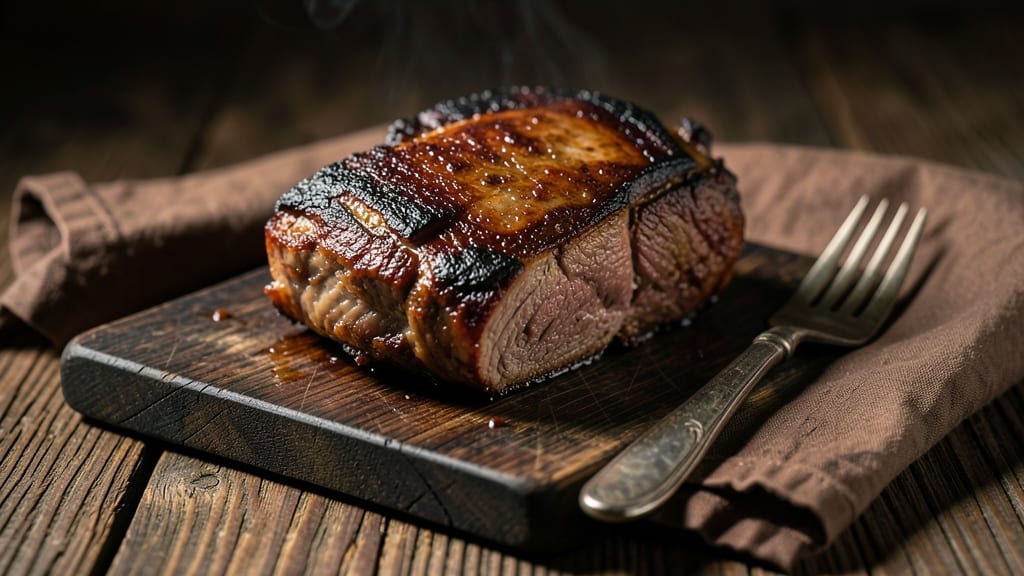
Mastering a beef shoulder smoked recipe transforms tough cuts into melt-in-your-mouth perfection that falls apart at the touch of a fork. The key lies in patience—low temperatures, precise timing, and the right wood blend to create that signature bark.
I've spent years refining this method, and the results speak for themselves: tender, juicy meat with a crust so flavorful you'll want to eat it with a spoon.
This isn't just another slow-cooked beef recipe—it's a technique that rewards attention to detail. You'll start with a dry rub that forms a deep, caramelized crust while the interior stays tender, all thanks to a 3-hour smoke at 225°F followed by a final sear.
The secret? Using a mix of hickory and cherry wood for a balanced smoky-sweet flavor that lingers with every bite. No fancy equipment needed—just time and a steady hand.
By the time you pull that shoulder from the smoker, you'll have a dish that's restaurant-quality at home. The bark will be dark and crackling, while the meat inside practically dissolves.
Resting it properly ensures every slice stays juicy, not dry. This is the kind of meal that turns weeknights into special occasions—no one will believe it took eight hours to make.
Serve it sliced thick over mashed potatoes, on crusty bread with pickles, or as tacos for a crowd. The possibilities are endless, but the technique stays the same: slow, steady, and worth every minute. Let's get started on creating your perfect smoked beef shoulder.
Ingredients for beef shoulder smoked
Just a few key ingredients transform tough beef into melt-in-your-mouth perfection with that coveted smoky bark.
| Ingredient | Amount | Notes |
|---|---|---|
| Beef Shoulder 🥩 | 6 lb | Bone-in, chuck or picnic cut |
| Kosher Salt 🧂 | 1 ½ tbsp | Coarse grain preferred |
| Freshly Ground Black Pepper 🌶️ | 1 ½ tbsp | Coarsely cracked |
| Smoked Paprika 🌶️ | 1 tbsp | For deep bark color |
| Garlic Powder 🧄 | 1 tbsp | Freshly toasted preferred |
| Onion Powder 🧅 | 1 tbsp | For balanced flavor |
| Brown Sugar 🍯 | 1 tbsp | Lightly packed |
| Mustard Powder 🍯 | 1 tsp | Dry yellow mustard |
| Hickory Wood Chips 🌳 | 1 cup | Unsoaked, 100% natural |
| Cherry Wood Chips 🍒 | ½ cup | For sweet undertones |
| Yellow Onion 🧅 | 1 whole | Quartered, for serving |
| Fresh Rosemary 🌿 | ¼ cup | Chopped, for garnish |
| Apple Cider Vinegar 🍎 | 2 tbsp | For final basting |
The beef shoulder is non-negotiable here—chuck or picnic cut with good marbling is your best bet. Costco or local butchers often have pre-cut shoulders, but if you're buying whole, look for one with a thick fat cap. The fat renders down during smoking, keeping the meat juicy. I always buy mine a day ahead so it can sit at fridge temp before cooking. Freshly ground pepper makes a difference here—pre-ground tastes dull in comparison. For the wood chips, Traeger or Cookshack brands are reliable, but any 100% natural chips will work. Soak them? Only if your smoker needs it—most modern smokers don't require pre-soaking.
No smoked paprika? Regular paprika plus a pinch of liquid smoke gets you close (use sparingly—it's potent). Running short on brown sugar? White sugar works fine, though it won't caramelize as nicely. For the wood chips, if you can't find cherry, apple or peach wood adds similar sweetness. The mustard powder is optional but adds a subtle tang that pairs perfectly with the smoky flavors. Fresh rosemary? Dried works at half the amount, but fresh has that piney aroma that really elevates the dish. And if you're feeling fancy, swap the apple cider vinegar for balsamic glaze when basting—trust me, it's worth it.
This rub keeps beautifully in an airtight container for up to 3 months—make extra, you'll want it again. The wood chips can be stored in the freezer for 6 months in a sealed bag. For the beef, once smoked, it reheats wonderfully—wrap tightly in foil and bake at 300°F for 15 minutes per pound. I always portion mine into 1-inch slices before freezing, so I can grab exactly what I need for tacos or sandwiches later. The bark stays crispy when reheated properly, so don't skip the foil step.
Why You'll Love This Recipe
- I’ll be real: the real work happens ahead of time. Buy that 6 lb beef shoulder a day early, let it chill uncovered—no active effort, just patience. Then mix the rub (1.5 tbsp kosher salt, 1.5 tbsp pepper, and those other spices) while you watch TV. That’s it. The smoker does the heavy lifting later.
- No-Fuss Prep Day: I’ll be real: the real work happens ahead of time. Buy that 6 lb beef shoulder a day early, let it chill uncovered—no active effort, just patience. Then mix the rub (1.5 tbsp kosher salt, 1.5 tbsp pepper, and those other spices) while you watch TV. That’s it. The smoker does the heavy lifting later.
- Smoky-Sweet Magic: The combo of hickory and cherry wood chips? Chef’s kiss. Hickory gives that bold, campfire punch, while cherry sneaks in sweetness that makes every bite irresistible. Plus, that 1 tbsp smoked paprika and 1 tbsp brown sugar in the rub? It builds a crackling bark that shatters like glass—crunchy outside, melt-in-your-mouth inside.
- Leftovers That Never Bored: This recipe makes way more than you’ll eat in one sitting (thanks, 6 lb shoulder). Slice it thin, pack it in containers, and you’ve got lunch for a week. The rub keeps for 3 months, so double it—you’ll want to smoke another batch before the first one’s gone.
Step-by-step instructions for smoked beef shoulder
Here's the method that guarantees tender, falling-apart meat with a perfect bark every time.
Prepare and Season the Beef Shoulder
Start by trimming any large fat deposits from the beef shoulder, leaving about ¼-inch of fat cap intact. This helps protect the meat during the long cook while still allowing smoke penetration. Pat the entire surface dry with paper towels—this step is crucial for developing that crispy bark later.
In a small bowl, combine the 1.5 tablespoons kosher salt, 1.5 tablespoons freshly ground black pepper, 1 tablespoon smoked paprika, 1 tablespoon garlic powder, 1 tablespoon onion powder, 1 tablespoon brown sugar, and 1 teaspoon mustard powder. Mix well to create a uniform dry rub. Generously coat the beef shoulder with this mixture, pressing it into all sides and crevices. This ensures the spices adhere properly and penetrate the meat as it cooks.
Place the seasoned beef shoulder on a wire rack set over a baking sheet and refrigerate uncovered for at least 4 hours, or ideally overnight. This dry-brining process helps draw out moisture from the surface, which is essential for that perfect bark formation during smoking. Don't skip this step—it makes all the difference.
Set Up the Smoker and Prepare the Wood
Combine the 1 cup hickory wood chips and 0.5 cup cherry wood chips in a separate container. These woods work together beautifully—hickory for that classic smoky flavor and cherry for subtle sweet undertones. Soak the wood chips in water for 30 minutes before using, then drain well before adding to your smoker.
Set your smoker to 225°F and add the drained wood chips. Maintain a steady temperature is key—you want to see clean, blue smoke without any thick white smoke. This indicates proper combustion and the right conditions for smoking. Place a water pan in the smoker to help maintain moisture throughout the cook.
Once the smoker reaches temperature and you're seeing consistent smoke, it's time to add the beef shoulder. Position it fat-side up on the smoker grate. The fat will render slowly and baste the meat as it cooks, adding flavor and moisture. Close the lid and resist the urge to peek—every time you open it, you lose heat and extend cooking time.
Smoke Until Probe-Tender
Smoke the beef shoulder undisturbed for 6 to 8 hours, or until the internal temperature reaches 165-170°F. This is where you'll hit "the stall"—the temperature stops rising as moisture evaporates from the meat. Don't panic; this is completely normal and part of the process.
At this point, it's time to wrap the beef shoulder. Tear off a large piece of butcher paper (not aluminum foil) and place the beef shoulder on it. Fold the paper up to completely encase the meat, leaving room for it to expand slightly. This technique, known as the "Texas crutch," helps you power through the stall while maintaining that beautiful bark on the outside.
Return the wrapped beef shoulder to the smoker and continue cooking until the internal temperature reaches 195-203°F. This typically takes another 4 to 6 hours, but the key is tenderness—not just temperature. Use a meat probe to check for doneness; it should slide in like butter with no resistance. This is your signal that the meat is perfectly tender and ready to rest.
Rest and Slice for Maximum Juiciness
Once the beef shoulder reaches the perfect internal temperature, remove it from the smoker and transfer it to a cutting board. Tent loosely with foil and let it rest for at least 1 hour, or preferably 2 hours. This resting period allows the juices to redistribute throughout the meat, ensuring every slice is moist and flavorful.
While the beef shoulder rests, quarter the 1 whole yellow onion and chop the 0.25 cup fresh rosemary. These will be perfect for serving alongside your smoked beef shoulder. The onions add a touch of freshness and crunch, while the rosemary brings a bright, herbal note that complements the rich, smoky flavors.
After resting, slice the beef shoulder against the grain into ½-inch thick slices. The grain direction will be visible as lines running through the meat. Cutting against the grain shortens the muscle fibers, making each bite more tender. Serve immediately with the quartered yellow onion and chopped fresh rosemary sprinkled on top. For an extra touch, brush the slices with the 2 tablespoons apple cider vinegar just before serving—this adds a bright, tangy finish that cuts through the richness of the meat.
Pro Tips For Making Beef Shoulder Smoked
- Trim the Fat Right: Leave that ¼-inch fat cap—it’s your meat’s self-basting shield. I used to trim it all off, thinking less fat meant less mess, but that fat melts into the meat as it smokes, keeping it juicy and adding flavor. Just wipe away any thick, uneven deposits so the smoke can work its magic evenly.
- Toast Your Garlic Powder: Dry-toast your 1 tablespoon garlic powder in a skillet over medium heat for 30 seconds—just until fragrant. Freshly toasted garlic powder packs a punch that pre-ground powder can’t match. Skip this, and your rub will taste flat, even if the rest of the spices are perfect.
- Wrap at 165°F: The moment your probe hits 165-170°F, that’s your cue to wrap it in butcher paper. I’ve learned the hard way that waiting longer risks drying out the outside while the inside drags along. The Texas crutch isn’t cheating—it’s physics. Trust the stall, and the meat will come together tender.
- Vinegar Last Minute: Brush those 2 tablespoons apple cider vinegar right before serving—not while resting. It’s a bright, tangy wake-up call for the rich, smoky beef, but if you do it too early, the acid can start breaking down the meat’s texture. Save it for the final touch, and every bite will sing.
Wine and beer pairings for beef shoulder smoked
Red Wine Classics
For smoked beef shoulder, I always reach for a bold red wine that can stand up to the rich, smoky flavors. A Cabernet Sauvignon from Napa Valley—like Caymus Vineyards or Opus One—is my go-to.
Its dark fruit notes and firm tannins mirror the depth of the bark, while the oak aging adds complexity that complements the slow-cooked tenderness. 🍷
If you prefer something slightly lighter but still robust, a Syrah from Washington State (try Chateau Ste. Michelle) brings blackberry and spice undertones that pair beautifully with the cherry wood smoke. Both wines should be served at 65-68°F to let their aromas shine alongside the beef’s smoky richness.
Malbec for Bold Lovers
Malbec lovers, don’t worry—this wine thrives with smoked beef. A Mendoza, Argentina Malbec (like Catena Zapata) delivers juicy dark plum and chocolate notes that cut through the fat while enhancing the smoky bark. Its velvety texture and moderate tannins make it incredibly food-friendly. 💜
For a budget-friendly option, look for a Chilean Malbec—brands like Concha y Toro offer excellent quality at half the price. Serve slightly chilled (60-64°F) to balance the beef’s richness without overpowering its natural flavors.
Beer Pairings
A crisp American Pale Ale (like Allagash White) is my top beer choice—its citrusy hops and caramel malt cleanse the palate between bites of smoky, fatty beef. The effervescence also helps cut through the richness. 🍺
For a darker option, a Belgian Dubbel (such as Westmalle Tripel) brings caramel and spice notes that harmonize with the bark’s sweetness. Avoid heavy stouts—they’ll overpower the dish. Serve beers at 45-50°F to preserve their crispness.
Unexpected Twist: Sparkling Wine
Here’s a secret: A dry sparkling rosé (like Laurent-Perrier) adds a refreshing contrast to the smoky beef. The bubbles and tart acidity cut through the fat, while the berry notes in the wine echo the cherry wood’s sweetness. It’s a crowd-pleaser for guests who prefer lighter pairings. ✨
Nutrition facts
Frequently asked questions
Why does my smoked beef shoulder turn out tough instead of tender?
The most common mistake is skipping the resting period or not cooking it long enough to reach 195-203°F internally. The stall at 165-170°F is normal—wrap it in butcher paper to push through it. Also, check your smoker temp; 225°F is critical for even cooking. Overpeeking loses heat and extends time.
Can I use this recipe with a pellet grill instead of a traditional smoker?
Pellet grills work perfectly for this recipe. Just load the hickory and cherry wood pellets (most brands carry these) and set the temp to 225°F. The automatic wood feeding gives you consistent smoke without extra work. The same Texas crutch wrapping method applies when you hit the stall.
What's the best way to reheat leftover smoked beef shoulder?
Wrap slices tightly in foil and reheat at 300°F for 15 minutes per pound. The foil keeps the bark crispy while warming the meat through. For sandwiches, warm in a skillet with a splash of beef broth for extra moisture. Never microwave—it turns the meat rubbery.
How do I adjust this recipe for a smaller cut like a beef chuck roast?
For a 3-4 lb chuck roast, reduce the rub by half and use 0.5 cup hickory + 0.25 cup cherry wood chips. Smoke at 225°F for 4-5 hours until it reaches 195-203°F. The cooking time scales down proportionally, but maintain the same temperature and wrapping technique for perfect results.
What's the difference between using butcher paper vs aluminum foil for wrapping?
Butcher paper lets the bark stay crispy while trapping steam to tenderize the meat—the Texas crutch method. Aluminum foil creates a steamed effect that softens the bark. For this recipe, butcher paper is key to that perfect dark, crackling crust while keeping the interior juicy.