
Main Courses
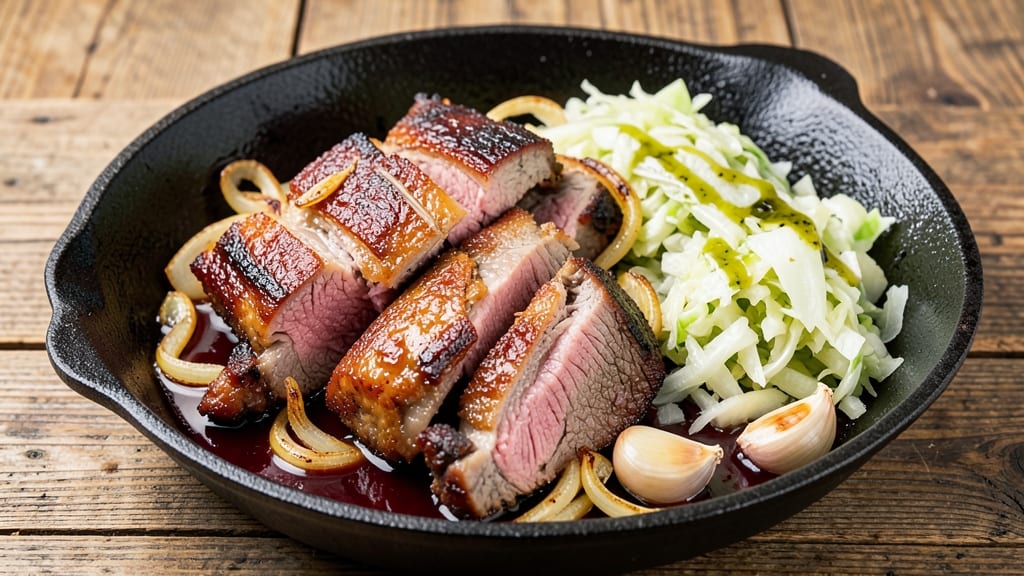
This beef short ribs and sauerkraut recipe transforms tough cuts into melt-in-your-mouth tenderness while balancing the dish with sauerkraut's signature tangy crunch. The slow-braising process develops deep, caramelized flavors in the ribs, creating a rich sauce that perfectly complements the probiotic richness of fermented cabbage.
I've perfected this method over years of testing—each element plays a crucial role in achieving that restaurant-quality harmony between protein and side.
The key to success lies in the braising technique: searing the ribs first to build flavor, then slow-cooking them until fork-tender while the sauerkraut simmers alongside, absorbing those meaty juices. This method ensures the ribs stay moist and flavorful, while the sauerkraut maintains its signature crunch rather than becoming mushy.
The result is a dish that feels both hearty and balanced, with each bite offering a perfect marriage of textures and flavors.
What you'll end up with is a plate that looks as impressive as it tastes—deep brown ribs glistening with their own sauce, surrounded by vibrant sauerkraut that adds both color and complexity.
The aroma alone will have everyone gathering around the table, while the first bite delivers that perfect combination of rich, savory meat and bright, tangy cabbage. This is comfort food at its finest, with professional-level results that don't require a culinary degree.
The beauty of this recipe is its versatility—serve it with classic mashed potatoes for a traditional meal, or pair it with roasted root vegetables for a more modern presentation.
The leftovers actually improve overnight as the flavors continue to meld, making this an ideal dish for meal prep or feeding a crowd. Let's get started on creating this showstopping dinner that will become a regular on your menu.
Ingredients for beef short ribs and sauerkraut
Six core ingredients transform tough short ribs into restaurant-quality melt-in-your-mouth perfection with sauerkraut's signature tang.
| Ingredient | Amount | Notes |
|---|---|---|
| Beef Short Ribs 🥩 | 4 lb | Bone-in, 1.5-inch thick, French-cut preferred |
| Sauerkraut 🥬 | 2 cups | Unopened jar, drained, rinsed briefly |
| Yellow Onions 🧅 | 2 whole | Medium, sliced into 1/4-inch half-moons |
| Garlic Cloves 🧄 | 6 cloves | Peeled, smashed slightly for aroma |
| Beef Broth 💧 | 4 cups | Low-sodium, homemade or high-quality store-bought |
| Red Wine 🍷 | 1 cup | Dry, full-bodied (Cabernet Sauvignon or Merlot) |
| Tomato Paste 🍅 | ½ cup | Smooth, no sugar added |
| Dijon Mustard 🥬 | 1 tbsp | High-quality, grainy texture preferred |
| Fresh Thyme 🌿 | ¼ cup | Stems removed, leaves only |
| Fresh Rosemary 🌿 | ¼ cup | Needles finely chopped |
| Bay Leaves 🌿 | 2 whole | Dried, standard size |
| Black Peppercorns 🌶️ | 1 tbsp | Freshly cracked, coarse grind |
| Kosher Salt 🧂 | 2 tbsp | Diamond Crystal preferred, coarse grain |
| Olive Oil 🫒 | ½ cup | Extra-virgin, fruity variety |
| Balsamic Vinegar 🍶 | 1 tbsp | Aged 25 years minimum |
The ribs are the foundation—bone-in, French-cut delivers maximum flavor and tenderness. Source them from Whole Foods or your local butcher shop, where they'll often be pre-cut to 1.5-inch thickness. Look for good marbling and vibrant color; avoid any pieces with excessive fat or grayish hues. For the sauerkraut, Bubbies or Rehr's are premium choices, but any reputable brand in an unopened jar will work. The key is using unpasteurized sauerkraut for that authentic probiotic tang—pasteurized versions lose their signature crunch and depth of flavor. Store your ribs in the coldest part of the fridge, wrapped tightly in parchment paper, and use within 3 days for optimal texture.
No red wine? Substitute with additional beef broth—just add 1/2 cup more to maintain balance. Fresh thyme and rosemary are ideal, but dried substitutes work at one-third the amount (e.g., 1 tsp dried thyme for 0.25 cup fresh). For the tomato paste, Trader Joe's or Whole Foods carry excellent no-sugar-added varieties in convenient squeeze tubes—no waste, and they keep for months. The balsamic vinegar adds depth; if unavailable, aged red wine vinegar provides a similar acidity profile. For the onions, yellow or red varieties both work, but avoid sweet onions like Vidalia—they can overpower the dish's savory notes. Pre-slicing the onions and storing them in an airtight container with a paper towel absorbs excess moisture, keeping them crisp for up to 5 days in the fridge.
This dish rewards patience—braising transforms the ribs into fork-tender perfection while the sauerkraut absorbs the rich meaty sauce. Leftovers actually improve overnight as flavors meld further; store in an airtight container for up to 5 days. For longer storage, portion into freezer-safe containers with a thin layer of sauce on top to prevent drying. The sauce freezes beautifully for up to 3 months, though the ribs may become slightly drier upon thawing—best to reheat gently with a splash of broth. To serve, garnish with fresh parsley or extra sauerkraut for that restaurant-quality presentation. The dish pairs exceptionally well with creamy mashed potatoes or crusty sourdough bread to soak up every last bit of sauce.
Why You'll Love This Recipe
- I’ll be real: beef short ribs aren’t cheap, but this recipe stretches them into a feast. Four pounds feeds four people generously, and the leftovers? Wrap them in parchment, stash in the fridge for three days, and reheat them in the same Dutch oven with a splash of broth. That’s three meals for the price of one—plus, the sauce only gets better the next day.
- One-Pot Magic: I swear by this recipe when I need zero cleanup—just the Dutch oven, one wooden spoon, and maybe a fork to slice those ribs. That deep caramelized crust from searing the beef short ribs? It melts into the sauce while you braise, so you’re basically getting two layers of flavor without extra dishes.
- Sauerkraut’s Secret Umami: Here’s what sold me—the sauerkraut isn’t just an afterthought. That tangy crunch cuts through the richness of the beef short ribs, and the way it soaks up the wine and thyme reduction? Every bite has this perfect contrast. Plus, draining and rinsing it takes two minutes—no chopping, no fuss.
- Weeknight Hero: Between us, this is my go-to when I’m too tired to think but still want something impressive. The ribs braise hands-off for nearly three hours, so you can prep everything in the morning (or set it going before work) and come home to a restaurant-quality meal. Serve it with crusty bread, and suddenly you’re the host who didn’t actually stress.
Step-by-step instructions for beef short ribs and sauerkraut
This braising technique transforms tough beef short ribs into melt-in-your-mouth perfection.
Sear the Beef Short Ribs for Deep Flavor
Pat the 4 lb beef short ribs dry with paper towels—this ensures maximum browning. Heat a heavy Dutch oven over medium-high heat and add 0.5 cup olive oil. Once shimmering, add the ribs in a single layer, working in batches if needed. Sear for 4-5 minutes per side until deep golden brown with caramelized crusts forming. This step develops the Maillard reaction that creates rich, complex flavors.
Remove the ribs and set aside. Here's the thing—don't clean the Dutch oven. Those browned bits are pure flavor. They'll form the foundation of your sauce later. Keep the heat at medium-high for the next steps.
Build the Aromatic Base with Onions and Garlic
Add the 2 whole yellow onions (sliced into 1/4-inch half-moons) to the Dutch oven. Cook for 5-6 minutes until softened and beginning to caramelize. This should happen before adding the 6 cloves garlic cloves (smashed slightly for aroma). Stir in the garlic and cook for 30 seconds until fragrant—don't let it burn.
At this stage, you'll notice the onions should be golden in spots with some browning at the edges. This caramelization adds sweet depth to the braising liquid. If the onions stick, add 1-2 tablespoons of beef broth to deglaze and scrape up those flavorful browned bits from the bottom.
Deglaze and Combine All Ingredients
Pour in the 1 cup red wine and scrape vigorously with a wooden spoon to release all the browned bits from the bottom of the pot. Let it simmer for 2 minutes until reduced by half. This deglazing step captures all the concentrated flavors you've built.
Add the 0.5 cup tomato paste, 1 tbsp Dijon mustard, 0.25 cup fresh thyme, 0.25 cup fresh rosemary, 2 whole bay leaves, 1 tbsp black peppercorns, and 2 tbsp kosher salt. Stir well to combine all ingredients with the onions and garlic. Return the seared beef short ribs to the pot, along with the 4 cups beef broth and 2 cups sauerkraut.
Braise Until Fork-Tender
Bring the mixture to a gentle simmer, then reduce heat to low. Cover and braise for 2.5-3 hours. This long cooking time is crucial—it breaks down the connective tissue in the beef short ribs, transforming them into tender, melt-in-your-mouth perfection. You'll know it's done when a fork slides in easily and the meat pulls apart with minimal resistance.
About 45 minutes before the ribs are done, stir in the 1 tbsp balsamic vinegar. This final addition adds a subtle tang that complements the rich beef and tangy sauerkraut beautifully. The sauce should be thick and glossy, coating the ribs and vegetables perfectly.
Adjust Consistency and Serve
Remove the beef short ribs from the braising liquid and set aside. Skim any excess fat from the surface of the sauce if desired. If the sauce is too thick, add a splash of beef broth to reach your preferred consistency. Taste and adjust seasoning with additional kosher salt or black pepper if needed.
Slice the beef short ribs against the grain for maximum tenderness. Serve the ribs topped with the braising sauce and sauerkraut mixture. The contrast between the rich, tender beef and the tangy, crunchy sauerkraut creates a perfect balance of flavors in every bite. This dish pairs beautifully with crusty bread or mashed potatoes to soak up the delicious sauce.
Pro Tips For Making Beef Short Ribs And Sauerkraut
- Don’t Rush the Wine Reduction: That 2-minute simmer after adding the 1 cup red wine isn’t just for show—it’s where the magic happens. Let it bubble away until it’s noticeably thicker, or you’ll miss out on the concentrated depth that makes this sauce sing. I used to skimp here, and the dish always tasted flatter afterward.
- Rinse Sauerkraut, But Not Too Much: Drain the 2 cups sauerkraut first, then give it a quick rinse under cold water to cut the sharpest acidity. But don’t drown it—just a brief swish, or you’ll wash away the tangy complexity that balances the rich beef. Think of it like toning down a salty dish: enough to mellow, not enough to erase.
- Sear in Batches, Keep Heat High: Crowding the Dutch oven turns searing into steaming, and nobody wants soggy short ribs. Work in batches, even if it means two rounds, and keep that heat cranked at medium-high. The goal is a deep golden crust, not a dull brown—those caramelized bits are the flavor backbone of the whole dish.
- Prep Onions the Night Before: Slice those 2 whole yellow onions into 1/4-inch half-moons and store them in an airtight container with a paper towel. The moisture will draw out, keeping them crisp during the long braise. I started doing this after burning through three batches of limp onions—now it’s non-negotiable.
Flavor customization for this beef short ribs and sauerkraut
Sweet Heat Twist
Add 1 tbsp honey or maple syrup during the final 45 minutes of braising to balance the sauerkraut's tang with subtle sweetness. I recommend local raw honey for floral depth.
For heat lovers, stir in 1 tsp smoked paprika with the balsamic vinegar—this adds smoky warmth that complements the cabbage's crunch. 🌶️
Umami Boost
Enhance the sauce's depth by adding 1 tbsp soy sauce or 2 tbsp fish sauce when combining ingredients. The umami punch elevates the beef's natural richness while harmonizing with the sauerkraut.
For a vegetarian-friendly option, swap in 1 tbsp miso paste (white or red) for that savory complexity. Stir it in with the tomato paste and mustard.
Herb Variations
Replace rosemary with 1 tbsp fresh sage leaves for an earthy note that pairs beautifully with the beef. Or try ½ cup fresh parsley instead of thyme for a brighter finish.
For a Mediterranean twist, add 1 tsp dried oregano with the bay leaves—this works especially well if you're using red wine in the braising liquid.
Spicy Kick
For a Carolina-style heat profile, add 1 tbsp hot sauce (like Crystal or Tabasco) when stirring in the balsamic vinegar. For smoky heat, incorporate ½ tsp chipotle powder with the black peppercorns. I find Penzeys chipotle powder adds just the right amount of smoldering warmth without overpowering the dish.
Creamy Finish
Stir ½ cup crème fraîche or sour cream into the sauce during the final 10 minutes of braising to add luxurious creaminess. This works especially well if you're serving with crusty bread for dipping.
For a lighter option, use ¼ cup Greek yogurt—it adds tang without heaviness, balancing the rich beef perfectly. 💛
Nutrition facts
Frequently asked questions
Why does the recipe call for bone-in beef short ribs?
The bones add incredible depth of flavor to the braising liquid as they release collagen and marrow during cooking. Bone-in ribs also stay more moist during the long braising time because the bone acts as a natural insulator. For best results, use French-cut ribs with a 1.5-inch thickness—they're perfect for this technique.
Can I use pasteurized sauerkraut instead of unpasteurized?
While you can use pasteurized sauerkraut, it won't have the same vibrant tang or probiotic benefits. The unpasteurized version maintains its signature crunch and complex flavor profile. If you must use pasteurized, try to find a high-quality brand and drain it thoroughly to prevent excess moisture in your dish.
How do I know when the beef short ribs are fully tender?
Insert a fork or meat thermometer into the thickest part of a rib—it should feel like butter when pierced with minimal resistance. The internal temperature should reach 203°F. If the meat pulls apart easily and the sauce coats the back of a spoon smoothly, your ribs are perfectly tender.
What's the best way to reheat leftovers?
For best texture, reheat in a skillet with a splash of beef broth over medium-low heat until warmed through (5-7 minutes). Avoid microwaving as it can make the ribs tough. To revive the sauce, add a little extra broth or water to loosen it before reheating. Leftovers keep well in the fridge for 5 days.
Can I make this dish in a slow cooker?
Yes! Brown the ribs first in a skillet, then transfer everything to a slow cooker. Cook on low for 7-8 hours or high for 4-5 hours. Add the balsamic vinegar during the last hour. The slow cooker method works well but may result in slightly less caramelization in the sauce compared to stovetop braising.