
Main Courses
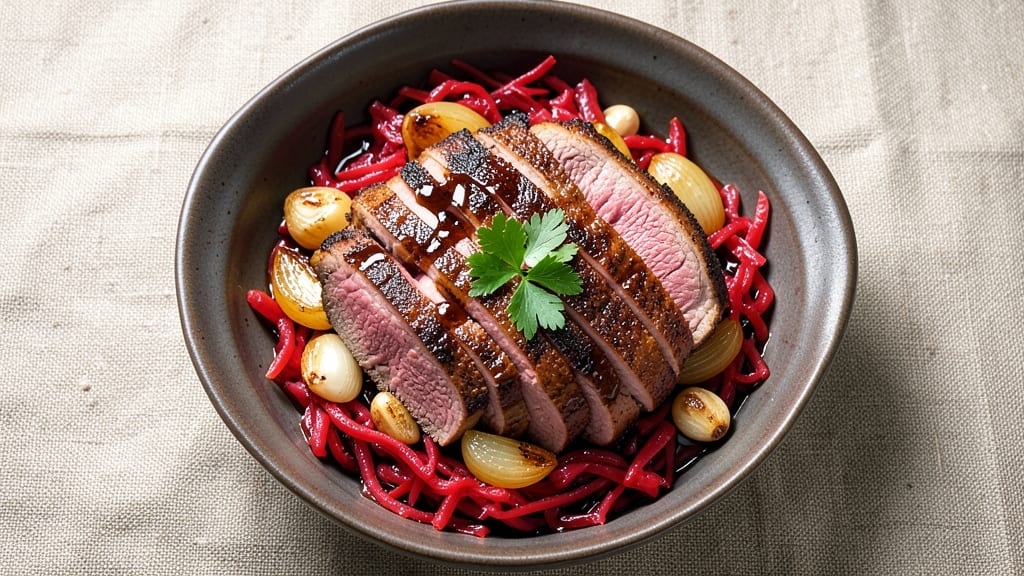
Beef brisket and sauerkraut is the ultimate comfort food pairing—deeply tender, smoky beef that falls apart at the touch of a fork, balanced by the sharp tang of perfectly cooked sauerkraut. This recipe transforms a tough cut into melt-in-your-mouth perfection through slow cooking, while the sauerkraut adds a bright, crunchy contrast that cuts through the richness. I developed this method after years of experimenting with brisket techniques, and the result is a dish that feels like a restaurant-quality meal without requiring a smoker.
The secret to success lies in the low-and-slow cooking process, which breaks down the connective tissue in the brisket while allowing the sauerkraut to soften just enough to absorb flavor without losing its texture.
You'll start with a well-seasoned brisket, then cook it until it reaches an internal temperature of 203°F—where the meat becomes fork-tender and practically dissolves on your tongue. Meanwhile, the sauerkraut simmers gently with aromatics like onions and caraway seeds, developing a depth that complements the beef beautifully.
By the time you serve this dish, you'll have a plate that's rich with smoky, savory flavors and a satisfying crunch from the sauerkraut.
The combination of tender beef and tangy sauerkraut creates a balance that's both hearty and refreshing, making it perfect for a family dinner or a special occasion. The leftovers reheat beautifully, so you'll have another meal ready for the next day without any extra effort.
Serve with crusty bread to soak up the juices or alongside roasted potatoes for a complete meal. This recipe delivers restaurant-quality results that will impress even the most discerning guests, all while keeping the process manageable for home cooks. Let's get started on creating this unforgettable dish!
Ingredients for beef brisket and sauerkraut
Just a few key ingredients transform tough brisket into melt-in-your-mouth perfection paired with tangy sauerkraut.
| Ingredient | Amount | Notes |
|---|---|---|
| Beef Brisket 🥩 | 4 lb | Flat cut, well-marbled |
| Yellow Onions 🧅 | 2 whole | Yellow or red, sliced |
| Garlic Cloves 🧄 | 8 cloves | Peeled, roughly chopped |
| Fresh Caraway Seeds 🌿 | 1 tbsp | Toasted lightly for depth |
| Dijon Mustard 🍯 | 2 tbsp | For brisket rub |
| Brown Sugar 🍚 | ½ cup | Light or dark |
| Smoked Paprika 🌶️ | 2 tbsp | For smoky flavor |
| Kosher Salt 🧂 | 2 tbsp | Diamond Crystal preferred |
| Ground Black Pepper 🌶️ | 1 tbsp | Freshly cracked |
| Unsalted Butter 🧈 | ½ cup | Cold, cubed |
| Sauerkraut 🥬 | 3 cups | Unjarred, drained |
| Beef Broth 💧 | 2 cups | Low-sodium preferred |
| Apple Cider Vinegar 🍎 | 2 tbsp | For sauerkraut balance |
| Fresh Thyme Leaves 🌿 | ¼ cup | Chopped, stems removed |
| Bay Leaves 🍃 | 2 whole | Dried, for depth |
The brisket is the star—look for a well-marbled flat cut at your butcher or Costco's pre-cut beef section (they carry brisket year-round). Freshness matters: the meat should smell clean and bright, not sour. If you can't find caraway seeds, substitute with a pinch of fennel seeds—they're in the same family and work beautifully. For the sauerkraut, avoid the canned kind—it's too processed. Instead, grab a jar from the refrigerated section (like Reinhart's or Bubbier) or make your own if you're feeling ambitious. The vinegar in the sauerkraut will mellow out during cooking, but starting with good-quality stuff makes all the difference.
No smoked paprika? Substitute with a mix of regular paprika and a pinch of liquid smoke—just a quarter teaspoon will do. Running short on thyme? Fresh rosemary works at half the amount, though it has a slightly different profile. The beef broth can be homemade or store-bought, but avoid the ultra-low-sodium versions—they lack flavor depth. For the brisket rub, don't skip the Dijon—it adds a subtle tang that balances the sweetness. If you're using a slow cooker, you can skip the butter basting (though I still recommend it for that restaurant-quality finish). The sauerkraut will soften as it cooks, so start with unjarred, drained sauerkraut—it holds up better to long cooking times than the canned variety.
This dish tastes even better the next day—plan ahead and make a double batch. The brisket keeps 3-4 days in the fridge, wrapped tightly in foil, while the sauerkraut mixture stays fresh for 5-6 days. For leftovers, reheat gently in a skillet with a splash of beef broth to revive the flavors. Freezing works too: portion the brisket into meal-sized pieces and freeze with the sauerkraut sauce. Thaw overnight in the fridge before reheating. The sauerkraut mixture can be frozen separately for up to 3 months—just add it back to the brisket when reheating.
Why You'll Love This Recipe
- One-Pot Magic: I swear by this recipe when I need a hands-off meal. Just sear the brisket in butter, toss in the onions and garlic, then let the oven do the work—no flipping pans or constant stirring. The sauerkraut and broth simmer right in the same pot, so cleanup is just scraping the Dutch oven (which is half the fun anyway).
- Smoky-Sweet Obsession: That rub—Dijon mustard, brown sugar, and smoked paprika—turns the brisket into something addictive. The caraway seeds add this earthy kick, and when you slice into meat that’s actually tender, with that tangy sauerkraut cutting through the richness? Honestly, it’s the kind of dish I’ll make just to eat straight from the pot.
- Weeknight Hero: This feeds a crowd but doesn’t require a holiday budget. The brisket stretches far, and the sauerkraut adds that "I put in effort" vibe without extra cost. Plus, it’s the kind of meal that tastes even better the next day—so make it on Sunday and enjoy leftovers all week.
- Leftovers That Lie: Between us, the brisket stays juicy for days, and the sauerkraut mixture gets better with time. Wrap the slices tightly in foil, and they’ll reheat like a restaurant-quality sandwich. My freezer’s always got a container of this—because when you’ve got that smoky-sweet brisket and tangy kraut combo, you’ll always want seconds.
Step-by-step instructions for slow-cooked beef brisket with sauerkraut
Here's the method you'll love—where rich, slow-cooked beef meets the tangy crunch of sauerkraut in perfect harmony.
Prepare the Brisket Rub and Sear the Meat
In a small bowl, combine the 2 tablespoons Dijon mustard, 0.5 cup brown sugar, 2 tablespoons smoked paprika, 2 tablespoons kosher salt, 1 tablespoon ground black pepper, and 1 tablespoon fresh caraway seeds. Mix until fully integrated—this blend creates the perfect balance of sweet, smoky, and earthy flavors that will cling to the brisket.
Pat the 4 lb beef brisket dry with paper towels, then generously coat it with the rub mixture, pressing it into the meat so it adheres evenly. Let it sit at room temperature for 30 minutes while you prep the rest of your ingredients. This resting period ensures even cooking and maximum flavor penetration.
Heat a Dutch oven over medium-high heat and add 0.25 cup unsalted butter. Once the butter melts and foams, add the brisket fat-side down and sear for 5 minutes until a deep golden crust forms. Flip and sear the other side for another 5 minutes. This initial sear locks in juices and builds a flavorful crust that will carry through the slow cook.
Build the Sauerkraut Base and Slow Cook
Remove the seared brisket from the Dutch oven and set it aside. In the same pot, add 2 whole yellow onions and 8 cloves garlic cloves, cooking for 3 minutes until softened and fragrant. Add 3 cups sauerkraut, 2 cups beef broth, 2 tablespoons apple cider vinegar, 0.25 cup fresh thyme leaves, and 2 whole bay leaves. Stir well to combine, scraping up any browned bits from the bottom of the pot—these bits are packed with flavor.
Return the brisket to the Dutch oven, placing it on top of the sauerkraut mixture. Cover the pot and transfer it to a 325°F oven (or use a slow cooker on low). Cook for 3 hours, then carefully flip the brisket and continue cooking for another 3 hours. This slow cooking method breaks down the tough connective tissue, resulting in fork-tender meat that practically falls apart.
Real talk: Your oven might run hot, so start checking the internal temperature after 5 hours. Use an instant-read thermometer to test the thickest part of the brisket—it should reach 200°F and feel tender when pierced with a fork. If it's not quite there, give it another 30 minutes to an hour.
Rest and Serve with Tangy Sauerkraut
Once the brisket reaches the perfect tenderness, remove it from the Dutch oven and transfer it to a cutting board. Tent loosely with foil and let it rest for 15 minutes. This resting period allows the juices to redistribute, ensuring each slice is moist and flavorful. During this time, skim any excess fat from the sauerkraut mixture and adjust the seasoning if needed—add a pinch more salt or a splash of apple cider vinegar if the tanginess could use a boost.
Slice the brisket against the grain into ½-inch thick pieces, then serve it directly over the sauerkraut mixture. The combination of tender, slow-cooked beef and the tangy, crunchy sauerkraut creates a dish that's both hearty and refreshing. Garnish each serving with a sprinkle of fresh thyme leaves for a pop of color and aroma.
This dish pairs beautifully with crusty bread or buttery mashed potatoes to soak up every last bit of the rich, smoky sauce. Leftovers? Store them in an airtight container in the refrigerator for up to 4 days, or freeze for 3 months. The flavors only deepen over time, making this a meal worth repeating.
Pro Tips For Making Beef Brisket And Sauerkraut
- Toast Those Caraway Seeds: I used to skip this step, thinking it was optional—until I tasted the difference. Lightly toast the 1 tbsp fresh caraway seeds in a dry pan for 30 seconds until fragrant. It deepens their earthy flavor without burning, so they actually contribute to the rub instead of just sitting there like decorative seeds.
- Sear Butter, Not Oil: The 0.5 cup unsalted butter isn’t just for searing—it’s for flavor. Use it cold and cubed, and let it foam and brown before adding the brisket. If you default to oil, you’ll miss the nutty depth butter adds to the crust (and the sauerkraut mixture later). Trust me, the extra 2 minutes of patience pay off.
- Check Temp Early: Ovens lie. After the 6-hour mark (3 hours per side), start testing the brisket’s internal temp with a thermometer—200°F is your goal, not the recipe’s timeline. I’ve walked away for “just 10 more minutes” only to find dry, overcooked meat. Set a timer to check, even if it feels early.
- Drain, Then Rinse Sauerkraut: The 3 cups sauerkraut needs a quick rinse after draining to cut excess salt and vinegar sharpness. Toss it in a colander under cold water for 10 seconds, then drain again. Skipping this makes the dish taste like a pickle bomb instead of a balanced, tangy side. (Yes, it’s weird, but it works.)
Creative variations of beef brisket and sauerkraut
German-Inspired Sauerkraut Twist
Swap the apple cider vinegar for 1 tablespoon caraway-infused oil (simmer 1 tbsp caraway seeds in ½ cup neutral oil for 5 minutes, then strain) and add ½ cup chopped apples to the sauerkraut mixture.
This German-inspired variation keeps the tangy crunch while adding sweetness that complements the brisket beautifully. 🗺️
Spicy Cajun Kick
Boost the heat by adding 1 tablespoon Cajun seasoning (like Tony Chachere's) to the brisket rub and stir in ½ cup diced jalapeños with the sauerkraut.
Serve with cooling toppings like sour cream or pickled red onions to balance the spice. This Louisiana-inspired twist turns your brisket into a bold, flavor-packed centerpiece.
Creamy Horseradish Glaze
After cooking, blend ½ cup sauerkraut juice, ¼ cup crème fraîche, and 1 tablespoon prepared horseradish into a smooth glaze. Drizzle over sliced brisket before serving for a creamy, tangy contrast.
The horseradish adds a sharp bite that cuts through the richness, while the crème fraîche keeps it luxurious. 💫
Apple-Bourbon Sauerkraut
Deglaze the Dutch oven after searing the onions with 2 tablespoons bourbon instead of beef broth. Add ½ cup diced Granny Smith apples with the sauerkraut and simmer until tender.
The bourbon adds depth, while the apples introduce a subtle sweetness that pairs perfectly with the smoky brisket. Use a good quality bourbon like Maker's Mark for the best flavor.
Sweet Potato Mash Swap
Replace mashed potatoes with roasted sweet potato mash—boil 2 lbs sweet potatoes until tender, mash with 2 tablespoons butter and ¼ cup milk, then roast at 400°F for 10 minutes for caramelized edges.
The natural sweetness of the sweet potatoes complements the tangy sauerkraut and smoky brisket beautifully, creating a heartier side dish.
Beer-Braised Brisket
Replace beef broth with 2 cups dark beer (like Guinness or Black IPA) and add 1 tablespoon coffee granules to deepen the flavor. The beer adds a malty richness that pairs exceptionally well with the brisket's smokiness.
Simmer the beer with the sauerkraut until reduced by half before adding the brisket for maximum flavor infusion. 🍺
Nutrition facts
Frequently asked questions
Can I use a slow cooker instead of an oven for this recipe?
This recipe works perfectly in a slow cooker. After searing the brisket, transfer everything to a 6-quart slow cooker on low for 6-7 hours, flipping the brisket halfway through. The sauerkraut will soften just enough to absorb flavors while keeping its tangy bite. Just monitor the internal temperature—it should still reach 200°F for perfect tenderness.
How do I know when the brisket is done if I don't have a meat thermometer?
If you're missing a thermometer, use the fork test after 6-7 hours of cooking. Pierce the thickest part of the brisket—if it feels like butter and the meat separates easily, it's ready. The brisket should also look glossy and pull away from the bone slightly. For extra confidence, check for a 200°F internal temp when possible.
Can I make this dish ahead of time for a party?
This recipe is perfect for meal prep! Cook the brisket and sauerkraut mixture 1-2 days ahead—the flavors actually improve as they rest. Store the brisket wrapped in foil and the sauerkraut mixture separately in airtight containers. Reheat gently in a skillet with a splash of beef broth before serving. The brisket keeps 3-4 days in the fridge, while the sauerkraut stays fresh for 5-6 days.
What if my sauerkraut is too watery after cooking?
If the sauerkraut releases too much liquid, simply drain off excess liquid through a colander after cooking. For extra thickness, mash it lightly with a fork or spoon while warm. You can also stir in 1 tablespoon cornstarch mixed with 2 tablespoons water to thicken it slightly. The key is balancing the tangy crunch with the rich brisket flavors.
Can I substitute regular cabbage for sauerkraut in this recipe?
While you can use raw cabbage, it won't provide the same tangy flavor or texture. If substituting, shred 3 cups green cabbage and sauté it with the onions and garlic until tender before adding other ingredients. For best results, use 1 cup sauerkraut mixed with 2 cups cooked cabbage to maintain the dish's signature balance.