
Main Courses
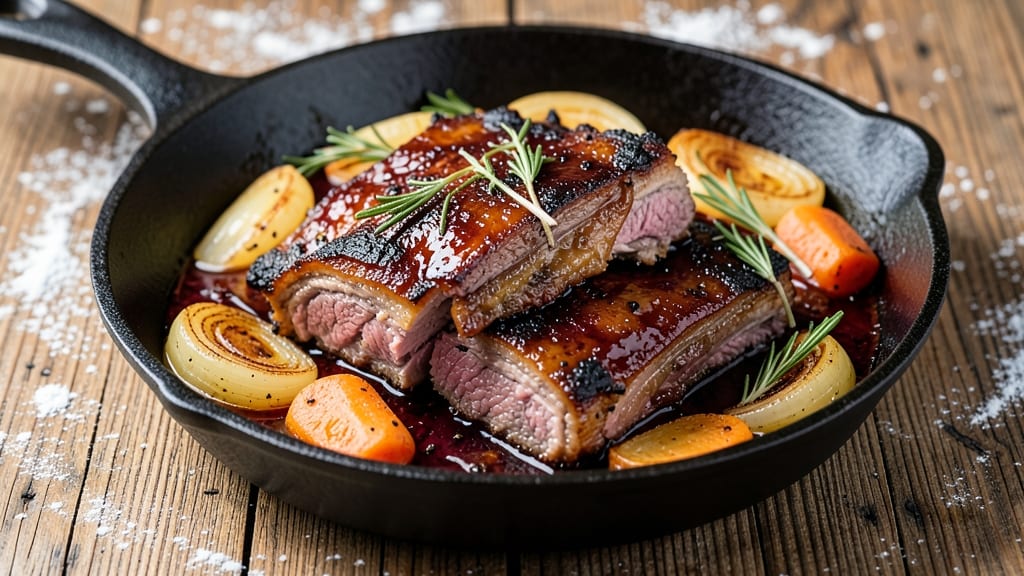
This beef short rib burnt ends recipe delivers melt-in-your-mouth tenderness with a deep, caramelized crust that shatters at every bite. After years of perfecting the slow-cooking process, I’ve unlocked the secrets to transforming tough short ribs into restaurant-quality bites that’ll have everyone asking for seconds.
The key lies in low-and-slow braising followed by a high-heat broil to create that signature crispy exterior.
The process begins with a rich, aromatic braise that tenderizes the meat over hours, developing layers of flavor from red wine, herbs, and slow-cooked vegetables.
Once the ribs are fork-tender, they’re finished under the broiler, where the edges caramelize into crispy, golden-brown burnt ends—crunchy on the outside, juicy on the inside. This isn’t just a recipe; it’s a foolproof method for achieving professional results at home.
By the time you’re done, you’ll have a dish so luxurious it feels like a special occasion—deeply savory, richly glazed, and impossible to resist.
The braising liquid reduces into a thick, velvety sauce perfect for drizzling over each bite, while the burnt ends add a satisfying contrast of textures. This is comfort food at its finest, elevated by technique and patience.
Pair with creamy mashed potatoes or roasted root vegetables to soak up every last drop of that decadent sauce. The leftovers reheat beautifully, making this a meal worth doubling. Let’s get started on creating burnt ends that’ll impress even the most discerning diners.
Ingredients for beef short rib burnt ends
Rich, aromatic ingredients transform tough short ribs into luxurious burnt ends with crispy edges.
| Ingredient | Amount | Notes |
|---|---|---|
| Beef Short Ribs 🥩 | 3 lb | Bone-in, cut into 2-inch chunks |
| Red Wine 🍷 | 1 cup | Bold, dry variety like Cabernet Sauvignon |
| Beef Broth 💧 | 2 cups | Low-sodium preferred for balance |
| Yellow Onion 🧅 | 1 whole | Chopped, medium size |
| Carrots 🥕 | 4 whole | Peeled, cut into chunks |
| Garlic Cloves 🧄 | 6 cloves | Peeled, smashed |
| Fresh Thyme 🌿 | ½ oz | Leaves only, finely chopped |
| Fresh Rosemary 🌿 | ½ oz | Needles only, finely chopped |
| Tomato Paste 🍅 | 2 tbsp | Smooth, not chunky |
| Olive Oil 🫒 | 2 tbsp | Extra-virgin for richness |
| Balsamic Vinegar 🍶 | 1 tbsp | Aged, for depth |
| Salt 🧂 | 1 ½ tsp | Diamond Crystal kosher salt |
| Black Pepper 🌶️ | 1 tsp | Freshly ground |
| All-Purpose Flour 🌾 | 2 tbsp | For thickening sauce |
The beef short ribs are the star—bone-in, cut into 2-inch chunks for maximum flavor and tenderness. Source them from a reputable butcher or high-quality grocer like Whole Foods or Costco, where they’re often sold pre-cut. Look for good marbling and vibrant color; avoid ribs with a grayish tint or excessive lean. The red wine should be bold and dry—Cabernet Sauvignon or Merlot work perfectly, but any dry red will do. Fresh herbs like thyme and rosemary add depth, so use organic varieties if possible for superior flavor. The tomato paste should be smooth, not chunky, to ensure a velvety sauce.
No red wine? Substitute with beef broth plus 1 tbsp balsamic vinegar for depth. Fresh herbs can be swapped for dried at a one-third ratio, but fresh is ideal. If you can't find bone-in ribs, bone-in chuck roast works as a substitute, though texture may vary slightly. For the tomato paste, Trader Joe's or Muir Glen brands are excellent choices. The olive oil should be extra-virgin—California or Italian varieties add a fruity richness that enhances the dish. If you prefer a sweeter touch, add 1 tsp honey or brown sugar to the braising liquid.
Store any unused beef broth in the fridge for up to 3 months or freeze for 6 months. Fresh herbs should be wrapped in damp paper towels and refrigerated for 5-7 days. The braised ribs reheat beautifully—simmer on the stove for 10-15 minutes or bake at 350°F (175°C) until heated through. For best results, broil the burnt ends fresh after reheating to restore that crispy exterior. Portion leftovers into airtight containers for easy reheating, and consider freezing portions for up to 3 months.
Why You'll Love This Recipe
- Here’s what sold me: the deep, caramelized sauce from the red wine and beef broth, with just a hint of balsamic vinegar to cut through the richness. The thyme and rosemary add this earthy depth that makes it taste like a fancy restaurant dish—even though I’m the one who forgot to set the table.
- I’ll be real: beef short ribs aren’t cheap, but this recipe stretches them far. The onions, carrots, and herbs bulk up the flavor without breaking the bank, and the wine and broth add that restaurant-quality depth. Plus, the leftovers feed me for days—so it’s like getting two meals for the price of one.
Step-by-step instructions for beef short rib burnt ends
Mastering burnt ends requires patience and precision—this method delivers melt-in-your-mouth tenderness with a deep, caramelized finish.
Sear the Beef Short Ribs for Depth of Flavor
Heat a heavy Dutch oven over medium-high heat and add 2 tablespoons olive oil. Once shimmering, add the 3 lb beef short ribs in a single layer, working in batches if needed. Sear undisturbed for 4-5 minutes per side until deeply browned and crust forms—this Maillard reaction builds the foundation of flavor. Avoid overcrowding the pan, as steam will prevent proper browning.
Once all ribs are seared, transfer them to a plate. The goal is to create a rich, dark fond in the pan that will later dissolve into the braising liquid. If the fond appears too thin, deglaze immediately with ½ cup red wine, scraping up browned bits with a wooden spoon. Let it reduce by half before continuing.
Build the Aromatic Base and Braise Low and Slow
In the same Dutch oven, add 2 tablespoons olive oil if needed, then sauté 1 whole yellow onion and 4 whole carrots, chopped, for 5 minutes until softened. Stir in 6 cloves garlic cloves and cook for 30 seconds until fragrant. Add 2 tablespoons tomato paste, 1 tablespoon balsamic vinegar, 0.5 oz fresh thyme, and 0.5 oz fresh rosemary, stirring to combine.
Return the seared ribs to the pot. Pour in 1 cup red wine and 2 cups beef broth, ensuring the ribs are fully submerged. Sprinkle with 1.5 teaspoons salt and 1 teaspoon black pepper. Bring to a simmer, then reduce heat to low, cover, and transfer to a 325°F oven. Braise for 3 hours, stirring occasionally, until the meat is fork-tender and nearly falling apart.
Thicken the Sauce and Finish the Burnt Ends
After 3 hours, remove the ribs from the pot and set aside. Place the Dutch oven on the stovetop over medium heat and skim off excess fat. Sprinkle in 2 tablespoons all-purpose flour, whisking vigorously to eliminate lumps. Cook for 1-2 minutes until the flour is lightly toasted, then gradually whisk in the braising liquid, returning it to the pot.
Simmer uncovered for 10-15 minutes until the sauce thickens to a glossy consistency, coating the back of a spoon. Taste and adjust seasoning—add a pinch more salt if needed. Return the ribs to the sauce, spooning the reduced liquid over them generously. Let them simmer for an additional 5 minutes to absorb the flavors.
Rest and Serve for Maximum Tenderness
Transfer the ribs and sauce to a serving platter, ensuring they’re coated evenly. Let them rest for 10 minutes before serving—this allows the juices to redistribute, ensuring each bite is moist and flavorful. The burnt ends should effortlessly pull apart at the touch of a fork, with a glossy, dark sauce clinging to every piece.
Serve immediately with the sauce ladled over the top, accompanied by crusty bread or roasted vegetables to soak up every last drop. The contrast of the tender, shatteringly rich meat against the bold, caramelized sauce is what makes these burnt ends unforgettable.
Pro Tips For Making Beef Short Rib Burnt Ends
- Sear in Batches: I learned this the hard way—overcrowding the pan turns your sear into a sad, steamed mess. Work in batches, even if it takes a little longer, and let that 2 tbsp olive oil get shimmering hot again between loads. The crust on those beef short ribs is what makes the dish sing.
- Deglaze Early, Often: That fond in your Dutch oven after searing? Don’t ignore it. Toss in ½ cup red wine right away to dissolve those browned bits—it’s pure flavor gold. Let it reduce by half before moving on, or you’ll miss out on the richest part of the sauce.
- Chop Carrots Small: I used to leave carrots in big chunks, thinking they’d soften enough. Wrong. Chop them into 1-inch pieces so they break down fully during the 3-hour braise. You want them melting into the sauce, not sitting like rubbery afterthoughts.
- Toast the Flour: Skim the fat, dump in 2 tbsp flour, and cook it for 1-2 minutes until it’s golden and smells nutty. This isn’t just thickening—it’s adding depth. Skip this, and your sauce will taste like glue instead of something luxurious. Trust the process.
Best sauces and condiments for this beef short rib burnt ends
Sauce Thickeners
The all-purpose flour slurry is key to thickening the braising liquid into a luxurious sauce. Whisk 2 tablespoons flour into the reduced braising liquid over medium heat until it reaches a glossy, spoon-coating consistency (about 10-15 minutes).
For a richer texture, substitute 1 tablespoon cornstarch mixed with 2 tablespoons cold water—it thickens faster without altering flavor. 💡
Herb-Infused Oil
Elevate the dish with herb-infused olive oil—simmer 2 tablespoons extra-virgin olive oil with 0.5 oz chopped fresh thyme and 0.5 oz rosemary for 5 minutes before adding to the ribs.
Strain and drizzle over the finished burnt ends for an aromatic finish. Store infused oil in a dark glass bottle in the fridge for up to 1 week.
Red Wine Reduction
For extra depth, reduce ½ cup red wine (like Cabernet Sauvignon) by half in a saucepan before adding it to the braising liquid. This intensifies the wine’s flavor while reducing alcohol content.
Deglaze the Dutch oven with this reduction after searing the ribs for a bold, caramelized fond. 🍷
Balsamic Glaze
Add a sweet-tangy contrast by drizzling 1 tablespoon aged balsamic vinegar over the finished burnt ends. For a glossy finish, simmer 2 tablespoons balsamic with 1 teaspoon honey until syrupy (about 3 minutes), then drizzle over the platter. This balances the richness beautifully.
Spicy Kick
Brighten the sauce with ½ teaspoon smoked paprika or ¼ teaspoon cayenne pepper during the final simmer. For heat lovers, sprinkle crushed red pepper flakes over each serving. A dash of hot honey (mix 1 tsp honey with ¼ tsp cayenne) adds sweet-spicy complexity. 🌶️
Garnish Essentials
Finish with fresh parsley or microgreens for color and freshness. A sprinkle of toasted breadcrumbs adds crunch, while flaky sea salt (like Maldon) enhances the caramelized edges. For a restaurant touch, drizzle with truffle oil (just ½ teaspoon)—it’s luxurious but don’t overdo it!
Nutrition facts
Frequently asked questions
Why do the ribs need to rest after cooking?
Resting for 10 minutes lets the juices redistribute throughout the meat, preventing them from running out when you cut in. This ensures each bite stays moist and tender—especially important for burnt ends, where the edges are crispy but the interior needs to stay juicy. Skipping this step makes the meat dry and less flavorful.
Can I use bone-in chuck roast instead of beef short ribs?
Yes, but the texture will differ slightly. Bone-in chuck roast has more connective tissue and fat, which can make the final result even richer but may require an extra 30-60 minutes of braising time. Cut it into 2-inch chunks like the ribs and follow the same steps for best results. The flavor will still be incredible!
How do I achieve crispy burnt ends if they turn out soggy?
Soggy burnt ends usually happen from too much sauce or not enough heat. After braising, pat the ribs dry with paper towels before broiling. Place them on a wire rack over a baking sheet and broil for 3-5 minutes on high, watching closely to avoid burning. A hot broiler is key—this creates that signature crispy crust!
What’s the best way to reheat leftovers without drying them out?
Simmer the burnt ends in their sauce on the stovetop over low heat for 10-15 minutes, covered, until warmed through. For extra crispiness, broil for 2-3 minutes after reheating. Avoid microwaving—it turns the meat rubbery. Leftovers keep well for 3-4 days in the fridge or 3 months frozen.
Can I make this dish in a slow cooker instead of an oven?
Sear the ribs as directed, then transfer everything (including the fond) to a 6-quart slow cooker. Cook on low for 8 hours or high for 5 hours, then thicken the sauce on the stovetop as written. The slow cooker keeps the meat tender, but you’ll need to broil separately for crispy burnt ends. Perfect for hands-off cooking!