
Main Courses
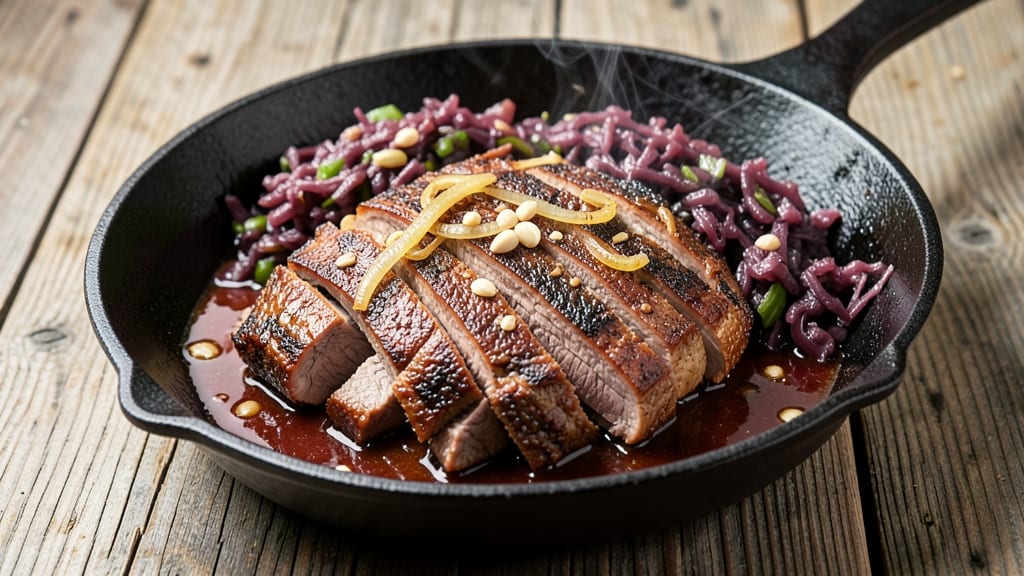
This beef sauerkraut recipe delivers the hearty, tangy comfort of German home cooking in a single pan—where tender beef simmers with sauerkraut until the flavors meld into something deeply satisfying.
The secret lies in slow-braising the meat with onions and spices until it practically falls apart, while the sauerkraut softens just enough to release its signature tang without losing its texture.
I first made this during a chilly autumn evening when I craved something warm, filling, and packed with flavor—no fancy techniques required, just time and patience.
The beauty of this dish is its simplicity: a one-pan wonder that combines protein, vegetables, and spices into one rich, aromatic meal. You’ll start by searing beef strips until deeply browned, then layer in onions and sauerkraut before adding a splash of broth to create a tender, saucy finish.
The result is a dish that’s hearty enough for a weeknight dinner but elegant enough for a cozy gathering, with flavors that develop as it simmers.
By the time you serve it, you’ll have tender beef slices swimming in a lightly tangy, caramelized sauce with perfectly softened sauerkraut—each bite delivering a balance of richness and acidity that’s impossible to resist.
The aroma alone will fill your kitchen with warmth, while the texture ensures every spoonful is a mix of melt-in-your-mouth beef and slightly crisp edges on the sauerkraut. This is comfort food at its finest, requiring just 45 minutes of active time and minimal cleanup.
Serve it alongside crusty bread to soak up the sauce or pair it with buttered noodles for a complete meal. The leftovers, if there are any, reheat beautifully the next day—making this the ultimate make-ahead dinner. Let’s get cooking.
Ingredients for beef sauerkraut
Pantry staples meet German tradition—just a handful of ingredients for one-pan comfort.
| Ingredient | Amount | Notes |
|---|---|---|
| Beef Chuck Roast 🥩 | 1 ½ lb | Cut into 1-inch strips, trimmed of fat |
| Sauerkraut 🥬 | 1 ½ cups | Drained and rinsed if too acidic |
| Yellow Onions 🧅 | 1 whole | Thinly sliced, about 1.5 cups |
| Garlic Cloves 🧄 | 4 cloves | Minced, for depth of flavor |
| Beef Broth 💧 | 1 cup | Low-sodium preferred, or substitute water |
| Apple Cider Vinegar 🍎 | 1 tbsp | Enhances tanginess, optional but recommended |
| Dark Brown Sugar 🍬 | 2 tbsp | Balances acidity, don't skip |
| Dijon Mustard 🥫 | 1 tbsp | Adds complexity, whole-grain preferred |
| Fresh Thyme Leaves 🌿 | ¼ cup | Or 1 tbsp dried thyme if fresh unavailable |
| Bay Leaves 🌿 | 2 whole | Remove before serving |
| Black Peppercorns 🌶️ | ½ tsp | Freshly cracked for maximum aroma |
| Kosher Salt 🧂 | 1 ½ tsp | Adjust to taste, Diamond Crystal preferred |
| Extra-Virgin Olive Oil 🫒 | 2 tbsp | For searing, high-quality preferred |
The beef is where this dish shines. Chuck roast gives you that melt-in-your-mouth texture, but sirloin or flank steak work in a pinch if you're short on time. Look for cuts with good marbling—the fat renders down into flavor. I always grab mine from Costco when I'm doing a big batch, but the regular supermarket chuck works fine for a weeknight. Trim off any large fat deposits before cutting into strips—you want flavor, not grease. The sauerkraut? Reinhart or Bubbier's brands are top-tier if you can find them, but any quality sauerkraut will do. Just drain and rinse it well if it's too acidic for your taste—you want the tang to complement, not overpower.
No beef broth? Water plus 1 tsp soy sauce works in a bind. Fresh thyme is ideal, but dried thyme at one-third the amount gets you close. The apple cider vinegar might sound odd, but it cuts through the richness beautifully—substitute lemon juice if you're out. For the mustard, Dijon is non-negotiable—it adds that subtle bite you can't get with yellow mustard. The onions can be swapped for pearl onions if you prefer, but they take longer to cook. The garlic? Freshly minced makes all the difference, but jarred will work if you're in a hurry. Just skip the salt in the jarred garlic—you're adding your own.
This dish tastes even better the next day—honestly, that's when the flavors meld perfectly. Store leftovers in an airtight container in the fridge for up to 5 days. The sauce thickens as it cools, so add a splash of water or broth when reheating. For make-ahead meals, I like to prep everything the night before: chop the onions, measure the spices, and store the beef and sauerkraut separately. Then it's just a matter of searing and simmering. The leftovers reheat beautifully in a skillet with a splash of broth—just stir until warmed through. Perfect for busy weeknights when you want that restaurant-quality comfort without the fuss.
Why You'll Love This Recipe
- I’ll be real: most beef dishes turn dry as leftovers. Not this one. The saucy, tangy base keeps it moist for days, and honestly? The flavors get even better after sitting overnight. Store it for up to 5 days, and you’ve got a meal solved.
- One-Pan Magic: Honestly, this recipe is my go-to when I don’t want to dirty a million dishes—just one Dutch oven, and you’re done. The beef strips sear right in the same pan where everything else cooks, so cleanup is basically nonexistent. (Yes, even on a Tuesday night.)
- Tangy-Sweet Symphony: That balance of sauerkraut’s sharp bite with the caramelized onions and brown sugar? It’s like a flavor hug. The Dijon mustard ties it all together with this deep, almost umami richness that makes every bite feel like a little celebration.
- Weeknight Workhorse: Between us, this feeds a crowd but still works for two. Double the recipe for game day, or make half for a quiet dinner—it’s that adaptable. And because the beef gets fork-tender, it’s perfect for picky eaters too.
Step-by-step instructions for one-pan German-style beef and sauerkraut
This hearty dish comes together in a single pan with minimal effort and maximum flavor.
Sear the Beef Chuck Roast for Deep Flavor
Heat a large Dutch oven over medium-high heat. Add the 2 tbsp extra-virgin olive oil and let it get shimmering hot—about 2 minutes. This ensures the beef develops that beautiful crust we're after.
Working in batches if needed, add the 1.5 pounds beef chuck roast cut into 1-inch strips, trimmed of fat. Sear undisturbed for 3-4 minutes until deeply browned on all sides. You'll see the edges transform from pink to rich caramelization—this is where all the flavor starts. Transfer the seared beef to a plate and set aside.
Here's the thing—if your pan gets crowded, the temperature drops and the beef steams instead of searing. Don't rush this step; patience pays off with that restaurant-quality crust.
Build the Aromatic Base with Onions, Garlic and Herbs
In the same Dutch oven, add the 1 whole yellow onions (thinly sliced) and cook for 5-6 minutes until softened and beginning to caramelize at the edges. This process takes a little longer than you might expect, but those sweet, golden onions form the foundation of our dish.
Add the 4 cloves garlic cloves (minced) and cook for 30 seconds until fragrant—you'll smell that irresistible garlic aroma fill your kitchen. Stir in the 0.25 cup fresh thyme leaves, 2 whole bay leaves, and 0.5 teaspoon black peppercorns (freshly cracked). These herbs will infuse the entire dish with their earthy, aromatic qualities.
Don't walk away during this step. Garlic burns faster than you think, and once it's blackened, all that bitterness will ruin your sauce. Keep a close eye on the pan.
Create the Sauce with Vinegar, Sugar and Mustard
Pour in the 1 tbsp apple cider vinegar and 2 tbsp dark brown sugar, stirring to combine. The vinegar will brighten the flavors while the sugar helps balance the natural acidity of the sauerkraut. Let this mixture cook for 1-2 minutes until slightly reduced.
Add the 1 tbsp Dijon mustard and stir vigorously. Here's where the magic happens—the mustard adds depth and helps emulsify the sauce later. Pour in the 1 cup beef broth and bring everything to a gentle simmer. This is your flavor base, so don't skip this step—it's what ties everything together.
Real talk: If you're using particularly acidic sauerkraut, you might want to add an extra ½ tbsp dark brown sugar here to balance the tang. Taste as you go and adjust accordingly.
Simmer with Sauerkraut Until Tender
Return the seared beef to the Dutch oven along with the 1.5 cups sauerkraut (drained and rinsed if too acidic). Stir to combine everything, then bring to a gentle simmer. Here's the crucial part: cover the pot and let it cook for 1 hour to 1 hour 15 minutes on low heat.
During this time, the beef will become fork-tender while absorbing all those amazing flavors. The sauerkraut will soften and release its tangy goodness into the sauce. Check occasionally and add a splash of water if the mixture looks too dry—you want a moist, saucy consistency.
Your oven might run hot, so start checking at the 45-minute mark for doneness. The beef should be easily fork-tender, and the sauce should coat the back of a spoon nicely.
Finish with Seasoning and Serve Warm
Remove the 2 whole bay leaves (they've done their job) and adjust the seasoning with the 1.5 teaspoons kosher salt. Taste and add more if needed—this is where you can really customize the dish to your preference. The salt should enhance all the flavors without overpowering them.
Let the dish sit off heat for 5 minutes before serving. This resting period allows the flavors to meld together perfectly. Serve immediately with crusty bread or over buttered egg noodles for that ultimate comfort food experience.
Each bite should deliver tender beef, sweet onions, tangy sauerkraut, and a rich, flavorful sauce that coats every mouthful. This is the kind of dish that warms you from the inside out—exactly what we promised.
Pro Tips For Making Beef Sauerkraut
- Trim That Fat First: I learned this the hard way—leaving fat on the beef chuck strips makes the oil splatter like a volcano when searing. Trim every visible piece before cutting into strips, and your pan will stay calm while building that golden crust.
- Don’t Rush the Onions: Those 5-6 minutes for caramelizing the onions aren’t optional. I used to skip ahead, but undercooked onions taste raw and make the whole dish feel flat. Let them soften and turn golden—it’s the sweet foundation everything else rests on.
- Taste Before You Seal: After adding the vinegar, sugar, and mustard, take a quick sip of the sauce (yes, really). If it’s too sharp, throw in that extra ½ teaspoon sugar now. Fixing over-acidity later is a nightmare—better to adjust while the pan’s still hot.
- Check the Beef Early: Your oven lies. At the 45-minute mark, test a beef strip—it’ll likely be tender before the full hour. If it is, reduce heat to low and let it soak up flavors. Overcooking turns it chewy, and no one wants that in sauerkraut.
Wine and beer pairings for this recipe
German Riesling Pairing
A crisp, dry German Riesling from the Mosel region is my go-to choice for this dish. The wine’s bright acidity and hints of green apple perfectly complement the sauerkraut’s tang while balancing the richness of the beef.
Look for a Kabinett or Spätlese—these lighter styles won’t overpower the meal. Try a bottle from Dr. Loosen or Ernst Loosen, both of which offer excellent quality at reasonable prices. 🍷
Hefeweizen Beer Match
For a refreshing beer pairing, reach for a classic German Hefeweizen like Weihenstephaner or Paulaner. The banana and clove notes in these wheat beers harmonize beautifully with the caramelized onions and thyme in the dish.
The effervescence also helps cleanse your palate between bites. If you prefer a darker option, a Dunkelweizen adds a touch of malt sweetness that pairs well with the dish’s savory depth.
Red Wine Alternative
If you prefer red wine, a light-bodied German Spätburgunder (Pinot Noir) from Baden or the Pfalz works wonders. These wines have red fruit notes and a silky texture that won’t clash with the beef’s tenderness.
I recommend Dr. Loosen Blue Slate or Bernhard Huber—both offer excellent value and regional character. Avoid heavy Cabernets or Syrahs, which would overpower the dish’s delicate flavors.
Non-Alcoholic Options
For a non-alcoholic pairing, try a sparkling apple cider like Martinelli’s or a ginger beer such as Feather’s. The effervescence and slight tartness mirror the wine pairings while keeping the meal refreshing.
If you prefer something warmer, a hot mulled wine made with German red wine, cinnamon, and orange peel adds a festive touch to your meal. 🍎
Serving Temperature
Serve your wine or beer slightly chilled—German Riesling at 45-50°F and Hefeweizen at 40-45°F. The cooler temperature preserves the drink’s crispness and enhances its ability to cut through the dish’s richness.
If using red wine, serve it slightly below room temperature (55-60°F) to highlight its fruit-forward qualities without muting its acidity.
Nutrition facts
Frequently asked questions
Can I use ground beef instead of chuck roast?
The recipe calls for chuck roast because it stays tender and flavorful when slow-cooked. Ground beef would work in a pinch, but it won't have the same texture or depth of flavor. If you must substitute, try 80/20 ground chuck and reduce the cooking time to 30-40 minutes—just keep an eye on it to avoid drying out.
How do I know when the beef is fully tender?
The beef should be fork-tender after 1 hour to 1 hour 15 minutes of simmering. Test it by inserting a fork—if it slides in easily with no resistance, it's ready. If it's still slightly chewy, let it cook another 15-20 minutes. The sauce should coat the back of a spoon, indicating it's absorbed enough liquid.
Can I make this dish in an Instant Pot?
Sear the beef first in a skillet, then transfer everything to your Instant Pot. Cook on high pressure for 25 minutes, followed by a 10-minute natural release. The texture will be slightly different but still delicious. Just add 1 cup beef broth and adjust cooking time if using sauerkraut with higher moisture content.
What if my sauerkraut is too acidic?
Rinse it thoroughly under cold water to reduce acidity. For extra balance, add ½ teaspoon sugar when creating the sauce or a splash of apple cider vinegar (it might sound counterintuitive, but it helps mellow the tang). Taste as you go and adjust with more sugar or a pinch of salt if needed. The goal is harmony, not overpowering flavors.
Can I prep this ahead of time for meal prep?
Yes! Chop all ingredients and store them separately in the fridge for up to 2 days. When ready to cook, just sear the beef and follow the remaining steps. The dish also reheats beautifully—simmer leftovers with a splash of water or broth for 5-10 minutes until warmed through. Perfect for busy weeknights!