
Main Courses
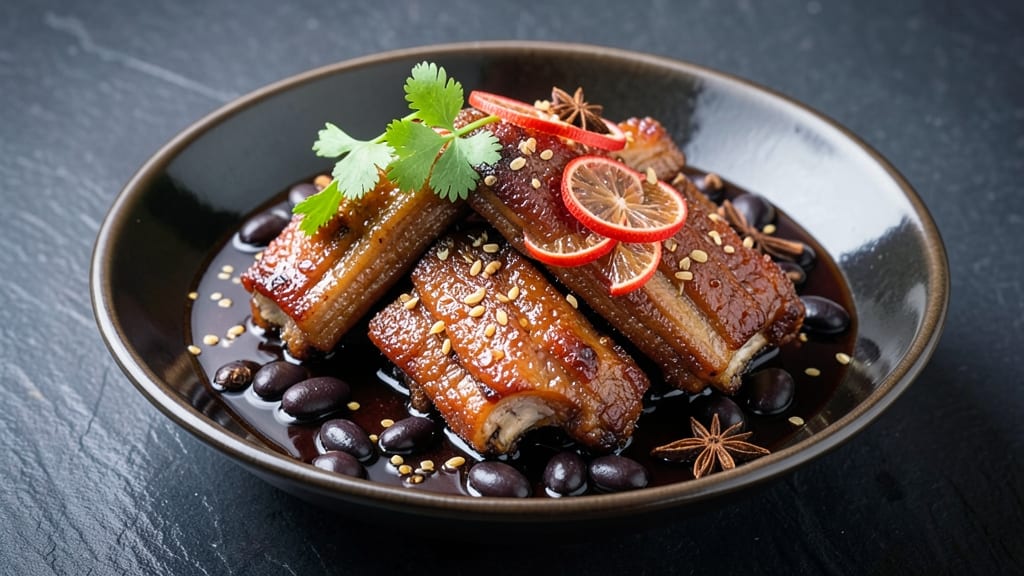
This Chinese beef ribs recipe delivers restaurant-quality results with a five-spice glaze that caramelizes edges into irresistible sweetness while keeping the meat tender. The secret lies in balancing traditional Chinese spices—star anise, cinnamon, and Szechuan peppercorns—with a slow-braising technique that transforms tough ribs into melt-in-your-mouth perfection.
I developed this method after years of perfecting braised dishes, ensuring every bite delivers that perfect harmony of smoky, spicy, and sweet flavors.
The recipe begins with a marinade that tenderizes the meat while infusing it with aromatic spices, followed by a slow braise that renders fat and develops deep, caramelized flavors.
Unlike quick grilling methods, this approach creates a sauce that clings to the ribs, making each bite juicy and packed with complex taste. The five-spice glaze isn’t just a topping—it’s the heart of the dish, with its signature warmth and depth.
By the time you serve these ribs, you’ll have a dish that’s visually stunning—glossy, caramelized edges contrasting with tender meat—and aromatically rich, filling your kitchen with the scent of star anise and soy. The glaze thickens as it cooks, creating a sticky, flavorful crust that’s impossible to resist.
This recipe is designed for those who appreciate the art of slow cooking and the reward of a perfectly balanced meal.
Pair these ribs with steamed buns or stir-fried bok choy to complete the experience. The technique is straightforward, but the results are anything but ordinary—this is the kind of dish that elevates a weeknight dinner into a memorable feast.
Let’s get started on creating ribs that taste like they’ve been simmering all day.
Ingredients for beef ribs chinese
Traditional Chinese spices meet slow-braised tenderness in this five-spice glaze recipe. Essential aromatics and pantry staples transform tough ribs into melt-in-your-mouth perfection.
| Ingredient | Amount | Notes |
|---|---|---|
| Beef Ribs 🥩 | 4 lb | Bone-in, meaty sections preferred |
| Star Anise Pods 🌿 | 2 whole | Whole, lightly crushed |
| Cinnamon Sticks 🌿 | 2 whole | High-quality, aromatic |
| Szechuan Peppercorns 🌶️ | 1 tsp | Toasted for maximum aroma |
| Ground Fennel Seeds 🌿 | 1 tsp | Freshly ground preferred |
| Cloves 🌿 | 3 whole | Lightly crushed |
| Light Soy Sauce 🍶 | ½ cup | High-quality, low-sodium preferred |
| Dark Soy Sauce 🍶 | ¼ cup | For color and depth |
| Honey 🍯 | ⅓ cup | Pure, high-quality |
| Rice Vinegar 🍶 | ¼ cup | White or seasoned |
| Garlic Cloves 🧄 | 6 cloves | Peeled, smashed |
| Fresh Ginger 🧅 | ½ cup | Grated, peeled |
| Sesame Oil 🫒 | 1 tbsp | Toasted, for aroma |
| Cornstarch 🌾 | 2 tbsp | For glaze thickening |
| Water 💧 | 1 ½ cups | Filtered preferred |
| Salt 🧂 | 1 ½ tsp | Diamond Crystal preferred |
| Black Peppercorns 🌶️ | 1 tsp | Freshly cracked |
The spices are non-negotiable for authentic flavor. Whole spices like star anise and cinnamon should be sourced from reputable Asian markets or specialty spice shops—Penzeys or Burlap & Barrel carry excellent quality. Szechuan peppercorns are particularly important; their unique citrusy heat defines the dish. Lightly crush them with a mortar and pestle to release their oils without overpowering. For the soy sauces, Lee Kum Kee light and dark soy sauces are industry standards, though any high-quality brands will work. The honey should be pure, with no added corn syrup—Madhava or local raw honey work beautifully. Fresh ginger and garlic are best used immediately after grating or smashing, as their volatile oils degrade quickly when exposed to air.
Substitutions require careful consideration to maintain balance. If whole spices are unavailable, ground versions can be used at half the quantity, though texture and aroma will differ. For a vegetarian adaptation, mushroom stems or king oyster mushrooms can replace the beef ribs, though cooking time will need adjustment. The cornstarch can be swapped for arrowroot powder for a slightly clearer glaze, though it may thicken differently. When using pre-minced garlic or ginger from jars, reduce the amount by 20% as commercial preparations often contain added water. For a less sweet version, reduce the honey to 0.25 cup and add an extra 0.25 cup of rice vinegar to maintain acidity balance. The sesame oil should be toasted—heat 1 tbsp in a dry pan for 30 seconds to develop its nutty aroma before adding to the glaze.
Proper storage begins with the ribs. Cooked ribs will keep for 4-5 days in the refrigerator, stored in their braising liquid. For longer storage, portion into airtight containers and freeze for up to 3 months. The five-spice glaze can be made ahead and stored separately for 1 week in the fridge or 3 months frozen. When reheating, add a splash of water or broth to prevent thickening. For serving, the glaze can be reheated gently in a saucepan over low heat, stirring constantly until smooth. The ribs benefit from resting for 10-15 minutes after cooking to redistribute juices—this is particularly important when serving to guests, as it ensures each bite remains tender. Leftover glaze makes an excellent marinade for subsequent meals or can be reduced further for a dipping sauce.
Why You'll Love This Recipe
- One-Pan Magic: I swear by this recipe because it’s all in one pot—no messy transfers, no extra dishes. The ribs sear right in the same Dutch oven where they braise, and that caramelized glaze? It thickens into a sticky, restaurant-worthy sauce without a single extra pan. Honestly, I’ve made ribs that took three pots and twice the cleanup—this beats them every time.
- Flavor Bomb: That first bite of crispy, caramelized edge with the tender, spiced meat underneath? It’s like a flavor explosion. The star anise and cinnamon sticks infuse the glaze with warmth, while the Szechuan peppercorns add a subtle tingling kick—no heat, just depth. And the honey? It balances the soy and vinegar so perfectly, you’ll want to lick the plate clean.
- Weeknight Crowd-Pleaser: Between us, this is my go-to for game days, family dinners, or when friends drop by unannounced. The ribs feed four easily, and the leftovers? They’re even better the next day—just reheat with a splash of water to loosen the glaze. Plus, the aroma while it braises? It fills the whole house, and nobody ever resists.
- Budget-Friendly Feast: Four pounds of beef ribs might sound pricey, but the spices and pantry staples (like soy sauce and honey) stretch this into multiple meals. Store the ribs in their braising liquid for up to five days, or freeze them for three months—no waste, just flavor. I’ll be real: it’s one of those recipes where you spend a little upfront, but every bite feels like a splurge.
Step-by-step instructions for beef ribs with five-spice glaze
This method delivers deep caramelization and tender meat through precise layering of aromatics and controlled cooking.
Prepare the Spice Glaze Base
In a medium saucepan, combine the 1.5 cups water, 0.5 cup light soy sauce, 0.25 cup dark soy sauce, 0.33 cup honey, and 0.25 cup rice vinegar. Bring to a simmer over medium-high heat while adding the 2 whole star anise pods, 2 whole cinnamon sticks, 1 tsp Szechuan peppercorns, 1 tsp ground fennel seeds, and 3 whole cloves. Let the mixture reduce by half—approximately 10-12 minutes—until thickened and aromatic. Here's the thing: the spices should infuse completely, leaving no graininess behind.
Strain the liquid through a fine-mesh sieve into a clean bowl, pressing gently on the spices to extract maximum flavor. Discard the solids. This strained glaze will form the foundation of your ribs' caramelized crust and tender interior. The reduction process concentrates the flavors while eliminating any bitterness from the spices.
Marinate and Sear the Ribs
While the glaze reduces, prepare the ribs by scoring the meat in a diamond pattern with a sharp knife, cutting about ¼-inch deep without piercing the bone. This creates channels for the marinade to penetrate deeply. In a large bowl, combine the strained glaze with 6 cloves smashed garlic, 0.5 cup freshly grated ginger, 1 tbsp sesame oil, 1.5 tsp salt, and 1 tsp freshly cracked black peppercorns. Coat the ribs thoroughly in this marinade and let them sit at room temperature for 30 minutes to ensure even flavor absorption.
Heat a heavy oven-safe skillet or Dutch oven over high heat. Add the marinated ribs and sear for 4-5 minutes per side until they develop a deep golden-brown crust. The edges should begin to caramelize slightly—this is your signal that the Maillard reaction is working. Transfer the ribs to a plate and tent loosely with foil to retain heat during the braising process.
Braise to Tender Perfection
Return the skillet to the stove and reduce heat to medium-low. Add the 2 tbsp cornstarch to the drippings in the pan, stirring vigorously to create a light slurry. Gradually whisk in ½ cup of the reserved marinade (if any remains) to thicken the sauce into a glossy glaze. Pour this mixture evenly over the ribs, ensuring they're fully coated.
Cover the skillet tightly with a lid or foil and transfer to a preheated 300°F oven. Braise for 2.5 to 3 hours, turning the ribs occasionally to ensure even exposure to the glaze. The ribs are done when they're fork-tender and the glaze has thickened into a sticky, caramelized coating. Your oven might run hot, so start checking at the 2-hour mark—the ribs should pull apart easily when tested with tongs.
Caramelize the Edges
Once the ribs reach the fork-tender stage, remove them from the oven and increase the heat to 450°F. Place the skillet with ribs on the middle rack and broil for 3-5 minutes, watching closely to prevent burning. The glaze should bubble vigorously and develop a deep amber hue, creating a crispy, caramelized crust on the edges. This final step is critical—it transforms the braised ribs into something restaurant-quality.
Let the ribs rest for 10 minutes before serving. This resting period allows the juices to redistribute, ensuring each bite remains moist and flavorful. Serve the ribs with the caramelized glaze spooned over the top, accompanied by steamed jasmine rice or stir-fried vegetables to balance the rich, sweet-savory profile.
Pro Tips For Making Beef Ribs Chinese
- CRUSH SPICES RIGHT: The whole star anise, cinnamon sticks, and cloves need to be lightly crushed—just enough to break them open so their oils infuse into the glaze. I used to skip this and ended up with a watery, underflavored sauce. A rolling pin or mortar and pestle works best; don’t pulverize them into dust, or you’ll end up with grainy bits.
- SEAR UNTIL GOLDEN: Those 4-5 minutes per side on high heat aren’t optional—they’re what builds the crust that locks in flavor. If your ribs look pale after searing, crank the heat higher and let them sit undisturbed until they develop a deep amber color. Trust me, rushing this step means sacrificing texture and depth later.
- STRAIN THE GLAZE WELL: Press those spices gently but firmly when straining—the liquid clinging to them holds half the flavor. I learned this after tasting a glaze that was dull and weak. Use a fine-mesh sieve and a spoon to coax out every last drop, even if it means a little extra effort.
- BROIL WITH VIGILANCE: The 450°F broil isn’t just for show—it’s what turns the glaze from sticky to glossy and caramelized. Watch those ribs like a hawk; they’ll go from perfect to burnt in seconds. If the glaze isn’t bubbling vigorously within 2 minutes, turn the heat up a notch. No second chances here.
Pro cooking tips for great beef ribs chinese
Spice Infusion Mastery
Toast your Szechuan peppercorns and whole spices in a dry skillet for 30 seconds before adding to the glaze base—this unlocks their essential oils and deepens their aroma. I use a 10-inch cast-iron skillet for even heat distribution.
Lightly crushing the star anise and cloves with a mortar and pestle maximizes their flavor extraction during reduction. 🌶️
Diamond Scoring Technique
Score the ribs in a precise diamond pattern (not crisscross) with a sharp chef's knife, cutting ¼-inch deep to create channels for marinade penetration without exposing the bone. This technique prevents the meat from curling during cooking.
I recommend using a Wüsthof Ikon knife for clean, controlled cuts. The scoring should be 1-inch apart to maintain structural integrity.
Glaze Thickening Secrets
The cornstarch slurry must be whisked vigorously into the drippings until completely dissolved before pouring over the ribs. I use a wire whisk and add the slurry gradually to prevent clumping.
For extra shine, add 1 tsp toasted sesame oil to the finished glaze before the final broil. This creates a silky texture that clings beautifully to the ribs.
Braising Temperature Control
Your oven's accuracy is critical—use an oven thermometer to verify the 300°F setting, as many ovens run 25°F hotter than displayed. I place my thermometer on the middle rack where the ribs will sit.
The ribs are done when they reach 203°F internal temperature and the glaze forms a sticky web when lifted with tongs. 🌡️
Broiling Like a Pro
For the final 450°F broil, position the oven rack 4 inches from the heat source and watch closely after 2 minutes to prevent burning. The glaze should bubble like a "mini volcano" with deep amber caramelization.
I use a heat-resistant glove to handle the hot skillet during this stage. This step transforms the dish from good to restaurant-quality in just 3-5 minutes.
Resting for Juice Redistribution
Never skip the 10-minute rest—this allows the juices to reabsorb into the meat fibers, preventing dryness. Tent the ribs loosely with foil and place them on a wire rack over a baking sheet to catch any drippings.
I like to serve mine directly from the skillet to maintain heat and presentation. The resting time also lets the caramelized edges set slightly for better slicing. ✨
Nutrition facts
Frequently asked questions
Can I substitute bone-in beef short ribs for bone-out ribeye?
The recipe is designed for bone-in beef ribs to maximize flavor and tenderness. Bone-out cuts like ribeye won't develop the same depth of sauce or texture. If you must use a different cut, opt for beef chuck ribs or pork spare ribs—adjust cooking time by 30-45 minutes since pork requires longer braising. Never use boneless ribeye or loin cuts, as they'll dry out during the long cook.
Why does the glaze need to reduce for 10-12 minutes?
The 10-12 minute reduction is crucial for two reasons: it concentrates the flavors of the star anise, cinnamon, and Szechuan peppercorns while eliminating any bitterness, and it creates a syrupy base that clings perfectly to the ribs. Skipping this step results in a thin, watery sauce. Pro tip: Stir occasionally to prevent scorching, and use a medium saucepan for even heat distribution.
What's the best way to reheat leftover ribs?
Reheat ribs in their braising liquid over low heat for 10-15 minutes, covered, until warmed through. Avoid microwaving—they'll dry out. For extra shine, add 1 tsp toasted sesame oil and 1 tbsp water to the reheating liquid. The glaze may thicken further; thin with a splash of rice vinegar if needed. Store leftovers in their braising liquid for up to 4-5 days.
Can I make the five-spice glaze ahead of time?
Prepare the glaze up to 3 days in advance and store it in an airtight container in the fridge. When ready to cook, simply reheat it gently (don't boil) and proceed with the recipe. For longer storage, freeze the glaze for up to 3 months
How do I adjust the sweetness in the glaze?
The 0.33 cup honey creates the signature balance of sweet and savory. For less sweetness, reduce honey to 0.25 cup and add 0.25 cup extra rice vinegar to maintain acidity. For more sweetness, increase honey to 0.4 cup and reduce vinegar to 0.2 cup. Remember: the glaze should complement the meat's natural richness, not overpower it. Taste as you go!