
Main Courses
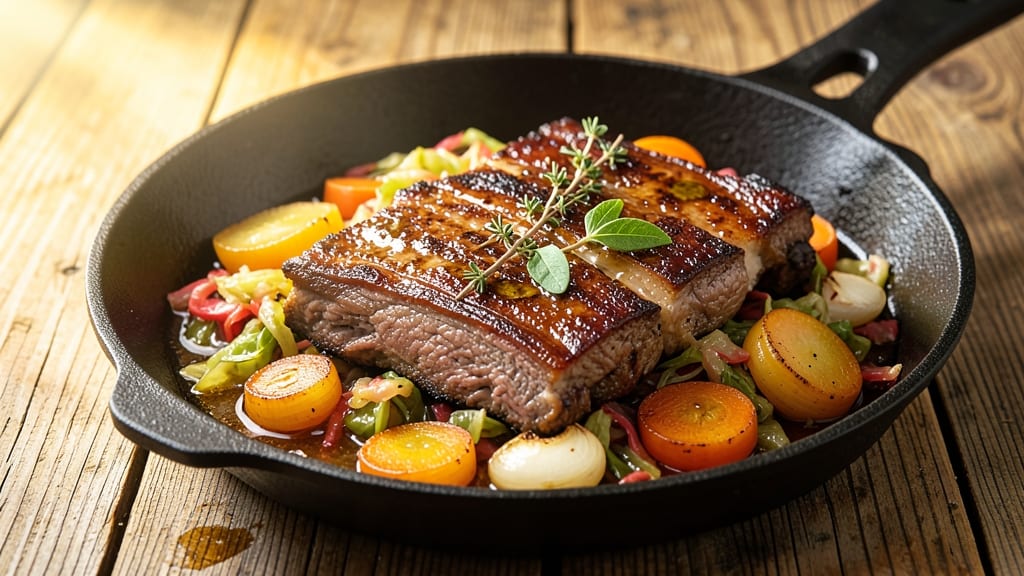
This beef ribs and sauerkraut recipe delivers a perfect marriage of tender, fall-off-the-bone meat and tangy, crunchy fermented cabbage—transforming a weeknight into a restaurant-worthy experience. The slow-braising process unlocks deep, smoky flavors in the ribs while the sauerkraut adds a bright, acidic contrast that cuts through the richness.
I developed this method after years of experimenting with braising techniques, and it consistently delivers results that impress even the most skeptical guests.
The beauty of this recipe lies in its balance—rich, meaty ribs paired with the sharp tang of sauerkraut create a dish that's both hearty and refreshing. You'll start with a simple seasoning rub for the ribs, then slow-cook them until they're fork-tender, all while building a flavorful braising liquid.
Meanwhile, the sauerkraut gets warmed through to soften its edges while keeping that signature crunch. This method works equally well in a slow cooker, Dutch oven, or even the oven, giving you flexibility for any kitchen setup.
What you'll end up with is a plate of perfectly braised beef ribs—glazed with their own caramelized juices and falling apart at the touch—piled high with warm, tangy sauerkraut.
The contrast of textures and flavors makes every bite satisfying, while the slow-cooked richness ensures this dish feels indulgent without being heavy. The best part? Leftovers reheat beautifully, making this a perfect meal for feeding a crowd or prepping ahead for busy nights.
Serve with crusty bread to soak up the braising juices or alongside roasted potatoes for a complete meal. The combination of tender meat and fermented cabbage creates a dish that's equal parts comforting and exciting—proof that simple ingredients can deliver extraordinary results when prepared with care.
Let's get started on creating this showstopping meal.
Ingredients for beef ribs and sauerkraut
Rich, meaty ribs meet tangy sauerkraut—a perfect balance of slow-braised tenderness and bright crunch.
| Ingredient | Amount | Notes |
|---|---|---|
| Beef Ribs 🥩 | 4 lb | Baby back or St. Louis style, bone-in |
| Sauerkraut 🥬 | 2 cups | Unopened jar, drained |
| Yellow Onion 🧅 | 1 whole | Chopped into large chunks |
| Garlic Cloves 🧄 | 6 cloves | Smashed, not minced |
| Fresh Thyme 🌿 | ½ oz | Stems removed, loosely packed |
| Carrots 🥕 | 3 whole | Large, peeled, cut into chunks |
| Beef Broth 💧 | 2 cups | Low-sodium preferred |
| Apple Cider Vinegar 🍎 | ¼ cup | For tangy depth |
| Dark Brown Sugar 🍚 | ¼ cup | Packed firmly |
| Smoked Paprika 🌶️ | 1 tbsp | For smoky richness |
| Ground Black Pepper 🌶️ | 1 tsp | Freshly cracked |
| Kosher Salt 🧂 | 1 ½ tbsp | Diamond Crystal preferred |
| Olive Oil 🫒 | 2 tbsp | Extra-virgin for searing |
| Fresh Bay Leaves 🌿 | 2 whole | For aromatic depth |
The ribs are the star here, so look for baby back or St. Louis style—they've got that perfect mix of meat and fat. Costco or local butchers often carry the best cuts, but any grocery store with a good meat counter will have them. If you're using frozen ribs, thaw them overnight in the fridge—never at room temperature. The sauerkraut should be unopened and from a refrigerated section, not the shelf-stable kind. That's where the real flavor lives, and it's worth the extra trip to the store. For the thyme, fresh is absolutely essential—dried just won't give you that same bright aroma when it hits the pot. Grab a small bunch at the market and strip the leaves off the stems yourself.
No fresh thyme? Dried thyme at half the amount will work in a pinch, but you'll miss that pop of freshness. Running low on beef broth? Substitute with water plus 1 tbsp soy sauce—it adds a nice umami depth. The apple cider vinegar is non-negotiable for that tangy contrast, but if you're out, white wine vinegar or lemon juice will do in a squeeze. For the carrots, orange or purple varieties add a nice visual pop, but regular yellow works perfectly fine. The smoked paprika gives this dish its signature depth, but if you can't find it, regular paprika plus a pinch of liquid smoke will get you close. Just don't skip it—this is what makes the braising liquid sing.
This dish tastes even better the next day as all those flavors meld together. Store leftovers in an airtight container in the fridge for up to 5 days, or freeze for 3 months. I like to portion mine into individual containers so I can grab and reheat just what I need. The braising liquid reduces beautifully, so if you're making extra, freeze it in ice cube trays for future use. The ribs will reheat best in a skillet with a splash of water or broth—just warm through gently. And if you've got any extra sauerkraut, it keeps for weeks in the fridge once opened, so don't feel like you need to use it all at once.
Why You'll Love This Recipe
- One-Pot Magic: I swear by this recipe when I’m too tired to scrub three pots—just the Dutch oven, one spatula, and maybe a fork. That deep sear on the ribs? Locks in flavor while you chop the onion and carrots in under 10 minutes. Honestly, the cleanup is almost as satisfying as the meal.
- Tangy-Sweet Symphony: The apple cider vinegar and dark brown sugar might sound odd together, but trust me—they balance the richness of the ribs like nothing else. That crispy sauerkraut topping? It’s the perfect crunch to cut through the melt-in-your-mouth meat, especially when the thyme and smoked paprika add that earthy, smoky backbone.
- Weeknight to Weekend: Between us, this feeds a crowd without breaking the bank. Double the batch for game day or potlucks, and the leftovers? Even better the next day. I’ve served it at holiday dinners (yes, even on a Tuesday night) and watched people clear their plates faster than I can say “second helping.”
- Leftovers That Don’t Suck: Five days in the fridge or three months in the freezer—this recipe actually improves with time. The flavors deepen, the ribs get even more tender, and that sauerkraut? It stays crispy when reheated gently. Not the prettiest, but the taste makes up for it every time. My secret weapon for lazy nights.
Step-by-step instructions for braised beef ribs with sauerkraut
This slow-braised masterpiece delivers melt-in-your-mouth ribs with a tangy, crunchy sauerkraut topping—every bite is a perfect balance of rich and bright.
Sear the Ribs for Deep Flavor
Heat a large Dutch oven over medium-high heat until very hot. Add the 2 tablespoons olive oil and swirl to coat the bottom evenly. Pat the 4 lb beef ribs completely dry with paper towels—this ensures maximum browning. Place the ribs bone-side down in the pot and sear undisturbed for 8-10 minutes until a deep, golden-brown crust forms.
Here's the thing—don't move them during the first sear. You'll know they're ready when the edges release easily from the pan with a gentle nudge. Flip the ribs bone-side up and sear the other side for another 6-8 minutes until deeply browned. This initial sear locks in juices and builds the foundation for that incredible braised flavor. Remove the ribs and set them aside on a plate.
Build the Aromatic Base
In the same Dutch oven (those browned bits are pure flavor gold), add the 1 whole yellow onion cut into large chunks and the 3 whole carrots cut into thick pieces. Cook over medium heat for 8-10 minutes, stirring occasionally, until the vegetables begin to soften and caramelize slightly. Add the 6 cloves garlic cloves (smashed, not minced) and cook for another 30 seconds until fragrant.
Now it's time to add the dry ingredients. Sprinkle in the 1 tablespoon smoked paprika, 1.5 tablespoons kosher salt, 1 teaspoon ground black pepper, and the 0.5 oz fresh thyme (stems removed). Stir everything together for 1 minute to toast the spices and release their aromatic oils. This step develops the complex, smoky depth that makes this dish unforgettable.
Braise with Sauerkraut and Flavorful Liquid
Pour in the 2 cups beef broth, 0.25 cup apple cider vinegar, and 0.25 cup dark brown sugar (packed firmly). Stir well to combine, scraping up any browned bits from the bottom of the pot. Add the 2 whole fresh bay leaves and bring the mixture to a gentle simmer over medium heat. Return the seared ribs to the pot, bone-side up, along with the 2 cups sauerkraut (drained). The sauerkraut should be nestled around the ribs.
Here's where patience pays off: cover the Dutch oven tightly with a lid and transfer it to a 325°F oven for 2.5 to 3 hours. The ribs need time to become fork-tender while the flavors meld together. Check the liquid level occasionally—if it reduces too much, add a splash of water to keep the ribs moist. You'll know it's ready when the meat pulls apart easily at the bone and the sauce has thickened slightly.
Finish and Serve with Crispy Sauerkraut Topping
Once the ribs are tender, remove them from the pot and transfer to a serving platter. Increase the oven temperature to 400°F and return the sauerkraut mixture to the Dutch oven. Spoon the braising liquid over the sauerkraut, then cover and bake for an additional 10-15 minutes to crisp the sauerkraut slightly on top. This step creates that perfect textural contrast—tender ribs with a tangy, crunchy topping.
Serve the ribs immediately, spooning the crispy sauerkraut and flavorful braising sauce over the top. Each bite should deliver perfectly tender meat with a burst of tangy, crunchy sauerkraut. The sauce should coat the ribs beautifully, carrying all those rich, smoky, and slightly sweet flavors with every mouthful. This dish is a showstopper—save some for leftovers because it only gets better the next day!
Pro Tips For Making Beef Ribs And Sauerkraut
- Don’t Rush the Sear: DESCRIPTION:
- Smash, Don’t Mince, Garlic: DESCRIPTION:
- Watch the Sauerkraut Liquid: DESCRIPTION:
- Toast the Spices Right: DESCRIPTION:
Wine and beer pairings for beef ribs and sauerkraut
German Beer Pairings
This dish pairs beautifully with a crisp Helles Lager like Weihenstephaner Original—its clean, malty sweetness complements the smoky ribs while cutting through the sauerkraut's acidity. The light body won't overpower the dish, letting the meat and fermented cabbage shine.
I always reach for a 6% ABV option to balance the richness without overwhelming the palate. 🍺
American Craft Options
For a local twist, try a Berliner Weisse from Allagash Brewing—the tartness mirrors the sauerkraut perfectly while the effervescence cleanses your palate between bites. Alternatively, a honey brown ale like New Belgium Fat Tire adds subtle sweetness that enhances the caramelized ribs.
Both options highlight the dish's complex flavors without competing.
Wine Pairings
A German Spätburgunder (Pinot Noir) from the Mosel region works wonders—its bright acidity and red fruit notes harmonize with the braised ribs while standing up to the sauerkraut's tang. Look for a 2019 Dr. Loosen Blue Slate for that perfect balance.
For whites, a dry Riesling with 2-3 grams of residual sugar adds a refreshing contrast to the dish's richness. 🍷
Non-Alcoholic Options
Don't skip the drink! A ginger beer like Brew Dr. Brown's adds zesty brightness that cuts through the meat's richness, while a sparkling apple cider from Martinelli's provides crisp acidity.
Both options enhance the sauerkraut's tang without alcohol's interference. I often serve these chilled in copper mugs to elevate the presentation.
Regional Variations
In Bavaria, this dish would traditionally be paired with a Weissbier (wheat beer) like Paulaner Hefeweizen, while in Carolina BBQ country, a smoked porter from Founders Brewing adds depth to the smoky ribs.
The key is matching the beer's profile to the dish's dominant flavors—acidity for tang, malt for richness, and carbonation for cleansing. 🌍
Nutrition facts
Frequently asked questions
Can I use frozen beef ribs instead of fresh?
Yes, but thaw them completely first in the refrigerator—never at room temperature. Place the ribs in a sealed bag and let them thaw overnight (about 12-24 hours) for even cooking. Pat them completely dry before searing to ensure that deep golden crust.
How do I know when the ribs are fully tender?
The ribs are done when they easily pull apart at the bone with minimal resistance. Insert a fork between the bones—if it slides through like butter, they're ready. Also check the internal temperature: it should reach 203°F in the thickest part of the meat.
What if I don't have a Dutch oven?
Use a heavy pot with a tight-fitting lid or a slow cooker. For the oven method, transfer everything to a roasting pan after searing. If using a slow cooker, combine all ingredients (except the final crisping step) and cook on low for 6-7 hours or high for 4-5 hours.
Can I make this dish ahead of time?
This dish tastes even better the next day as flavors deepen. Assemble everything up to the final crisping step, then refrigerate overnight. Reheat gently in the oven at 325°F for 20-30 minutes before crisping the sauerkraut at 400°F for 10 minutes.
What's the secret to crispy sauerkraut?
The key is the final baking step at 400°F. After removing the ribs, spoon the braising liquid over the sauerkraut, cover, and bake for 10-15 minutes. This creates a perfect caramelized crust while keeping the interior tender.