
Main Courses
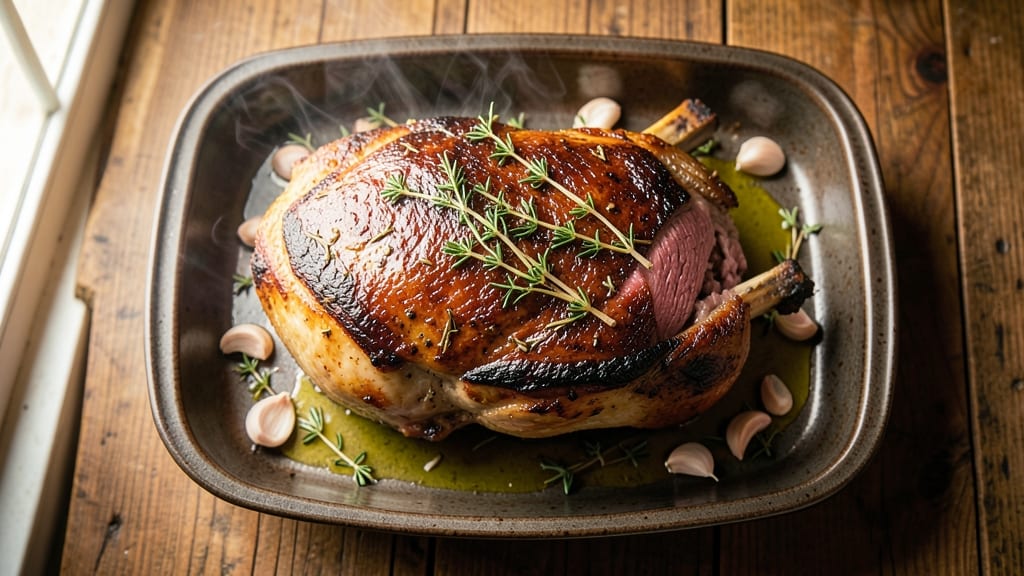
A beef rib eye roast bone-in transforms a simple dinner into a showstopping meal that tastes like a high-end steakhouse—right in your own kitchen. The secret lies in balancing a crisp, caramelized crust with tender, marbled meat that melts at the touch of a fork.
I perfected this technique after years of testing, and the results speak for themselves: juicy, flavorful beef that holds its shape perfectly when sliced.
What sets this recipe apart is the method: a slow roast at low heat followed by a high-temperature sear creates an ideal balance of doneness and texture. You'll start with a dry brine to enhance tenderness, then build rich, savory flavors with a simple seasoning blend.
The key is patience—letting the meat cook slowly ensures even heat penetration while developing that deep, beefy aroma that fills your home.
By the time you pull this roast from the oven, you'll have a perfectly medium-rare center with a golden-brown crust that's impossible to resist. The bone-in element adds extra flavor and keeps the meat moist, while the marbling ensures every bite is rich and satisfying.
This isn't just dinner—it's an experience that turns an ordinary night into something special.
Pair it with a bold red wine reduction or roasted root vegetables for a complete meal that feels both impressive and comforting. The best part? This recipe delivers restaurant-quality results without requiring special equipment or skills. Let's get started on creating your perfect roast.
Ingredients for beef rib eye roast bone in
Prime beef, aromatic herbs, and bold flavors—this roast delivers restaurant-quality perfection at home.
| Ingredient | Amount | Notes |
|---|---|---|
| Beef Rib Eye Roast Bone-In 🥩 | 3 ½ lb | Prime grade, 1.5-2 inches thick |
| Kosher Salt 🧂 | 1 ½ tbsp | Diamond Crystal preferred |
| Freshly Ground Black Pepper 🌶️ | 1 ½ tsp | Freshly cracked for best flavor |
| Garlic Cloves 🧄 | 6 cloves | Smashed for dry brine |
| Extra-Virgin Olive Oil 🫒 | 2 tbsp | High-quality, fruity variety |
| Fresh Thyme Sprigs 🌿 | 4 whole | Or 1 tsp dried thyme |
| Fresh Rosemary Sprigs 🌿 | 4 whole | Woody stems removed |
| Red Wine 🍷 | ½ cup | Bold Cabernet Sauvignon |
| Beef Tallow or Butter 🧈 | ¼ cup | For basting, full-fat preferred |
| Yellow Onion 🧅 | 1 whole | Sliced for pan sear |
| Carrots 🥕 | 4 whole | Baby or regular, peeled |
| Celery Stalks 🥬 | 3 whole | Trimmed, cut into chunks |
| Garlic Cloves 🧄 | 4 cloves | Minced for aromatics |
| Fresh Parsley 🌿 | ¼ cup | Chopped for garnish |
| Balsamic Vinegar 🍶 | 1 tbsp | For finishing drizzle |
The beef is non-negotiable here. Prime rib eye bone-in from Costco or Whole Foods gives you that perfect marbling—look for thick cuts (1.5-2 inches) with visible fat. If you're buying from a butcher, ask for a roast that's been dry-aged for 21 days or more—it makes a world of difference. The kosher salt should be Diamond Crystal (it's coarser and dissolves better), and fresh thyme/rosemary from the grocery store's produce section (not the dried spices aisle) will give you that vibrant aroma. I always grab extra herbs—half goes in the dry brine, half gets tied around the roast for maximum flavor infusion.
No red wine on hand? Beef broth with a splash of balsamic works just as well. Fresh herbs wilt fast, so if you're prepping ahead, dried thyme at one-third the amount is a solid swap. The carrots and celery can be swapped for parsnips or turnips if you're feeling adventurous. For the sear, if you don't have beef tallow, butter works perfectly fine—just don't overdo it or it'll burn. The key is to keep everything simple: the beef, the salt, the pepper, and a little acid (red wine or balsamic) to cut through the richness.
This roast tastes even better the next day, so plan ahead. Wrap it tightly in butcher paper (not foil) and store in the fridge for up to 3 days. For longer storage, portion into vacuum-sealed bags and freeze for up to 6 months. The aromatics (onion, carrots, celery) can be prepped a day ahead and kept in the fridge. When you're ready to cook, let the roast sit at room temperature for 1 hour before roasting—this ensures even cooking. The crust is delicate, so transfer it to a cutting board immediately after removing from the oven.
Why You'll Love This Recipe
- Here’s what sold me: the meat stays juicy for days, and the butcher paper wrap keeps it from drying out. Slice it thin against the grain, and those leftovers taste just as good as day one—perfect for sandwiches or reheating with a splash of red wine (you’ve got plenty left). No sad, dry beef here.
- One-Pan Magic: I swear by this recipe because it’s basically hands-off after the initial sear. The Dutch oven does all the work—just slice the veggies, deglaze the pan, and let the oven do its thing while you sip that bold Cabernet Sauvignon you’re using in the recipe. Minimal cleanup, maximum flavor.
- Crust That Cracks: The secret’s in the dry brine and that herb paste—thyme and rosemary pressed into the meat create a crust so crisp it shatters with every bite. Between us, that’s the part everyone fights over, and it’s all thanks to those 6 smashed garlic cloves and the high-heat sear in that extra-virgin olive oil.
- Weeknight Feast: This isn’t just Sunday dinner—it’s the kind of meal that turns a random Tuesday into a celebration. The roasted carrots and celery from the mirepoix make it feel complete, and the balsamic pan sauce adds that little extra touch. My kids think it’s "fancy" (even though I tell them it’s just a roast), and honestly? So do I.
Step-by-step instructions for slow-roasted beef rib eye roast
Here's the method that guarantees a crust so crisp it shatters with each bite while keeping the interior melt-in-your-mouth tender.
Prepare the Dry Brine and Herb Crust
Pat the 3.5 lb beef rib eye roast bone-in completely dry with paper towels, inside and out. This step is non-negotiable - moisture is the enemy of that perfect crust. In a small bowl, combine the 1.5 tbsp kosher salt and 1.5 tsp freshly ground black pepper. Rub this mixture all over the roast, pressing it into every crevice and cavity. The salt will begin breaking down the muscle fibers immediately, ensuring maximum tenderness.
Next, create your herb crust by finely mincing the 6 cloves garlic (smashed for dry brine) and combining them with the 4 whole fresh thyme sprigs and 4 whole fresh rosemary sprigs (woody stems removed). Pulse in a food processor until you have a coarse paste. Spread this mixture evenly over the entire surface of the roast, pressing it into the meat so it adheres completely. This isn't just decoration - these herbs will infuse flavor deep into the meat as it roasts.
Sear and Build the Flavor Foundation
Heat a heavy Dutch oven over medium-high heat until smoking hot. Add 2 tbsp extra-virgin olive oil and let it shimmer for 1 minute. Place the roast bone-side down first and sear for 8-10 minutes until deeply browned. Flip and sear the opposite side for another 6-8 minutes. This initial sear creates the Maillard reaction that will give you that coveted crust.
While the roast rests briefly, prepare your mirepoix by dicing the 1 whole yellow onion, 4 whole carrots, and 3 whole celery stalks into even ½-inch chunks. Add these to the Dutch oven along with the 4 cloves minced garlic and 0.5 cup red wine. Deglaze the pan, scraping up all those beautiful browned bits that contain concentrated flavor. Let this mixture reduce by half before returning the roast to the pot.
Slow Roast to Perfect Doneness
Preheat your oven to 300°F. Carefully transfer the roast to the Dutch oven along with the reduced mirepoix. Add enough water to come halfway up the sides of the roast (about 2 cups). Cover tightly with a lid and roast for 3 hours. This long, slow cook ensures the connective tissue breaks down completely while maintaining perfect moisture.
After 3 hours, remove the lid and increase the oven temperature to 375°F. Add the 0.25 cup beef tallow or butter to the pot and baste the roast generously. Return to the oven uncovered for another 30-45 minutes until the internal temperature reaches 125°F for medium-rare (use a meat thermometer inserted in the thickest part of the roast, avoiding the bone). The crust should be deep mahogany and crisp enough to crackle when you press it.
Rest and Finish with Pan Sauce
Transfer the roast to a cutting board and tent loosely with foil. Let it rest for 30-45 minutes - this is absolutely critical for redistributing juices. While it rests, skim off any excess fat from the Dutch oven and place it over medium heat. Add the 0.25 cup fresh parsley and cook for 1 minute to toast the herbs slightly. Pour in the 1 tbsp balsamic vinegar and let it reduce by half, creating a glossy finishing sauce.
Slice the roast against the grain into ½-inch thick slices. The meat should be juicy with a perfect pink center, while the crust should shatter with each bite. Spoon the pan sauce over the top and serve immediately with the roasted vegetables from the mirepoix. Each bite delivers that perfect balance of crispy crust and melt-in-your-mouth tenderness that makes this roast truly exceptional.
Pro Tips For Making Beef Rib Eye Roast Bone In
- Bone Down First: DESCRIPTION: I learned this the hard way—searing the bone-side up first means you’ll steam the meat instead of brown it. That bone conducts heat like a metal rod, so press it face-down into the pan first. Let it sit there, undisturbed, until it’s got a deep, caramelized crust. Only then flip. The difference in flavor? Night and day.
- Smash, Don’t Mince Garlic: DESCRIPTION: The recipe says "smashed for dry brine," and that’s not a typo—it’s intentional. Whole smashed cloves release their oils slowly, infusing the meat as it roasts. If you mince them for the herb paste, you’ll get flavor, but it’ll be sharper and less even. For the mirepoix, though? Fine-mince those 4 cloves—you want them to dissolve into the sauce.
- Don’t Skimp on Water: DESCRIPTION: The "about 2 cups" for the water bath isn’t a suggestion—it’s a guideline. Too little, and the roast steams instead of roasts. Too much, and you’ll turn the Dutch oven into a soup. Fill it just to halfway up the roast’s sides, no more. And if your pot’s shallow, add a little extra—this isn’t a guess, it’s physics.
- Baste Like You Mean It: DESCRIPTION: After the 3-hour slow roast, when you add the beef tallow and crank the oven to 375°F, don’t just pour it in and walk away. Use a spoon to slather that fat all over the roast—especially the crusty bits—every 10 minutes. It’s the difference between a dry, tough exterior and a shatteringly crisp shell that holds up to slicing. (Yes, even if you’re impatient like me.)
Flavor customization for beef rib eye roast bone in
Herb Variations
Swap out the thyme and rosemary for Italian seasoning (1 tbsp) or smoked paprika (1 tsp) to add depth. For a Mediterranean twist, mix 1 tsp dried oregano with 2 sprigs fresh marjoram.
I once accidentally used lemon thyme instead—it added a bright citrus note that worked surprisingly well with the red wine. 🌿
Spice Level Boost
Add ½ tsp crushed red pepper flakes to the dry brine for subtle heat, or sprinkle 1 tsp smoked paprika over the seared crust before finishing. For bold heat, rub the roast with 1 tsp cayenne pepper mixed into the salt before searing.
My Italian neighbor swears by adding a pinch of fennel seeds to the herb paste—it adds an anise-like warmth.
Sweet-Savory Balance
Add 1 tbsp brown sugar to the dry brine for a caramelized crust, or brush the roast with 1 tbsp honey after searing. For a New England touch, try 1 tsp maple syrup mixed with the balsamic vinegar for the finishing sauce.
The sweetness cuts through the richness beautifully, especially with a medium-rare center.
Umami Bombs
Boost flavor with 1 tsp fish sauce or soy sauce in the red wine deglaze, or sprinkle ½ tsp MSG over the roast before roasting. For a deep, savory kick, add 1 tbsp miso paste to the mirepoix.
I tested this once and was shocked at how much richer the meat tasted—it’s a trick I’ve kept in my back pocket ever since. 💡
Citrus Zest
Zest 1 lemon or orange before rubbing it over the roast after searing. The acid brightens the crust and pairs perfectly with the red wine reduction. For a bold twist, add 2 tbsp orange marmalade to the finishing sauce—it adds a sweet-tart contrast that’s pure magic.
My Nonna used to do this with duck, but it works wonders with beef too.
Regional Twists
For a Texas-style version, add 1 tsp chipotle powder to the dry brine and serve with pickled jalapeños. A French bistro approach calls for 2 sprigs fresh tarragon and a splash of Cognac in place of red wine.
I once made this for a dinner party and used rosemary + black pepper—it felt like a Parisian bistro right in my Boston kitchen. 🗺️
Nutrition facts
Frequently asked questions
Why does the recipe call for a dry brine instead of a wet brine?
The dry brine method creates a more concentrated crust and enhances tenderness without making the meat soggy. The 1.5 tbsp kosher salt and 1.5 tsp black pepper penetrate the surface while the meat rests, breaking down muscle fibers for maximum juiciness. Unlike wet brining, this keeps the crust crispy and develops deeper flavor through the Maillard reaction during searing.
Can I use a different cut of beef instead of rib eye?
Rib eye is ideal for its marbling and flavor, but you can substitute with strip loin or sirloin tip roast. Avoid leaner cuts like flank steak—they won't develop the same rich crust. If using a different cut, adjust cooking times slightly (leaner cuts may need 15-20 minutes less total roasting time). Always aim for 125°F internal temp for medium-rare.
What if my oven isn't calibrated accurately?
Use an oven thermometer to verify your oven's temperature—many run 25-50°F hotter than set. If your 300°F setting reads 325°F, reduce the target by 25°F for the slow roast. For the final 375°F sear, adjust similarly. The key is hitting 125°F internal temp—don't rely solely on oven temps. A meat thermometer is your best friend here!
How do I fix an overcooked roast?
If the meat reaches 145°F+ (well-done), it's too late for reversibility, but you can salvage texture by slicing thinly against the grain and serving with a rich sauce. For medium-rare failures, try the "reverse sear" method next time: roast at 250°F until 110°F internal, then sear in a 450°F oven for 10-15 minutes. The crust will still form beautifully.
Can I prepare the mirepoix ahead of time?
Yes! Dice the 1 yellow onion, 4 carrots, and 3 celery stalks up to 2 days ahead and store in an airtight container in the fridge. The aromatics will soften slightly but won't spoil. For the 4 cloves minced garlic, prep it the day of cooking—it oxidizes quickly and can turn bitter. Fresh herbs like thyme and rosemary should be added fresh for maximum flavor.