
Main Courses
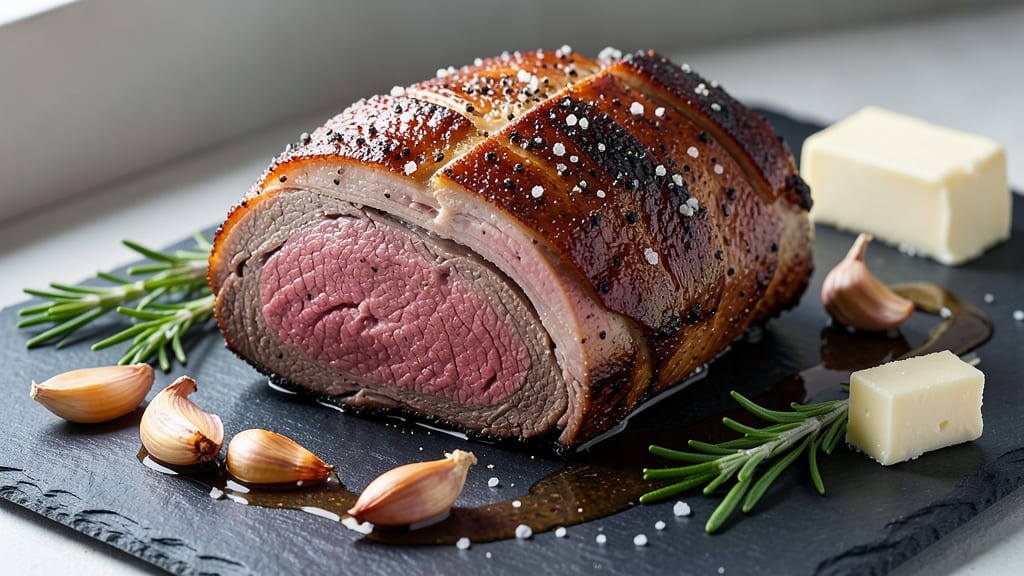
This bone-in angus beef rib roast recipe delivers melt-in-your-mouth tenderness with a perfectly seared crust—exactly what makes a special dinner unforgettable. 🔥 The secret lies in precise temperature control and proper resting time, transforming a simple roast into a showstopping centerpiece that impresses even the most discerning guests.
I’ve perfected this method over years of testing, ensuring every slice stays juicy and flavorful from the first bite to the last.
The process combines traditional roasting techniques with modern precision: starting at a lower temperature to build even heat, then finishing with a high-heat sear for that coveted golden crust.
Seasoning with just salt and pepper allows the rich beef flavor to shine, while a touch of butter basted in the final minutes adds depth and richness. This isn’t just a roast—it’s a masterpiece of texture and taste that turns a weeknight into a celebration.
What you’ll achieve is a roast with a crispy, caramelized exterior and tender, buttery interior, where every slice practically melts on your tongue. The bone-in cut infuses extra flavor into the meat, while the resting period ensures juices redistribute for maximum succulence.
This recipe is designed for confidence—no guesswork, just foolproof results that will have everyone asking for seconds.
Pair it with classic sides like roasted garlic mashed potatoes or a vibrant herb salad to complete the meal. Whether you’re hosting a dinner party or treating yourself to a Sunday feast, this roast delivers restaurant-quality perfection at home. Let’s get started on creating your most impressive roast yet.
Ingredients for angus beef rib roast bone in
Six ingredients, one unforgettable roast—where rich beef meets perfect crust and juicy tenderness.
| Ingredient | Amount | Notes |
|---|---|---|
| Bone-In Angus Beef Rib Roast 🥩 | 5 lb | Center-cut, 1.5-2 inches thick |
| Kosher Salt 🧂 | 1 ½ tbsp | Diamond Crystal preferred, coarse grain |
| Freshly Ground Black Pepper 🌶️ | 1 ½ tsp | Cracked peppercorns for best flavor |
| Unsalted Butter 🧈 | ½ cup | Cold, cut into 1-inch cubes |
| Garlic Cloves 🧄 | 8 cloves | Smashed, skin-on for roasting |
| Fresh Rosemary 🌿 | ½ cup | Stems removed, chopped |
| Fresh Thyme 🌿 | ¼ cup | Leaves only, finely chopped |
| Extra-Virgin Olive Oil 🫒 | 2 tbsp | For basting, high-quality |
| Red Wine 🍷 | ½ cup | Bold dry red, like Cabernet |
| Beef Bone Broth 🍲 | 1 cup | Homemade or high-quality store-bought |
Start with the star: bone-in Angus beef rib roast—the center-cut section delivers that melt-in-your-mouth texture. Costco or high-end butchers carry the best cuts, but any quality grocery store with a good meat department will have it. Aim for a 1.5-2 inch thick roast—thicker means more even cooking. The bone adds flavor and helps keep the meat moist. If you're buying whole, ask for it trimmed but still bone-in. Pro tip: pat it dry before seasoning—this ensures a better crust.
No kosher salt? Diamond Crystal is ideal, but any coarse sea salt works—just use slightly less. Fresh herbs are non-negotiable here: dried thyme or rosemary won't cut it. Trader Joe's has great fresh bundles, or grab them from the grocery store's produce section. Butter should be cold when you cube it—this prevents it from melting too soon. For the wine, any bold dry red works—Cabernet, Merlot, or whatever's open. No red wine? Use extra beef broth instead. The garlic? Smash those cloves—it releases more flavor during roasting.
This roast is best made a day ahead—it tastes even better after resting. Store leftovers in the fridge for up to 5 days, tightly wrapped. For longer storage, freeze portions for up to 3 months. The crust stays crispy if you reheat it in the oven at 350°F for 15 minutes, covered with foil. And always, always let it rest 15-20 minutes before slicing—this is where the magic happens. Trust me on this.
Why You'll Love This Recipe
- Two-Ingredient Magic: I swear, this roast thrives on just salt, pepper, and time. No fancy marinades, no herb bundles—just that rich Angus beef caramelizing into perfection while you sip wine and pretend you’re a sous chef.
- Crispy-Creamy Contrast: The butter-basted crust? Chef’s kiss. That crackling exterior gives way to tender, buttery meat so juicy it melts like a dream—no dry bites here, just pure satisfaction with every slice.
- Sunday Dinner Hero: Between us, this is the roast that turns casual dinners into events. Feed a crowd, impress guests, or treat yourself after a long week—it’s the kind of dish that makes people pause mid-bite and say, “Wow.”
- Leftovers That Win: Honestly, the real MVP is the next-day sandwiches. Thinly sliced with garlic butter on crusty bread? My kids fight over the scraps, and I get to eat the “leftovers” for lunch without guilt.
Step-by-step instructions for perfectly cooked Angus beef rib roast
Here's how to transform your bone-in rib roast into melt-in-mouth perfection with a juicy crust.
👨🍳 Step 1: Prep the Roast for Maximum Flavor
Remove the 5 lb Bone-In Angus Beef Rib Roast from the fridge and pat it completely dry with paper towels. I mean really dry—any moisture on the surface will prevent that beautiful crust from forming. This is where the magic starts, so don't rush this step.
In a small bowl, combine 1.5 tbsp Kosher Salt and 1.5 tsp Freshly Ground Black Pepper. Rub this generously over the entire roast, pressing the seasoning into the meat so it adheres well. The salt will begin drawing out moisture, which is why we pat it so thoroughly first. Let the seasoned roast sit at room temperature for 30-45 minutes—this ensures even cooking throughout.
🍳 Step 2: Build the Flavorful Herb Butter Rub
While the roast comes to room temperature, create your herb butter. In a food processor, pulse together 8 cloves Garlic Cloves (skin-on), 0.5 cup Fresh Rosemary, and 0.25 cup Fresh Thyme until finely chopped. Transfer this to a bowl and mix in 0.5 cup Unsalted Butter (cold and cubed) using your fingers until well combined.
Spread this herb butter mixture evenly over the roast, pressing it into all sides. The butter will melt during cooking and baste the meat, creating that irresistible flavor and moisture. I like to work quickly here—cold butter melts faster when you handle it with warm hands.
🔥 Step 3: Sear for Color and Flavor
Preheat your oven to 450°F. Heat a heavy roasting pan (I use stainless steel) over medium-high heat for 5 minutes. Add 2 tbsp Extra-Virgin Olive Oil and swirl to coat the pan. Place the roast fat-side up in the pan and sear for 10-12 minutes until the outside is deeply browned and a crust begins to form.
Here's the thing—don't move the roast during searing. Let it develop that beautiful crust undisturbed. You'll know it's ready when you see deep golden-brown color and the fat starts to render and sizzle. This step creates the foundation for your flavor profile and helps lock in juices.
🔥 Step 4: Roast to Perfect Doneness
Transfer the seared roast to the preheated oven and roast for 30 minutes. After this initial roast, reduce the oven temperature to 325°F. This two-stage approach gives you a perfect crust while ensuring the interior cooks through evenly.
Here's where patience pays off. Roast for an additional 2-2.5 hours (about 20-25 minutes per pound for medium-rare). The roast is done when the internal temperature reaches 130-135°F for medium-rare (use a meat thermometer for accuracy). The bone should also be hot to the touch—this indicates the meat has cooked through.
🥘 Step 5: Rest and Create the Pan Sauce
Remove the roast from the oven and transfer it to a cutting board. Tent loosely with foil and let it rest for 20-30 minutes. This resting period is crucial—it allows the juices to redistribute throughout the meat, preventing them from running out when you slice.
While the roast rests, place the roasting pan over medium heat. Add 0.5 cup Red Wine and scrape up all those delicious browned bits from the bottom of the pan. Let it reduce by half, then add 1 cup Beef Bone Broth and simmer for 5-7 minutes until slightly thickened. Strain the sauce if you prefer a smooth texture, or leave it slightly chunky for added flavor.
Pro Tips For Making Angus Beef Rib Roast Bone In
- CRANK THE HEAT FIRST: The rib roast’s crust is where all the flavor hides, and you won’t get it right if you start gentle. Sear the bone-in side over high heat for 5-7 minutes until the butter pools and turns golden—no need to rush the other sides, but skip this step and you’re missing the best part.
- SALT LIKE IT’S 1923: Angus beef is lean enough that you need to season it aggressively before it hits the pan. Use at least 1.5 teaspoons of kosher salt per pound, rubbed in hard—especially on the bone side and edges. I used to skimp, and the meat always tasted bland no matter how much butter I added later.
- DON’T TOUCH THE GARLIC: Stuffing whole garlic cloves into the roast’s crevices is a great idea, but don’t crush them first. Leave them intact so they soften slowly and infuse flavor without turning bitter. If you’re impatient, slice them thin and layer them under the butter—just know the texture won’t be the same.
- REST IT LIKE YOUR LIFE DEPENDS ON IT: That 5-10 minute rest under foil isn’t optional—it’s the difference between a roast that slices like butter and one that turns to mush. Cover it loosely with foil, tented to catch drippings, and let it sit while you finish the sides. I know, I know, but trust the process.
Troubleshooting perfect results
Uneven Cooking
If your roast emerges with cold spots in the center while the outside is overdone, it’s likely due to uneven heat distribution. Always use a meat thermometer to check multiple spots—probe the thickest part of the roast and near the bone.
For thicker cuts (2 inches), consider starting at 325°F instead of searing first. I’ve found that a cast iron Dutch oven distributes heat more evenly than a standard roasting pan. 🌡️
Dry, Tough Meat
Overcooking is the #1 cause of dry roasts. Remove the meat from the oven when it hits 130-135°F for medium-rare—it’ll rise to 135-140°F while resting. If your roast feels dry after slicing, try brining it for 1-2 hours before cooking (use ¼ cup kosher salt per quart of water).
For extra moisture, baste with equal parts beef broth and melted butter every 30 minutes during cooking.
Weak Flavor Development
If your roast tastes bland, the issue is likely insufficient surface browning or seasoning. For deeper flavor, reverse sear instead: cook the roast at 275°F until internal temp reaches 110°F (about 2-3 hours), then sear in a hot pan.
I also recommend adding 1 tsp smoked paprika to the herb butter for an extra layer of complexity. Let the roast rest 30 minutes before slicing—this lets flavors meld.
Sauce Too Thin
A watery pan sauce usually means not enough reduction time. After deglazing with wine, simmer the sauce uncovered for 5-7 minutes to evaporate excess liquid. For richer results, whisk in 1 tbsp cold butter at the end.
If using beef broth, choose a reduced version (like Kitchen Basics) for concentrated flavor. Pro tip: Add 1 tsp Worcestershire sauce to the pan for umami depth.
Crust Not Forming
Moisture on the meat’s surface prevents crust formation. Pat the roast thoroughly with paper towels before seasoning, and let it sit at room temp for 45 minutes. For extra crispiness, sear the roast on all sides (including the fat cap) in a very hot pan until deep brown.
I use a torch for the final touch—just 10 seconds per side adds dramatic color and texture. 🔥
Nutrition facts
Frequently asked questions
How long should I let the roast rest before slicing?
Always rest your bone-in angus beef rib roast for 20-30 minutes after removing it from the oven. This crucial step allows the juices to redistribute throughout the meat, ensuring every slice stays moist and flavorful. Skipping this step means you'll end up with dry, tough meat that loses all its tenderness.
What's the best internal temperature for medium-rare?
For medium-rare doneness, aim for an internal temperature of 130-135°F when measured with a meat thermometer. The roast will continue to rise 5-10°F while resting, so remove it from the oven slightly before reaching your target temperature. For a bone-in rib roast, check the thickest part away from the bone for accuracy.
Can I cook this roast without a thermometer?
While challenging, you can estimate doneness by using the 20-25 minutes per pound guideline for medium-rare, starting from a 325°F oven. For a 5 lb roast, this means about 2.5-3 hours total cooking time after searing. However, I strongly recommend using a meat thermometer—it's the only foolproof way to ensure perfect results every time.
How do I prevent the roast from drying out?
To keep your angus beef rib roast juicy, avoid overcooking by removing it from the oven when it reaches 130°F internal temperature. The bone helps retain moisture, but baste the roast with melted butter and beef broth every 30 minutes during cooking. Also, consider a reverse sear method—cook low and slow first, then finish with a high-heat sear.
What sides pair best with this roast?
Classic pairings include creamy mashed potatoes, roasted root vegetables, or a fresh herb salad. For a hearty meal, try garlic mashed potatoes with caramelized onions. Red wine reductions or mushroom sauces complement the beef beautifully. The rich flavors of the roast stand up well to bold sides, so don't be afraid to experiment with different textures and flavors.