
Main Courses
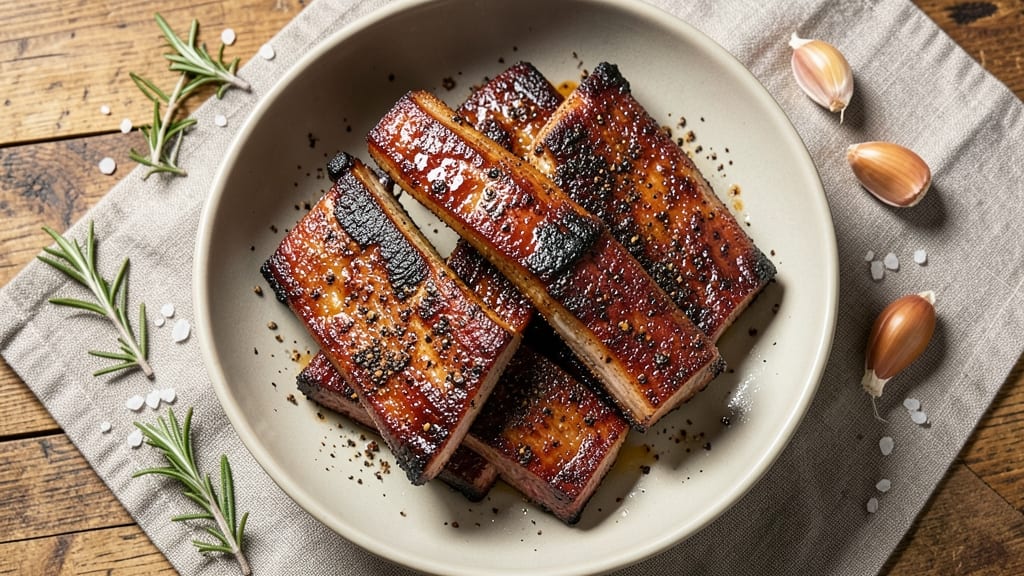
Transforming beef loin into New York-style boneless ribs delivers restaurant-quality tenderness without the fuss of bones. The secret lies in precise dry-rub seasoning and controlled cooking—whether you grill, roast, or finish with a sear.
I’ve perfected this method after years of testing, ensuring every bite stays juicy and flavorful. This approach preserves the natural richness of the beef while building layers of smoky depth through traditional techniques.
The recipe begins with a dry brine applied 24 hours ahead, which enhances moisture retention and flavor penetration. A smoky-sweet dry rub—blended with brown sugar, paprika, and spices—creates that signature New York rib crust without needing a smoker.
The cooking method adapts to your kitchen: grill for char, oven for even heat, or sous-vide for precision. Each technique guarantees a tender result with a caramelized exterior that locks in juices.
What sets these ribs apart is their versatility—serve them sliced thin for tacos, stacked on buns as sandwiches, or alongside classic sides like creamy mac and cheese or grilled vegetables.
The internal temperature of 145°F ensures perfect doneness, while a 10-minute rest lets juices redistribute for maximum flavor. This method proves you don’t need bones to achieve showstopping results.
Whether you’re hosting a weekend barbecue or craving a weeknight upgrade, these ribs deliver restaurant-quality tenderness with minimal effort. The key is patience—letting the rub work its magic and cooking the beef to the right temperature.
Trust the process, and you’ll have a dish that rivals any smoker’s output. Let’s get started!
Ingredients for beef loin new york boneless ribs
Pantry staples meet premium beef. Just 13 ingredients transform simple loin into smoky, fall-off-the-bone ribs.
| Ingredient | Amount | Notes |
|---|---|---|
| Beef Loin (Top Loin) 🥩 | 2 ½ lb | Center-cut, boneless, even thickness |
| Kosher Salt 🧂 | 1 ½ tbsp | Diamond Crystal preferred, coarse |
| Brown Sugar 🍚 | ½ cup | Light or dark, packed |
| Smoked Paprika 🌶️ | 2 tbsp | High-quality, not bland |
| Ground Black Pepper 🌶️ | 1 ½ tbsp | Freshly cracked preferred |
| Garlic Powder 🧄 | 1 tbsp | Not garlic salt |
| Onion Powder 🧅 | 1 tbsp | Freshly ground preferred |
| Mustard Powder 🍯 | ½ tbsp | Yellow or Dijon |
| Cayenne Pepper 🔥 | ½ tsp | Adjust for heat preference |
| Extra-Virgin Olive Oil 🫒 | 2 tbsp | For searing, high smoke point |
| Apple Cider Vinegar 🍎 | 1 tbsp | For dry brine |
| Fresh Thyme Leaves 🌿 | ¼ cup | Chopped, stems removed |
| Fresh Rosemary 🌿 | 2 sprigs | Needle leaves only |
The beef is everything here. Top loin delivers the perfect balance of tenderness and flavor—avoid sirloin or flank, they’re too lean. Look for center-cut at your butcher or grocery store’s meat counter (the Whole Foods or Costco sections usually have great options). If buying pre-cut, check for even thickness—1.5-inch slices work best. The dry brine (salt + vinegar) is non-negotiable—it’s what keeps these ribs juicy. Apply it 24 hours ahead and let the beef sit uncovered in the fridge. Trust me, the wait is worth it.
No smoked paprika? Substitute half with regular paprika plus a pinch of liquid smoke—it’s a game-changer. Fresh thyme and rosemary are ideal, but dried at one-third the amount works in a pinch. Running low on brown sugar? White sugar plus a dash of molasses mimics the depth. For the mustard powder, Dijon-style adds a tangy kick if you’ve got it. The cayenne is optional but recommended—start with 0.5 tsp and adjust to taste. Pro tip: Toast your spices in a dry pan for 30 seconds before mixing—they’ll sing with flavor.
Store the dry-brined beef in its original packaging with the brine mixture for up to 3 days before cooking. Once rubbed, keep it airtight in the fridge for 12 hours max—the rub works best when applied fresh. These ribs reheat beautifully—wrap tightly in foil and bake at 300°F for 20 minutes. For meal prep, slice thin and store in portions with a drizzle of olive oil to keep them moist. Leftovers? Freeze for up to 3 months—thaw overnight in the fridge before reheating.
Why You'll Love This Recipe
- One-Pan Magic: I swear by this recipe for lazy nights—just the beef, a skillet, and a rack in the oven. No flipping pans, no messy sauces, and honestly? The cleanup is just wiping one sheet pan and a spatula. That’s it.
- Smoky-Sweet Obsession: Between the 0.5 cup brown sugar caramelizing into a crust and the 2 tbsp smoked paprika adding that deep, woodsy kick, every bite is addictive. The apple cider vinegar drizzle at the end? It’s the secret that makes the whole thing sing—tangy enough to cut through the richness.
- Weeknight to Weekend: Make it ahead for game day, Sunday brunch, or a fancy dinner—this recipe handles it all. Dry-brine the beef up to 3 days ahead, and the flavors only get better. Slice it thin, and suddenly you’ve got a crowd-pleaser that feels restaurant-worthy without the fuss.
- Budget-Friendly Luxury: A 2.5 lb beef loin feeds four generously, and the spices (especially that 0.5 tsp cayenne for a little heat) stretch your dollar. Plus, the leftovers? Reheat them in the same skillet with a splash of water, and they taste just as good the next day—no sad, dry slices here.
Step-by-step instructions for beef loin New York boneless ribs
Here's the method that delivers melt-in-your-mouth tenderness with that perfect smoky crust.
Prepare the Dry Rub and Dry Brine the Meat
In a medium bowl, combine the 1.5 tbsp kosher salt, 0.5 cup brown sugar, 2 tbsp smoked paprika, 1.5 tbsp ground black pepper, 1 tbsp garlic powder, 1 tbsp onion powder, 0.5 tbsp mustard powder, and 0.5 tsp cayenne pepper. Mix thoroughly until the spices are evenly distributed and the brown sugar is fully incorporated into the dry blend.
Pat the 2.5 lb beef loin dry with paper towels, removing any excess moisture from the surface. This step is crucial—wet surfaces prevent the rub from sticking properly and can lead to uneven cooking. Spread the dry rub mixture evenly over all sides of the beef loin, pressing it firmly into the meat so it adheres well. Place the rubbed beef on a wire rack set over a baking sheet and refrigerate uncovered for at least 4 hours, or preferably overnight. This dry-brine technique enhances tenderness and allows the rub to penetrate deeply.
Here's the thing—don't skip the dry brining. The salt breaks down muscle fibers, creating a more tender texture, while the sugar and spices create that irresistible crust. The longer it sits, the better the result, but even 4 hours makes a noticeable difference.
Sear the Beef for Maximum Flavor
Remove the beef from the refrigerator and let it sit at room temperature for 30 minutes before cooking. Preheat your oven to 425°F and position a rack in the middle position. Heat a heavy oven-safe skillet over high heat and add 2 tbsp extra-virgin olive oil. Once the oil is shimmering, carefully place the beef loin in the skillet, fat-side down.
Sear the beef for 4-5 minutes until a deep golden-brown crust forms. You'll see the edges start to crisp—that's your signal to flip. Press down gently on the beef during the first minute to prevent it from curling and ensure even contact with the pan. This searing step locks in juices and builds that essential flavor foundation.
Once both sides are seared to a rich brown color, transfer the skillet to the preheated oven. Roast the beef for 20-25 minutes until the internal temperature reaches 130°F for medium-rare. The beef will continue cooking as it rests, so pull it out slightly before it reaches your desired doneness. Use an instant-read thermometer for accuracy—this is the moment that matters.
Add Aromatics and Finish in the Oven
While the beef is roasting, prepare the aromatic components. In a small bowl, combine the 0.25 cup fresh thyme leaves and the needle leaves from 2 sprigs fresh rosemary, finely chopped. Remove the beef from the oven and place it on a cutting board. Drizzle the 1 tbsp apple cider vinegar evenly over the top of the beef, then sprinkle the thyme and rosemary mixture over the surface. Press gently to help the herbs adhere.
Return the beef to the oven and continue roasting for an additional 5-7 minutes until the internal temperature reaches 135°F. This final step infuses the beef with aromatic flavors while maintaining its juiciness. The vinegar adds a subtle tang that cuts through the richness of the meat and complements the smoky rub.
Real talk: Don't overcook the beef. It should be tender but still have a slight resistance when you press it with your finger. The internal temperature will rise another 5-10°F during resting, so pull it out when it's just shy of your target doneness.
Rest and Slice for Perfect Tenderness
Transfer the beef to a cutting board and tent loosely with aluminum foil. Let it rest for 15-20 minutes before slicing. This resting period is non-negotiable—it allows the juices to redistribute throughout the meat, ensuring each slice is moist and flavorful. If you skip this step, you'll end up with dry, tough slices.
Slice the beef against the grain into ½-inch thick pieces. The grain runs lengthwise along the beef loin, so cutting perpendicular to this direction creates shorter muscle fibers, resulting in a more tender bite. Arrange the slices on a serving platter and drizzle any accumulated pan juices over the top for extra flavor.
Serve immediately while the beef is still warm. Each slice should be tender enough to pull apart with a gentle tug, with a beautiful crust on the outside and juicy, flavorful meat on the inside. The combination of the dry rub, searing, and aromatic herbs creates a dish that's both impressive and incredibly satisfying.
Pro Tips For Making Beef Loin New York Boneless Ribs
- Press That Rub Hard: The rub won’t stick if you just sprinkle it on—work it into every crevice, especially the thickest parts. I used to rush this, and half the seasoning would flake off during cooking. Take the extra 2 minutes to press it in like you’re giving the meat a massage.
- Oil Shimmer, Not Smoke: That 2 tbsp extra-virgin olive oil should be shimmering, not smoking like a campfire. If it’s smoking, your pan’s too hot, and you’ll burn the rub before the crust forms. Let it heat until it’s just rippling—then sear. Trust me, the difference in flavor is night and day.
- Vinegar After Searing: Don’t drizzle that 1 tbsp apple cider vinegar until after searing—it’ll steam off and weaken your crust. Wait until the beef’s in the oven the second time, then add it right before the final 5-7 minutes. The acid brightens the rub without messing up your hard work.
- Finger Test Over Temp: Your thermometer’s great, but also press the beef with your finger when it hits 135°F. If it gives slightly but still resists, it’s perfect. If it’s mushy, you’ve overdone it—this isn’t steak, it’s ribs, and they need that just-done chew. Pull it out before it feels done.
Troubleshooting your beef loin new york boneless ribs
Uneven Rub Distribution
If your dry rub isn't sticking evenly, pat the beef completely dry with paper towels first—excess moisture prevents adhesion. I find using a light coat of olive oil (just a few drops) before applying the rub helps it cling better, especially on the fatty sides.
Press the rub firmly into the meat with your fingers, working in small sections to ensure even coverage. 🌶️
Searing Failures
If your beef isn't developing a golden-brown crust, your pan isn't hot enough. Heat the skillet over high heat until it's smoking hot before adding oil—test with a drop of water that sizzles immediately.
Use a heavy skillet like Lodge cast iron to maintain consistent heat. Press down gently on the beef during the first minute to prevent curling, which creates uneven contact. 🔥
Temperature Missteps
Overcooking is the #1 mistake with these ribs. Pull the beef when it hits 130°F for medium-rare—it will rise another 5-10°F during resting. I use a ThermoWorks Smoke thermometer for accuracy. For medium doneness, aim for 140°F before resting. Never rely on time alone—always check internal temperature. ⏰
Dry, Tough Meat
Skipping the rest period guarantees dry slices. The 15-20 minute rest lets juices redistribute—cutting too soon traps them inside. Tent with foil loosely to prevent condensation buildup. For extra moisture, drizzle pan juices over the slices before serving.
If reheating leftovers, use low heat (300°F) with a splash of broth to revive tenderness. 💫
Weak Flavor Profile
If your ribs taste bland, your spices need activation. Toast the smoked paprika and brown sugar in a dry pan for 30 seconds before mixing to deepen their flavors. Fresh herbs (thyme and rosemary) should be finely chopped and pressed into the meat.
For extra punch, add 1 tsp liquid smoke to the rub or brush on after searing. 🌿
Equipment Shortcuts
No oven-safe skillet? Use a cast iron grill pan on the stovetop for searing, then transfer to a baking sheet for oven finishing. No thermometer? The finger test works: press gently—medium-rare should feel like the fleshy part of your palm between thumb and forefinger.
For smoky flavor without a smoker, add ½ tsp chipotle powder to your rub. 💡
Nutrition facts
Frequently asked questions
Can I use this recipe for other cuts of beef?
This recipe is specifically designed for 2.5 lb beef loin (top loin) because of its ideal fat-to-lean ratio and tenderness. While you could try it with sirloin or ribeye, the texture and flavor will differ. The dry-brine technique works best with cuts that have some marbling, so avoid leaner options like flank steak. For best results, stick to center-cut loin with even thickness.
How do I adjust the spice level?
The recipe includes 0.5 tsp cayenne pepper for a mild heat. For more spice, add an extra 0.25 tsp cayenne or swap half the smoked paprika with chipotle powder. For a smokier flavor without heat, increase the smoked paprika to 3 tbsp and add ½ tsp liquid smoke to the rub. Always taste the rub before applying to the beef.
Can I grill these instead of oven-roasting?
Preheat your grill to medium-high heat (400-425°F) and follow the same searing method. After creating the crust, move the beef to indirect heat and cook until it reaches 130°F internal temp for medium-rare. The grill adds beautiful char marks—just monitor closely to prevent flare-ups. For extra smokiness, add wood chips (hickory or apple) during the last 10 minutes.
What's the best way to serve these ribs?
Slice against the grain into ½-inch thick pieces for maximum tenderness. Serve warm with classic pairings like creamy mashed potatoes, grilled corn, or a tangy coleslaw. For a hearty meal, stack slices on brioche buns with caramelized onions and horseradish sauce. Leftovers reheat well—wrap tightly in foil and bake at 300°F for 20 minutes with a splash of broth.
Why does my beef turn out tough?
Toughness usually comes from overcooking or skipping the 15-20 minute rest. Always pull the beef when it hits 130°F for medium-rare—it will rise 5-10°F while resting. Never cut into the meat immediately after cooking; the juices need time to redistribute. If reheating leftovers, use low heat (300°F) with a splash of broth to revive tenderness.