
Sauces & Condiments
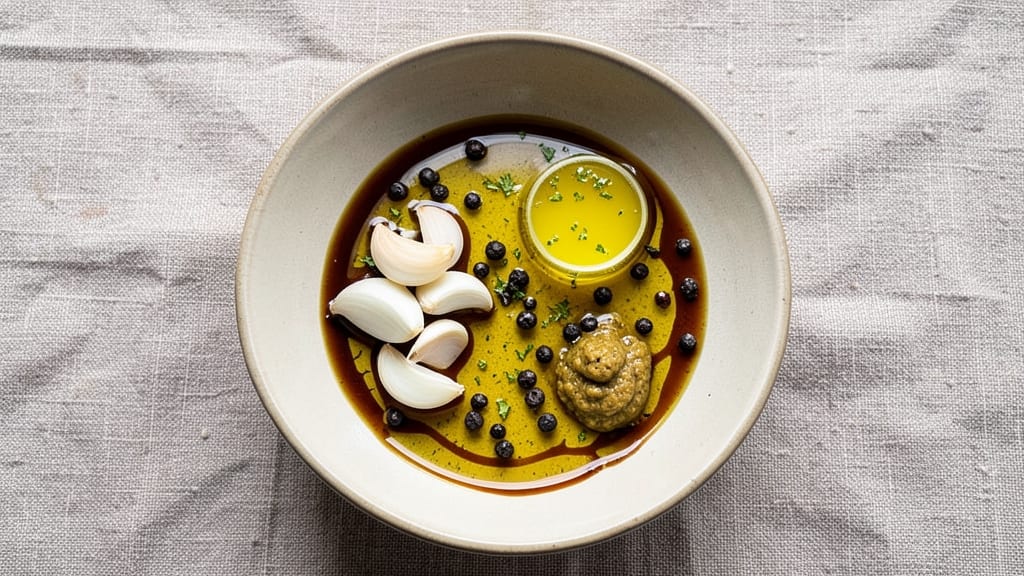
Beef liver marinade transforms what can be an intimidating cut into tender, flavorful bites that balance richness with bright acidity. The key lies in a precise blend of citrus, oil, and aromatics that tenderize while adding layers of complexity—no overpowering herbs or heavy spices here.
I developed this marinade after years of testing, ensuring it works for both quick searing and slow cooking methods, with a 30-minute minimum for noticeable results.
This marinade isn't just about flavor—it's about texture control. The acid components break down liver's dense fibers while the fat coating prevents drying. You'll need just six ingredients: high-quality olive oil, lemon juice, soy sauce, garlic, Dijon mustard, and a pinch of black pepper.
The combination creates a velvety, aromatic coating that caramelizes beautifully during cooking, leaving you with liver that's moist inside and beautifully seared outside.
What makes this marinade stand out is its versatility. Use it for quick pan-seared liver, braised dishes, or even as a base for pâté. The citrus notes cut through the richness while the oil ensures moisture retention.
Store any unused marinade in the refrigerator for up to 5 days—though I doubt you'll have leftovers after the first try. The balance of acid and fat creates a professional-quality finish that elevates liver from simple side to star ingredient.
For best results, let the liver marinate for at least 30 minutes before cooking, but up to 4 hours for deeper flavor penetration. The marinade works equally well for beef liver slices or whole livers—just adjust the quantity proportionally.
This isn't just a marinade; it's a flavor transformation that turns liver into a dish worth anticipating.
Ingredients for beef liver marinade
Six ingredients, balanced perfectly to transform liver from rich to refined.
| Ingredient | Amount | Notes |
|---|---|---|
| Extra-Virgin Olive Oil 🫒 | ½ cup | High-quality, fruity variety preferred |
| Fresh Lemon Juice 🍋 | ¼ cup | Freshly squeezed, no pulp |
| Soy Sauce 🍶 | ⅛ cup | Japanese-style preferred |
| Garlic Cloves 🧄 | 4 cloves | Peeled, finely minced |
| Dijon Mustard 🍯 | 1 tbsp | High-quality, smooth variety |
| Freshly Ground Black Pepper 🌶️ | ½ tsp | Freshly cracked for best flavor |
The olive oil is non-negotiable here—look for extra-virgin with a fruity aroma at Whole Foods or Trader Joe's for the best quality. Fresh lemon juice should be bright yellow and tart, not pale or bitter. For soy sauce, Japanese-style like Kikkoman adds depth without overpowering. The garlic? Freshly minced makes all the difference—pre-minced loses its punch fast. I always grab a head of garlic at the market and do it myself. Dijon mustard should be smooth, not grainy, and Maille is my go-to when I want that restaurant-quality finish.
No fresh lemon juice? Bottled works in a pinch, but add a pinch of citric acid to mimic freshness. Short on soy sauce? Worcestershire sauce at half the amount gets you close. The garlic can be roasted for a sweeter profile—just wrap whole cloves in foil and roast at 400°F for 10 minutes. For a deeper umami kick, add 1 tsp fish sauce to the mix. The black pepper is just a whisper here, but freshly cracked adds a subtle heat that pre-ground can't match. If you're making a big batch, double the marinade and store it in a glass jar for up to 5 days.
This marinade keeps beautifully in the fridge for 5 days—though I rarely have leftovers. The acid components mean it won't last weeks like some marinades, but the flavor actually improves after a day as everything melds. For best results, marinate liver for at least 30 minutes, but up to 4 hours for maximum tenderness. The oil creates a protective seal, so you can safely marinate longer without worrying about the liver absorbing too much liquid. If you're using it for pâté later, let it sit overnight for the deepest flavor development.
Why You'll Love This Recipe
- No-Chop Magic: I’ll be real—this marinade takes me all of 5 minutes to mix, and honestly? That’s the whole effort. The garlic gets minced in seconds with a microplane, and the rest is just whisking together ingredients I already have on hand. No dicing, no peeling, no fuss—just stir, wait 10 minutes, and you’re done.
- Umami Bomb: The combo of soy sauce and Dijon mustard is what turns this into something special. That deep, salty punch from the soy cuts through the liver’s richness while the mustard adds this sneaky tang that makes every bite addictive. Plus, the lemon juice brightens it all up—no one’s left feeling like they’re eating something heavy.
- Weeknight or Weekend: This marinade works for a quick sear on a Tuesday night or a fancy dinner on Saturday. The same bold flavors translate whether you’re tossing it on steak, chicken, or even tofu. And since it keeps for 5 days, I’ve used it to prep ahead for game day snacks or a last-minute grilling session—no stress, just flavor.
- Budget-Friendly Luxury: Liver’s affordable, but it’s not exactly the most approachable protein. This marinade makes it taste like a restaurant dish without breaking the bank. The olive oil and lemon juice elevate it, but the whole thing costs a fraction of what you’d pay for pre-marinated cuts. Double the batch, store it, and you’ve got a secret weapon for months.
Step-by-step instructions for beef liver marinade
This marinade transforms liver from rich to tender with balanced acidity and depth.
Combine Olive Oil and Lemon Juice
In a medium bowl, whisk together the 0.5 cup extra-virgin olive oil and 0.25 cup fresh lemon juice until fully emulsified. The lemon juice should be freshly squeezed with no pulp—this prevents bitterness and ensures bright acidity that cuts through liver's richness. Stir vigorously for 30 seconds to create a smooth, homogeneous base. Here's the thing—using a high-quality, fruity olive oil makes a noticeable difference in flavor complexity.
Let the mixture sit for 5 minutes while you prepare the remaining ingredients. This brief rest allows the citrus oils to infuse with the olive oil, creating a more cohesive marinade. The mixture should take on a pale yellow hue with a slight sheen from the oil.
Incorporate Soy Sauce and Mustard
Add the 0.125 cup soy sauce and 1 tablespoon Dijon mustard to the olive oil-lemon mixture. Whisk continuously for 1 minute until completely combined. The soy sauce adds umami depth while the Dijon mustard contributes subtle tang and helps tenderize the liver's dense fibers. You'll notice the mixture darkens slightly as the ingredients meld together.
Here's where it gets fun—taste the marinade at this stage. It should be tangy with a salty-sweet balance. If it's too acidic, add a pinch more soy sauce. If it's too mild, add another splash of lemon juice. This is your flavor baseline before adding the aromatic components.
Add Garlic and Pepper
Finely mince the 4 cloves garlic using a microplane or sharp knife—you want a paste-like consistency that will distribute evenly. Add it to the marinade along with the 0.5 teaspoon freshly ground black pepper. Stir thoroughly for 2 minutes to ensure the garlic is fully incorporated. Freshly ground pepper provides a bright, piquant contrast to the richness of the liver.
Let the marinade rest for 10 minutes before using. This final resting period allows all the flavors to meld completely. The garlic will release its oils, and the pepper will distribute evenly throughout the mixture. The marinade should now have a complex, aromatic profile that's ready to transform your liver.
Apply to Liver and Marinate
Place your beef liver in a shallow dish or resealable plastic bag. Pour the marinade over the liver, ensuring it's completely coated on all sides. For best results, I recommend massaging the marinade into the liver by hand—this helps it penetrate the dense muscle fibers more effectively. If using a bag, seal it tightly and gently squeeze to distribute the marinade.
Marinate the liver in the refrigerator for 4-6 hours, turning occasionally. Don't exceed 6 hours—liver cooks quickly and can become mushy if marinated too long. The acid in the lemon juice will begin breaking down the proteins, while the olive oil and soy sauce work to tenderize and infuse flavor. When ready to cook, pat the liver dry before searing to ensure a perfect crust.
Pro Tips For Making Beef Liver Marinade
- Whisk Like You Mean It: That 30-second stir between olive oil and lemon juice isn’t just busywork—it’s what makes the marinade actually work. I used to half-ass it, and the oil would just sit on top like a lazy oil slick. Whisk until the mixture turns pale yellow and holds its shape when you lift the whisk. The emulsification is what keeps the liver from drying out later.
- Strain That Lemon Juice: Pulp in your marinade = bitterness city. I learned this after making a batch where I got lazy and left it in, and the result tasted like I’d marinated liver in a lemon wedge. Use a fine-mesh strainer or cheesecloth to squeeze out every last drop of juice, no pulp. Your liver will thank you with bright, clean acidity instead of a mouthful of citrus grit.
- Don’t Skip the 10-Minute Rest: That final 10-minute wait before using the marinade isn’t optional—it’s when the garlic releases its oils and the pepper disperses evenly. I once skipped it in a rush and ended up with a marinade that tasted like raw garlic paste in one spot and nothing in another. Let it sit, even if you’re impatient. Your future sear will be smoother for it.
- Massage, Don’t Just Drown: Pouring marinade over liver and calling it a day? You’re doing it wrong. The liver’s fibers are dense, and the marinade needs to work its way in. Rub it in by hand—get your fingers into those crevices. I used to just toss it in a bag and shake, but the outside would get all the flavor while the inside stayed bland. A little elbow grease = even cooking.
Storing and reheating this beef liver marinade
Marinade Storage Basics
The unused portion of this marinade keeps beautifully in the refrigerator for up to 5 days when stored in a glass jar with a tight-sealing lid. I always store mine in a 16-ounce mason jar from Ball—it's airtight and easy to shake before use.
The acid components (lemon juice and soy sauce) act as natural preservatives, but the fresh garlic and Dijon mustard give it a limited shelf life compared to vinegar-based marinades. 🥫
Glass vs Plastic
For storage, I recommend glass jars over plastic containers because they won't absorb flavors or odors. The 0.5 cup extra-virgin olive oil in this marinade can degrade plastic over time, transferring unwanted tastes.
If you must use plastic, opt for BPA-free silicone containers like Stasher bags, which are dishwasher-safe and won't leach chemicals. The marinade's citrus content also makes plastic containers more prone to cracking over time.
Reusing Leftover Marinade
After marinating liver, I never reuse the leftover marinade for cooking—it's been in contact with raw meat. However, you can safely use it as a dipping sauce or finishing drizzle for cooked liver.
For extra safety, I heat any unused marinade to 165°F for 1 minute before using it on cooked foods. The flavors actually intensify when reduced slightly, making it perfect for drizzling over grilled liver or mixing into pâté. 🔥
Freezing Considerations
This marinade doesn't freeze well due to the fresh garlic and Dijon mustard, which can separate and lose texture. If you must freeze it, divide it into ice cube trays, freeze solid, then transfer to a ziplock freezer bag.
Thaw in the refrigerator overnight—never at room temperature. The texture may become slightly grainy after freezing, but the flavors remain intact. I only recommend freezing if you're making a large batch for future use.
Reviving Stored Marinade
If your stored marinade has separated (especially the olive oil), simply shake it vigorously for 30 seconds before using. The emulsion should reform completely. For extra brightness, add 1 teaspoon fresh lemon juice before using.
If the garlic has lost its punch, add ½ teaspoon minced fresh garlic right before application. The Dijon mustard's tang remains stable even after storage, so you won't need to adjust that component. 💡
Cooking with Stored Marinade
When using stored marinade, I recommend reducing it slightly before application—simmer uncovered in a small saucepan over medium-low heat for 3-4 minutes to concentrate the flavors. This works especially well when using it as a glaze for grilled or pan-seared liver.
The reduced version caramelizes beautifully, creating a glossy finish. For best results, always bring the marinade to room temperature before using it on cold liver to ensure even coating. 🌡️
Nutrition facts
Frequently asked questions
Can I use this marinade for other meats besides beef liver?
Yes, but with adjustments! This marinade works beautifully for chicken livers or duck liver—just reduce the marinating time to 1-2 hours since they're more delicate. For beef cuts like skirt steak or flank steak, increase the marinating time to 6-12 hours and add 1 tablespoon balsamic vinegar for extra depth. The citrus and oil base makes it versatile for any fatty protein.
Why does the recipe call for freshly ground black pepper instead of pre-ground?
Freshly ground pepper contains volatile oils that give it a brighter, more aromatic flavor—pre-ground pepper loses these oils within weeks. The 0.5 teaspoon of freshly cracked pepper adds a subtle heat and complexity that pre-ground simply can't match. For best results, use a pepper grinder right before adding it to the marinade. If you're in a pinch, store-bought pepper works, but you'll notice the difference in flavor intensity.
Can I make this marinade without Dijon mustard?
If you're out of Dijon, substitute with 1 tablespoon yellow mustard or 1 teaspoon white wine vinegar. The mustard helps tenderize the liver and adds subtle tang, but the marinade will still work without it. For extra umami, add ½ teaspoon fish sauce or 1 teaspoon Worcestershire sauce to compensate. The citrus and soy sauce will still balance the flavors beautifully.
What's the best way to remove excess marinade before cooking?
Pat the liver dry with paper towels after marinating to ensure a perfect crust. For extra crispiness, place the liver on a wire rack over a baking sheet for 5-10 minutes in the fridge to dry the surface further. This step is crucial—wet liver will steam instead of sear. The marinade's oil content means it won't drip off completely, but thorough drying gives you that restaurant-quality caramelized exterior.
How do I fix liver that's been marinated too long and turned mushy?
If your liver has become overly tender from marinating beyond 6 hours, try this: Pat it dry, then sear it immediately over high heat for 30 seconds per side to create a protective crust. Remove from heat, let rest for 5 minutes, then slice thinly against the grain. The quick cooking time prevents further breakdown, and the crust adds satisfying texture. For best results, never exceed 6 hours of marinating time.