
Snacks
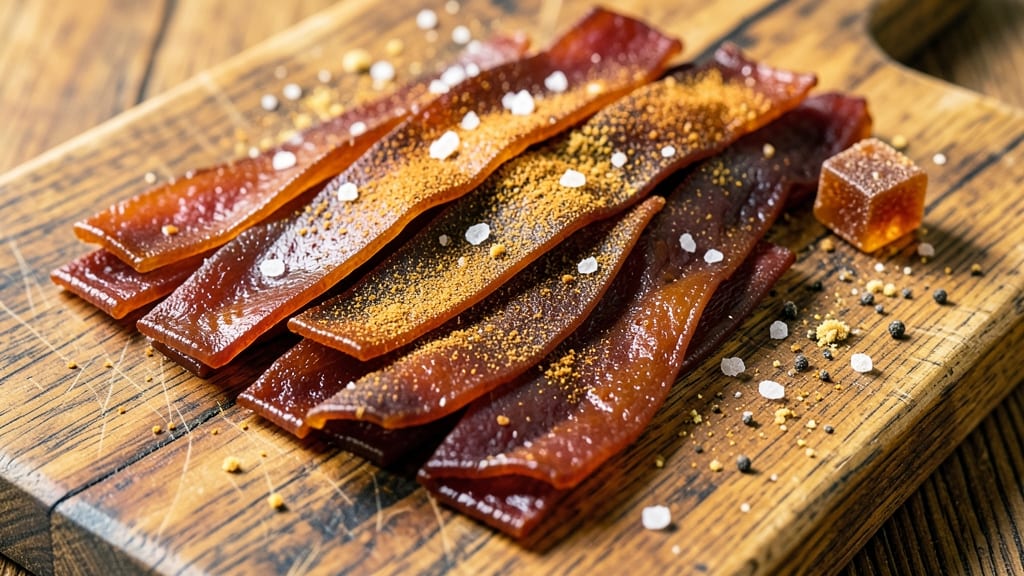
Transforming beef liver into smoky-spiced jerky unlocks a protein-rich snack that rivals traditional beef jerky in flavor and texture. This method preserves the liver's nutrients while creating a satisfying crunch that's perfect for hiking trips or office snacks.
The key lies in precise curing and drying techniques that ensure safety and maximum flavor extraction.
What sets this recipe apart is the balance of traditional jerky seasonings with liver-specific preparation—thin slicing, careful curing with salt and spices, and controlled drying to prevent toughness. Unlike store-bought options, this version delivers a deeper umami richness from the liver's natural enzymes combined with your chosen spice blend.
Professional results require patience, but the process is straightforward once you understand the science behind it.
By the time you're done, you'll have a batch of jerky with a satisfying snap, intense beefy flavor, and a smoky aroma that lingers long after the first bite.
The drying method (oven, dehydrator, or smokehouse) affects both texture and shelf life, so we'll cover all three approaches to help you choose what works best for your kitchen setup. This is the kind of snack that transforms simple ingredients into something extraordinary.
Store properly, and these strips will keep for months—ideal for meal prep or emergency food supplies. Whether you're a survivalist, a fitness enthusiast, or simply someone who enjoys making snacks from scratch, this recipe delivers professional-quality results with minimal equipment. Let's get started on creating your own protein-packed jerky.
Ingredients for beef liver jerky
A few simple ingredients transform liver into smoky-spiced jerky with restaurant-quality crunch.
| Ingredient | Amount | Notes |
|---|---|---|
| Beef Liver 🥩 | 1 ½ lb | Fresh, grass-fed preferred |
| Kosher Salt 🧂 | ½ cup | Diamond Crystal preferred |
| Brown Sugar 🍯 | ¼ cup | Light or dark variety |
| Smoked Paprika 🌶️ | 2 tbsp | High-quality for smokiness |
| Ground Black Pepper 🌶️ | 1 tbsp | Freshly ground preferred |
| Garlic Powder 🧄 | 1 tbsp | Not garlic salt |
| Onion Powder 🧅 | 1 tbsp | For depth of flavor |
| Cayenne Pepper 🔥 | ½ tsp | Adjust for heat preference |
| Worcestershire Sauce 🍶 | 1 tbsp | High-quality for umami |
| Lemon Juice 🍋 | 2 tbsp | Freshly squeezed |
| Extra-Virgin Olive Oil 🫒 | 2 tbsp | For slicing and coating |
| White Vinegar 💧 | 1 tbsp | For tenderizing |
| Black Liquorice Root 🍃 | 1 tbsp | Optional, for depth (optional) |
The liver is the star—grass-fed beef liver has the best flavor, but any beef liver works. Look for bright red color and firm texture at Whole Foods or your local butcher. If you can't find grass-fed, conventional beef liver still delivers great results. The key is slicing it thin and even—about 1/4-inch thick—so it dries properly without toughness. For best results, trim off any fat or connective tissue before slicing. Costco often sells beef liver in bulk, which is perfect for jerky.
No smoked paprika? Regular paprika plus a pinch of liquid smoke gets you close. The Worcestershire sauce is non-negotiable—it adds that deep umami punch. Fresh lemon juice brightens everything, but if you're short, bottled works in a pinch. For the black liquorice root, Penzeys Spices sells it, but it's optional—just omit if you can't find it. The brown sugar helps with browning, but white sugar works too. Prefer less heat? Reduce the cayenne to a quarter teaspoon. The olive oil and vinegar combo tenderizes the liver before drying, so don't skip it.
This jerky keeps for 3-4 months in an airtight container in a cool, dark place. For extra shelf life, vacuum-seal it. If you're using the oven method, check strips every 30 minutes—they should be leathery but not brittle. Dehydrator fans? 165°F for 4-5 hours works perfectly. The smoky aroma intensifies as it dries, so open a window if your kitchen gets stuffy. Portion into snack-sized bags for easy grab-and-go meals.
Why You'll Love This Recipe
- No-Fuss Prep: I swear by this recipe because it’s literally three steps: slice, rub, dehydrate. No marinating overnight or complicated spice blends—just a quick coat of salt, brown sugar, and smoked paprika, and you’re done. My dehydrator does the rest while I watch TV.
- Umami Bomb: That first bite? Rich, meaty, with a caramelized sweetness from the brown sugar and a smoky depth from the paprika. Honestly, it’s the kind of flavor that makes you forget liver jerky is usually an acquired taste—this version is ridiculously good.
- Snack Attack Ready: I keep a stash in my gym bag, desk drawer, and even my kids’ lunchboxes (they don’t know it’s liver). It’s perfect for hiking, road trips, or when you’re craving something savory but don’t want to cook. Plus, it lasts forever—no spoilage worries.
- Budget Powerhouse: Beef liver is one of the cheapest cuts of meat, and this recipe stretches it into a ton of jerky. Between us, I’ve made enough to feed my family for a week, and it’s still cheaper than store-bought. (Yes, even on a Tuesday night.)
Step-by-step instructions for beef liver jerky
Here’s how to transform beef liver into smoky, spiced jerky with perfect texture every time.
Prepare and Cure the Beef Liver
Begin by slicing the 1.5 lb beef liver into ¼-inch thick strips, working quickly to maintain freshness. Arrange the slices on a tray lined with parchment paper, ensuring they don’t overlap. This thickness guarantees even drying and crispiness.
In a small bowl, whisk together the 0.5 cup kosher salt, 2 tbsp smoked paprika, 1 tbsp ground black pepper, 1 tbsp garlic powder, 1 tbsp onion powder, and 0.5 tsp cayenne pepper. Sprinkle this dry rub evenly over the liver slices, pressing gently to adhere. Let the liver sit uncovered in the refrigerator for 24 hours, flipping halfway through. This curing process tenderizes the meat and enhances flavor penetration.
After 24 hours, rinse the liver slices under cold water to remove excess salt, then pat dry with paper towels. In a separate bowl, combine the 1 tbsp Worcestershire sauce, 2 tbsp lemon juice, 1 tbsp white vinegar, and 1 tbsp black liquorice root. Pour this marinade over the dried liver and let it soak for an additional 12 hours in the fridge. The acidity in the marinade helps break down proteins, ensuring a tender final product.
Coat and Dehydrate the Jerky
Remove the liver from the marinade and pat it dry once more. In a shallow dish, mix the 2 tbsp extra-virgin olive oil with 0.25 cup brown sugar until evenly combined. Coat each liver strip thoroughly with this mixture, pressing gently to ensure full coverage. The oil adds richness, while the brown sugar caramelizes during dehydration, creating a subtle sweetness and crispy exterior.
Arrange the coated liver slices on dehydrator trays, leaving space between each piece to allow airflow. If you don’t have a dehydrator, a 200°F oven with the door slightly ajar works well. Dehydrate for 6-8 hours, checking periodically. The jerky is done when it’s pliable but no longer sticky to the touch—this indicates proper moisture removal without over-drying.
Here’s the thing—if the jerky starts to darken too quickly, reduce the temperature slightly. You want it to retain its rich color while becoming fully dry. The goal is a chewy, slightly crisp texture that holds its shape but remains tender.
Finish and Store for Maximum Freshness
Once fully dehydrated, let the jerky cool completely on a wire rack. This step prevents condensation from forming in storage, which can make the jerky soggy. Transfer the cooled jerky to an airtight container or resealable bag, ensuring no moisture remains inside.
For best results, store in the refrigerator for up to 2 weeks or freeze for 3 months. The smoky-spiced flavor deepens over time, making it even more satisfying. When ready to eat, let the jerky sit at room temperature for 10 minutes to restore its crispness before enjoying.
Real talk: this jerky is best when served in small portions—think of it as a protein-packed snack or trail mix addition. The combination of black liquorice root and Worcestershire sauce gives it a unique, umami-rich depth that pairs perfectly with beer or as a standalone treat.
Pro Tips For Making Beef Liver Jerky
- Trim Thin, Not Perfect: Beef liver jerky needs to be thin—about ¼-inch thick max—so it cooks through without drying out. I used to obsess over even edges, but the dehydrator (or oven) cares more about thickness than shape. Just slice against the grain and don’t stress the seams.
- Salt First, Then Wait: Kosher salt draws out moisture, and liver’s already tender—so salt it generously (1 tbsp per pound) and let it sit uncovered in the fridge for 2 hours. I learned this the hard way: skipping the wait means a gummy jerky, no matter how long you dehydrate.
- Brown Sugar Early: Mix the brown sugar into the smoked paprika and black pepper before coating the liver. This prevents clumpy spots and ensures even caramelization during dehydrating. (Yes, it’ll look like you’re making candy, but trust me—it’s worth it.)
- Check at 3 Hours: Liver jerky’s done when it’s leathery but still pliable—like a stiff belt, not a shoe. After 3 hours in a 160°F dehydrator (or 200°F oven with airflow), test a slice: if it snaps but doesn’t crumble, it’s ready. Overcooking turns it into jerky dust.
Essential equipment for this recipe
Dehydrator Essentials
A high-quality dehydrator is my go-to tool for jerky because it provides consistent airflow and temperature control. I recommend the Nesco FD-75A Snackmaster Pro—it has adjustable shelves and a digital thermostat that maintains 165°F perfectly.
For larger batches, the Cosori Premium Food Dehydrator has a larger capacity and even heating. Both models include food-grade trays that prevent sticking, which is crucial for liver jerky. 🌡️
Oven Alternatives
If you don’t own a dehydrator, your oven can work just as well with a few adjustments. Preheat to 200°F and prop the door open with a wooden spoon to allow moisture to escape. Line a baking sheet with parchment paper and arrange slices in a single layer.
For even drying, rotate the tray halfway through the 6-8 hour process. A Lodge cast iron skillet with a wire rack insert works too—just place it on the lowest oven rack for better airflow.
Smokehouse Setup
For a smoky depth, use a Masterbuilt 200711 digital smoker set to 180°F with hickory or applewood chips. The low temperature ensures slow, even drying while infusing that authentic smoky flavor.
I like to add 1-2 tablespoons of liquid smoke to the marinade if I’m short on time, but smoking for 8-12 hours delivers the best results. This method is ideal for those who love traditional barbecue flavors. 🔥
Slicing Tools
Precision slicing is key to jerky texture, so invest in a sharp Victorinox Swiss Army slicing knife or a Weston Pro Series chef’s knife. For even thickness, use a mandoline slicer like the Benriner 2-in-1—set it to ¼-inch and work quickly to keep the liver fresh.
Always slice against the grain for a tender bite. A plastic cutting board prevents the knife from dulling, and a meat tenderizer mallet helps break down any tough fibers before slicing.
Storage Containers
Once your jerky is cooled, transfer it to airtight containers like Mason jars or vacuum-seal bags to preserve freshness. For long-term storage, I use Sterilite vacuum-seal bags with a FoodSaver machine to remove all air.
Label each container with the date—this jerky keeps for 3-4 months in a cool, dark place. For shorter-term storage, glass jars with silicone lids work well and are easy to reuse. 💫
Nutrition facts
Frequently asked questions
Why does beef liver jerky need such a long curing time?
The 24-hour salt cure and 12-hour marinade are essential for two reasons: First, liver is more delicate than muscle meat, so the salt breaks down proteins to prevent toughness during drying. Second, the acidity from lemon juice and vinegar tenderizes the fibers, ensuring a chewy texture rather than a rubbery one. Skipping these steps risks dry, leathery jerky that lacks flavor.
Can I use a meat grinder instead of slicing by hand?
A meat grinder with a ¼-inch plate works perfectly for even thickness. Just be sure to slice the liver against the grain first to improve texture. For best results, chill the liver for 30 minutes before grinding—this makes it easier to handle. A sharp blade is critical to avoid tearing the fibers.
What if my jerky turns out too tough?
Over-drying is the most common cause. Check strips every 30 minutes after 4 hours of drying—they're done when they're pliable but not sticky. If they're too firm, they've lost too much moisture. For a second batch, reduce the drying time by 30 minutes or lower the temperature by 10°F. The vinegar and Worcestershire in the marinade also help prevent toughness, so don't skip those.
Is black liquorice root really necessary?
No, it's completely optional! The root adds a subtle depth of flavor that pairs beautifully with the smoky spices, but you can omit it without sacrificing quality. If you can't find it, simply reduce the onion powder by 1 teaspoon to balance flavors. The jerky will still taste rich and savory thanks to the Worcestershire sauce and brown sugar.
How do I know when the jerky is fully dehydrated?
Press a strip between your fingers—it should feel dry but still slightly springy, not brittle. The edges should curl slightly, and it shouldn't leave any moisture on your fingers. If it's still sticky after 8 hours, extend drying by 1-2 hours or increase airflow. Properly dried jerky will hold its shape when bent but still be flexible. The internal temperature should reach 160°F for safety.