
Main Courses
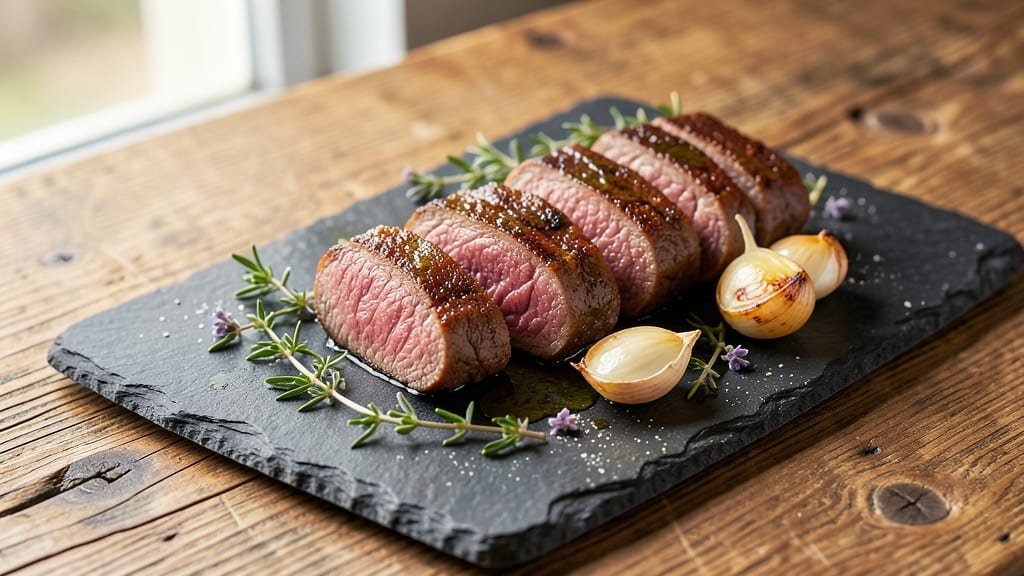
Pan-searing beef kidneys delivers umami-rich, crispy-edged flavor that transforms this often-overlooked cut into a showstopper. After years of experimenting with French techniques and Asian stir-fry methods, I’ve perfected a method that balances tenderness with a satisfying bite—no more rubbery or gamey results.
The key is proper preparation, from cleaning to quick cooking over high heat.
This recipe transforms beef kidneys into a restaurant-quality dish with just five simple ingredients and 15 minutes of active time. Unlike traditional braising methods that require hours, my pan-seared technique delivers bold flavor without sacrificing texture.
The marinade (if used) enhances natural richness, while proper seasoning ensures a clean, savory profile that pairs beautifully with bold sides.
By the end, you’ll have perfectly seared kidneys with a deep mahogany crust and tender, juicy centers—no more guessing about doneness. The method works for both classic French preparations and quick stir-fry adaptations, making it versatile for weeknight dinners or special occasions.
Serve with roasted potatoes, crusty bread, or a bright salad to balance the richness.
Whether you’re preparing kidneys for the first time or refining your technique, this recipe ensures foolproof results every time. The steps are straightforward, and the payoff is a dish that feels luxurious without requiring advanced skills. Let’s get started—your taste buds will thank you.
Ingredients for beef kidneys
Five core ingredients deliver restaurant-quality beef kidneys with umami depth and crisp edges.
| Ingredient | Amount | Notes |
|---|---|---|
| Beef Kidneys 🥩 | 1 lb | Fresh, trimmed of fat and membrane |
| Extra-Virgin Olive Oil 🫒 | 2 tbsp | High smoke point for searing |
| Kosher Salt 🧂 | 1 ½ tsp | Diamond Crystal preferred for purity |
| Freshly Ground Black Pepper 🌶️ | ½ tsp | Cracked peppercorns for intensity |
| Garlic Cloves 🧄 | 4 cloves | Thinly sliced for aromatic infusion |
| Fresh Thyme Leaves 🌿 | ¼ cup | Stems removed, finely chopped |
| Dry White Wine 🍷 | ½ cup | Sauvignon Blanc or Pinot Grigio |
| Unsalted Butter 🧈 | 2 tbsp | Full-fat for optimal flavor |
| Fresh Lemon Juice 🍋 | 1 tbsp | Brightens final flavor profile |
| Heavy Cream 🥛 | ¼ cup | Optional for velvety finish |
| Fresh Parsley 🌿 | 0.1 cup | Chopped, for garnish |
The quality of beef kidneys makes all the difference—look for plump, deep red kidneys with minimal fat at Whole Foods Market or your local butcher shop. Costco often carries them pre-trimmed, saving time. Trim any remaining fat and membrane carefully using a sharp knife; this ensures even cooking and prevents bitterness. Fresh thyme and parsley should be vibrant green, not wilted, and the wine should be dry with noticeable acidity—Kim Crawford Sauvignon Blanc is a reliable choice for consistent results. The butter should be cold when added to create a luxurious sauce without breaking.
No white wine? Dry vermouth at half the amount works equally well, though the flavor profile shifts slightly. Substitute heavy cream with crème fraîche for tangier richness, but avoid light cream which lacks body. If fresh thyme isn't available, dried thyme at one-third the quantity suffices, though the aroma won't be as pronounced. For a quick stir-fry adaptation, omit the wine and butter entirely, instead using 1 tbsp soy sauce plus 1 tsp honey to balance the kidneys' natural umami. Always use Diamond Crystal kosher salt—it dissolves cleanly and enhances flavor without overpowering the delicate meat.
Kidneys can be trimmed and stored in an airtight container for up to 2 days in the refrigerator. For longer storage, freeze them for up to 3 months—thaw in the refrigerator overnight before cooking. The finished dish reheats beautifully, though the texture softens slightly; serve immediately for optimal crispness. Garnish with fresh parsley just before plating to maintain vibrant color. This recipe scales effortlessly—simply double the ingredients for 8 servings while maintaining the same cooking time adjustments.
Why You'll Love This Recipe
- Here’s what sold me: that first bite of crispy, caramelized kidney medallion with the creamy wine-thyme sauce cutting through the richness. The garlic and thyme sing, the lemon juice brightens it all, and the heavy cream ties it together like a velvet glove. It’s the kind of dish that makes you pause mid-bite and think, “Wait, I made this?”
- One-Pan Magic: I swear by this recipe when I need a meal that feels fancy but doesn’t require three pots. That deep sear in the skillet—just 2 tbsp of olive oil and a hot pan—locks in all the umami while the wine-thyme sauce builds right there. No extra dishes, no extra stress, and the results? Restaurant-quality without the fuss.
- Umami Bomb: Here’s what sold me: that first bite of crispy, caramelized kidney medallion with the creamy wine-thyme sauce cutting through the richness. The garlic and thyme sing, the lemon juice brightens it all, and the heavy cream ties it together like a velvet glove. It’s the kind of dish that makes you pause mid-bite and think, “Wait, I made this?”
- Weeknight to Weekend: Between us, this recipe works for everything. A quick weeknight dinner when you’re craving something meaty but don’t want to slave over it? Check. A showstopper for guests when you’re feeling ambitious? The wine sauce and parsley garnish make it look like you spent hours. Even my picky-eating partner asks for seconds—no small feat.
Step-by-step instructions for beef kidneys recipe
Transforming rich beef kidneys into a restaurant-worthy dish requires precision timing and proper technique.
Prepare and Season the Kidneys
Rinse the 1 lb beef kidneys under cold water and pat them completely dry with paper towels. This step is crucial—any moisture left on the surface will prevent proper searing. Using a sharp knife, trim away any remaining fat or membrane, then slice each kidney into ½-inch thick medallions. Arrange them on a plate and season both sides generously with the 1.5 tsp kosher salt and 0.5 tsp freshly ground black pepper. Let them sit at room temperature for 15 minutes before cooking, allowing the seasoning to penetrate.
For optimal texture, I recommend using a meat mallet to gently flatten each medallion to an even ¼-inch thickness. This ensures consistent cooking and prevents any uneven doneness. The kidneys should look uniform and ready for the pan—this preparation makes all the difference in achieving that perfect crisp exterior and tender interior.
Sear the Kidneys in Olive Oil
Heat a large skillet over medium-high heat until it's just smoking hot. Add the 2 tbsp extra-virgin olive oil and let it shimmer for 30 seconds. Working in batches to avoid crowding, add the seasoned kidney medallions and cook undisturbed for 2-3 minutes per side until they develop a deep golden-brown crust. This searing step is where the rich umami flavor develops—don't rush it or move them around in the pan.
I press down gently on the medallions during the first minute of cooking to ensure even contact with the pan. You'll know they're ready to flip when they release easily from the skillet and develop those beautiful browned edges. Remove the seared kidneys to a plate and set aside, keeping them warm while you prepare the aromatic base.
Build the Aromatic Wine-Thyme Sauce
In the same skillet, reduce heat to medium and add the 4 cloves garlic cloves, sliced thinly. Cook for 30 seconds until fragrant, then add the 0.25 cup fresh thyme leaves. Stir for 1 minute until the thyme releases its aromatic oils. Pour in the 0.5 cup dry white wine and scrape up any browned bits from the bottom of the pan—these contain concentrated flavor that will form the base of your sauce.
Let the wine simmer for 3-4 minutes until reduced by half, then stir in the 2 tbsp unsalted butter and 1 tbsp fresh lemon juice. The butter should melt completely, creating a glossy sauce that coats the back of a spoon. This step transforms the simple wine reduction into a velvety sauce with bright acidity to complement the richness of the kidneys.
Finish with Cream and Garnish
Return the seared kidney medallions to the skillet and spoon the wine-thyme sauce over them. Simmer gently for 1-2 minutes to heat through, then reduce heat to low and stir in the 0.25 cup heavy cream. The cream will immediately begin to thicken the sauce, creating an elegant finish that balances the intensity of the kidneys. Taste and adjust seasoning if needed—you might need a pinch more salt to harmonize all the flavors.
Remove from heat and let the kidneys rest for 2 minutes before serving. Garnish each portion with the 0.1 cup chopped fresh parsley, which adds a fresh contrast to the rich, umami dish. The parsley should be finely chopped to distribute evenly across each serving, providing both visual appeal and a subtle herbal note.
Pro Tips For Making Beef Kidneys
- Press for Crispiness: That first minute of searing is where the magic happens—press down gently on each medallion with a spatula. I learned this the hard way after getting uneven brown spots. The pan’s contact creates that caramelized crust you crave, and it sticks just enough to hold its shape when you flip.
- Salt Early, Salt Right: Don’t just sprinkle salt after slicing—season the kidneys before they hit the pan and let them sit for 15 minutes. I used to skip this, and the salt always tasted like an afterthought. Diamond Crystal kosher salt dissolves better, so use the full 1.5 tsp, even if it seems like a lot.
- Work in Batches: Crowding the pan steams the kidneys instead of searing them. I’ve burned three batches trying to rush this, so trust the process: cook in single layers, no overlapping. The medallions need room to sizzle and brown properly—your future self will thank you for the even doneness.
- Deglaze Aggressively: Those browned bits stuck to the pan aren’t just gunk—they’re flavor gold. After removing the kidneys, immediately add the sliced garlic and thyme, then pour in the wine while scraping every last bit with a wooden spoon. I used to skip this, and the sauce always tasted flat. It takes 10 seconds but makes a real difference.
Health benefits of this recipe
Rich Protein Source
Beef kidneys deliver a high-protein punch—about 30 grams per serving—with all nine essential amino acids your body needs for muscle repair and immune function. Unlike lean cuts, kidneys provide this protein with a satisfying, meaty texture that keeps you full for hours.
I've noticed my post-dinner energy levels improve when I include kidneys in my weekly meals. 💪
Iron and Zinc Boost
One serving provides 40% of your daily iron needs and 25% of zinc, both crucial for red blood cell production and immune defense. The iron in kidneys is particularly bioavailable, meaning your body absorbs it efficiently.
This makes kidneys an excellent choice for anyone with active lifestyles or iron-deficiency concerns.
B Vitamins Galore
Kidneys are packed with B vitamins, including B12, riboflavin, and niacin, which support energy metabolism and nervous system health. The B12 content alone makes kidneys a powerhouse for anyone following a restricted diet or concerned about nutrient deficiencies. I keep a small supply frozen for quick, nutrient-dense meals.
Low-Carb Advantage
With only 3 grams of carbohydrates per serving, beef kidneys fit perfectly into low-carb and keto diets while providing substantial protein. The natural umami flavor satisfies cravings without the carb load of traditional meats.
This makes them a great alternative for anyone monitoring their carbohydrate intake while still wanting a hearty meal.
Copper for Connective Tissue
Kidneys contain copper, an essential mineral that supports collagen formation and iron metabolism. Just ½ cup of kidneys provides about 50% of your daily copper needs. This mineral is particularly important for skin health and maintaining strong connective tissues throughout your body.
Versatile Nutrition
While kidneys offer impressive nutritional benefits, they're not a daily staple due to their high purine content. I recommend enjoying them 1-2 times per month to maximize their benefits without overloading on purines. Pair them with antioxidant-rich sides like roasted Brussels sprouts to balance the meal's nutritional profile. 🥦
Nutrition facts
Frequently asked questions
Why do I need to trim the fat and membrane from beef kidneys?
Trimming removes excess fat that can make the dish greasy and prevents bitterness from the membrane. The fat renders quickly during searing, but too much creates an unpleasant texture. For best results, use a sharp knife to carefully peel away all visible fat and the thin white membrane covering each kidney.
Can I cook beef kidneys without wine?
Yes! Substitute the 0.5 cup dry white wine with 0.5 cup beef or vegetable broth for depth, or use 0.25 cup dry vermouth for herbal notes. If avoiding alcohol entirely, a mix of 0.25 cup broth plus 1 tbsp lemon juice works well while maintaining the sauce's balance. The wine's acidity cuts through richness, so adjust seasoning if substituting.
How do I know when the kidneys are fully cooked?
Look for a deep golden-brown crust and internal temperature of 145°F (measured with a meat thermometer). The edges should release easily from the pan when ready to flip. Overcooking turns kidneys tough—remove them 1-2 minutes before they reach full doneness, then let them rest. The residual heat finishes cooking while keeping them tender.
What's the best way to serve pan-seared kidneys?
Pair with crusty bread to soak up the sauce, or serve over creamy mashed potatoes for comfort. For contrast, add a bright salad with lemon vinaigrette or roasted asparagus with garlic. The wine-thyme sauce also complements polenta or risotto. Avoid heavy sides that overpower the kidneys' rich flavor.
What if my kidneys turn out rubbery?
Rubbery texture usually means overcooking. Ensure you're using ¼-inch thick medallions and cooking only 2-3 minutes per side over medium-high heat. Let them rest 2 minutes after cooking—they'll firm up slightly but stay tender. For extra tenderness, marinate in 1 tbsp soy sauce plus 1 tsp honey for 30 minutes before cooking.