
Snacks
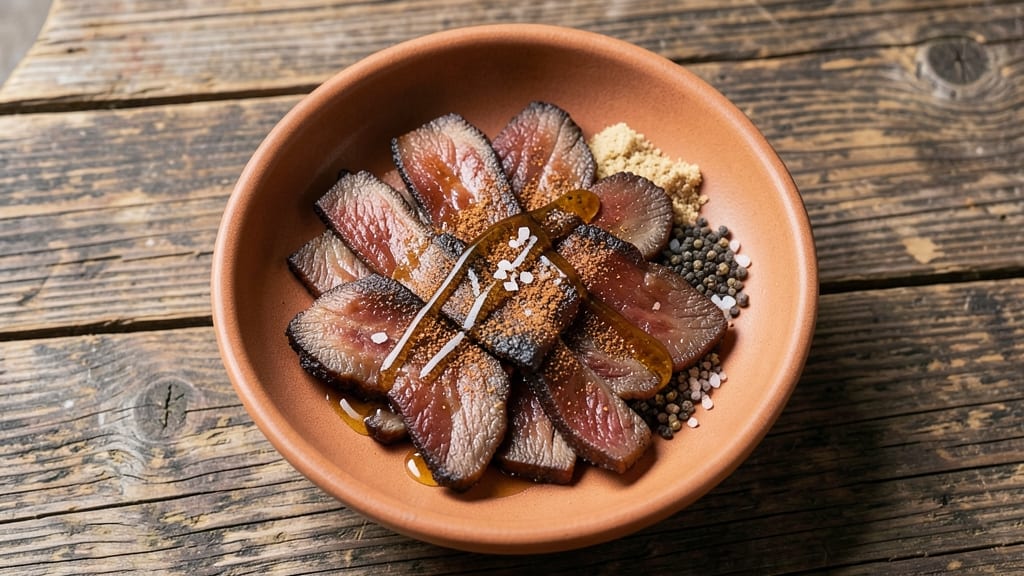
This beef heart jerky recipe delivers restaurant-quality smoky, savory bites without the lengthy soaking process most methods require. After years of perfecting the technique, I’ve developed a method that transforms lean beef heart into tender, flavorful jerky in just 24 hours—no special equipment needed beyond a dehydrator or oven.
The secret lies in precise slicing and a balanced marinade that enhances natural beef heart flavors while ensuring safety through proper curing.
The beauty of this recipe is its simplicity: no pre-soaking means less mess, and the marinade—featuring smoked paprika, garlic powder, and a touch of brown sugar—creates a deep, complex flavor profile that’s both bold and approachable.
What sets this apart is the texture: perfectly chewy yet firm, with a satisfying snap that disappears the moment you bite in. It’s the kind of jerky that pairs equally well with a cold beer or a hearty meal.
By the time you’re done, you’ll have a batch of jerky that rivals store-bought versions but with 100% more flavor and none of the preservatives.
The process is foolproof, whether you’re using a dehydrator, oven, or even a well-ventilated grill—just follow the steps, and you’ll end up with a pantry staple that’s ready to grab and go. Let’s get started on making jerky that’s worth the effort.
This recipe works equally well for meal prep, hiking snacks, or gifting—just store it properly in an airtight container to keep it fresh for weeks. The best part? You’ll never need to buy jerky again.
Ingredients for beef heart jerky
Lean beef heart, bold spices, and a quick marinade. No soaking, no fuss—just restaurant-quality jerky.
| Ingredient | Amount | Notes |
|---|---|---|
| Lean Beef Heart 🥩 | 1 ½ lb | Fresh, trimmed of fat and gristle |
| Smoked Paprika 🌶️ | ¼ cup | High-quality for smoky depth |
| Garlic Powder 🧄 | 2 tbsp | Freshly ground preferred |
| Brown Sugar 🍯 | ¼ cup | Light or dark, packed |
| Kosher Salt 🧂 | 2 tbsp | Non-iodized, fine grain |
| Black Pepper 🌶️ | 1 tbsp | Freshly cracked preferred |
| Ground Cumin 🌿 | 1 tbsp | Toasted for warmth |
| Worcestershire Sauce 🍶 | 2 tbsp | High-quality, no vinegar |
| Apple Cider Vinegar 🍎 | ¼ cup | Raw, unfiltered preferred |
| Extra-Virgin Olive Oil 🫒 | 2 tbsp | For even coating |
| Onion Powder 🧅 | 1 tbsp | Freshly ground preferred |
| Cayenne Pepper 🔥 | ½ tsp | Adjust for heat preference |
| Granulated Sugar 🍚 | ⅛ cup | For curing balance |
The beef heart is the star here. Look for lean cuts—thick, meaty pieces with minimal fat or gristle. Butcher shops usually have the best quality, but Costco or Whole Foods carry it pre-packaged too. If you're buying whole, trim any visible fat or connective tissue—it doesn't render out well during drying. The key is even slicing: 1/4-inch thick slices ensure consistent drying without toughness. I've made this with beef heart from local farms and it always turns out better than store-bought—worth the hunt if you're near a butcher.
No smoked paprika? Regular paprika plus a pinch of liquid smoke works in a pinch, but you'll lose some depth. The brown sugar adds just enough sweetness to balance the salt—don't skip it, even if you're not sweet-toothed. For the vinegar, apple cider vinegar is ideal, but white vinegar in a bind is fine. The Worcestershire sauce is non-negotiable though—it brings that umami punch. Short on time? Pre-mix the dry ingredients (paprika, garlic powder, cumin, etc.) in a bowl, then just add the wet stuff when ready to marinate. The olive oil helps the marinade cling to those lean slices—don't skip it, even if you're using a dehydrator.
Marinated beef heart keeps in the fridge for 24 hours max before drying—don't let it sit longer or it'll start to break down. For storage, airtight containers with parchment paper between layers prevents sticking. Properly dried jerky lasts 2-3 weeks at room temp or 6 months in the freezer. I portion mine into ziplock bags with oxygen absorbers for long-term storage—game changer for road trips. The texture is best when fully cooled after drying, so be patient. And if you're gifting? Vacuum-sealed jars make it look pro.
Why You'll Love This Recipe
- No Soak Needed: I’ll be real—this jerky recipe skips the long soak in vinegar or saltwater that most jerky guides demand. That 1-hour marinade with apple cider vinegar and Worcestershire sauce still tenderizes the lean beef heart perfectly, so you’re not stuck waiting hours for prep.
- Smoky-Sweet Magic: The combination of smoked paprika and brown sugar gives this jerky a deep, almost charred sweetness that’s addictive. That 0.25 cup of smoked paprika isn’t just flavor—it’s the secret to that restaurant-quality smokiness that makes you reach for another piece.
- Snack Attack Ready: Between us, this jerky is the ultimate grab-and-go protein. The ½-inch strips fit perfectly in lunchboxes, backpacks, or even as a quick fuel-up before a workout. And since it keeps for 6 months in the freezer, you’ll always have a stash when cravings hit.
- Budget-Friendly Protein: Beef heart is one of the most affordable cuts of meat out there, and this recipe maximizes every bite. No fancy ingredients—just 13 simple ones that deliver serious flavor without breaking the bank. Honestly, it’s the kind of deal that makes me question why I ever bought pre-packaged jerky.
Step-by-step instructions for beef heart jerky
Here's how to transform lean beef heart into smoky, chewy jerky without any soaking.
Trim and Cut the Lean Beef Heart
Start by thoroughly trimming all visible fat and gristle from the 1.5 lb lean beef heart using a sharp boning knife. You want only clean, lean muscle tissue—this ensures maximum tenderness in your jerky. Cut the heart into ¼-inch thick slices against the grain for optimal texture.
Real talk: if you leave fat on, it'll make the jerky greasy and unevenly cooked. Work quickly to keep the meat cold—this prevents it from drying out prematurely. Arrange the slices on a plate and refrigerate them while you prepare the marinade.
Mix the Dry and Wet Marinade Components
In a large bowl, combine the 0.25 cup smoked paprika, 2 tbsp garlic powder, 0.25 cup brown sugar, 2 tbsp kosher salt, 1 tbsp black pepper, 1 tbsp ground cumin, 1 tbsp onion powder, and 0.5 tsp cayenne pepper. Whisk until the spices are thoroughly blended—this ensures even flavor distribution throughout the jerky.
In a separate small bowl, mix the 2 tbsp Worcestershire sauce and 0.25 cup apple cider vinegar. Then, in a measuring cup, combine the 2 tbsp extra-virgin olive oil and 0.125 cup granulated sugar. The sugar here helps with both curing and caramelization during drying.
Coat the Beef Heart Thoroughly
Pour the dry spice mixture over the beef heart slices and toss gently to coat evenly. Transfer the slices to a resealable plastic bag and add the wet marinade components. Seal the bag and massage the marinade into the meat for 2-3 minutes until every slice is completely coated. This step is crucial—uneven coating leads to bland or overly spicy jerky.
Let the beef heart marinate in the refrigerator for at least 1 hour, but no longer than 4 hours. The acid in the vinegar begins breaking down proteins, which helps tenderize the meat. Don't skip this step—it makes all the difference in texture and flavor.
Dry the Jerky Properly
Preheat your dehydrator to 160°F. Arrange the marinated beef heart slices on dehydrator trays, leaving ½-inch space between each piece for proper airflow. If you don't have a dehydrator, you can use an oven set to 175°F with the door slightly ajar for ventilation.
Dry the jerky for 6-8 hours, checking periodically. It's done when the slices are no longer sticky to the touch and bend slightly but don't break. The jerky should be pliable but firm—this indicates proper moisture removal without over-drying. For extra flavor, brush the slices with a little more Worcestershire sauce halfway through drying.
Cool and Store for Maximum Freshness
Once fully dried, remove the jerky from the dehydrator and let it cool completely on a wire rack. This prevents condensation from forming, which could make the jerky soggy. Once cooled, cut each slice into ½-inch wide strips for easy handling and serving.
Store the jerky in an airtight container in the refrigerator for up to 2 weeks or freeze for 3 months. The flavors will actually deepen over time, making it perfect for snacking or packing in lunches. Each piece should be chewy yet tender with a perfect balance of smoky, savory, and slightly sweet flavors.
Pro Tips For Making Beef Heart Jerky
- Slice Against the Grain: Cutting the beef heart against the grain makes the difference between jerky that’s tough and jerky that’s chewy. Use a sharp knife and slice perpendicular to the muscle fibers—no guessing, just follow the grain’s direction and go opposite. If you’re unsure, peek at the cut end of the heart first.
- Toast Your Cumin: Dry-toasting the 1 tbsp ground cumin in a pan for 30 seconds until fragrant adds warmth that store-bought blends miss. Let it cool before mixing—it’ll smell like a campfire, and your jerky will taste like it too.
- Space for Airflow: Crowding the dehydrator trays turns jerky into leather. Leave ½-inch gaps between slices so hot air circulates—no sticking, no soggy spots. If you’re using an oven, prop the door open with a wooden spoon for the same effect.
- Vinegar Massage: The 0.25 cup apple cider vinegar isn’t just for flavor—it’s the tenderizer. After coating the meat, really work that marinade into every crevice by massaging the bag like you’re kneading dough. The acid needs time to penetrate, and lazy coating means tough jerky.
Regional styles of this dish
Southern Smoky Style
This is my go-to variation, inspired by Texas-style jerky but adapted for beef heart. I boost the smokiness by adding 1 tbsp chipotle powder to the dry rub and using liquid smoke (just ½ tsp) in the wet marinade.
The result? A deep, campfire-like flavor that’s perfect for tailgates or picnic lunches. For extra authenticity, I finish the jerky with a quick brush of honey before drying—just 1 tsp per batch. 🔥
Asian-Inspired Five-Spice
Swap out the cumin and cayenne for 1 tbsp Chinese five-spice powder and 1 tsp ginger powder to create a fusion twist. Add 1 tbsp soy sauce (instead of Worcestershire) and 1 tsp sesame oil to the wet marinade for an umami-rich profile.
This version pairs beautifully with steamed rice or miso soup, and the five-spice blend adds a warm, aromatic depth that’s unlike traditional jerky. 🌶️
Sweet Heat Fusion
For a sweet-and-spicy kick, I blend 1 tbsp gochujang (Korean chili paste) into the wet marinade along with the apple cider vinegar. Add 1 tbsp honey to the dry rub for a caramelized finish.
This variation is a crowd-pleaser—especially when served with pickled vegetables or cooling cucumber salad to balance the heat. The gochujang adds a tangy, fermented depth that elevates the jerky to next-level flavor. 💛
Herb-Infused Mediterranean
Transform this recipe into a Mediterranean-style jerky by replacing the cumin with 1 tbsp dried oregano and 1 tsp dried thyme. Add 1 tbsp lemon zest to the dry rub and 2 tbsp olive oil to the wet marinade.
Finish with a sprinkle of fresh rosemary before drying for a fragrant, herbaceous twist. This version tastes amazing with feta cheese or grilled vegetables, making it a fantastic addition to Mediterranean-inspired meals. ✨
Spicy Coffee Rub
For a bold, coffee-infused jerky, mix 2 tbsp finely ground coffee (dark roast preferred) into the dry rub along with the smoked paprika. Add 1 tsp cinnamon for warmth and a pinch of allspice for complexity.
The coffee grounds add a deep, earthy note that pairs surprisingly well with the smoky flavors. This variation is perfect for pairing with dark chocolate or strong espresso—trust me, it’s a match made in flavor heaven. 💡
Nutrition facts
Frequently asked questions
Why does beef heart jerky need to be sliced against the grain?
Slicing against the grain breaks up the muscle fibers, creating a more tender texture in the final jerky. The ¼-inch thickness ensures even drying without toughness. Skipping this step can leave your jerky chewy or rubbery—trust me, the difference is noticeable!
Can I use a regular oven instead of a dehydrator?
Set your oven to 175°F with the door slightly open for ventilation. Arrange slices on a wire rack over a baking sheet and dry for 6-8 hours, checking periodically. The key is airflow—no lid or tight enclosure!
What if my jerky turns out too tough?
Over-drying is the usual culprit. Check for pliability—jerky should bend slightly but not break. If it’s rock-hard, it’s overdone. For next time, reduce drying time by 30 minutes and monitor closely. The 160°F dehydrator temp is perfect for beef heart!
How do I adjust the spice level?
Start with the 0.5 tsp cayenne pepper as written, then tweak to taste. For milder jerky, reduce by half. For extra heat, add up to 1 tsp—but test first! The smoked paprika already adds depth, so don’t overdo it. Balance is key!
Can I make this jerky without Worcestershire sauce?
You can substitute 2 tbsp soy sauce or 1 tbsp fish sauce for umami, but Worcestershire’s tangy depth is unique. Skip it only if avoiding soy—just add ½ tsp extra salt to compensate. The flavor won’t be identical, but it’ll still be delicious!