
Main Courses
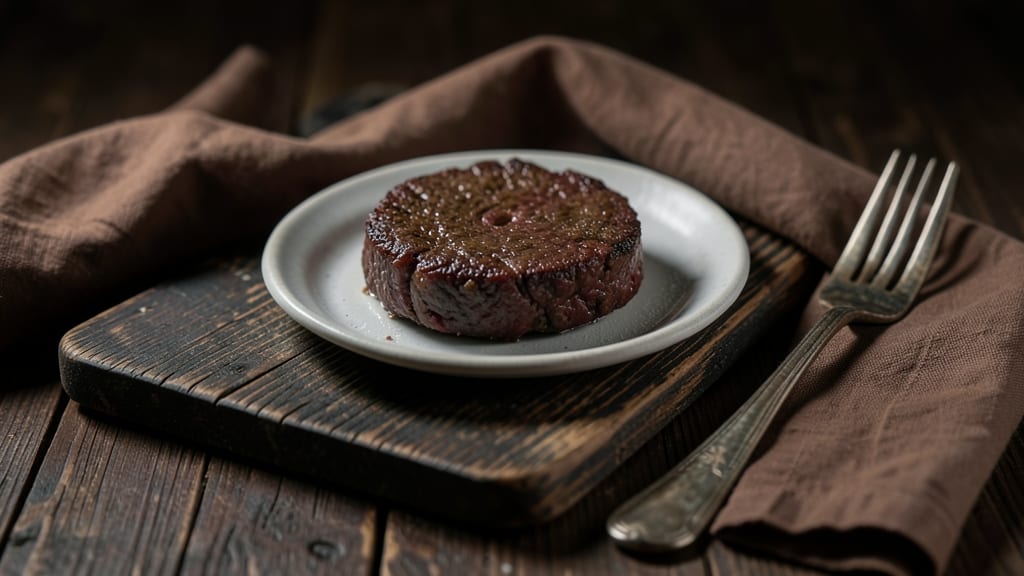
This beef gizzard recipe transforms tough, fibrous cuts into tender, melt-in-your-mouth perfection using a one-pan method that builds deep, savory flavors. The secret lies in proper preparation—cleaning and marinating the gizzards to remove bitterness while tenderizing the meat—before slow-cooking them until they’re fork-tender and infused with aromatic spices.
I’ve adapted this technique from traditional West African braising methods, where gizzards are a protein powerhouse, delivering rich, meaty satisfaction without the fat of more conventional cuts.
The process begins with thorough cleaning and a flavor-packed marinade that includes garlic, ginger, and a blend of warm spices like cumin and coriander. These ingredients not only tenderize the gizzards but also create a fragrant crust that deepens as they cook.
The one-pan approach ensures minimal cleanup while allowing the gizzards to develop a caramelized exterior and a juicy, succulent interior—no tough chewing required. This method is ideal for those who appreciate offal’s unique texture and flavor when prepared thoughtfully.
By the time you serve these gizzards, you’ll have a dish that’s restaurant-quality and packed with umami richness. The slow-cooked method transforms the gizzards into bite-sized, flavorful morsels that pair beautifully with crusty bread, roasted vegetables, or a tangy side salad.
The aroma alone will draw everyone to the table, and the first bite will prove why this dish is a hidden gem in many global cuisines. Ready to elevate your cooking repertoire?
This recipe isn’t just about the gizzards themselves—it’s about the confidence that comes from mastering a technique that turns an often-overlooked ingredient into a showstopper. Whether you’re cooking for a family gathering or a casual weeknight dinner, the results are consistently impressive.
Let’s get started on creating a dish that’s as satisfying as it is unexpected.
Ingredients for beef gizzard
Aromatic spices and careful preparation transform tough gizzards into restaurant-quality bites.
| Ingredient | Amount | Notes |
|---|---|---|
| Beef Gizzards 🍖 | 1 ½ lb | Fresh, cleaned and trimmed |
| Extra-Virgin Olive Oil 🫒 | ½ cup | For marinating and searing |
| Garlic Cloves 🧄 | 6 cloves | Minced for marinade and cooking |
| Fresh Ginger 🌿 | 2 tbsp | Finely grated, aromatic |
| Ground Cumin 🌶️ | 1 ½ tbsp | Toasted for depth of flavor |
| Ground Coriander 🌿 | 1 tbsp | Freshly ground preferred |
| Smoked Paprika 🌶️ | 1 tbsp | For smoky richness |
| Ground Turmeric 🌿 | ½ tsp | Brightens color and flavor |
| Salt 🧂 | 1 ½ tsp | Diamond Crystal kosher |
| Black Peppercorns 🌶️ | 1 tsp | Freshly cracked |
| Onion 🧅 | 1 whole | Yellow, diced for aromatics |
| Tomato Paste 🍅 | 2 tbsp | High-quality, no additives |
| Vegetable Stock 💧 | 1 ½ cups | Homemade or premium quality |
| Fresh Lemon Juice 🍋 | 1 tbsp | Brightens the final dish |
| Fresh Parsley 🌿 | ¼ cup | Chopped, for garnish |
The gizzards themselves demand attention—freshness is critical, so source them from a trusted butcher or specialty market like Whole Foods or D'Artagnan if possible. Look for vibrant, pinkish-red meat with minimal yellow fat. The cleaning process is non-negotiable: rinse thoroughly, remove any connective tissue, and soak in cold water with a splash of vinegar for 30 minutes to eliminate bitterness. For the spices, Penzeys Spices or bulk bins at natural grocery stores ensure optimal quality—ground spices lose potency quickly, so buy small quantities and store in airtight containers away from light. The garlic and ginger should be freshly minced for maximum aromatic impact, and the smoked paprika adds depth that jarred blends simply can't match.
Substitutions are possible but require adjustments. No fresh ginger? Ground ginger at half the amount works, though it lacks the same complexity. Swap smoked paprika for regular paprika, but add a pinch of liquid smoke for depth. The tomato paste can be omitted entirely if you prefer a cleaner flavor profile, though it adds a subtle sweetness that complements the spices beautifully. For the vegetable stock, chicken stock works in a pinch, but it lacks the earthy notes that make this dish truly special. If you're short on time, pre-minced garlic and ginger from the refrigerated section at Trader Joe's save steps without sacrificing too much flavor. The parsley is purely decorative, but if you're out, a sprinkle of cilantro or thyme adds a different but equally fresh dimension.
This dish rewards patience—plan for at least 2.5 hours of active and passive cooking time. The gizzards can be marinated overnight for even deeper flavor, and the marinade itself keeps in the fridge for 3 days if you prefer to prep ahead. Once cooked, the gizzards reheat beautifully—simmer in their juices for 10-15 minutes on the stove or 30 minutes at 350°F (175°C) in the oven. Store leftovers in an airtight container with a thin layer of stock or olive oil on top to prevent drying out. They'll keep in the fridge for 4 days or freeze for 3 months when portioned into single-serving containers for easy reheating.
Why You'll Love This Recipe
- One-Pot Magic: I swear by this—just gizzards, garlic, and ginger in a single pan. No chopping mountains of veggies, no juggling three bowls. The cumin and olive oil do all the heavy lifting while I sip my coffee.
- Deep Umami Crunch: That crispy exterior with the tender, almost buttery inside? It’s like a flavor explosion. The ginger and garlic caramelize into something ridiculously good—savory, slightly sweet, with a kick that lingers.
- Potluck Star: Serve it warm with crusty bread or toss it cold into salads later. Honestly, I’ve brought it to picnics, BBQs, and even my book club (yes, really). It’s hearty enough for a main but flexible enough to play second fiddle.
- Budget Game-Changer: Gizzards are the unsung hero of affordable protein—cheaper than steak, but packed with flavor. A single batch feeds four for under $10, and leftovers reheat like a dream. My wallet and freezer both thank me.
Step-by-step instructions for spiced and tender beef gizzards
Transform tough beef gizzards into melt-in-your-mouth perfection using this aromatic spice blend and slow-cooking technique.
Prepare the Aromatic Spice Marinade
In a medium bowl, combine the 1.5 tablespoons ground cumin, 1 tablespoon ground coriander, 1 tablespoon smoked paprika, 0.5 teaspoon ground turmeric, 1.5 teaspoons salt, and 1 teaspoon freshly cracked black peppercorns. This blend forms the flavor foundation that will penetrate the gizzards deeply during the cooking process.
Add the 6 minced garlic cloves and 2 tablespoons finely grated fresh ginger to the spice mixture. These aromatics will infuse the meat with complex, warm undertones that balance the earthy spices. Stir vigorously with a fork or whisk to ensure even distribution of all particles.
In a separate small bowl, mix the 0.5 cup extra-virgin olive oil with the spice blend until it forms a thick paste. This oil-based marinade will both tenderize the gizzards and create a flavorful crust during searing. Transfer this mixture to a large resealable plastic bag and add the 1.5 pounds beef gizzards, ensuring they're completely coated.
Sear and Build Flavor Layers
Heat a heavy Dutch oven or deep skillet over medium-high heat until it's smoking hot. Remove the gizzards from the marinade (reserving the marinade for later) and carefully arrange them in a single layer in the hot pan. The high heat is crucial here—it creates the Maillard reaction that develops deep, complex flavors.
Sear the gizzards for 4-5 minutes per side until they develop a deep golden-brown crust. You'll notice the meat releases easily when ready—this indicates proper searing. Remove the gizzards and set them aside on a plate. Pour the reserved marinade into the same pan, scraping up all the flavorful browned bits from the bottom.
Add the 1 whole diced onion to the pan and cook for 3-4 minutes until softened and slightly caramelized. Stir in the 2 tablespoons tomato paste, allowing it to cook for 1-2 minutes until it darkens slightly. This forms the flavor base that will carry through the entire cooking process.
Slow-Braise for Maximum Tenderness
Return the seared gizzards to the Dutch oven. Pour in the 1.5 cups vegetable stock, ensuring the gizzards are completely submerged. The liquid should come about halfway up the sides of the meat. Bring the mixture to a gentle simmer over medium-low heat, then immediately reduce heat to maintain a bare simmer.
Cover the Dutch oven tightly with a lid and transfer to a preheated 325°F oven. The low temperature and moist environment are essential for breaking down connective tissues and creating fork-tender meat. Cook for 2 to 2.5 hours, until the gizzards are fork-tender and easily pull apart with minimal resistance.
After 1.5 hours, carefully check the gizzards for doneness. If they're not yet tender, continue cooking for another 30 minutes. The sauce should reduce to a rich, concentrated consistency that clings beautifully to the meat.
Finish with Bright Acid and Fresh Herbs
Remove the gizzards from the braising liquid and transfer them to a serving platter. Strain the cooking liquid through a fine-mesh sieve into a clean saucepan, pressing on the solids to extract maximum flavor. Return the strained liquid to medium heat and simmer until slightly thickened.
Stir in the 1 tablespoon fresh lemon juice and simmer for 1-2 minutes to brighten the flavors and cut through any richness. The acidity will enhance all the spiced notes while adding freshness to the dish. Taste and adjust seasoning with additional salt if needed.
To serve, spoon the reduced sauce over the gizzards and garnish with 0.25 cup chopped fresh parsley. The herbs provide a visual contrast and a fresh finish that balances the rich, spiced meat. Serve immediately with crusty bread to soak up the delicious sauce.
Pro Tips For Making Beef Gizzard
- Toast the Cumin First: I learned this the hard way—skipping this step makes the spices taste flat. Lightly toast the 1.5 tablespoons ground cumin in a dry pan for 30 seconds until fragrant before mixing it into the marinade. The nutty depth it adds is worth the extra minute.
- Don’t Crowd the Pan: Overloading the Dutch oven with gizzards steams them instead of searing. Work in batches if needed—arrange them in a single layer with space between each piece. This ensures that beautiful golden crust forms on all sides, not just the bottom.
- Check for Tenderness Early: After 1.5 hours, poke a gizzard with a fork. If it still resists, don’t panic—just add another 30 minutes. I’ve ruined perfectly good gizzards by pulling them too soon, thinking they’d finish cooking later. Trust the process.
- Reserve That Marinade: Pouring the leftover spiced oil into the pan after searing is non-negotiable. Those browned bits clinging to the bottom are pure flavor gold. Scrape every last drop—it’s the difference between good and exceptional sauce.
Regional styles of this dish
West African Style
In West African cuisine, beef gizzards are often braised with a blend of palm oil, ginger, and scotch bonnet peppers for a rich, spicy depth. I’ve adapted this by using smoked paprika for that smoky richness and adding tomato paste to mimic the tangy base.
Serve with jollof rice or fufu—the starchy sides help balance the bold flavors. 🌶️
Southern U.S. Tradition
The Southern U.S. treats gizzards as a hearty, budget-friendly protein, often simmered with apple cider vinegar and mustard seeds for tangy brightness. For this recipe, I swap the vinegar for lemon juice and add black peppercorns for a similar sharpness.
Pair with cornbread or collard greens for a classic Southern meal. 🥖
Caribbean Jerk Twist
Caribbean jerk seasoning transforms gizzards into a fiery, aromatic dish. I blend allspice, thyme, and scotch bonnet peppers into the marinade alongside the original spices. Grill the gizzards after searing for a smoky char, then serve with mango salsa and festival bread.
The sweetness of the mango cuts through the heat beautifully. 🍍
Middle Eastern Lamb Alternative
While this recipe uses beef, Middle Eastern cooks often braise lamb gizzards with cumin, cardamom, and raisins for a sweet-savory profile. For a similar effect, add ½ cup raisins to the braising liquid in the final 30 minutes of cooking.
Serve with flatbread and tahini sauce for a fusion twist. 🌟
Spanish-Style Frying
In Spain, gizzards are often pan-fried after marinating in white wine, garlic, and paprika. For this method, sear the gizzards in olive oil until golden, then deglaze the pan with ½ cup white wine instead of stock.
Finish with roasted peppers and olives for a tapas-style dish. 🍷
Modern Fusion Approach
For a contemporary take, I’ve incorporated umami-rich ingredients like soy sauce (1 tbsp) into the braising liquid. This adds depth without overpowering the spices. Garnish with microgreens or edible flowers for a restaurant-worthy presentation. Serve with quinoa pilaf for a protein-packed, modern meal. ✨
Nutrition facts
Frequently asked questions
Why do I need to clean beef gizzards before cooking?
Cleaning removes bitter membranes and connective tissue that can make the meat tough or unpleasant. Soak them in cold water with vinegar for 30 minutes to eliminate any lingering bitterness while tenderizing the fibers. This step is non-negotiable for restaurant-quality results!
Can I substitute beef gizzards with another offal like chicken livers?
No—gizzards have a distinct texture and flavor that can't be replicated with livers or other offal. Chicken livers cook much faster and have a different mouthfeel. For similar dishes, try beef heart or chicken gizzards, but they'll require adjusted cooking times and marinades.
How do I know when the gizzards are properly cooked?
They're done when they're fork-tender with no resistance (like pulled pork) and the internal temperature reaches 165°F. If they're still slightly chewy after 2.5 hours, extend cooking by 30 minutes—the sauce will reduce while they tenderize. Never rush this step!
What if my gizzards turn out too dry?
Overcooking is the usual culprit. Always maintain a bare simmer and keep the gizzards submerged in liquid. If they're dry, reheat them in their braising sauce for 10-15 minutes on low heat. For future batches, reduce oven temperature to 300°F and cook for 3 hours instead.
Can I make this recipe ahead of time?
The gizzards reheat beautifully. Cook them fully, then refrigerate in their sauce for up to 4 days or freeze for 3 months. Reheat gently on the stove with a splash of water or stock to restore moisture. The flavors actually deepen overnight!