
Main Courses
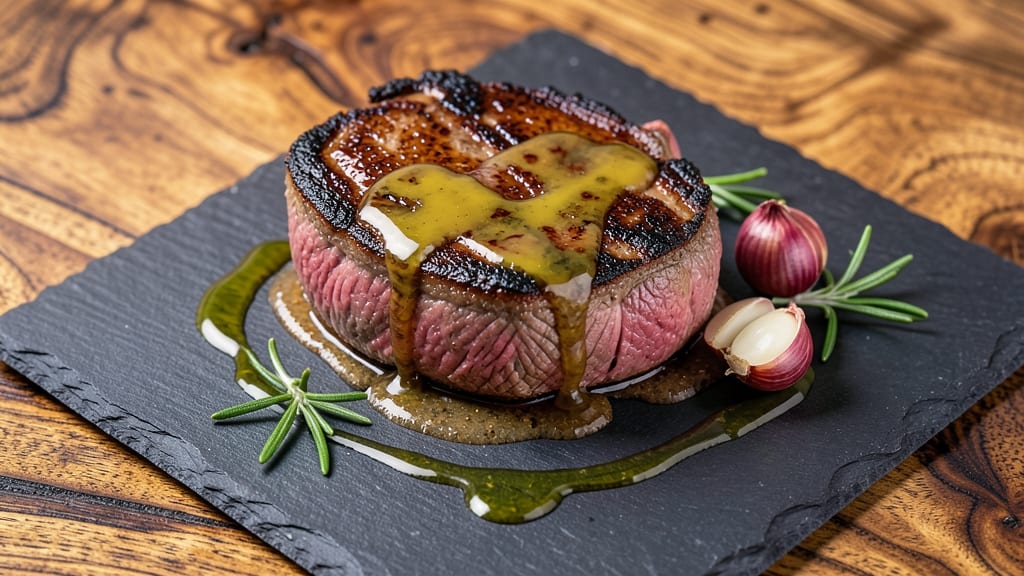
This beef cross rib steak recipe will turn your weeknight dinners into restaurant-quality experiences with just a few simple steps. The secret lies in a cast-iron crust that locks in juices while creating a buttery, caramelized exterior.
After years of perfecting this technique, I’ve developed a method that delivers medium-rare perfection every time—no guesswork, just precision.
This recipe focuses on three critical steps: proper prep to dry the steak for maximum crust formation, reverse searing for even doneness, and a 5-minute rest to redistribute juices.
The result is a steak with a deep, beefy flavor and a crust that’s both crisp and tender—exactly what you’d expect from a high-end steakhouse. For sides, roasted garlic potatoes and chimichurri elevate the dish without overpowering the star.
What makes this technique foolproof is the attention to detail at each stage. You’ll start with a room-temperature steak, sear it low and slow to render fat, then finish in a hot oven for that coveted crust.
The internal temperature of 130°F for medium-rare ensures a juicy center, while the crust develops a rich, mahogany hue that signals perfection. Presentation matters too—slice against the grain for maximum tenderness.
Serve this steak with a bold red wine reduction or keep it simple with a sprinkle of flaky sea salt and cracked black pepper. The method scales easily, whether you’re cooking for two or feeding a crowd.
Let’s get started on creating a steak that will impress even the most discerning guests.
Ingredients for beef cross rib steak
Room-temperature steak, precise seasoning, and cast-iron magic—just these essentials transform humble beef into restaurant-quality perfection.
| Ingredient | Amount | Notes |
|---|---|---|
| Beef Cross Rib Steak 🥩 | 2 lb | Bone-in, 1.5-inch thick slices |
| Kosher Salt 🧂 | 1 ½ tbsp | Coarse grain preferred |
| Freshly Ground Black Pepper 🌶️ | 1 tbsp | Cracked, not pre-ground |
| Unsalted Butter 🧈 | ½ cup | Cold, cut into 8 pieces |
| Extra-Virgin Olive Oil 🫒 | 2 tbsp | High smoke point preferred |
| Garlic Cloves 🧄 | 4 cloves | Smashed, skin-on |
| Fresh Rosemary 🌿 | ¼ cup | Chopped, stems removed |
| Fresh Thyme 🌿 | ¼ cup | Leaves only, stems discarded |
| Red Wine 🍷 | ½ cup | Bold, dry variety (Cabernet Sauvignon) |
| Beef Tallow or Duck Fat 🍳 | 2 tbsp | For extra crust development |
| Cast-Iron Skillet 🔥 | 1 whole | 12-inch diameter preferred |
| Heavy Cream 🥛 | ¼ cup | Full-fat for richness |
| Flaky Sea Salt 🧂 | 1 tsp | For finishing |
The beef cross rib steak is non-negotiable here—look for cuts with visible marbling and a thick, even profile. Local butchers often have the best selection, or opt for pre-sliced cross rib steaks at Whole Foods or D'Artagnan for consistency. If you're buying whole, ask for 1.5-inch thick slices—this ensures even cooking. The steak should be room temperature before cooking (30 minutes out of the fridge), which is critical for that perfect crust. For the herbs, fresh rosemary and thyme from the grocery store's produce section work fine, but if you're feeling fancy, Trader Joe's carries organic bundles that add extra aroma.
No coarse kosher salt? Diamond Crystal is the gold standard, but Morton kosher salt works in a pinch—just use slightly less since it's finer. Pre-ground pepper loses potency fast, so crack fresh peppercorns if you can. For the butter, Plugrá or European-style brands melt more smoothly, but any unsalted butter will do. Running out of red wine? Beef broth with a splash of balsamic mimics the acidity beautifully. The beef tallow or duck fat is optional but worth it—it adds an extra layer of richness to the crust. If you can't find it, extra butter works just as well.
Steak keeps best 2-3 days in the fridge if prepped ahead—pat dry and store uncovered on a wire rack to prevent sogginess. The butter and herbs can be prepped 1 day ahead and stored in airtight containers. For the wine reduction, make it a day ahead—it tastes even better after the flavors meld. Leftovers? Slice against the grain and store in an airtight container for 3-4 days. The crust won't be as crisp, but the flavor remains exceptional. For freezing, wrap individual portions tightly in plastic wrap and foil—up to 3 months works perfectly for special occasions.
Why You'll Love This Recipe
- One-Pan Magic: I swear by this recipe because it’s all in the skillet—no chopping boards, no extra pans, just that smoky cast-iron doing all the work. The only cleanup is scraping the crust off your spatula, and honestly? Worth every second.
- Buttery Crust Obsession: That moment when the butter pools on the steak and turns golden? Chef’s kiss. The cold butter basting with rosemary and thyme while it sears—it’s like a flavor explosion, and the wine-cream sauce ties it all together into something dangerously addictive.
- Weeknight Date Night: No fancy prep, no stress—just 30 minutes of hands-off cooking (after that 30-minute room temp rest, which you can do while you pour a glass of that same bold Cabernet you’re using in the sauce). Perfect for impressing someone without looking like you’ve spent hours in the kitchen.
- Leftovers That Don’t Suck: Between us, most steak leftovers are sad. Not this one. The crust stays crispy if you store it uncovered on a rack, and the sauce? Even better the next day. I’ll take my cold slices with a fork over dry, rubbery steak any day—especially when it’s still packed with that rosemary-thyme punch.
Step-by-step instructions for beef cross rib steak with cast-iron crust
Master this technique and you'll achieve restaurant-quality crust with tender, buttery ribeye every time.
Prepare the Steak and Seasoning
Pat the 2 lb beef cross rib steak dry with paper towels, removing any moisture from the surface. This is crucial for developing that perfect crust later. Place the steak on a cutting board and season both sides generously with 1.5 tbsp kosher salt and 1 tbsp freshly ground black pepper, pressing the seasoning into the meat so it adheres. Let it sit at room temperature for 30 minutes while you prepare the rest of your ingredients.
While waiting, finely chop the 0.25 cup fresh rosemary and 0.25 cup fresh thyme, removing any stems. These herbs will infuse the crust with aromatic depth. Keep them in a small bowl until ready to use.
Create the Cast-Iron Crust
Place the whole cast-iron skillet over medium-high heat until it's smoking hot. Add 2 tbsp extra-virgin olive oil and 2 tbsp beef tallow or duck fat, swirling to coat the bottom evenly. The fat is key here—it creates a richer, more stable crust than oil alone.
When the fat shimmers and reaches 375°F, carefully place the seasoned steak in the skillet. Press down gently on the steak with a metal spatula during the first 1-2 minutes to ensure even contact with the hot surface. This prevents curling and guarantees that crust develops uniformly on both sides.
Build the Herb Butter Crust
After 3 minutes on the first side, when the steak releases easily from the pan and has developed a deep golden crust, flip it over. Immediately add the 0.5 cup cold unsalted butter cut into pieces, along with the chopped rosemary and thyme. The butter will melt and baste the steak continuously, creating that signature ribeye richness.
Cook for another 3 minutes on the second side, basting frequently with the rendered butter and herbs. The crust should be deep mahogany brown with visible butter pools on the surface. Here's where it gets critical: don't walk away. The butter burns quickly, and that's what creates the flavor.
Deglaze and Finish with Red Wine
Remove the steak from the skillet and let it rest on a warm plate. Pour in 0.5 cup red wine and scrape up all the browned bits from the bottom with a wooden spoon. This deglazing captures all the crust flavors that would otherwise be lost. Let the wine reduce by half over medium-high heat until it coats the back of a spoon.
Stir in 0.25 cup heavy cream and simmer for 1-2 minutes until the sauce thickens slightly. The sauce should be velvety with just a hint of wine acidity. Taste and adjust seasoning with additional kosher salt if needed—this sauce will carry through to your final presentation.
Rest and Serve with Finishing Salt
Return the steak to the skillet and spoon the wine-cream sauce over it. Let it sit for 1 minute to heat through and absorb some of the sauce. Transfer to a cutting board and let it rest for 10 minutes before slicing. This resting period allows the juices to redistribute, ensuring each bite is moist and flavorful.
Slice the steak against the grain into ½-inch thick pieces. Arrange on plates, drizzle with any remaining pan sauce, and finish with a sprinkle of 1 tsp flaky sea salt. The contrast between the salty flakes and rich, buttery steak creates the perfect final touch. Serve immediately with roasted vegetables or a simple arugula salad to complement the bold flavors.
Pro Tips For Making Beef Cross Rib Steak
- Press That Steak: DESCRIPTION: The first 2 minutes in the pan are your chance to guarantee an even crust—press the steak down with a metal spatula hard so it doesn’t curl. I used to skip this, and half my steak would end up with a sad, thin crust. The fat won’t pool properly if it’s not flat.
- Butter Burn Control: DESCRIPTION: That 0.5 cup cold butter is your flavor bomb, but it turns to smoke faster than you think. Keep a spoon handy to toss it around the pan like you’re stirring a pot of popcorn—just until it’s melted and bubbling, not browned. Overcooked butter tastes bitter, and no one wants that.
- Deglaze Aggressively: DESCRIPTION: When you remove the steak, don’t just splash in the 0.5 cup red wine—get that wooden spoon and scrape every last browned bit off the cast iron. Those bits are pure flavor, and skipping this step means you’re losing half the taste. I learned this after making sauce that tasted like it was missing something—turns out, it was.
- Skip the Pre-Ground Pepper: DESCRIPTION: That 1 tbsp freshly ground black pepper isn’t just for show—pre-ground pepper loses its punch fast. Grind it yourself right before seasoning, or buy the coarsest grind you can find. The difference in heat and aroma is night and day, and your steak deserves the best.
Common mistakes when making this recipe
Skipping the Rest
I can't emphasize this enough—skipping the rest is the #1 mistake that turns a perfect steak into a dry, disappointing mess. That 10-minute rest before slicing lets the juices redistribute from the hot center to the edges.
I've seen home cooks rush this step and end up with a steak that's juicy only in the middle. Trust the process—even if it feels like forever, that rest is what separates good from great. 💡
Overcrowding the Pan
Using a 12-inch cast-iron skillet is perfect for this recipe, but I've seen people try to squeeze in extra steaks or crowd the pan with other ingredients. When you overcrowd, the steak steams instead of sears, leading to a pale, soggy crust.
Keep the pan uncluttered—just the steak, oil, and fat. If you're cooking multiple steaks, work in batches to maintain that perfect crust. 🔥
Using Cold Steak
Taking the steak straight from the fridge to the pan is a recipe for disaster. Cold meat releases moisture as it heats, which prevents proper crust formation. Always let your 2 lb beef cross rib steak sit at room temperature for 30 minutes before cooking.
I've ruined more steaks than I'd like to admit by skipping this step—don't make my mistake! ❄️
Ignoring the Butter Burn
The moment you add that 0.5 cup cold unsalted butter, it's easy to get distracted. But those few minutes of butter basting are what create that signature ribeye richness.
Walking away too soon means missing the Maillard reaction that gives the crust its deep, caramelized flavor. Stay vigilant—this is where the magic happens! 🌟
Incorrect Internal Temp
Medium-rare perfection requires precision. Using a meat thermometer, aim for 130°F internal temperature for medium-rare. I've seen people pull steaks too early at 120°F (still rare) or too late at 140°F (overcooked).
The 10-minute rest after cooking will raise the temperature by about 5°F, so plan accordingly. A ThermoWorks Smoke thermometer is my go-to for accuracy. 🌡️
Skipping the Deglaze
Those browned bits stuck to your cast-iron skillet are flavor gold! Skipping the red wine deglaze means losing all that rich, beefy flavor. Pour in that 0.5 cup bold Cabernet Sauvignon, scrape up every bit, and let it reduce.
This simple step transforms a good steak into an extraordinary one. Don't waste that flavor—it's what makes restaurant-quality steaks taste so special. 🍷
Nutrition facts
Frequently asked questions
What makes cross rib steak different from ribeye?
Cross rib steak comes from the rib primal cut but includes a portion of the chuck, giving it a slightly tougher texture and more connective tissue than ribeye. This means it benefits from longer cooking times and develops deeper flavor when seared with butter and herbs. The bone-in version adds extra richness, while the thick slices ensure even cooking.
Can I substitute beef tallow with another fat?
Yes! While beef tallow or duck fat creates the richest crust, you can use an extra 2 tbsp unsalted butter or even ghee for similar results. The key is using a high-smoke-point fat to achieve that deep mahogany crust. Just be sure to heat the pan until it's smoking hot before adding the steak.
How do I adjust cooking time for thicker steaks?
For steaks over 1.5 inches thick, add 1-2 minutes per side to the searing time (so 4-5 minutes total). Always check internal temperature with a meat thermometer—130°F for medium-rare. Thicker cuts need extra time to develop that perfect crust while staying juicy inside.
What's the best way to reheat leftover steak?
Slice against the grain and reheat in a 350°F oven for 5-7 minutes with a splash of beef broth to keep it moist. Avoid microwaving—it dries out the crust. For extra flavor, broil for 1-2 minutes to crisp the exterior again. Leftovers keep well for 3-4 days in the fridge.
Why did my crust turn pale instead of mahogany?
Pale crust usually means the pan wasn't hot enough or the steak was crowded. For best results, use a 12-inch cast-iron skillet and preheat until smoking. Press the steak down gently during the first 1-2 minutes to ensure full contact. The butter should sizzle and brown—if it's just melting, increase the heat slightly.