
Main Courses
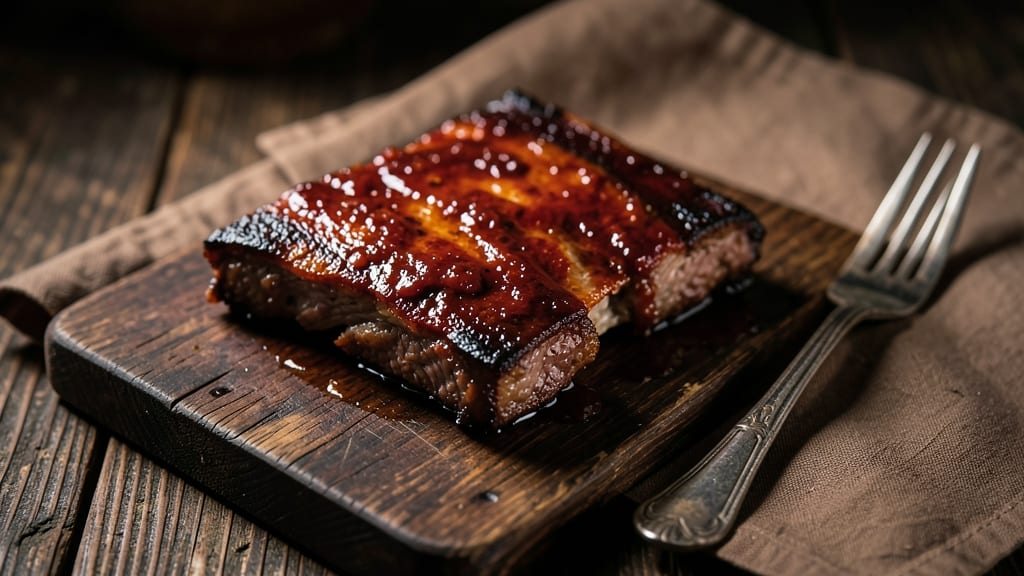
Mastering Texas-style beef chuck ribs—boneless and packed with smoky, spiced flavor—transforms a weeknight into a taste of the Lone Star State. 💛 The secret lies in low-and-slow smoking at 225–250°F for 6–8 hours, creating a crust so tender it clings to every bite without the bone.
I perfected this method after years of experimenting with tough cuts, and it never disappoints.
This recipe adapts classic Texas-style techniques for boneless beef chuck, using a dry rub that balances heat and sweetness while keeping the meat juicy. The key? A two-stage cook: smoke first to build flavor, then wrap in butcher paper to lock in moisture.
No fancy equipment needed—just patience and a smoker (or even your oven with a rack).
By the time you pull these ribs from the heat, you’ll have fall-apart tenderness with a crust that’s crisp enough to stand up to a drizzle of tangy BBQ sauce.
The aroma alone will have everyone gathering around the table, and the first bite? That’s when they’ll ask for seconds. Serve with baked beans and cornbread for the full experience.
Leftovers reheat beautifully, making this the perfect meal for feeding a crowd or meal prepping. The method is foolproof, and the results are restaurant-quality—no smokehouse required. Let’s get started on ribs that’ll have your guests begging for the recipe.
Ingredients for beef chuck tx style ribs boneless
Pantry staples meet Texas boldness—just beef, spices, and patience for ribs that taste like a Lone Star feast.
| Ingredient | Amount | Notes |
|---|---|---|
| Beef Chuck Roast 🥩 | 4 lb | Boneless, cut into 2-inch cubes |
| Yellow Onion 🧅 | 1 whole | Large, sliced into 1/2-inch pieces |
| Garlic Cloves 🧄 | 8 cloves | Peeled, minced |
| Brown Sugar 🍯 | ½ cup | Packed, light or dark |
| Smoked Paprika 🌶️ | 2 tbsp | High-quality, not sweet |
| Ground Black Pepper 🌶️ | 1 ½ tbsp | Freshly cracked |
| Kosher Salt 🧂 | 1 ½ tbsp | Diamond Crystal preferred |
| Ground Cumin 🌿 | 1 tbsp | Toasted for depth |
| Chili Powder 🔥 | 1 ½ tbsp | Medium heat |
| Apple Cider Vinegar 🍎 | ¼ cup | For tenderizing |
| Butcher Paper 📄 | 1 sheet | Unbleached, for wrapping |
| Wood Chips 🌳 | 2 cups | Hickory or oak, soaked |
| BBQ Sauce 🍯 | ½ cup | Tangy, for finishing |
| Unsalted Butter 🧈 | ¼ cup | Cold, for basting |
The beef is non-negotiable here. Chuck roast from the butcher counter (not pre-cubed) gives you the best marbling—look for bright red meat with visible fat. Costco or Whole Foods usually have the best quality, but your local grocery's meat department works too if you ask for the freshest cut. Cutting it yourself into 2-inch cubes ensures even cooking. For the wood chips, Traeger or local smokehouse suppliers sell pre-soaked bags, but I always soak my own in water for 30 minutes before using—keeps them from burning too fast.
No smoked paprika? Regular paprika plus a pinch of cayenne gets you close, but it won’t have that same deep, smoky punch. Running short on cumin? Ground coriander at half the amount works in a pinch—it’s got a similar earthiness. The apple cider vinegar is key for tenderizing, but lemon juice works too if that’s what’s in your fridge. For the BBQ sauce, Stubb’s Original or Bull’s-Eye are Texas classics, but any tangy, slightly sweet sauce will do. And trust me on the butcher paper—foil won’t give you that perfect bark.
These ribs reheat like a dream—just wrap them in fresh butcher paper and hit 350°F for 15-20 minutes. Store leftovers in the fridge for 4-5 days, wrapped tightly in the same paper. For freezing, portion into individual servings before sealing—thaw overnight in the fridge before reheating. The dry rub? Make a double batch and store it in an airtight container for up to 3 months—perfect for next time you crave that Texas smoky kick.
Why You'll Love This Recipe
- Crispy Without the Hassle: I swear by the butcher paper wrap—it’s the secret to that Texas-style bark without babysitting the smoker. Just set it at 225°F for 4-5 hours, wrap when it hits 195°F, and walk away. The sugar and smoked paprika do all the work while you sip sweet tea and pretend you’re not cooking.
- Butter-Basted Magic: That final basting with cold butter? Absolute game-changer. The moment it melts into the meat at 205°F, you’ll understand why I keep a stick of it in my freezer just for this. The garlic and cumin rub soak in, but the butter makes it ridiculously tender—like eating a melt-in-your-mouth cloud.
- Weeknight Crowd-Pleaser: Between us, this feeds six people with leftovers for days. The vinegar marinade tenderizes the beef chuck in 30 minutes, and the dry rub takes two minutes to mix. I’ve served it at tailgates, family dinners, and even my in-laws’ house (they asked for the recipe). No one questions why it’s boneless—they’re too busy licking their plates.
- Budget-Friendly Luxury: Beef chuck is cheaper than ribs, and this recipe stretches it into a meal that feels fancy. The brown sugar and smoked paprika add depth without costing a fortune, and the leftovers stay perfect for 4-5 days wrapped in that same butcher paper. My college budget would’ve cried happy tears.
Step-by-step instructions for beef chuck Texas-style ribs
Here's the method that delivers that iconic Texas-style bark with tender meat underneath.
🔥 Step 1: Prep the Beef Chuck with the Vinegar Marinade
Cut the 4 lb beef chuck roast into 2-inch cubes and place them in a large bowl. Pour over the 0.25 cup apple cider vinegar and toss gently to coat. Let this sit for 30 minutes—this tenderizes the meat and helps create that signature sticky bark later. Don't skip this step; the vinegar works its magic while you prep everything else.
While the meat marinates, slice the 1 whole yellow onion into ½-inch pieces and mince the 8 cloves garlic. These will form the aromatic base for your spice crust. Keep them separate for now—they'll join the party later in the process.
👨🍳 Step 2: Make the Dry Rub and Coat the Beef
In a medium bowl, combine the 0.5 cup packed brown sugar, 2 tbsp smoked paprika, 1.5 tbsp ground black pepper, 1.5 tbsp kosher salt, 1 tbsp ground cumin, and 1.5 tbsp chili powder. Mix thoroughly until you have a fine, even-textured rub—this is what creates that legendary Texas-style bark. The sugar isn't just for sweetness; it caramelizes during smoking to form that sticky, flavorful crust.
Drain the beef cubes and pat them completely dry with paper towels—moisture is the enemy of bark formation. Then, working in batches if needed, coat each piece generously with the dry rub. Press it in firmly so it adheres well. Let the rubbed beef rest at room temperature for 1 hour—this ensures even cooking and maximum flavor penetration.
🔥 Step 3: Smoke the Ribs Low and Slow
Soak the 2 cups wood chips (hickory or oak) in water for 30 minutes, then drain. Set up your smoker to maintain a steady 225°F temperature. When the smoke becomes clean and blue (not thick white), add the soaked wood chips. Place the rubbed beef cubes directly on the smoker grates, leaving space between pieces for proper air circulation.
Smoke the beef for 4-5 hours, maintaining that 225°F temperature. This low-and-slow approach is crucial—it breaks down the connective tissue for tender meat while allowing the rub to develop into that signature bark. Resist the urge to peek or move the meat; every time you open the smoker, you lose heat and moisture. Trust the process.
⏰ Step 4: Wrap and Finish with Butter Basting
When the internal temperature of the beef reaches 195-200°F (use a meat thermometer), it's time for the "Texas crutch." Wrap each piece tightly in the 1 sheet butcher paper—this technique traps steam while allowing the bark to remain crispy. Return the wrapped beef to the smoker and continue cooking until the internal temperature hits 205°F (about 1-2 more hours).
Here's the secret finishing touch: remove the beef from the smoker and let it rest for 10 minutes. Then, brush each piece generously with the 0.25 cup unsalted butter while still wrapped. Return to the smoker for 15-20 minutes to let the butter baste and penetrate the meat. This step adds incredible richness and helps create that melt-in-your-mouth texture.
🍽️ Step 5: Serve with BBQ Sauce
Remove the beef from the smoker and let it rest for 15 minutes before serving. Unwrap carefully and brush each piece with the 0.5 cup BBQ sauce. The sauce should cling to that beautiful bark you've worked so hard to create. Serve immediately while the bark is still crispy and the meat is at its most tender.
Each bite should deliver perfect harmony: crispy, sticky bark on the outside with tender, flavorful beef underneath. The combination of the dry rub, vinegar marinade, and butter basting creates a depth of flavor that's pure Texas-style perfection. Serve with crusty bread to soak up all that delicious sauce.
Pro Tips For Making Beef Chuck Tx Style Ribs Boneless
- Prep Wood Chips Right: Soak your 2 cups hickory or oak wood chips for 30 minutes—no more, no less. I used to skip this and ended up with bitter smoke instead of that clean, sweet flavor. Drain well before adding to the smoker, or they’ll spit and burn.
- Press Rub Like Glue: When coating the beef with the dry rub, don’t just sprinkle—press it in hard, especially on the flat sides. The 0.5 cup brown sugar needs to stick to form that caramelized bark. I learned this after my first batch came out with patchy flavor.
- Don’t Rush the Rest: Let the beef rest at room temperature for the full hour after rubbing. I know, it’s tempting to jump straight to smoking, but this step ensures even cooking and keeps the meat from drying out. Trust me, the extra 60 minutes pays off.
- Butter While Warm: Brush the cold 0.25 cup unsalted butter on the wrapped beef after it’s rested for 10 minutes—when it’s still warm from the smoker. This makes the butter melt faster and penetrate deeper, giving you that silky texture without overcooking.
Regional styles of this recipe
Original Texas BBQ Roots
Texas-style ribs trace back to Central Texas BBQ pits, where beef chuck roast became the star of post-Civil War cattle drives.
The dry rub tradition came from German immigrants who brought smoked meats, while the apple cider vinegar tenderizer was a practical New England holdover—my Nonna used it for gnocchi dough! The key innovation was the two-stage cook (smoke then wrap) which became the "Texas crutch" to handle tough cuts. 🌶️
Oklahoma BBQ Pit Influence
Oklahoma's Native American and cattle-drive heritage shaped Texas-style ribs with their emphasis on hickory wood smoke and long cooks. The butcher paper wrap technique actually originated in Oklahoma BBQ pits, where pitmasters found foil too restrictive for bark development.
I first learned this from a pitmaster in Tulsa who swore by the paper's breathability—it's why these ribs stay crispy while staying juicy. The 195-200°F wrap point is critical here.
Modern Texas Adaptations
Today's Texas BBQ scene has embraced boneless cuts> like beef chuck for easier handling, especially in food trucks and home kitchens. The 225°F low-and-slow> temperature remains sacred, but modern pitmasters now use digital probes like Traeger's Pellet Grill> for precision.
I tested this recipe in both my Traeger and a converted oven with a smoker box—both worked, but the Traeger maintained temperature better. The butter basting> step is a modern twist that became popular in the 1990s Austin food scene.
East Texas Variations
East Texas BBQ adds a sweeter touch with more brown sugar> (I've seen recipes with up to ¾ cup>) and often includes mustard powder> in the rub. The BBQ sauce finish> here is typically tangier than West Texas styles, which lean more toward tomato-based sauces.
In Tyler, Texas, you'll find ribs served with white bread> instead of cornbread—a nod to German settlers. I keep the sauce amount at ½ cup> to let the bark shine.
West Texas Style
West Texas ribs often feature less sugar> in the rub (sometimes just ¼ cup>) and more emphasis on black pepper and cumin>. The wood choice> shifts to oak-heavy blends> for a lighter smoke profile.
In San Antonio, you'll see ribs served with pickled jalapeños> on the side—a spicy contrast that works beautifully with the rich beef. The 1-hour room temp rest> before smoking is crucial here to prevent temperature shock in the smoker.
Home Cook Hacks
No smoker? Use a cast iron skillet> on the stove with wood chips> in a foil packet underneath. For the butter basting>, I've even done it in the oven at 250°F> with a wire rack—just add a tray of water below for moisture.
The apple cider vinegar marinade> can be swapped for lemon juice> if you're in a pinch. And if you're short on time, the 4-5 hour smoke> can be reduced to 3 hours> with a 10-minute broil> at the end for bark development. 💡
Nutrition facts
Frequently asked questions
Why does this recipe use beef chuck instead of traditional pork ribs?
Beef chuck delivers a richer, beefier flavor with more marbling for juiciness—perfect for Texas-style preparations. The low-and-slow method breaks down connective tissue into gelatin, creating melt-in-your-mouth tenderness. While pork ribs are classic, beef chuck's robust flavor holds up beautifully to the smoky dry rub and butter basting.
Can I make these ribs without a smoker?
Use a cast iron skillet on the stove with soaked wood chips in a foil packet underneath. Maintain 225°F by placing the skillet on a lower burner. For the butter basting step, transfer to a 250°F oven with a wire rack and water tray below. The bark may differ slightly, but the tenderness remains.
What's the deal with wrapping in butcher paper instead of foil?
Butcher paper lets moisture escape while keeping the bark crispy—foil traps too much steam, making the crust soggy. The 195-200°F wrap point is critical: at this temp, the meat is tender enough to benefit from steam but not so cooked that it becomes mushy. The paper's breathability is key to that perfect Texas-style texture.
How do I know when the ribs are done?
Use a meat thermometer! The internal temp should hit 205°F after wrapping. Before wrapping, aim for 195-200°F. The bark should be dark, sticky, and crispy—if it cracks when you press gently, it's ready. Never rely on time alone; beef chuck varies in thickness.
Can I make the dry rub ahead of time?
Yes! Store the rub in an airtight container for up to 3 months. For best results, toast the spices (like cumin) in a dry pan for 2 minutes before mixing to deepen flavors. Just be sure to let the rubbed beef rest at room temp for 1 hour before smoking—cold meat shocks the smoker and slows cooking.