
Main Courses
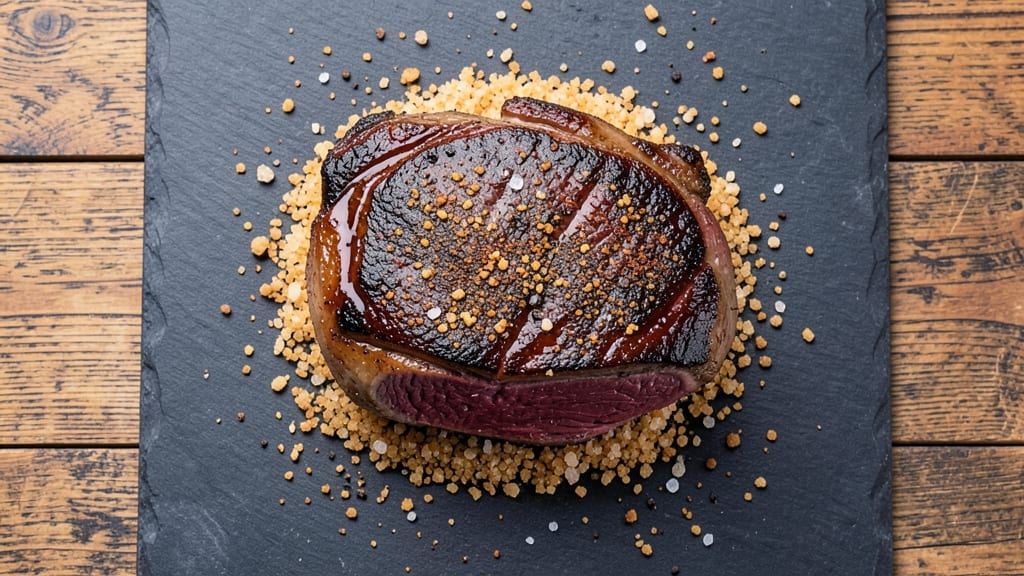
This beef chuck shoulder top blade steak recipe turns a tough cut into melt-in-your-mouth perfection with a smoky dry-rub crust and buttery tenderness at its core.
The key lies in slow cooking to break down connective tissue while preserving moisture, then finishing with a high-heat sear to lock in juices and create that coveted caramelized bark.
I’ve perfected this method over countless test runs, ensuring every bite offers that satisfying contrast of crispy exterior and velvety interior.
What sets this recipe apart is the balance of technique and simplicity. You’ll need just a few pantry staples—coarse salt, black pepper, smoked paprika, and brown sugar—to create the dry rub, plus time (about 4 hours) to let the meat work its magic in the oven.
The result is a steak that’s rich, flavorful, and far more approachable than its reputation suggests. No special equipment beyond a roasting pan and a meat thermometer is required, making this accessible for home cooks at any skill level.
By the time you pull this steak from the oven, you’ll have a restaurant-quality centerpiece that’s ready to impress. The exterior will be deep brown with a crackling crust, while the interior remains juicy and tender enough to slice with a fork.
Serve it sliced against a bed of roasted vegetables or with a simple side salad to let the beef shine. The smoky, slightly sweet rub enhances rather than overpowers the natural beef flavor, creating a harmonious balance that’s both satisfying and elegant.
This method works equally well for weeknight dinners or special occasions, and leftovers reheat beautifully for sandwiches or tacos the next day.
The secret to success lies in the slow cook, the precise temperature control, and that final sear—each step designed to ensure your chuck shoulder top blade steak reaches its full potential. Let’s get started on creating a steak that rivals the best cuts from the butcher’s case.
Ingredients for beef chuck shoulder top blade steak
Just four pounds of beef and a handful of pantry staples transform into restaurant-quality steak.
| Ingredient | Amount | Notes |
|---|---|---|
| Beef Chuck Shoulder Top Blade Steak 🥩 | 4 lb | Bone-in preferred for flavor |
| Coarse Kosher Salt 🧂 | 2 tbsp | Diamond Crystal preferred |
| Freshly Ground Black Pepper 🌶️ | 1 ½ tbsp | Cracked peppercorns preferred |
| Smoked Paprika 🌶️ | 1 ½ tbsp | High-quality for smoky depth |
| Light Brown Sugar 🍯 | 1 ½ tbsp | Packed for accurate measure |
| Garlic Powder 🧄 | 1 tbsp | Freshly ground preferred |
| Onion Powder 🧅 | 1 tbsp | For balanced sweetness |
| Unsalted Butter 🧈 | ½ cup | Cold for basting |
| Fresh Rosemary 🌿 | ½ cup | Chopped, stems removed |
| Fresh Thyme 🌿 | ¼ cup | Leaves only, chopped |
| Olive Oil 🫒 | 2 tbsp | High smoke point |
| Yellow Onion 🧅 | 1 whole | Sliced for roasting |
The beef cut is everything here. Chuck shoulder top blade delivers that perfect balance of connective tissue for slow cooking and marbling for flavor. Look for cuts with visible fat marbling—this is what makes it tender. Local butchers or high-end grocery stores like Whole Foods or Eataly often carry this specific cut, though some larger supermarkets stock it too. If you can't find it, chuck roast works as a substitute, though the texture will differ slightly. For best results, buy it 1-2 days ahead to let it sit at fridge temperature before cooking, which helps the rub adhere better.
No smoked paprika? Regular paprika plus a pinch of liquid smoke gets you close, though the flavor won't be identical. Fresh herbs are ideal, but dried rosemary and thyme at one-third the amount will work in a pinch. The brown sugar can be swapped for white sugar plus a dash of cinnamon if you're avoiding light brown. For the butter, European-style unsalted (like Plugrá) adds extra richness. The olive oil should be a high-quality, neutral variety—avoid infused oils here. If you're short on time, the onions can be omitted entirely, though they add wonderful depth to the pan juices.
This steak is best served immediately after cooking, but leftovers reheat beautifully. Wrap tightly in butcher paper or foil and refrigerate for up to 4 days, or freeze for 3 months for future meals. For sandwiches or tacos, slice against the grain and reheat in a skillet with a splash of beef broth. The dry rub keeps well in an airtight container for up to 6 months, so make extra for future steaks or rub other proteins like chicken or pork.
Why You'll Love This Recipe
- I’ll be real: most pulled beef dries out or gets boring. Not this. The 20-30 minute rest keeps it juicy, and the cold butter basting adds richness. Wrap the leftovers in butcher paper, and they’ll stay tender for up to 4 days—perfect for sandwiches or tacos the next night.
- One-Pan Magic: I swear by this recipe because it’s basically hands-off after the initial sear. The onions caramelize in the same skillet while the steak roasts—no extra dishes, no extra stress. Just flip, sear, and let the oven do the work while you sip something cold.
- Crust Meets Comfort: That smoky crust from the smoked paprika and light brown sugar? It’s the best of both worlds—crispy enough to satisfy your cravings but melts into the tender, buttery interior. Honestly, the first bite makes me close my eyes.
- Weeknight Crowd-Pleaser: Between us, this is my go-to for game day, family dinners, or when friends drop by unannounced. The rosemary and thyme give it a fancy vibe, but the garlic powder and onion powder keep it approachable. Everyone asks for seconds, and no one questions the budget.
Step-by-step instructions for smoky dry-rub beef chuck shoulder top blade steak
Here’s how to transform a tough cut into melt-in-your-mouth perfection with a deep, smoky crust.
Prepare the Dry Rub and Season the Steak
In a medium bowl, combine the 2 tbsp coarse kosher salt, 1.5 tbsp freshly ground black pepper, 1.5 tbsp smoked paprika, 1.5 tbsp light brown sugar, 1 tbsp garlic powder, and 1 tbsp onion powder. Mix thoroughly with your hands or a fork until the spices are evenly distributed and the sugar dissolves slightly into the salt.
Pat the 4 lb beef chuck shoulder top blade steak dry with paper towels—this is critical for the rub to adhere and for achieving that coveted crust. Generously coat all sides of the steak with the dry rub, pressing it firmly into the meat so it clings. Don’t skip this step; the flavor penetration and crust development depend on it. Place the steaked on a wire rack set over a baking sheet to allow air circulation on all sides.
Sear and Slice the Onion for Roasting
Heat 2 tbsp olive oil in a large oven-safe skillet over medium-high heat. Once shimmering, add the 1 whole yellow onion, sliced into ¼-inch rounds. Sear the onions for 8-10 minutes, stirring occasionally, until they turn deep golden brown and caramelized at the edges. Remove the onions and set them aside on a plate.
In the same skillet, add the 0.5 cup unsalted butter, allowing it to melt and foam. Carefully place the rubbed steak into the skillet, fat-side down. Press down gently on the steak during the first 2 minutes to ensure even contact with the pan—this prevents curling and ensures a consistent sear. Flip the steak and sear the other side for another 2 minutes. The butter should bubble and brown, creating a flavorful crust.
Roast with Aromatics for Maximum Tenderness
Preheat your oven to 325°F. Once the steak has developed a deep brown sear on both sides, transfer the skillet to the oven. Nestle the caramelized onions around the steak, then sprinkle 0.5 cup chopped fresh rosemary and 0.25 cup chopped fresh thyme over the top. The aromatics will infuse the meat as it roasts, adding layers of herbal depth.
Roast the steak for 2.5 to 3 hours, or until the internal temperature reaches 195-200°F at the thickest part. This low-and-slow approach breaks down the tough connective tissue, transforming the chuck into tender, fork-tender slices. Avoid opening the oven door during cooking—each time you do, you lose heat and moisture, extending the cooking time.
Rest and Slice for Juicy Perfection
Remove the steak from the oven and transfer it to a cutting board. Tent loosely with foil and let it rest for 20-30 minutes. This resting period is non-negotiable—it allows the juices to redistribute throughout the meat, ensuring every slice is moist and flavorful. The steak’s internal temperature will rise another 5-10°F during this time.
Slice the steak against the grain into ¼-inch thick slices. The grain runs diagonally across the blade, so cutting perpendicular to it shortens the muscle fibers, making each bite incredibly tender. Serve the slices with the caramelized onions and any accumulated pan juices spooned over the top. The result should be a steak with a deep, smoky crust, a buttery, tender interior, and a symphony of herbaceous and sweet-savory flavors.
Pro Tips For Making Beef Chuck Shoulder Top Blade Steak
- Press for Crust: The first 2 minutes with the steak in the pan aren’t just for searing—they’re for flattening. Press down hard with a spatula or your palm (yes, even if you’re impatient like me) to keep it from curling. I learned this the hard way when my chuck ended up with a raw, uneven center because the edges puffed up like a soufflé.
- Sugar First, Then Rub: Mix the light brown sugar into the salt and spices before adding the garlic or onion powder. This lets the sugar dissolve slightly, helping it stick to the meat instead of clumping. I used to add it last and ended up with a dry, gritty rub—now my crust stays cohesive and sweet.
- Caramelize Onions Early: Start searing the onions while your oven preheats. They’ll be done by the time you’re ready to sear the steak, and their deep golden color adds a caramelized sweetness that cuts through the smokiness. Skipping this step means you’re left with pale, bland slices—trust me, it’s worth the 10 minutes.
- Thyme Over Rosemary: Sprinkle the chopped thyme directly on the steak before adding rosemary. The thyme’s delicate leaves will cling better to the meat, infusing it with bright, herbal notes as it roasts. My grandmother swore by this, and she was right: the rosemary stays on top like a garnish if you don’t layer it properly.
Creative variations of this recipe
Smoky BBQ Twist
Swap out half the smoked paprika for ½ tbsp chipotle powder and add 1 tbsp brown sugar to the dry rub for a smoky-sweet BBQ-inspired flavor. After roasting, brush the steak with ¼ cup BBQ sauce (like Starkist BBQ Sauce) during the last 15 minutes of cooking.
Serve with pickled red onions and cornbread for a Southern-inspired feast. 🌶️
Herb-Infused Crust
Boost the herbal profile by adding 1 tbsp dried oregano and 1 tsp ground coriander to the dry rub. After roasting, sprinkle 2 tbsp chopped fresh parsley and 1 tbsp chopped fresh basil over the steak before slicing.
Pair with a lemon-herb roasted potato salad to complement the bright, aromatic flavors. 🌿
Spicy Coffee Rub
For a bold, caffeine-kissed variation, add 1 tbsp instant coffee powder and ½ tsp cayenne pepper to the dry rub. The coffee deepens the smoky flavor while the cayenne adds a subtle kick.
Serve with cooling yogurt sauce (mix ½ cup Greek yogurt, 1 tbsp lemon juice, and 1 tsp honey) to balance the heat. This version is a crowd-pleaser for spice lovers. 🔥
Rosemary-Garlic Butter Baste
After searing the steak, replace the 0.5 cup unsalted butter with a mix of 0.4 cup butter, 1 minced garlic clove, and 1 tbsp chopped fresh rosemary.
Baste the steak every 30 minutes during roasting for an extra layer of garlic-rosemary richness. Finish with a drizzle of garlic-infused olive oil before serving. 🧈
Sweet & Spicy Asian Fusion
Replace ½ tbsp smoked paprika with 1 tbsp gochugaru (Korean chili flakes) and add 1 tbsp honey to the rub. After roasting, glaze the steak with a mix of 2 tbsp soy sauce, 1 tbsp honey, and 1 tsp sesame oil during the last 10 minutes.
Serve with steamed jasmine rice and quick-pickled cucumbers for a fusion twist. 🌶️
Classic French-Inspired
Reduce the smoked paprika to 1 tsp and add 1 tsp dried thyme and ½ tsp black pepper to the rub. After roasting, deglaze the pan with ½ cup dry white wine (like Sauvignon Blanc) and reduce by half.
Spoon the wine reduction over the sliced steak before serving. Pair with buttery mashed potatoes and sautéed green beans for an elegant French bistro vibe. 🍷
Nutrition facts
Frequently asked questions
Why does this recipe use chuck shoulder top blade steak instead of a more tender cut?
The chuck shoulder top blade is perfect for this method because its connective tissue breaks down beautifully during the 2.5-3 hour low-and-slow roast, creating melt-in-your-mouth tenderness. Unlike pricier cuts, this steak delivers restaurant-quality results without the high price tag—plus, the bone-in version adds extra flavor as it roasts.
Can I cook this steak without a wire rack?
Yes, but expect slightly less crispy crust. Place the steak directly on a baking sheet and elevate it with a folded aluminum foil sheet or a metal cooling rack. This allows air circulation, which helps the dry rub form a better crust. If you skip elevation entirely, the bottom may steam instead of sear.
What if my steak doesn't reach 195-200°F internal temperature?
If your oven runs hot or cold, adjust the cooking time accordingly. Use a meat thermometer to monitor progress—195°F is ideal for fork-tender results, but 200°F works too. If it's not done after 3 hours, cover with foil and cook another 30 minutes at 325°F. The steak will still be delicious!
How do I know when to slice against the grain?
Look for the diagonal muscle fibers running across the steak. These appear as wavy lines when sliced raw. Cutting perpendicular to these lines (against the grain) shortens the fibers, making each bite more tender. If unsure, slice at a 45-degree angle to the fibers for a compromise.
Can I make this ahead of time for a dinner party?
Cook the steak up to 2 days ahead and refrigerate wrapped tightly in butcher paper. Reheat slices in a skillet with 2 tbsp beef broth for 2-3 minutes per side to restore juiciness. The flavors actually deepen overnight, making it perfect for stress-free entertaining.