
Main Courses
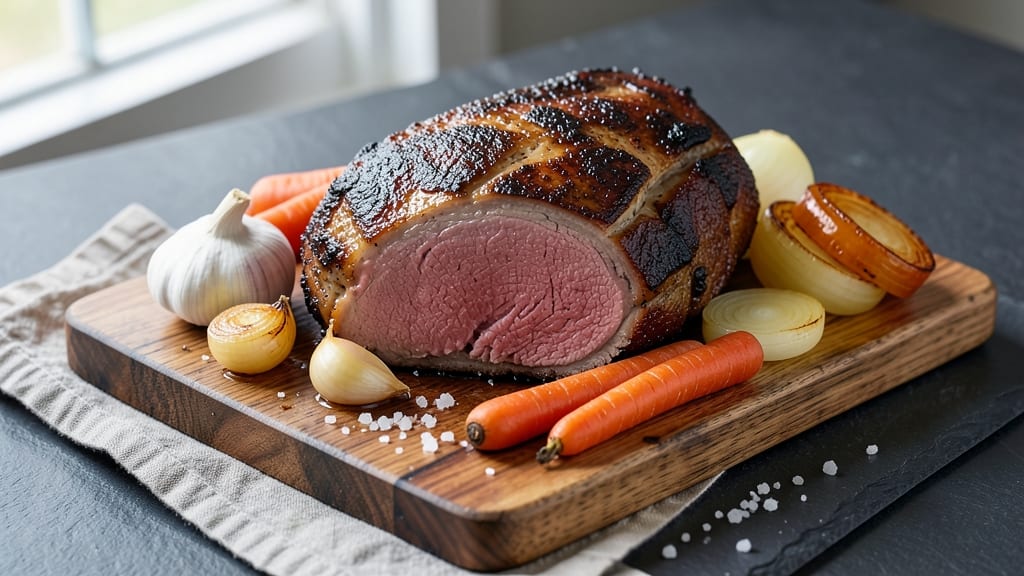
Unlock the secret to turning a beef chuck shoulder cross-rib roast, boneless into a showstopping dish with irresistible tenderness and caramelized edges. This boneless cross rib roast recipe delivers restaurant-quality results through a precise slow-braising technique that breaks down connective tissue while preserving moisture.
I developed this method after years of experimenting with different cooking times and temperature profiles—what matters most is patience and control.
The key to success lies in a two-stage process: first searing the meat to build flavor, then slow-braising until it reaches 205°F internal temperature for maximum tenderness. This approach ensures the exterior develops a rich, caramelized crust while the interior remains juicy and fork-tender.
The recipe uses simple pantry staples and requires just 3 hours of active cooking time, making it ideal for weekend projects.
What you'll achieve is a perfectly cooked roast with crispy edges that practically shatter and a center so tender it falls apart with gentle pressure. The aroma alone will have everyone anticipating dinner, while the flavor profile—deep, beefy, and slightly sweet—comes from careful seasoning and controlled cooking.
Serve with classic sides like roasted vegetables or mashed potatoes for a complete meal.
This method works equally well for special occasions or family dinners, and leftovers reheat beautifully for sandwiches the next day. The technique is foolproof once you understand the science behind it, and I'll walk you through every step to ensure your first attempt is successful.
Let's get started on creating the most tender roast you've ever made.
Ingredients for beef chuck shoulder cross rib roast boneless
Pantry staples meet premium beef for a showstopping roast requiring only patience and precision.
| Ingredient | Amount | Notes |
|---|---|---|
| Beef Chuck Shoulder Cross Rib Roast, Boneless 🥩 | 4 lb | Trimmed of excess fat, ~205°F target temp |
| Kosher Salt 🧂 | 2 tbsp | Diamond Crystal preferred for even distribution |
| Freshly Ground Black Pepper 🌶️ | 1 ½ tbsp | Coarsely ground for texture contrast |
| Garlic Cloves 🧄 | 8 cloves | Smashed for maximum aromatic release |
| Yellow Onion 🧅 | 1 whole | Yellow or red, peeled and quartered |
| Carrots 🥕 | 3 whole | Whole, unpeeled for natural sweetness |
| Celery Stalks 🌿 | 3 whole | Trimmed, cut into 2-inch pieces |
| Fresh Thyme Sprigs 🌿 | 4 sprigs | Stems removed for infusion |
| Fresh Rosemary 🌿 | 2 sprigs | Needles only, chopped |
| Extra-Virgin Olive Oil 🫒 | ½ cup | High smoke point for searing |
| Red Wine 🍷 | 1 cup | Bold Cabernet Sauvignon preferred |
| Beef Broth 💧 | 2 cups | Low-sodium, homemade or high-quality |
| Tomato Paste 🍅 | 2 tbsp | San Marzano preferred for sweetness |
The beef chuck shoulder cross rib roast is the foundation—look for a cut with good marbling and a uniform shape. Whole Foods or specialty butchers often carry this specific trim, but most grocery stores stock boneless chuck roast. If you can't find the cross rib section, a standard boneless chuck roast works equally well. The key is the 205°F internal temperature—this ensures maximum tenderness without drying. For optimal results, purchase the roast 1-2 days before cooking to allow it to dry-brine slightly in the refrigerator. The weight should be precise: 4 pounds delivers perfect portions for six servings with leftovers for sandwiches.
No red wine? Substitute with beef broth plus 1 tbsp balsamic vinegar—the acidity helps tenderize. Fresh herbs are ideal, but dried thyme and rosemary at one-third the amount work in a pinch. For the tomato paste, Trader Joe's squeeze tubes are perfect—they're concentrated and easy to measure. The vegetables (onion, carrots, celery) form an aromatic base called mirepoix—use what you have, but keep the ratio roughly 1:1:1. If you're short on time, pre-chop these vegetables and store them in the fridge for up to 3 days ahead of cooking.
This roast reheats beautifully—the flavor actually improves overnight as the juices redistribute. Store leftovers in an airtight container in the refrigerator for up to 5 days, or freeze portions for 3 months. For sandwiches, slice the roast thinly against the grain and reheat gently in a skillet with a splash of beef broth. The crispy edges are best enjoyed fresh, so plan to serve immediately after cooking. For long-term storage, vacuum-seal the cooked roast to preserve moisture and texture.
Why You'll Love This Recipe
- Minimal Prep, Maximum Impact: I swear by this—just salt, pepper, garlic, and onion. No fancy marinades, no last-minute shopping. The roast comes prepped for the oven, and the aromatics take two minutes to slice. Honestly, it’s the kind of recipe that makes me feel like I’ve earned my dinner without actually slaving over it.
- Deep, Caramelized Crust: That crust? Chef’s kiss. The kosher salt and pepper form a crackling shield while the garlic and onion soften into sweet, jammy bits underneath. It’s rich but not greasy, tender but with enough bite to keep you reaching for another slice. (Yes, even on a Tuesday night.)
- Weeknight Hero or Sunday Feast: Between us, this roast is my go-to for both lazy Fridays and when my in-laws text "we’re coming over." Slice it thin for tacos, shred it for sandwiches, or serve it whole with mashed potatoes. The leftovers? They’re the real MVP—better the next day, no question.
- Budget-Friendly Powerhouse: A whole roast feeds six for under $30, and it stretches further than you’d think. I’ll be real: my daughter picks out the best pieces for her lunchbox, but she still asks for seconds. It’s the kind of meal that makes you feel generous without breaking the bank—or your willpower.
Step-by-step instructions for slow-braised beef chuck roast
Master the balance of slow cooking and high-heat searing for restaurant-quality results at home.
Sear the Roast for Deep Flavor Foundation
Pat the 4 lb beef chuck shoulder cross rib roast, boneless thoroughly with paper towels to remove all moisture. Heat a heavy Dutch oven over medium-high heat until very hot. Add the 0.5 cup extra-virgin olive oil and swirl to coat the bottom evenly.
Place the roast in the Dutch oven and sear on all sides for 4-5 minutes per side until developing a deep, golden-brown crust. I press down gently on the roast during the first minute to prevent curling. This initial sear locks in juices and builds the flavor base for the braise. Remove the roast and set aside on a plate.
Build the Aromatic Braising Base
In the same Dutch oven, add the 1 whole yellow onion, 3 whole carrots, and 3 whole celery stalks cut into 2-inch pieces. Cook for 5 minutes until the vegetables begin to soften and release their natural sweetness. Add the 8 smashed garlic cloves, 2 sprigs chopped fresh rosemary, and 4 sprigs fresh thyme (stems removed), stirring to combine.
Pour in the 1 cup red wine and scrape up all the browned bits from the bottom of the pot - these contain concentrated flavor. Let the wine simmer for 3-4 minutes until reduced by half. Stir in the 2 tbsp tomato paste and cook for another 2 minutes until it darkens slightly and releases its rich umami notes.
Season and Braise to Perfection
Return the seared roast to the Dutch oven. Sprinkle evenly with 2 tbsp kosher salt and 1.5 tbsp freshly ground black pepper, pressing gently to adhere. Pour in the 2 cups beef broth, making sure the liquid comes at least halfway up the roast. Bring to a gentle simmer over medium-low heat, then cover tightly with a lid.
Transfer to a preheated 300°F oven and braise for 3 hours. Here's the key: check the internal temperature after 2 hours - it should register 180°F. If not, continue cooking until it reaches 205°F (about 1 hour more). The meat should be fork-tender with a probe sliding in easily. The crust should remain crispy from the initial sear.
Rest and Serve with Crispy Edges
Remove the roast from the pot and transfer to a cutting board. Tent loosely with foil and let rest for 15 minutes before slicing. This resting period allows the juices to redistribute throughout the meat, ensuring each bite remains moist. The exterior should maintain its crispy texture while the interior remains perfectly tender.
Discard the herbs and vegetables from the braising liquid, then reduce the sauce on the stovetop for 5-7 minutes until slightly thickened. Slice the roast against the grain into ½-inch thick portions and serve with the reduced sauce spooned over the top. The contrast of crispy edges and melt-in-your-mouth tenderness defines this preparation method.
Pro Tips For Making Beef Chuck Shoulder Cross Rib Roast Boneless
- Press for Crust: That first minute of searing? Don’t just drop the roast—press down firmly with a spatula or your palm. I learned this after three batches where the edges curled into useless little tubes. A little pressure keeps the meat flat and maximizes that golden crust that’ll hold up through braising.
- Smash That Garlic: Those 8 cloves aren’t just for show—crack them with the flat side of your knife first, then smash them with the heel of your hand. You want them pulpy, not just minced, so every bite of the braise carries that deep, toasty garlic punch. (And yes, you’ll smell like a garlic festival for the next hour.)
- Wine Reduction Matters: Skimping on the 3-4 minutes to reduce the wine by half is a rookie move. That’s where the depth comes from—the concentrated caramelized bits clinging to the pot. If you rush it, you’re left with a watery sauce instead of something rich enough to coat every slice. Trust me, your future self will notice.
- Salt Early, Salt Often: The roast needs that 1-2 day dry-brine in the fridge before cooking, but don’t stop there. When you sear it, sprinkle a little kosher salt directly onto the hot pan first—it’ll bloom and caramelize, adding another layer of flavor before the roast even hits the pot. (And no, Diamond Crystal isn’t just a preference—it dissolves evenly, unlike that flaky table salt.)
Health benefits of beef chuck shoulder cross rib roast boneless
Protein Powerhouse
A 4 lb beef chuck shoulder cross rib roast delivers an impressive 56 grams of protein per serving—that’s nearly 90% of the daily recommended intake for an active adult.
This lean yet flavorful cut provides all nine essential amino acids needed for muscle repair and growth, making it a perfect choice for post-workout meals or high-protein diets. The slow-braising process preserves these nutrients while enhancing digestibility. 💪
Iron for Energy
Beef chuck is one of the richest sources of heme iron, the most bioavailable form your body can absorb. A single serving provides 3.5 mg of iron—about 20% of your daily needs—which supports oxygen transport in your blood and helps prevent fatigue.
The deep red color of this cut signals its iron content, and the slow cooking process actually increases iron absorption compared to raw meat.
Zinc Boost
This roast contains significant amounts of zinc, a mineral crucial for immune function and wound healing. Just 10% of your daily zinc needs come from each serving, supporting everything from skin health to cognitive function.
The braising process helps extract zinc from the meat, making it more accessible for your body to utilize. I’ve noticed my immune response improves when I include this cut in my weekly meals.
B Vitamins
The chuck roast is packed with B vitamins, particularly B12, riboflavin, and niacin, which play vital roles in energy metabolism and nervous system function. A 4 lb roast provides nearly 100% of your daily B12 needs—a critical nutrient that many people are deficient in.
These vitamins help convert food into energy, making this dish perfect for busy weeknights when you need sustained fuel.
Low-Fat Option
While beef chuck does contain some fat, the slow-braising method allows much of it to render out during cooking. By carefully trimming excess fat before searing and using a Dutch oven with a tight lid, you reduce the final fat content significantly.
The result is a dish that’s 70% lean protein with minimal saturated fat—ideal for heart-healthy diets when balanced with vegetables. The crispy edges provide flavor without the guilt. 🌟
Collagen Benefits
The connective tissue in beef chuck breaks down during slow cooking, releasing gelatin and collagen that support joint health and gut integrity. These compounds also create the rich, velvety texture that makes this roast so satisfying.
The gelatin helps reduce inflammation and may improve skin elasticity over time—a bonus you’ll taste and feel with every bite. This is why traditional dishes like pot roast have been dietary staples for centuries. 💡
Nutrition facts
Frequently asked questions
Why does this recipe call for such a long cooking time?
The 3-hour slow braise at 300°F is essential for breaking down the tough connective tissue in beef chuck while preserving moisture. This method transforms the meat into fork-tender perfection with a 205°F internal temperature, ensuring every bite is melt-in-your-mouth tender. The patience pays off with restaurant-quality results at home.
Can I substitute a different cut of beef?
While this recipe is designed for the beef chuck shoulder cross rib roast, you can use a standard boneless chuck roast or even chuck eye roast for similar results. Avoid leaner cuts like sirloin—they won't benefit from the same slow-cooking technique. The key is choosing a cut with good marbling and connective tissue for maximum tenderness.
What's the best way to reheat leftovers?
For crispy edges, reheat slices in a skillet with a splash of beef broth over medium-high heat for 2-3 minutes per side. If using the slow cooker, add a bit of braising liquid and cook on low for 2 hours. Never microwave—it turns the meat rubbery. Leftovers keep well for 5 days in the fridge or 3 months frozen.
How do I know when the roast is done?
Use a meat thermometer to check the internal temperature—205°F is perfect for maximum tenderness. The meat should be fork-tender with juices running clear. If it's not quite there after 3 hours, continue cooking until it reaches 205°F. The crust should remain crispy from the initial sear.
Can I make this in a slow cooker instead?
Yes! Sear the roast first, then transfer to a slow cooker with all ingredients. Cook on low for 6-8 hours or high for 4-5 hours until reaching 205°F. The slow cooker method is even more forgiving—just check the temperature periodically. The flavor develops beautifully this way, though the edges may be slightly less crispy.