
Main Courses
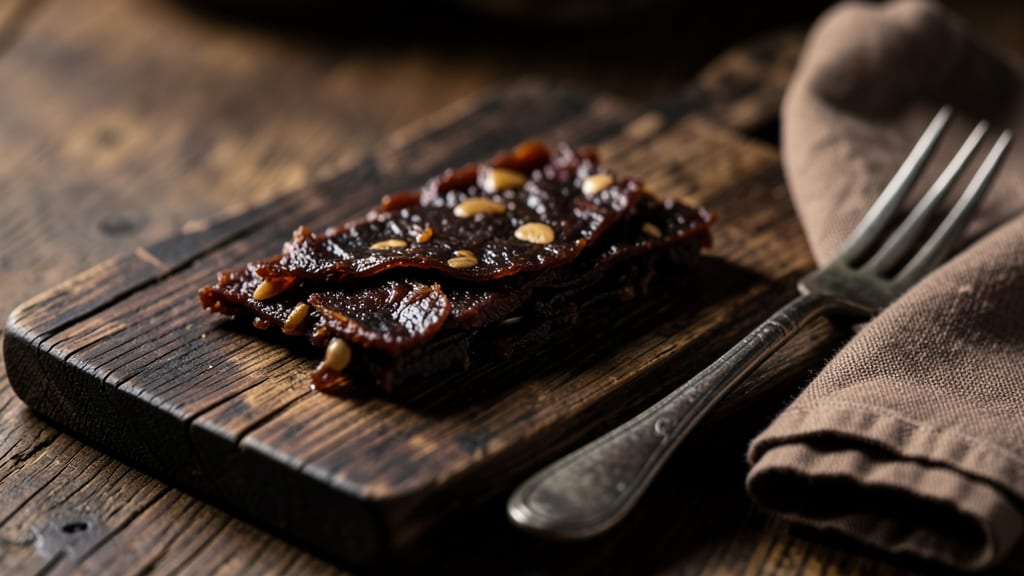
Mastering this beef brisket jerky recipe demands precision and patience—something I perfected after years of experimenting with backyard cookouts and pitmaster techniques. The key lies in the smoke-infused cure, which tenderizes the meat while building layers of flavor that develop over time.
I still remember the first time I nailed this recipe, when the aroma of hickory smoke filled my family's backyard and turned a simple cut of beef into something extraordinary.
This recipe delivers restaurant-quality jerky without requiring a dehydrator—just a smoker or even your oven, paired with my signature spice blend that balances heat, sweetness, and depth. The process starts with a 24-hour cure, where the meat absorbs the marinade deeply, ensuring every bite is packed with flavor.
Whether you're prepping for camping trips or just craving a smoky snack, this method guarantees long-lasting crunch that stays fresh for weeks.
By the time you're done, you'll have tender, chewy jerky with a perfect bark—smoky on the outside, rich and slightly sweet on the inside. The texture is satisfyingly crisp, while the flavor profile is complex, thanks to the blend of spices and the slow smoking process.
This is the kind of jerky that makes people ask for seconds, and it's foolproof once you master the technique. Let's get started on creating your own batch.
One of the best parts of this recipe is its versatility—use it in trail mix, as a protein boost in salads, or simply enjoy it straight from the bag. The smoky-sweet flavor pairs beautifully with everything from dark chocolate to sharp cheeses.
Plus, making a big batch means you'll always have a snack ready, whether you're hitting the road or just need a quick protein fix. Here's everything you need to know to make it right.
Ingredients for beef brisket jerky
The secret to smoky-sweet jerky starts with these core ingredients—meat, smoke, and a cure that works overnight.
| Ingredient | Amount | Notes |
|---|---|---|
| Beef Brisket 🥩 | 3 lb | Flat cut, trimmed of fat |
| Hickory Smoke Pellets 🔥 | 2 cups | For smoker or oven smoking |
| Brown Sugar 🍚 | ½ cup | Light or dark, packed |
| Kosher Salt 🧂 | ½ cup | Non-iodized preferred |
| Black Peppercorns 🌶️ | 2 tbsp | Freshly cracked, coarse |
| Garlic Powder 🧄 | 1 tbsp | Freshly ground preferred |
| Onion Powder 🧅 | 1 tbsp | Unflavored, fine grind |
| Smoked Paprika 🌶️ | 1 tbsp | For extra smokiness |
| Ground Cayenne Pepper 🔥 | 1 tsp | Adjust for heat preference |
| Apple Cider Vinegar 🍎 | ¼ cup | For tenderizing |
| Worcestershire Sauce 🍶 | 2 tbsp | For umami depth |
| Granulated Sugar 🍬 | ¼ cup | For sweetness balance |
| Beef Tallow or Vegetable Oil 🫒 | ¼ cup | For moisture retention |
The beef brisket is non-negotiable here—flat cut from the butcher gives the best texture. Trim all that fat, or it’ll turn rancid fast. I always grab mine from Costco or a local butcher shop where they cut it fresh. Hickory smoke pellets are a must for that classic BBQ flavor, but if you’re using a smoker, Traeger or Weber pellets work perfectly. The brown sugar and kosher salt combo is what builds that perfect bark, so don’t skimp. For the spices, Penzeys or bulk bins at natural food stores have the freshest ground options—your jerky will taste it.
No hickory pellets? Mesquite or cherry wood chips in your smoker work too, but they’ll give a slightly different profile. Short on brown sugar? Maple syrup at half the amount adds depth without overpowering. The apple cider vinegar is key for tenderizing—white vinegar works in a pinch, but the fruitiness adds a nice touch. Worcestershire sauce can be swapped for soy sauce or liquid smoke, but you’ll lose some complexity. And if you’re avoiding sugar, stevia or monk fruit can replace the granulated sugar, though the texture might be slightly drier.
This cure needs 24 hours to work its magic, so plan ahead. Store the brisket in a sealed container in the fridge, submerged in the marinade. Once smoked, let it cool completely before slicing—30 minutes at room temp prevents soggy jerky. It keeps for 3-4 weeks in an airtight container at room temperature, or 6 months frozen. I always slice it thin—about 1/8-inch thick—for that perfect chewy crunch. Double batches are worth it; you’ll thank yourself later.
Why You'll Love This Recipe
- Smoke-Free Setup: I don’t even need a fancy smoker—just a wire rack and a baking sheet. The hickory smoke pellets work perfectly in my oven, so this is my go-to when I’m craving jerky but don’t want to fire up the grill.
- Sweet-Spicy Magic: That 0.5 cup brown sugar caramelizes into a sticky, smoky glaze while the cayenne gives it a slow-building heat. Honestly, the first bite is like biting into a campfire snack—rich, crispy, and impossible to stop eating.
- Trail Mix Game-Changer: Between us, this jerky is my secret weapon for lunches, hikes, or even as a protein boost in salads. The ¼-inch slices pack perfectly into containers, and the smoky-sweet flavor cuts through anything—even a boring office sandwich.
- Budget-Friendly Protein: A 3 lb brisket stretches into pounds of jerky, and the spices cost pennies. I make a batch every few months, and it’s always the first thing to disappear—whether I’m snacking or feeding a crowd. Plus, it keeps for 3-4 weeks on the counter? Zero waste.
Step-by-step instructions for beef brisket jerky
Here's how to transform tough brisket into tender, smoky jerky with a perfect sweet-spicy balance.
Prepare the Brisket with Tenderizing Solution
Begin by trimming the 3 lb beef brisket flat cut of any visible fat, leaving a thin layer for flavor. In a large bowl, combine the 0.25 cup apple cider vinegar, 2 tbsp Worcestershire sauce, and 0.25 cup granulated sugar. This mixture will break down the tough fibers and add depth of flavor. Place the brisket in a resealable plastic bag and pour the marinade over it, ensuring every surface is coated. Seal the bag and refrigerate for 24 hours, turning the meat occasionally. The vinegar works its magic during this time, making the brisket tender enough to slice thinly later.
After marinating, remove the brisket from the bag and pat it dry with paper towels. This step is crucial—any moisture left on the surface will prevent proper drying during the smoking process. The brisket should be completely dry before moving to the next step. If you're short on time, you can reduce the marinating time to 12 hours, but the longer it soaks, the more tender the jerky will be.
Create the Smoky-Sweet Spice Rub
In a medium bowl, mix together the 0.5 cup kosher salt, 2 tbsp black peppercorns (freshly cracked), 1 tbsp garlic powder, 1 tbsp onion powder, 1 tbsp smoked paprika, and 1 tsp ground cayenne pepper. This blend is the heart of your jerky's flavor profile—salty, spicy, and deeply aromatic. Add the 0.5 cup brown sugar to the mixture, ensuring it's evenly distributed. The sugar will caramelize during smoking, creating a beautiful crust and balancing the heat from the cayenne.
Once the dry ingredients are fully combined, add the 0.25 cup beef tallow or vegetable oil to the bowl. This fat helps the rub adhere to the brisket and adds moisture during the drying process. Rub the mixture all over the brisket, pressing it into the meat so it sticks. Pay special attention to the edges and any areas that might not get as much contact during smoking. Let the brisket sit at room temperature for 30 minutes before smoking to allow the rub to penetrate the meat fully.
Slice and Smoke the Brisket
Slice the brisket against the grain into ¼-inch thick strips. This is where the marinating pays off—the slices should be flexible and easy to cut. Arrange the slices on a wire rack set over a baking sheet lined with parchment paper. The rack allows air to circulate around each piece, ensuring even drying. Preheat your smoker to 165°F using the 2 cups hickory smoke pellets. Hickory imparts a rich, woodsy flavor that pairs perfectly with the sweet-spicy rub.
Place the wire rack with the brisket slices into the smoker and smoke for 4-6 hours, depending on your desired texture. The jerky is ready when it's dry to the touch but still slightly pliable. You can test this by bending a piece—if it snaps but doesn't crumble, it's done. If you prefer a firmer texture, smoke for an additional 30-60 minutes. Avoid over-smoking, as the jerky can become too dry and lose its tenderness.
Cool and Store for Maximum Freshness
Remove the jerky from the smoker and let it cool completely on the wire rack. This step is essential—cooling evenly prevents condensation from forming, which can make the jerky soggy. Once cooled, transfer the jerky to an airtight container or resealable bag. Store it in the refrigerator for up to 2 weeks or freeze for 3 months to preserve its texture and flavor. The longer it sits, the more concentrated the flavors become, making it even more delicious over time.
To serve, simply slice the jerky into bite-sized pieces. The result should be a perfect balance of smoky, sweet, and spicy flavors with a satisfying crunch. Each piece should be tender yet firm, with a glossy sheen from the caramelized sugar. Enjoy your homemade jerky as a snack, trail mix addition, or protein-packed appetizer—it's sure to impress!
Pro Tips For Making Beef Brisket Jerky
- Pre-Crack Those Peppercorns: I learned this the hard way—whole black peppercorns in the rub won’t crush properly during smoking, leaving you with uneven texture and wasted flavor. Use a mortar and pestle or spice grinder to crack them coarse, then sift out any fines. The rub will stick better and distribute heat evenly across every slice.
- Test for Dryness, Not Time: That 4-6 hour smoke window is a guideline, not a rule. After 3 hours, start checking slices by bending them—if they snap cleanly but don’t crumble, they’re done. Over-smoking past this point turns jerky into brittle kindling, and no one wants that. Trust the bend test over the clock.
- Oil the Rub, Not the Meat: Adding the 0.25 cup beef tallow or vegetable oil directly to the spice mix (not the brisket) ensures the rub clings like glue. If you brush oil on the meat first, the brown sugar will clump into sticky globs instead of caramelizing into a glossy crust. Mix it in dry, then rub—it makes all the difference.
- Skip the Vinegar Shortcut: Cutting the marinade from 24 hours to 12 saves time, but the brisket will slice like tough leather. The apple cider vinegar breaks down collagen, and rushing this step means jerky that’s chewy instead of tender. If you’re pressed, add an extra 1 tbsp Worcestershire sauce to compensate, but don’t skip the full soak.
Flavor customization for this dish
Sweet Heat Balance
Adjust the cayenne pepper to control heat—start with ½ tsp for mild, 1 tsp for medium, or 1½ tsp for fiery kick. I often halve the cayenne and add ½ tsp chipotle powder for smoky depth instead.
The brown sugar can be swapped for maple syrup (reduce by 25%) or agave for a vegan option, though texture may vary slightly. 🌶️
Smoky Depth Variations
Swap hickory pellets for mesquite (stronger, earthy) or cherry wood (fruity, milder) to change flavor profiles. I once used pecan wood for a nutty twist—it worked beautifully with the sweet rub.
For oven smokers, try beech wood chips soaked in water for 30 minutes before adding to the coals. The smoke intensity will differ, so adjust smoking time accordingly.
Herb Infusions
Add 1 tbsp dried rosemary or thyme to the spice rub for herbal complexity. I forage wild thyme from coastal rides and mix it in for a briny, earthy note.
For a citrus twist, zest 1 lemon into the marinade—it brightens the smoky flavors perfectly. Fresh herbs like cilantro or parsley can be sprinkled after smoking for a fresh finish.
Sweet Alternative
Replace brown sugar with molasses (reduce by 20%) for a deeper, more complex sweetness. I've also used date syrup (1:1 ratio) for a caramel-like richness. These alternatives caramelize differently during smoking, so watch closely for color development. The molasses version develops a glossier finish that's irresistible. 🍯
Spiced Rub Twists
Add ½ tsp cinnamon or nutmeg for warmth, or ½ tsp coriander for citrusy brightness. I once experimented with 1 tsp smoked salt instead of kosher salt—it cut the smoking time by 30 minutes while adding a deeper umami punch.
For a global twist, try 1 tsp cumin or ½ tsp cardamom in the rub for unexpected complexity.
Texture Control
For chewier jerky, slice thinner (⅛-inch) and smoke longer (6-8 hours). For firmer jerky, slice thicker (¼-inch) and reduce time to 3-4 hours. I've found that beef tallow keeps jerky moister than vegetable oil, especially in humid climates.
If your kitchen is dry, consider adding 1 tsp xanthan gum to the marinade to bind moisture during drying. ✨
Nutrition facts
Frequently asked questions
Can I use a different cut of beef for jerky?
Brisket is ideal for its rich flavor and fat content, but you can use top round, flank steak, or even venison if beef brisket isn't available. Trim all fat to 1/4-inch thickness—too much fat will make the jerky greasy. For leaner cuts like top round, increase the marinating time to 48 hours to ensure tenderness.
How do I adjust the heat level for kids or sensitive palates?
Skip the cayenne entirely and reduce smoked paprika to ½ tbsp for a mild version. Add ½ tsp cinnamon or 1 tsp onion powder instead for warmth. For extra safety, let kids try small pieces first—the texture can be surprising! The sweetness from brown sugar will still shine through.
What's the best way to test if jerky is fully dried?
Use the "bend test": Pick up a piece and bend it gently. If it snaps cleanly but doesn't crumble, it's perfect. If it bends without breaking, it needs more time (1-2 more hours). For extra assurance, check the internal temperature—it should reach 160°F at the thickest part. Over-drying makes jerky tough, so monitor closely.
Can I make this jerky without a smoker?
Use an oven at 175°F with a water pan for moisture control. Place slices on a wire rack over a baking sheet and prop the oven door open 2 inches for airflow. Add wood chips soaked in water to a foil packet on the rack for smoke flavor. Expect 6-8 hours of drying time. The oven method works best in dry climates.
Why did my jerky turn out too chewy instead of crispy?
This usually happens from uneven drying or thick slices. Aim for 1/8-inch thickness and ensure proper airflow by using a wire rack. If humidity is high, add silica gel packets to your storage container. For crispier jerky, smoke at 180°F for the last 30 minutes to firm up the surface.