
Soups & Stews
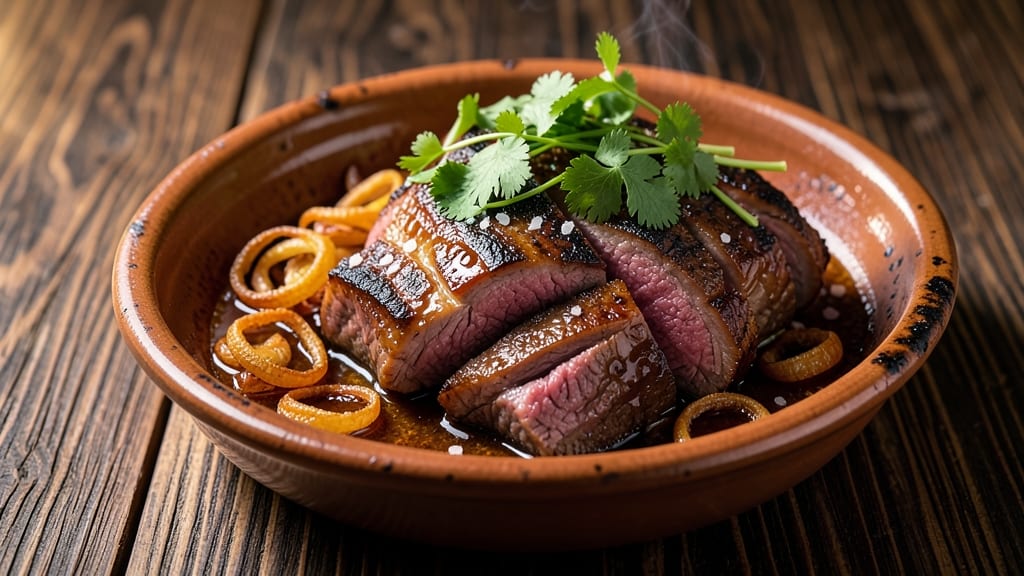
This beef balbacua recipe delivers melt-in-your-mouth tenderness with a rich, sweet-savory sauce that's been simmering for hours. 🌟 The secret lies in slow-cooking tough cuts of beef until they practically fall apart, transforming them into succulent bites that pair perfectly with steamed rice or garlic fried rice.
This Filipino classic is more than just a dish—it's a celebration of patience and flavor, where the right balance of soy sauce, vinegar, and spices creates a sauce that's both complex and comforting.
The magic begins with marinating the beef overnight in a blend of soy sauce, vinegar, and spices, which tenderizes the meat and infuses it with deep flavor. Then, it's slow-cooked until the beef is fork-tender and the sauce has thickened into a glossy, aromatic glaze.
The result is a dish that's hearty enough for a family dinner but elegant enough for a special occasion—all while staying true to its roots in Filipino comfort food.
What makes this recipe truly special is how the beef absorbs the sauce, becoming infused with its sweet, tangy, and slightly smoky notes. Each bite delivers layers of texture—tender beef, silky sauce, and just the right amount of heat from the spices.
The slow simmering process ensures the meat stays juicy, while the sauce reduces to a perfect consistency, coating every piece with rich, caramelized flavor.
Serve it with steamed rice to soak up every last drop of that delicious sauce, or pair it with atchara (pickled papaya) for a bright, tangy contrast.
This dish is perfect for gatherings, meal prep, or whenever you crave a meal that's both satisfying and full of heart. Let's get cooking!
Ingredients for beef balbacua
Six ingredients transform tough beef into melt-in-your-mouth balbacua—Filipino comfort at its finest.
| Ingredient | Amount | Notes |
|---|---|---|
| Beef Chuck Roast 🥩 | 3 lb | Cut into 2-inch cubes |
| Soy Sauce 🍶 | ½ cup | Use dark soy for color |
| Cane Vinegar 🍶 | ¼ cup | White or apple cider vinegar |
| Brown Sugar 🍚 | ½ cup | Packed lightly |
| Garlic Cloves 🧄 | 8 cloves | Crushed for marinade |
| Black Peppercorns 🌶️ | 1 tbsp | Crushed, not ground |
| Bay Leaves 🌿 | 2 whole | Fresh preferred |
| Ground Black Pepper 🌶️ | 1 tsp | Freshly ground |
| Onion 🧅 | 1 whole | Cut into chunks |
| Carrots 🥕 | 2 whole | Cut into thick slices |
| Water 💧 | 1 ½ cups | For simmering |
| Salt 🧂 | 1 ½ tsp | Adjust to taste |
| Cooking Oil 🫒 | 2 tbsp | For searing |
The beef is everything here. Chuck roast (not sirloin or ribeye) gives that signature tender pull-apart texture—it's the tough cut that becomes tender through slow cooking. Filipino markets often carry pre-cut balbacua beef, but if you're at a regular grocery store, ask the butcher for chuck roast. Look for good marbling—those little fat streaks melt during cooking and keep the meat juicy. I've used Costco's pre-cubed beef before, but it's pricier than buying a whole roast and cubing it yourself. For the soy sauce, Lee Kum Kee or Silver Swan brands give that authentic umami punch, but any good-quality soy sauce works in a pinch.
No cane vinegar? White vinegar or apple cider vinegar will do—just add a pinch of sugar to balance the sharpness. The brown sugar can be swapped for white sugar or coconut sugar, but brown gives that caramelized depth. Short on garlic? Garlic powder at half the amount works, but fresh is always better. The bay leaves might be hard to find fresh, but dried works too—just use half the quantity. For the carrots and onion, no need to be fancy—whatever's in the fridge works. If you're making this ahead, prep the marinade the night before and let the beef soak up those flavors overnight.
This dish tastes even better the next day as the flavors meld. Store leftovers in the fridge for up to 5 days, or freeze for 3 months—it reheats beautifully. I always make extra because it's perfect for meal prep. To reheat, just warm it on the stove with a splash of water to loosen the sauce. Serve with steamed rice to soak up that glorious sauce, and trust me, you'll want to make a double batch for leftovers.
Why You'll Love This Recipe
- One-Pot Magic: This recipe lives in a single pot—no chopping mountains of veggies, no fussy layers. Just sear the beef, toss in the soy, vinegar, and sugar, then simmer while you stir maybe twice. That’s it. The garlic cloves get crushed right in the pan, so you’re not even dicing.
- Sweet-Savory Balance: The cane vinegar cuts through the richness of the beef chuck like a knife, while the brown sugar caramelizes into a sticky, glossy finish. Honestly, the first time I tasted it, I thought, "Why didn’t I do this sooner?" It’s got that deep, umami punch but with a brightness that keeps it from being heavy.
- Weeknight Workhorse: I make this when I’m hosting last-minute guests or when my kids’ friends show up hungry. It’s hearty enough for a main but flexible enough to serve with rice, over noodles, or even in tacos. (Yes, even on a Tuesday night.) The leftovers? Better than takeout.
- Budget Stretch: A whole beef chuck roast feeds my family for days—this isn’t one of those recipes where you end up with scraps. The soy and vinegar are cheap staples, and the garlic adds flavor without cost. I’ll be real: it’s my go-to when I’m trying to make groceries last longer, and it never lets me down.
Step-by-step instructions for beef balbacua
This slow-cooked masterpiece transforms tough beef into melt-in-your-mouth goodness.
🔥 Step 1: Sear the Beef Cubes
Heat the 2 tablespoons cooking oil in a large Dutch oven over medium-high heat until shimmering. Working in batches, add the 3 lb beef chuck roast cut into 2-inch cubes and sear for 2-3 minutes per side until deep golden brown. You want that caramelized crust—it's packed with flavor.
Don't overcrowd the pan or the temperature will drop. If needed, work in two batches. Once all beef is browned, transfer it to a plate and set aside. Here's the thing—this searing step builds the foundation for that rich, savory sauce we're after.
👨🍳 Step 2: Build the Sweet-Savory Marinade
In the same Dutch oven, add the 1 whole onion cut into chunks and the 2 whole carrots cut into thick slices. Cook for 3-4 minutes until they begin to soften. Add the 8 cloves garlic cloves and cook for another 30 seconds until fragrant.
Now pour in the 0.5 cup soy sauce, 0.25 cup cane vinegar, and 0.5 cup brown sugar. Stir well to combine, scraping up any browned bits from the bottom of the pan. Add the 1 tbsp crushed black peppercorns, 2 whole bay leaves, and 1.5 tsp salt. This aromatic blend is what transforms tough beef into tender perfection.
🥘 Step 3: Combine and Simmer
Return the seared beef to the Dutch oven and pour in the 1.5 cups water. Stir gently to combine all ingredients. Bring the mixture to a boil over high heat, then immediately reduce to a low simmer. Cover with a tight-fitting lid and let it cook for 2.5-3 hours.
Here's where patience pays off. The beef needs time to break down and absorb all those beautiful flavors. I know it's tempting to peek, but every time you lift that lid, you're letting precious steam escape. Set a timer and let it work its magic undisturbed.
⏰ Step 4: Check for Tender Perfection
After 2.5 hours, carefully remove the lid and check the beef. It should be fork-tender—you should be able to easily pierce a piece with a fork and have it fall apart. If not, cover and continue simmering for another 30-60 minutes.
Real talk: Your oven might run hot, so start checking at the 2-hour mark if you're worried. The sauce should have thickened slightly and taken on a rich, caramelized color. If it's too thin, uncover and simmer for another 10-15 minutes to reduce it to your desired consistency.
🍽️ Step 5: Serve with Style
Once the beef is perfectly tender, remove the 2 bay leaves and discard them. Taste the sauce and adjust seasoning if needed—you might want to add a pinch more salt or a splash of vinegar to balance the flavors.
Serve the balbacua hot, either over steamed rice or with crusty bread to soak up that delicious sauce. Each bite should deliver tender beef with a perfect balance of sweet, savory, and tangy flavors. This dish tastes even better the next day, so make extra if you can—it's that good.
Pro Tips For Making Beef Balbacua
- Sear the Chuck First: I learned this the hard way—skipping the sear means flavor hiding in the sauce instead of clinging to the meat. Get that beef deep brown in a hot pan with oil before adding anything else; the crust locks in juices and turns the balbacua into something restaurant-worthy.
- Use Real Garlic, Not Powder: Sounds weird, but it works: minced fresh garlic cloves (not powder) caramelize into the sauce and add depth the jarred stuff can’t match. Smash 4-5 cloves with the flat side of your knife first—this releases more flavor without burning.
- Simmer Slow and Low: After the initial braise, resist the urge to crank the heat. Cover and let it bubble gently at 170°F (77°C) for at least 3 hours—this breaks down collagen without turning the sauce into glue. I used to rush it, and the meat stayed chewy.
- Balance the Vinegar Early: Add half the cane vinegar upfront, then taste as you go. Too much later? The sauce gets harsh. Too little? It’s bland. Start with ¼ cup, simmer 10 minutes, then adjust—this gives you control without overpowering the soy and sugar.
Common mistakes when making this dish
Skipping the Marinade
I've seen beginners skip marinating the beef overnight, thinking it's optional—but trust me, this step is non-negotiable. The acid from the vinegar and soy sauce breaks down the tough beef fibers, while the spices infuse deep flavor.
If you're short on time, at least let the beef soak in the marinade for 4-6 hours instead of overnight. The difference in tenderness and flavor is night and day. 💪
Overcrowding the Pot
Piling all the beef cubes into the Dutch oven at once is a common mistake that leads to uneven cooking. When you overcrowd, the beef steams instead of sears, and the temperature drops, preventing that crucial caramelization.
Work in batches—sear half the beef first, then set it aside while you finish the second batch. This ensures each piece gets that golden crust that builds flavor.
Peeking Too Often
I get it—you want to check if the beef is done. But every time you lift that lid during the 2.5-3 hour simmer, you're letting precious steam escape, which slows down the cooking process.
Set a timer and resist the urge to peek until you're ready to check for tenderness at the 2-hour mark. Patience here makes all the difference in the final texture.
Using the Wrong Cut
Some recipes suggest using tender cuts like sirloin or ribeye, but that's a big no-no for balbacua. You need a tough cut with connective tissue—chuck roast is perfect because it becomes fork-tender when slow-cooked.
If you accidentally grab a leaner cut, the beef will dry out instead of melting in your mouth. Ask your butcher for chuck roast if you're unsure—it's the secret to authentic balbacua.
Ignoring the Sauce Reduction
The sauce should coat the beef like a glossy glaze, not pool at the bottom of the pot. If it's too thin after simmering, uncover the pot and let it reduce on medium-low heat for 10-15 minutes.
Stir occasionally to prevent burning. A properly reduced sauce clings to the beef, delivering maximum flavor with every bite. Don’t rush this step—it’s what elevates balbacua from good to extraordinary. ✨
Skipping the Rest
After removing the balbacua from heat, let it rest for 10-15 minutes before serving. This allows the juices to redistribute throughout the beef, keeping each bite moist and flavorful.
I’ve seen people serve it immediately, and the results are always drier. Trust the process—resting is the final touch that ensures every forkful is perfect. 🍽️
Nutrition facts
Frequently asked questions
Can I make beef balbacua without a Dutch oven?
A Dutch oven is ideal, but you can use a heavy-bottomed pot or even a slow cooker! For stovetop pots, choose one with thick walls to maintain even heat. If using a slow cooker, transfer the seared beef and marinade directly into it, then cook on low for 6-7 hours or high for 4-5 hours with the lid slightly ajar for the last 30 minutes to thicken the sauce.
What's the best way to store leftover balbacua?
Store in an airtight container in the fridge for up to 5 days—it actually tastes better the next day as flavors deepen. For freezing, portion into meal-sized containers and freeze for 3 months. Thaw overnight in the fridge, then reheat gently on the stove with a splash of water to restore sauce consistency.
Can I substitute vinegar with something else?
Yes! Use white vinegar or apple cider vinegar in equal amounts, but add ½ teaspoon extra sugar to balance the sharpness. For a milder taste, try lemon juice (reduce by ¼ cup) or even pineapple juice (add ¼ cup), though this will slightly alter the traditional flavor profile.
Why does my balbacua sauce turn out too thin?
This usually happens when the sauce hasn't reduced enough. After simmering, uncover the pot and cook on medium-low heat for 10-15 minutes, stirring occasionally. For extra thickness, mix 1 teaspoon cornstarch with 1 tablespoon water, stir into the sauce, and simmer until it glistens like a glossy coating.
What sides pair best with beef balbacua?
Classic pairings include steamed white rice (essential for soaking up sauce) and atchara (Filipino pickled papaya) for tangy contrast. Other great options: garlic fried rice, sautéed string beans, or crusty bread to mop up every last drop of that rich sauce.