
Main Courses
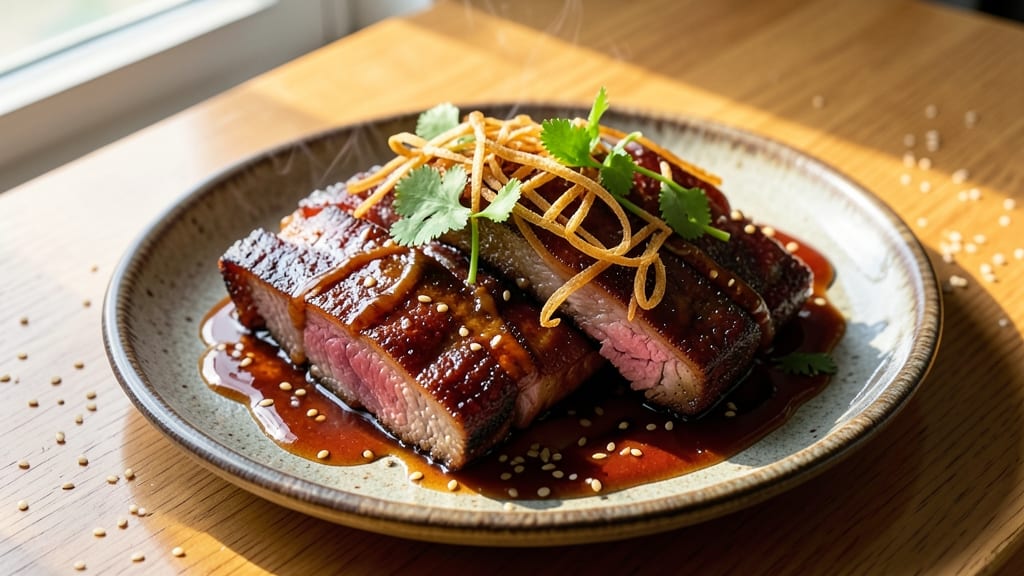
This Korean beef back ribs recipe delivers the restaurant-quality galbi you crave, with a sticky-sweet glaze that clings to every bone.
After years of perfecting the balance between smoky char and tender meat, I've developed a method that works in your home kitchen—whether you're using a grill, oven, or hybrid approach.
The secret lies in marinating the ribs overnight with traditional Korean flavors like soy sauce, sesame oil, and a touch of pear juice for natural sweetness.
What sets these ribs apart is the dual-cooking technique that creates that signature caramelized bark while keeping the meat incredibly tender. We start with a dry rub for initial flavor development, then baste with a homemade glaze that combines gochujang, brown sugar, and garlic.
This isn't just another BBQ recipe—it's a direct translation of Seoul's famous galbi style, adapted for modern home cooks. The result? Ribs so flavorful they'll disappear from your plate before dessert.
By the time you're done, you'll have ribs with deep red glaze clinging to every bone, tender enough to pull apart with your fingers, and a smoky-sweet aroma that fills your kitchen.
The marinade transforms tough back ribs into melt-in-your-mouth perfection, while the glaze adds that perfect balance of sweet, spicy, and umami. This is the kind of dish that turns weeknight dinners into special occasions—without requiring a trip to Korea.
Serve with steamed white rice, a side of kimchi, and quick-pickled vegetables for the full Korean banchan experience. The combination of textures and flavors makes this more than just a main course—it's a complete meal that feels like you've traveled to a bustling Seoul restaurant.
Let's get cooking—your taste buds are about to take a trip to Korea.
Ingredients for beef back ribs recipe korean
Four pounds of beef back ribs and a handful of Korean pantry staples transform into restaurant-worthy galbi.
| Ingredient | Amount | Notes |
|---|---|---|
| Beef Back Ribs 🥩 | 4 lb | Bone-in, meaty ends preferred |
| Soy Sauce 🥄 | ½ cup | Korean or Japanese preferred |
| Sesame Oil 🫒 | 2 tbsp | Toasted sesame oil for aroma |
| Pear Juice 🍐 | ¼ cup | Natural sweetener, not syrup |
| Gochujang 🌶️ | ¼ cup | Korean fermented chili paste |
| Brown Sugar 🍚 | ½ cup | Packed, dark variety |
| Garlic Cloves 🧄 | 6 cloves | Peeled, smashed for marinade |
| Ginger Root 🌿 | 1 tbsp | Freshly grated, aromatic |
| Rice Vinegar 🍶 | 2 tbsp | White or seasoned |
| Salt 🧂 | 1 ½ tbsp | Kosher or sea salt |
| Black Pepper 🌶️ | 1 tbsp | Freshly cracked |
| Sesame Seeds 🌱 | 1 tbsp | Toasted for garnish |
| Green Onion 🧅 | 4 whole | Thinly sliced, for garnish |
The ribs are everything here—look for meaty ends with good marbling. Costco or your butcher shop will have the best quality. If you can't find back ribs, spare ribs work in a pinch, but the flavor profile won't be identical. The pear juice might seem odd, but it's the secret to that authentic sweetness without overpowering the meat. Asian grocery stores usually carry it in the juice section, but any clear pear juice will do. For the gochujang, Maesil Gochujang is my go-to—it's sweeter and more complex than the basic red versions.
No sesame oil? Toasted peanut oil works in a bind, though it'll lack that nutty aroma. Running short on pear juice? Apple juice or white grape juice are decent swaps. The garlic and ginger can be pre-minced to save time, but fresh is always better if you've got it. For the brown sugar, coconut sugar or maple syrup add depth, though they'll change the texture slightly. The rice vinegar is non-negotiable—it balances the sweetness and adds brightness. If you're using a hybrid grill/oven method, keep the ribs bone-side down for the first hour to render fat properly.
Marinate the ribs overnight for maximum tenderness—24 hours is ideal. Store the marinade in a sealed container with the ribs in the fridge. The glaze can be made a day ahead and reheated gently. These ribs reheat beautifully—just cover them with foil and warm in the oven at 300°F for about 20 minutes. Leftovers keep for 3-4 days in the fridge, though they're so good they won't last that long. Freeze portions for up to 3 months if you're planning ahead.
Why You'll Love This Recipe
- One-Pan Magic: I swear by this for lazy nights—just toss the ribs in a marinade of soy, gochujang, and pear juice, then let the oven do the work. No flipping, no fuss, and the sesame oil finishes with a single drizzle while they rest.
- Sweet-Spicy Balance: That pear juice isn’t just for show—it cuts through the richness of the beef while the gochujang adds heat that lingers just enough to make every bite addictive. (Yes, I’ve been known to eat leftovers cold the next day.)
- Weeknight Crowd-Pleaser: Between us, this is my go-to for game days or when friends drop by unannounced. The ribs are tender enough for picky eaters but bold enough to impress meat lovers—no one ever asks what’s in the sauce.
- Budget-Friendly Feast: A full rack feeds four for under $20, and the leftovers? Even better the second day. I’ll be real: the pear juice makes them taste like a fancy restaurant, but the price tag stays humble. Win-win.
Step-by-step instructions for Korean beef back ribs
Ready to transform tough ribs into tender, glaze-drenched perfection? Here's how to make them fall-off-the-bone delicious.
Prepare the Ribs and Marinade
Start by removing the beef back ribs from the package and patting them dry with paper towels. This step is crucial—wet ribs won't absorb the marinade properly and will steam instead of sear. Place them in a large resealable plastic bag or a shallow dish.
In a medium bowl, whisk together the 0.5 cup soy sauce, 2 tbsp sesame oil, 0.25 cup pear juice, 0.25 cup gochujang, 0.5 cup brown sugar, 6 smashed garlic cloves, 1 tbsp grated ginger root, and 2 tbsp rice vinegar. Pour this marinade over the ribs, making sure they're fully coated. Add 1.5 tbsp salt and 1 tbsp black pepper, then seal the bag or cover the dish. Let the ribs marinate in the refrigerator for at least 4 hours, or overnight for deeper flavor.
Preheat and Sear the Ribs
Preheat your oven to 275°F. This low-and-slow temperature is key to breaking down the connective tissue in the ribs. While the oven heats, remove the ribs from the marinade (reserve the marinade for basting) and pat them dry again with paper towels. This ensures a good sear rather than a steamed exterior.
Heat a large oven-safe skillet or Dutch oven over medium-high heat. Add the ribs bone-side down and sear for 3-4 minutes until they develop a deep brown crust. Flip the ribs and sear the meaty side for another 2-3 minutes. Transfer the ribs to a plate and set aside.
Slow Cook and Baste
Pour the reserved marinade into the skillet, scraping up any browned bits from the bottom. Place the ribs back in the skillet, bone-side up, and transfer everything to the preheated oven. Cook for 2.5 hours, basting the ribs with the marinade every 30 minutes. This basting keeps the ribs moist and ensures that sweet, smoky glaze sticks to every bone.
After 2.5 hours, check the internal temperature of the ribs using a meat thermometer. They're done when they reach 195°F—this is the "probe-tender" stage where the collagen has fully broken down. If they're not quite there, continue cooking for another 30 minutes, basting once more.
Rest and Garnish
Once the ribs reach 195°F, remove them from the oven and transfer them to a cutting board. Let them rest for 10 minutes before serving. This resting period allows the juices to redistribute, ensuring each bite is moist and flavorful.
While the ribs rest, toast the 1 tbsp sesame seeds in a dry skillet over medium heat for 1-2 minutes until fragrant. Thinly slice the 4 whole green onion and set aside. To serve, drizzle any remaining marinade from the skillet over the ribs, sprinkle with the toasted sesame seeds, and garnish with the sliced green onion. Cut between the bones and serve immediately with steamed rice or your favorite sides.
Pro Tips For Making Beef Back Ribs Recipe Korean
- Trim the Fat First: Cut the thick silver skin off the ribs before cooking—it doesn’t render flavor, just gums up your sauce. Use kitchen shears for speed, and angle the blade to avoid nicking the meat. (I learned this the hard way when my first batch turned into a grease-sludge mess.)
- Marinate Overnight (No Excuses): Toss the ribs in half the sauce mix the night before—the pear juice and gochujang need time to tenderize. Cover and refrigerate; the acid works magic while you sleep. (Yes, even if you’re impatient like me.)
- Control the Heat: Start searing ribs over high heat until deeply browned, then immediately lower to medium-low. Too much heat too long = rubbery meat. A meat thermometer at 195°F (90°C) is your friend—probe the thickest part, not the bone.
- Reduce the Sauce Right: After cooking, simmer the sauce uncovered on the stovetop until it coats the back of a spoon. This concentrates the flavors—especially the sesame oil and soy—without burning. (I used to skip this and wondered why my sauce tasted watery.)
Serving suggestions for this beef back ribs recipe korean
Korean Banchan Trio
Serve these ribs with classic Korean banchan to complete the meal. Start with kimchi—I love the spicy, fermented crunch of Kimchi Queen brand from the Korean market.
Add quick-pickled radish (muulchi) for refreshing acidity: thinly slice 1 cup daikon radish and ½ cup Korean radish, then soak in ½ cup rice vinegar with 1 tbsp sugar and ½ tsp red pepper flakes for 30 minutes. 🥬
For a veggie-forward option, make spinach namul (blanched spinach) with garlic and sesame oil. Blanch 1 lb baby spinach for 30 seconds, drain, then toss with 1 tbsp minced garlic, 1 tbsp toasted sesame oil, and a pinch of salt.
This bright green side cuts through the richness of the ribs beautifully.
Rice Pairings
Steamed jasmine rice is the perfect neutral base for these ribs. Cook 2 cups of rice with 3 cups water and let it sit covered for 10 minutes after cooking—this steaming step makes it fluffier.
For extra flavor, try Korean short-grain rice (like Hominy brand), which has a slightly sticky texture that holds up well to the glaze.
For a fun twist, serve over rice bowls with extra marinade drizzled on top. Add ½ cup cooked rice to each bowl, top with ribs, and finish with a sprinkle of toasted sesame seeds and green onions. This makes cleanup easier and lets everyone customize their portion.
Drink Pairings
A crisp soju cocktail is my go-to drink pairing. Mix 2 oz Jinro soju with 4 oz sparkling water and a squeeze of lemon for a refreshing sipper. The clean finish balances the sweet-spicy ribs perfectly.
For non-alcoholic options, try yuja tea (citron tea) or barley tea—both are popular in Korea and complement the meal without overpowering the flavors. 🍶
If you're serving beer, opt for a light Korean lager like Hite or OB Golden Lager. The mild carbonation and subtle maltiness won't compete with the ribs' bold flavors. Avoid heavy IPAs or dark beers, as they can clash with the sweet glaze.
Plating Like a Pro
For a restaurant-style presentation, arrange the ribs on a large platter with the bones facing outward. Drizzle any remaining marinade from the skillet over the top, then sprinkle with toasted sesame seeds and green onions. Serve family-style so everyone can pull their own ribs apart—it's interactive and fun! 🍽️
For individual servings, place 2-3 ribs per person on a plate with a small pile of rice. Add a side of kimchi and pickled radish on the side, and finish with a sprinkle of sesame seeds.
This keeps the meal balanced and visually appealing while making it easy to serve at gatherings.
Nutrition facts
Frequently asked questions
Can I use spare ribs instead of beef back ribs?
While you can substitute spare ribs, they won't be identical. Back ribs have more meaty ends and a different bone structure that works better with this Korean-style glaze. If using spare ribs, increase the marinade by 20% to account for the larger surface area and trim excess fat to prevent flare-ups during searing. The texture will be slightly different but still delicious!
How do I adjust the heat level in this recipe?
The gochujang provides natural heat, but you can easily modify it. For milder ribs, reduce the gochujang to 2 tbsp and add 1 tbsp honey instead. For extra spicy, increase gochujang to ½ cup and add 1 tsp gochugaru (Korean red pepper flakes) to the marinade. Always taste the marinade before applying to avoid overwhelming heat.
What's the best way to reheat leftover ribs?
Leftover ribs reheat beautifully! Wrap them tightly in foil with a splash of water and bake at 300°F for 20-25 minutes. For extra moisture, brush with a mix of 1 tbsp soy sauce, 1 tsp sesame oil, and 1 tsp brown sugar before reheating. Avoid microwaving—it dries out the meat and ruins the glaze.
Can I make this recipe in a slow cooker?
Yes! After searing the ribs, transfer them to a slow cooker with the marinade and cook on Low for 6-7 hours or High for 3-4 hours. The ribs will be tender but may lack the caramelized bark. For best results, finish them in a hot skillet for 2-3 minutes per side to develop that restaurant-quality crust.
Why did my ribs turn out dry?
Dry ribs usually happen from overcooking or not basting enough. Always cook until the internal temperature reaches 195°F—this is the "probe-tender" stage where collagen breaks down. Baste every 30 minutes during cooking to keep moisture locked in. If your oven runs hot, reduce the temperature to 250°F and cook for 3-4 hours instead.