
Soups & Stews
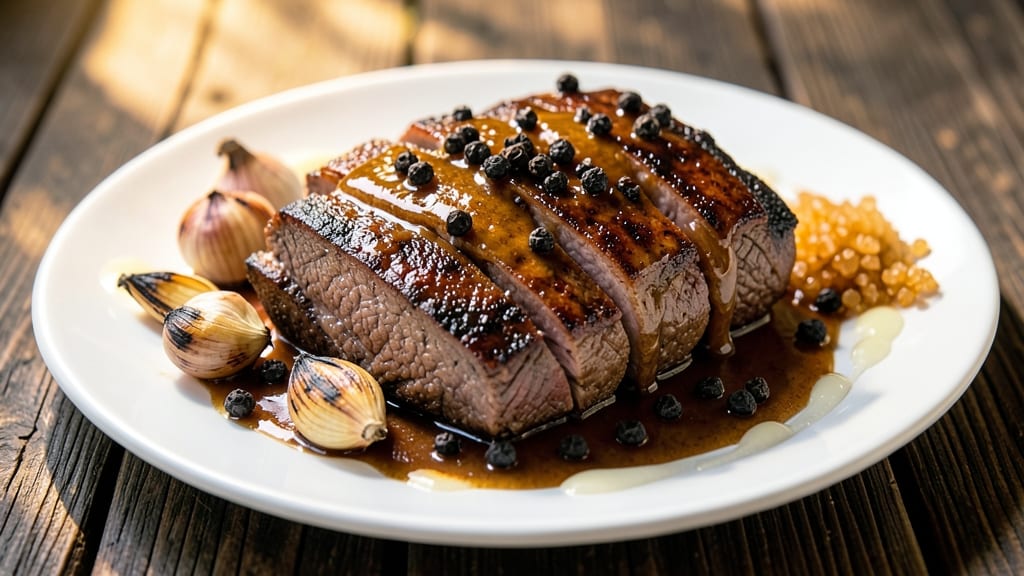
Beef Asado Pinoy recipe brings the smoky, caramelized essence of Filipino street food to your table—where tender beef meets a sticky-sweet soy-caramel glaze that's impossible to resist. This isn't your average grilled beef; it's a dish born from Filipino asado stalls, where charcoal heat transforms tough cuts into melt-in-your-mouth perfection. The secret lies in the marinade: a balance of soy sauce, brown sugar, and vinegar that develops deep umami flavors over time, while the final char from charcoal or high-heat searing creates that signature crust.
The beauty of this recipe is its versatility—you can grill it over charcoal for that authentic asado experience, or cook it in a cast-iron skillet on the stovetop if you're short on time.
The soy-caramel glaze isn't just sweet; it's savory and slightly tangy, with a hint of garlic and black pepper that cuts through the richness.
Serve it with steamed garlic rice and pickled vegetables (atchara) for the full Filipino spread, or enjoy it as a standalone centerpiece that'll have everyone asking for seconds.
What makes this dish special is how it transforms simple ingredients into something extraordinary. The beef becomes fork-tender, glazed with a sticky-sweet crust that's both caramelized and slightly charred, while the aromas of garlic, soy, and sugar fill your kitchen long before the meal is ready.
It's the kind of dish that feels like a celebration—whether you're hosting a family gathering or just craving a taste of home.
Ready to master this Filipino classic? The process is straightforward, but the result is anything but ordinary. Let's get started on creating beef asado that tastes like it came straight from a bustling Manila street corner.
Ingredients for beef asado pinoy
Six ingredients transform tough beef into melt-in-your-mouth Filipino grill magic.
| Ingredient | Amount | Notes |
|---|---|---|
| Beef Chuck Roast 🥩 | 3 lb | Cut into 1.5-inch cubes |
| Soy Sauce 🍶 | ½ cup | High-quality, preferably Filipino brand |
| Brown Sugar 🍚 | ½ cup | Packed, light or dark |
| White Vinegar 💧 | ¼ cup | For tangy depth |
| Garlic Cloves 🧄 | 8 cloves | Minced for marinade |
| Black Peppercorns 🌶️ | 1 tbsp | Freshly cracked |
| Olive Oil 🫒 | ¼ cup | For searing |
| Charcoal Briquettes 🔥 | 2 lbs | For authentic grill flavor |
| Bay Leaves 🌿 | 2 whole | For aromatic depth |
| Green Onions 🧅 | 3 whole | Sliced for garnish |
| Salt 🧂 | 1 ½ tsp | Kosher or sea salt |
| Ground Black Pepper 🌶️ | 1 tsp | Freshly ground |
| Garlic Powder 🧄 | 1 tsp | For extra flavor |
| Vegetable Oil 🫒 | ½ cup | For stovetop option |
The beef is everything here—chuck roast because it's got that perfect mix of fat and muscle for tender, juicy results. Grab it from the butcher section if possible; they'll cube it for you, which saves time. Costco or local Filipino markets often carry pre-cut beef asado pieces, but if you're buying a whole roast, ask for it to be cubed yourself. Look for good marbling—those white fat streaks are what keep the meat juicy during that long cook. If you can't find chuck, flank steak or sirloin work in a pinch, but they'll be leaner and need extra care not to overcook. The soy sauce? Filipino brands like Silver Swan or Datu Puti add that authentic depth, but any good-quality soy will do.
No charcoal grill? No problem. Cast-iron skillet on high heat mimics the sear perfectly—just watch it like a hawk. The vinegar might seem odd, but it's key for that tangy balance that cuts through the sweetness. Apple cider vinegar works too. Short on garlic? Garlic powder at double the amount gets you close. The brown sugar can be swapped for white sugar plus a pinch of cinnamon if you're avoiding caramelization. For the glaze, if you want it extra sticky, add 1 tbsp cornstarch mixed with 1 tbsp water to the marinade. And if you're making this ahead? Marinate the beef overnight—trust me, it's worth it.
Marinated beef keeps 3-4 days in the fridge, but the flavor gets better with time. For the glaze, make it fresh—it's just a quick simmer of the marinade leftovers. Freeze the glaze in ice cube trays if you want to make it ahead. Charcoal briquettes last weeks in a dry place, but once lit, they're good for about 2 hours of grilling. The cooked beef reheats beautifully—cast-iron skillet or oven at 300°F keeps it juicy. Portion it into containers with the glaze drizzled on top for easy lunches all week.
Why You'll Love This Recipe
- Minimal Chopping Required: I swear by this—just slice the beef into chunks, no fancy cuts needed. The garlic gets minced in 30 seconds, and the rest is toss-and-cook. My lazy Sundays just got a whole lot better.
- Sweet-Savory Magic: That soy-vinegar-brownie mix? It’s the secret weapon. The brown sugar caramelizes into a glossy glaze while the vinegar keeps it bright, and the garlic? Oh, it’s there—like a little flavor hug in every bite.
- Leftovers That Beg for More: This recipe makes enough for tonight and tomorrow’s lunch. Honestly, I’ve reheated slices straight from the fridge and they still taste like a restaurant dish. (Yes, even on a Tuesday night.)
- Budget-Friendly Feast: A chuck roast stretches further than you’d think, and the pantry staples won’t break the bank. Between us, this is how I feed my family hearty meals without the grocery shock. The kids don’t even question it.
Step-by-step instructions for beef asado pinoy recipe
Master this iconic Filipino grill dish with a perfect balance of smoky char and sweet-savory glaze.
👨🍳 Step 1: Prepare the Marinade and Cut the Beef
In a large bowl, combine the 0.5 cup soy sauce, 0.5 cup packed brown sugar, 0.25 cup white vinegar, 8 minced garlic cloves, 1 tbsp freshly cracked black peppercorns, 1.5 tsp salt, 1 tsp ground black pepper, and 1 tsp garlic powder. Mix well until the brown sugar dissolves completely. Cut the 3 lb beef chuck roast into 1.5-inch cubes and add them to the marinade.
Use your hands to coat each beef piece thoroughly with the marinade, pressing it into the meat so it absorbs fully. Cover the bowl and refrigerate for at least 4 hours (overnight is best). This marinating time ensures tender, flavorful beef with that signature Filipino depth. Don't skip this step—it makes all the difference in the final texture and taste.
🔥 Step 2: Set Up Your Grill or Stovetop
For authentic charcoal grill flavor, arrange the 2 lbs charcoal briquettes in a chimney starter and light them. Once they're covered with white ash (about 15-20 minutes), spread them evenly in your grill. Place the 2 whole bay leaves directly on the hot coals to infuse the smoke with their aromatic flavor.
If you're using the stovetop option, heat 0.5 cup vegetable oil in a large skillet over medium-high heat until shimmering. The oil should be hot enough to sizzle when you add the beef, but not smoking. For either method, preheat for 5 minutes to ensure proper searing. This high heat is crucial for developing that beautiful charred exterior we love in asado.
🍳 Step 3: Cook the Beef to Perfect Doneness
Working in batches if needed, add the marinated beef to the hot grill or skillet. Cook for 4-5 minutes per side until you see deep brown char marks forming. For the grill, maintain medium heat—too hot will burn the outside before the inside cooks through. For the stovetop, resist the urge to move the beef around; let it develop a crust undisturbed.
After searing, reduce heat to medium and continue cooking for an additional 8-10 minutes, turning occasionally, until the internal temperature reaches 160°F for medium-rare (or 170°F for medium). You'll know it's done when the beef releases easily from the grill grates or skillet and the edges are nicely charred. This two-stage cooking method gives you that perfect balance of smoky exterior and tender interior.
🥘 Step 4: Create the Caramel Glaze
While the beef rests, place the same skillet or grill grate over medium heat (no additional oil needed). Add the 0.25 cup olive oil and let it heat until just smoking. Quickly add the beef pieces along with any accumulated juices from the marinade and searing process. Cook for 2-3 minutes, stirring constantly, until the juices reduce and form a glossy glaze.
The residual marinade and beef juices will caramelize in the hot oil, creating that signature sticky glaze that makes asado so irresistible. This step transforms your simple seared beef into the restaurant-quality dish you're aiming for. Watch carefully—you want the glaze to thicken just enough to coat the beef without burning.
🍽️ Step 5: Finish and Serve
Transfer the glazed beef to a serving platter and let it rest for 5 minutes. This brief resting period allows the juices to redistribute throughout the meat, ensuring each bite is moist and flavorful. Garnish with 3 sliced green onions and serve immediately with steamed rice or your favorite Filipino sides.
The beef should have beautiful char marks from the grill or skillet, a glossy caramel glaze, and be tender enough to pull apart with a fork. Each bite should deliver that perfect combination of smoky, sweet, and savory flavors that make this dish a Filipino classic. Serve while hot for the ultimate experience—this asado doesn't wait!
Pro Tips For Making Beef Asado Pinoy
- SEAR THE CHUCK FIRST: Hit that beef chuck with a screaming-hot pan for 3-4 minutes per side before adding any sauce—this locks in juices and builds flavor. I learned this the hard way when my first batch turned out soggy; the crust is non-negotiable for asado.
- MINCE GARLIC LIKE IT’S 1995: No food processor—use a knife and chop those garlic cloves into a paste. The texture blends better into the sauce and adds depth. (Yes, it takes 10 minutes, but your taste buds will notice.)
- SKIP THE BOILING VINEGAR: Adding white vinegar straight to the pan can make the sauce taste harsh. Instead, mix it with the soy and brown sugar first, then simmer for 2 minutes to mellow the acid. Trust me, your sauce won’t taste like a science experiment.
- BASTE WITH THE SAUCE: Every 10 minutes of cooking, spoon that garlic-soy glaze over the beef—don’t just let it pool at the bottom. The caramelized bits stick to the meat, making each bite richer. (Lazy? Use a basting brush.)
Flavor customization for these flavors
Sweet Heat Twist
Add 1 tbsp chili flakes or 1-2 tbsp sriracha to the marinade for a spicy kick. Balance it with an extra ½ cup brown sugar to keep the sweetness intact.
For extra heat, brush the cooked beef with 1 tbsp gochujang (Korean chili paste) mixed with 1 tbsp honey before serving. This adds a smoky-spicy depth that pairs perfectly with the caramelized crust. 🌶️
Citrus Zing
Brighten the dish with 1 tbsp calamansi or lime juice in the marinade, plus 1 tsp grated calamansi zest (or lime zest). The acidity cuts through the richness, adding a refreshing contrast.
Finish with a garnish of thinly sliced calamansi wheels or lime wedges for a pop of color and tang. This works especially well if you prefer a lighter glaze.
Umami Boost
Deepens the savory profile by adding 1 tbsp fish sauce (like Red Boat) or 1 tbsp soy sauce reduction to the marinade. For extra richness, stir 1 tbsp oyster sauce into the glaze before brushing it on the beef.
This adds a luxurious depth that’s especially popular in Filipino-American versions. Soy sauce reduction: Simmer ½ cup soy sauce until reduced by half.
Herb Infusion
Add 1 tbsp chopped fresh cilantro or 1 tbsp chopped Thai basil to the marinade for a fragrant twist. For a more robust herb profile, include 1 tbsp chopped lemongrass (bruised) or 1 tsp dried oregano.
Garnish with extra fresh herbs before serving to elevate the dish with bright, aromatic notes. This works beautifully with the citrus zing variation.
Smoky Depth
For a deeper smoky flavor without charcoal, add 1 tsp smoked paprika or ½ tsp liquid smoke to the marinade. Use sparingly—liquid smoke is potent! For a grilled effect on the stovetop, sear the beef over a gas flame for 1-2 minutes per side** after initial cooking to create char marks.
This mimics the authentic asado experience even without a grill. 🔥
Creamy Finish
For a modern twist, finish the cooked beef with a drizzle of 2 tbsp coconut cream mixed with 1 tsp honey. This adds a velvety texture that contrasts with the caramelized crust.
Garnish with toasted coconut flakes for a tropical touch. This variation is perfect for those who enjoy a balance of sweet, savory, and creamy flavors.
Nutrition facts
Frequently asked questions
Can I use flank steak instead of beef chuck roast?
Yes, but with caution! Flank steak is leaner, so it'll cook faster and may dry out if overcooked. Cut it into 1-inch cubes (smaller than the recipe's 1.5-inch) and reduce cooking time by 2-3 minutes per side. Marinate for 6-8 hours instead of 4 to ensure tenderness. For extra moisture, add 1 tbsp coconut milk to the marinade.
How do I get that authentic asado char without a grill?
Use a cast-iron skillet on high heat for the sear, then finish under a broiler for 2-3 minutes to create grill-like char marks. For stovetop-only cooking, sear over a gas flame for 1-2 minutes per side after initial cooking. A grill pan with its ridges also works perfectly to mimic grill lines!
What's the best way to reheat leftover asado?
Reheat in a cast-iron skillet over medium heat for 3-4 minutes with a splash of water to keep it moist. For oven reheating, cover with foil and bake at 300°F for 10-12 minutes. Avoid microwaving—it makes the glaze rubbery. Pro tip: Reheat just before serving to maintain that restaurant-quality texture.
Can I make this asado in an electric oven?
Preheat your oven to 450°F and place the marinated beef on a wire rack over a baking sheet. Roast for 15 minutes to sear, then reduce heat to 300°F and cook for 10-12 minutes more. For the glaze, transfer the beef to a skillet and cook as directed. The oven method works best for larger batches or when grilling isn't an option.
Why did my glaze turn out too thin?
This usually happens when the juices didn't reduce enough. For next time, simmer the beef juices longer (3-4 minutes instead of 2-3) or add 1 tsp cornstarch mixed with 1 tbsp water to thicken. If it's already too thin, spread the beef on a wire rack and broil for 1-2 minutes to caramelize the surface. The glaze should coat the back of a spoon.