
Soups & Stews
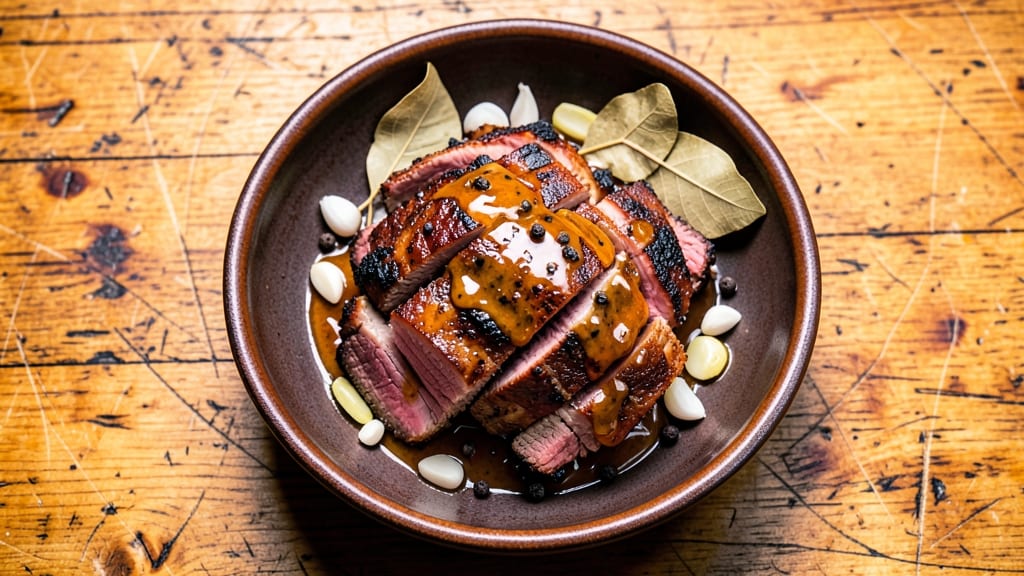
This Kapampangan beef asado recipe transforms tough cuts into melt-in-your-mouth tenderness through slow roasting and a signature tangy vinegar marinade. The traditional Filipino method relies on high heat and aromatic spices that create a caramelized crust while keeping the interior juicy.
What makes this dish special is its balance of smoky grill flavors and bright vinegar notes that cut through the richness.
The preparation begins with marinating beef chunks in a blend of vinegar, garlic, ginger, and local spices for at least 4 hours, allowing the flavors to penetrate deeply. The cooking process involves slow roasting over charcoal or wood fire, which develops complex smoky notes while rendering fat for extra juiciness.
This method preserves the beef's natural flavors while creating that signature bark that Kapampangan asado is known for.
What you'll end up with is perfectly tender beef with a caramelized exterior and juicy interior, all infused with the bright, tangy flavors of the Kapampangan marinade. The aroma alone will transport you to the streets of Tarlac, where this dish is a local favorite.
Each bite delivers a perfect balance of smoky, savory, and slightly tangy notes that make this more than just a meal—it's an experience.
Serve this traditional Kapampangan beef asado with steamed rice and a side of atchara (pickled papaya) to complement its rich flavors. The recipe's simplicity and bold flavors make it perfect for family gatherings or special occasions where you want to showcase authentic Filipino cuisine.
Let's get started on creating this restaurant-quality dish at home.
Ingredients for beef asado kapampangan
Nine aromatic spices plus vinegar and garlic create the signature Kapampangan asado flavor profile.
| Ingredient | Amount | Notes |
|---|---|---|
| Beef Chuck Roast 🥩 | 2 ½ lb | Cut into 2-inch chunks |
| White Vinegar 💧 | 1 cup | Distilled preferred |
| Garlic Cloves 🧄 | 8 cloves | Minced finely |
| Fresh Ginger 🌿 | ½ cup | Grated finely |
| Bay Leaves 🍃 | 2 whole | Dried, crumbled |
| Black Peppercorns 🌶️ | 1 tbsp | Crushed coarsely |
| Ground Cumin 🌿 | 1 tbsp | Toasted for depth |
| Ground Coriander 🌶️ | 1 tbsp | Freshly ground |
| Olive Oil 🫒 | ½ cup | Extra-virgin for richness |
| Salt 🧂 | 1 ½ tsp | Kosher or sea salt |
| Charcoal or Wood Chunks 🔥 | 2 lb | Hardwood preferred |
| Lemon Juice 🍋 | ¼ cup | Freshly squeezed |
| Green Onions 🧅 | ¼ cup | Sliced thin for garnish |
The beef cut matters most here—chuck roast delivers that signature tender texture when slow-roasted. Look for well-marbled pieces at your local butcher shop or the meat department of Whole Foods or Costco. If using pre-cut beef chunks, aim for 2-inch pieces to ensure even cooking. The vinegar is non-negotiable—distilled white vinegar gives that signature tang, but cane vinegar (available at Asian markets) adds an authentic sweetness. For the spices, toast the whole cumin and coriander seeds in a dry pan for 30 seconds before grinding to deepen their flavor—trust me on this.
No cane vinegar? Apple cider vinegar works in a pinch, though it'll be slightly sweeter. Running short on garlic? Garlic powder at half the amount gets you close, but fresh is ideal. The ginger should be freshly grated—pre-grated ginger from jars lacks the punch. For the charcoal, binchotan or hardwood chunks are traditional, but charcoal briquettes work if you're grilling indoors. If your recipe calls for bay leaves, make sure they're dried and crumbled—whole leaves can be too strong. The olive oil should be extra-virgin for that fruity richness that carries the smoky flavors beautifully. Preferring a milder taste? Swap the black peppercorns for white peppercorns at the same amount.
Marinate the beef for at least 4 hours, but overnight is ideal—this is where the magic happens. Store the marinade in a sealed container in the fridge. Once cooked, the beef reheats beautifully—350°F for 10-15 minutes in the oven keeps it juicy. The leftovers keep for 3-4 days in the fridge or 3 months in the freezer. For serving, I always slice against the grain and garnish with fresh green onions—it adds a pop of color and freshness that balances the smoky richness. The aroma alone will have everyone at the table asking what's for dinner.
Why You'll Love This Recipe
- One-Pot Magic: The vinegar and ginger marinade does most of the work while you sip coffee. Chuck it in a pot, simmer, and walk away—no fancy techniques needed.
- Tangy-Sweet Payoff: That white vinegar cut? It tenderizes the beef and balances the garlic-ginger punch for a flavor so bold it’ll make your taste buds sit up. (Yes, even on a Tuesday night.)
- Leftover Goldmine: Shred it once, then reheat in rice, wraps, or sandwiches for days. Honestly, I’ve had it cold in a salad—still delicious, but don’t tell my family.
- Budget Feast: A big roast stretches for a crowd, and the pantry staples (vinegar, bay leaves) won’t break the bank. My go-to for potlucks when I’m the "I’ll bring the main" friend.
Step-by-step instructions for beef asado Kapampangan
Master this Kapampangan technique for melt-in-your-mouth beef with a perfect balance of smoky char and tangy brightness.
Prepare the Beef Marinade
In a large bowl, combine the 1 cup white vinegar, 0.5 cup fresh ginger, 8 cloves minced garlic cloves, 1 tbsp crushed black peppercorns, 1 tbsp toasted ground cumin, 1 tbsp freshly ground coriander, 1.5 tsp salt, and 0.25 cup lemon juice. Mix thoroughly until all spices are fully dissolved and the marinade has a vibrant, aromatic consistency.
Add the 2.5 lb beef chuck roast, cut into 2-inch chunks, and coat each piece completely in the marinade. Place the bowl in the refrigerator and marinate for at least 4 hours, or preferably overnight. This extended marination ensures maximum tenderness and allows the vinegar's acidity to break down the tough beef fibers while infusing it with deep, complex flavors.
Set Up the Grill
Prepare your grill for indirect heat cooking. Arrange the 2 lb charcoal or wood chunks on one side of the grill, creating a two-zone heat source. Allow the charcoal to burn until it's covered with a thick layer of white ash, which indicates it's ready for cooking. This setup ensures you can control the temperature and maintain the smoky flavor throughout the cooking process.
Place a drip pan filled with water on the cooler side of the grill to help regulate the temperature and add moisture to the cooking environment. Preheat the grill to a temperature of 300°F, which is ideal for slow cooking the beef without burning the marinade or creating a tough exterior.
Grill the Beef
Remove the beef from the marinade, allowing any excess to drip off, and place the chunks on the grill. Position them on the cooler side of the grill, away from direct heat. Close the lid and cook the beef for 2 to 2.5 hours, or until the internal temperature reaches 195°F and the meat is fork-tender. This slow cooking process ensures the beef becomes incredibly tender and juicy.
Every 30 minutes, rotate the beef and baste it with its own marinade to keep it moist and enhance the flavor. You'll notice the marinade caramelizing slightly as it cooks, creating a glossy, aromatic crust on the beef. This is a key indicator that the flavors are melding beautifully.
Finish and Serve
Once the beef reaches the desired internal temperature, transfer it to a serving platter. Garnish with 0.25 cup sliced green onions for a fresh, vibrant finish. The green onions not only add a pop of color but also provide a mild oniony flavor that complements the rich, smoky beef.
Allow the beef to rest for 10 minutes before serving. This resting period is crucial as it allows the juices to redistribute throughout the meat, ensuring each bite is moist and flavorful. Serve the beef hot, accompanied by steamed rice and a simple green salad to balance the rich, smoky flavors of the dish.
Pro Tips For Making Beef Asado Kapampangan
- Sear the Chuck First: The vinegar marinade does its job, but don’t skip browning that roast—high heat for 3-4 minutes per side builds flavor that soaks into the meat later. I used to rush this, and the final dish always tasted flat; patience here makes a real difference.
- Slice Ginger Thinly: Peeling and grating ginger works, but thinly sliced pieces (about 1/8-inch thick) infuse faster and don’t turn to mush in the braise. Sounds like extra work, but it dissolves cleanly into the sauce—no scraping later.
- Check Internal Temp Early: Pull the meat at 190°F (88°C) for fork-tender results, then let it rest 15 minutes before slicing—this is non-negotiable. I learned this the hard way when I cut too soon and ended up with dry slices.
- Use Double Vinegar: The recipe might call for 1/2 cup, but double it (1 cup) for that signature tangy depth Kapampangan asado needs. Yes, it’s bold, but the balance with garlic and ginger makes it sing—trust the process.
Essential equipment for this dish
Charcoal Grill Setup
For authentic Kapampangan flavor, hardwood charcoal or binchotan is essential—they burn hotter and produce less ash than briquettes. I recommend Weber Original Kettle Charcoal for its consistent performance.
Arrange 2 lbs of charcoal on one side of your grill to create indirect heat, leaving the other side empty for the beef. 🔥
Light the charcoal 15-20 minutes before cooking to ensure a thick layer of white ash forms. This indicates the coals are ready for 300°F indirect heat, perfect for slow-roasting.
If using a gas grill, place a drip pan with water on the cooler side to mimic the moisture control of charcoal grilling.
Essential Tools
A meat thermometer is non-negotiable—ThermoWorks Smoke is my go-to for accuracy. Insert it into the thickest piece of beef to monitor internal temperature. For basting, use a long-handled silicone brush to apply marinade safely. I also keep a wire brush nearby to clean grill grates between batches.
For marinating, a large glass bowl with a lid works best—it’s easy to clean and keeps flavors concentrated. If you’re short on time, a slow cooker on low can double as a marinating vessel for up to 8 hours. Just don’t skip the 4-hour minimum for best results.
Wood Fire Enhancers
For that extra-smoky depth, add hardwood chunks like hickory or applewood to the charcoal 30 minutes before cooking. Avoid softwoods like pine—they burn too quickly and can make the beef taste bitter. I like Traeger Wood Chunks for their consistent burn and authentic flavor.
If you’re grilling indoors, a cast-iron skillet on the stovetop can mimic wood-fired results. Use 1 tbsp olive oil to coat the skillet and place it on medium-low heat for 10 minutes before adding the beef. This creates a similar caramelized crust without a grill.
Marinade Storage
Store your marinade in an airtight glass container in the fridge for up to 3 days. If you’re prepping ahead, marinate the beef in the container—just
When reheating leftovers, I use a slow cooker on low for 2-3 hours to preserve tenderness. Avoid microwaving—it turns the beef rubbery. For serving, a carving fork makes slicing against the grain easier, ensuring each bite is perfectly tender. 💪
Nutrition facts
Frequently asked questions
Can I use a different cut of beef for Kapampangan asado?
While chuck roast is ideal for its marbling and tenderness, you can substitute with brisket or short ribs for similar results. Avoid lean cuts like sirloin—they won't develop the same juicy texture. For best results, choose cuts with at least 15% fat content to ensure melt-in-your-mouth tenderness.
What makes Kapampangan asado different from regular grilled beef?
The key lies in the vinegar marinade and slow roasting technique. Unlike typical grilled beef, Kapampangan asado uses white vinegar to tenderize and add tanginess, while the low-and-slow cooking method creates a caramelized crust without drying out the meat. The combination of smoky grill flavors and bright acidity makes it uniquely Kapampangan.
How do I know when the beef is fully cooked?
Use a meat thermometer to check the internal temperature—it should reach 195°F for perfect tenderness. The beef should also pull away from the bone easily and be fork-tender. If using a thermometer isn't an option, look for a deep brown crust and juices that run clear when pierced with a knife.
Can I make this recipe without a grill?
For oven cooking, preheat to 300°F and roast the beef on a rack in a baking dish for 2.5-3 hours, basting every 45 minutes. For stovetop, use a cast-iron skillet on medium-low heat with a lid on for 2 hours, flipping occasionally. The key is maintaining low heat to achieve the same tender results.
What's the best way to store leftovers?
Store in an airtight container in the fridge for up to 4 days or freeze for 3 months. To reheat, use a slow cooker on low for 2-3 hours or oven at 300°F for 1-2 hours with a little beef broth. Never microwave—it makes the beef tough. The flavors actually improve after resting overnight!