
Soups & Stews
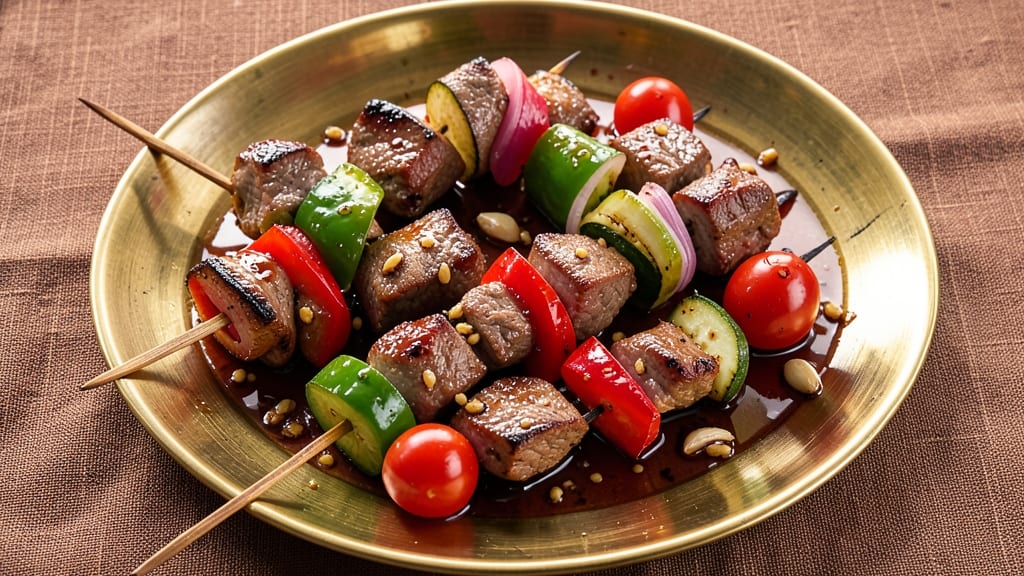
This beef and vegetable kabob recipe transforms simple ingredients into a restaurant-worthy meal with minimal effort. The secret lies in balancing tender beef with vibrant vegetables, all charred to perfection on the grill.
I’ve perfected this method over countless summer cookouts—where the sizzle and aroma instantly draw everyone to the table.
You’ll start with a simple marinade that tenderizes the beef while adding bold flavors, then thread it with colorful vegetables like bell peppers, onions, and zucchini for a visually stunning dish. The skewering technique ensures even cooking, so no one piece gets overdone while others stay raw.
Whether you’re grilling outdoors or using a stovetop broiler, the result is crispy, caramelized edges with juicy centers.
What makes this recipe truly special is how it elevates everyday vegetables into a main course—no fancy prep required. The marinade infuses the beef with savory depth, while the vegetables absorb just enough flavor to complement rather than overpower.
Serve these kabobs over fluffy rice or with a side of warm pita for a complete meal that’s as satisfying as it is impressive.
The best part? This recipe scales effortlessly—double the batch for a crowd or halve it for a cozy dinner. The key is patience during cooking: let the kabobs sear undisturbed for those coveted charred edges, then finish with a squeeze of fresh lemon for brightness.
Ready to master the art of skewering?
Ingredients for beef and vegetable kabob
Simple ingredients, bold flavors—this kabob recipe delivers restaurant-quality charred edges every time.
| Ingredient | Amount | Notes |
|---|---|---|
| Beef Chuck Roast 🥩 | 1 ½ lb | Cut into 1-inch cubes, marinated overnight |
| Bell Peppers 🌶️ | 3 whole | Mixed colors, cut into 1-inch pieces |
| Red Onion 🧅 | 1 whole | Cut into 1-inch chunks |
| Zucchini 🥒 | 2 medium | Sliced into 1-inch rounds |
| Cherry Tomatoes 🍅 | 1 pint | Left whole for skewering |
| Garlic Cloves 🧄 | 4 cloves | Minced for marinade |
| Olive Oil 🫒 | ½ cup | Extra-virgin for richness |
| Soy Sauce 🥢 | ⅓ cup | Low-sodium preferred |
| Balsamic Vinegar 🍷 | ¼ cup | For depth of flavor |
| Honey 🍯 | 2 tbsp | For subtle sweetness |
| Ground Black Pepper 🌶️ | 1 tsp | Freshly ground preferred |
| Salt 🧂 | 1 ½ tsp | Diamond Crystal preferred |
| Wooden Skewers 🪵 | 12 whole | Soaked in water 30 minutes |
| Fresh Lemon 🍋 | 1 whole | Juiced for finishing |
The beef selection is critical for tender results. Chuck roast is ideal—its marbling ensures juicy bites, unlike leaner cuts that dry out. Purchase from your local butcher if possible; they can trim excess fat for cleaner skewering. For the vegetables, farmers market produce shines here—bright, firm bell peppers and zucchini hold up better to grilling. If using pre-cut vegetables, rinse and pat completely dry to prevent skewers from steaming instead of searing. The cherry tomatoes add a pop of color and burst of freshness that balances the rich marinade.
No soy sauce? Coconut aminos work beautifully as a 1:1 substitute. Short on balsamic? Apple cider vinegar plus 1 tsp brown sugar mimics the depth. For a sweeter marinade, increase honey to 3 tbsp and reduce soy sauce to 1/4 cup. Vegetable swaps? Mushrooms or asparagus add earthy notes, while pineapple chunks bring a tropical twist. Remember: marinate the beef for at least 4 hours (overnight is best), but never marinate vegetables longer than 30 minutes to prevent mushiness. The skewers should hold 3-4 pieces each—balance beef and vegetables for even cooking.
Marinated beef keeps 3 days in the fridge, while prepped vegetables can be stored 2 days before skewering. For make-ahead convenience, assemble kabobs on soaked skewers up to 8 hours ahead and refrigerate uncovered—this prevents condensation from steaming the meat. Grill over medium-high heat for 10-12 minutes total, turning occasionally. Leftovers reheat beautifully in a skillet with a splash of water or marinade—just 2-3 minutes per side to restore that charred appeal. Store finished kabobs in an airtight container for 4 days or freeze for 3 months.
Why You'll Love This Recipe
- One-Skewer Wonder: I swear by this—no cutting boards, no mess. Just chunk the beef and veggies (seriously, no fancy knife work) onto skewers in 10 minutes flat. My kids love helping, and honestly? The grill does all the heavy lifting after that.
- Juicy & Charred Magic: That beef chuck roast? It melts in your mouth when marinated overnight, but even if you rush it, the smoky char from the grill makes every bite sing. The zucchini gets just tender enough, and the cherry tomatoes burst—like summer in a bite.
- Picnic to Party: Take these to a backyard BBQ or pack them for a hike—same effort, totally different vibes. I’ve served them over rice for a quick weeknight dinner or as the star at a potluck. The onions caramelize beautifully, so they’re always the first to disappear.
Step-by-step instructions for skewered beef and vegetable kabobs
Master this technique and you'll achieve perfectly balanced kabobs with tender beef and caramelized vegetables every time.
Prepare the Beef Marinade and Soak Skewers
In a large bowl, combine the 0.5 cup olive oil, 0.33 cup soy sauce, 0.25 cup balsamic vinegar, 2 tbsp honey, 1 tsp ground black pepper, and 1.5 tsp salt. Whisk vigorously until fully emulsified. Add the 4 cloves minced garlic and mix well.
Cut the 1.5 lb beef chuck roast into 1-inch cubes and add them to the marinade. Toss to coat completely, ensuring every piece is saturated. Cover and refrigerate for at least 4 hours or overnight for maximum flavor penetration. While the beef marinates, soak the 12 wooden skewers in water for 30 minutes to prevent burning during grilling.
Prep and Skewer Vegetables
Cut the 3 whole bell peppers into 1-inch pieces, removing stems and seeds. Slice the 1 whole red onion into 1-inch chunks and cut the 2 medium zucchini into 1-inch rounds. Leave the 1 pint cherry tomatoes whole. Arrange all vegetables on a large platter.
Drain the marinated beef, reserving ¼ cup marinade for basting. Thread the vegetables and beef onto the soaked skewers in this order: tomato, beef, bell pepper, onion, zucchini. Repeat until all ingredients are used, creating 4 kabobs. This sequence ensures vegetables cook at different rates while maintaining balance.
Grill to Perfect Doneness
Preheat your grill to medium-high heat or 400°F for indoor grilling. Place the kabobs on the grill and cook for 10-12 minutes, turning occasionally, until the beef reaches 145°F internal temperature and develops grill marks. The vegetables should begin to soften but remain slightly firm.
Brush the kabobs with the reserved marinade every 3-4 minutes to prevent drying. Watch for charred edges on the vegetables and beef—this indicates proper doneness. Remove the kabobs when the beef is slightly pink in the center (it will carry over to medium-rare). Let them rest for 5 minutes before serving to retain juices.
Finish with Fresh Lemon and Serve
Juice the 1 whole fresh lemon and drizzle over the kabobs just before serving. This bright citrus finish cuts through the richness of the beef and caramelized vegetables. Arrange the kabobs on a platter, garnished with any remaining marinade drippings for visual appeal.
Serve immediately with a side of crusty bread or a fresh garden salad. The beef should be tender with a slightly charred exterior, while the vegetables should be caramelized at the edges but still hold their shape. Each bite should deliver a perfect balance of smoky, sweet, and savory flavors.
Pro Tips For Making Beef And Vegetable Kabob
- CUT CHUCK THIN: The chuck roast is tough—don’t fight it. Slice it against the grain into ½-inch strips (or ask your butcher to do it). Thinner pieces cook faster and stay tender, especially when skewered with veggies that won’t take as long.
- BLANCH ZUCCHINI FIRST: I learned this the hard way—raw zucchini turns mushy on the grill. Drop slices in boiling water for 30 seconds, then shock in ice water. This firms them up and keeps them from falling apart when you flip those kabobs.
- SKEWER ONTO WOODEN STICKS: Metal skewers? They’ll rust and ruin your meal. Soak wooden sticks in water for 30 minutes first—prevents burning. And don’t overcrowd: 2-3 pieces per skewer, or the beef won’t sear, and the veggies will steam instead of char.
- SEAR BEFORE GRILLING: High heat first, then lower and slower. Sear the beef and onions for 2-3 minutes per side in a screaming-hot pan—this locks in juices. Then finish on the grill or broiler. The crust stays intact, and the chuck stays moist, not dry.
Troubleshooting this recipe
Uneven Cooking Fix
If your kabobs have some pieces overcooked while others stay raw, it’s likely due to uneven heat distribution. For grills, position kabobs perpendicular to the heat source so all sides get equal exposure.
I recommend using a two-zone fire—place kabobs on the cooler side first to sear, then move them closer to the heat for full cooking. For stovetop broiling, rotate kabobs every 2 minutes and use a light-colored baking sheet to reflect heat more evenly. 🔥
Beef Sticking to Skewers
When beef clings stubbornly to wooden skewers, it’s usually because the meat isn’t properly marinated or the skewers weren’t soaked long enough. First, ensure your wooden skewers soak in water for at least 30 minutes before use.
For extra insurance, lightly oil the skewers with olive oil before threading. If beef still sticks, try metal or silicone skewers—they’re non-porous and prevent burning while allowing easier removal. 🪵
Vegetables Turning Mushy
Mushy vegetables are often a sign of overcrowding on skewers or overcooking. To prevent this, space ingredients evenly—leave ½ inch between each piece. For delicate veggies like zucchini or cherry tomatoes, cook them for only 2-3 minutes per side before removing.
If using bell peppers or onions, they can handle 4-5 minutes of direct heat. Always remove vegetables just before they reach your desired doneness—they’ll continue cooking off the grill. 🥒
Marinade Not Infusing
If your beef tastes bland or the marinade isn’t sticking, the issue is likely surface area or timing. Cut beef into uniform 1-inch cubes for even coating, and poke holes in thicker pieces with a fork. For maximum flavor, marinate beef for at least 4 hours (overnight is ideal).
If short on time, pound the beef gently with a meat mallet to increase surface area. For vegetables, marinate for no more than 30 minutes—longer soaking makes them waterlogged and mushy. 🍯
Skewers Burning Too Fast
Burnt skewers ruin the presentation and can impart a bitter taste. This happens when wooden skewers dry out or the grill is too hot. To fix this, soak skewers in water for 30+ minutes before grilling, then pat them dry before threading.
For high-heat grilling, brush skewers lightly with oil before use. If using a gas grill, reduce heat to medium (about 375°F) and place kabobs on the outer edges first to avoid flare-ups. 🌡️
Dry or Tough Beef
Tough beef usually means the cut wasn’t tenderized enough or cooked too long. Stick to chuck roast or sirloin for kabobs—they’re marbled enough to stay juicy. Avoid lean cuts like flank steak unless you plan to cook them rare.
For extra tenderness, marinate for 12+ hours and cook beef to 145°F internal temperature (medium-rare). If using a meat thermometer isn’t an option, cut into a piece—juices should run slightly pink, not clear. 🥩
Nutrition facts
Frequently asked questions
Can I use chicken instead of beef for these kabobs?
Chicken works beautifully—just adjust the cooking time to 8-10 minutes total for 165°F internal temperature. Use boneless, skinless chicken thighs (they stay juicier than breasts) and marinate for at least 2 hours (chicken absorbs flavor faster). Reduce honey to 1 tbsp to balance the milder protein.
What’s the best way to store leftover kabobs?
Store cooked kabobs in an airtight container with parchment paper between layers to prevent sticking. They keep in the fridge for 4 days—reheat in a skillet with a splash of water or marinade for 2-3 minutes per side to restore texture. For freezing, wrap individual skewers in plastic wrap, then place in a freezer bag for up to 3 months. Thaw overnight in the fridge before reheating.
How do I make these kabobs vegetarian?
Swap the beef for firm tofu or extra-firm tempeh, cut into 1-inch cubes and marinated for 1 hour. Use a mix of 1 tbsp soy sauce, 1 tbsp balsamic, 1 tbsp olive oil, and 1 tsp smoked paprika. Add heartier veggies like portobello mushrooms or eggplant (slice ½-inch thick), and cook for 12-15 minutes until charred.
Why do my kabobs fall apart when grilling?
This usually happens when skewers aren’t soaked long enough or ingredients are overcrowded. Soak wooden skewers for 30+ minutes before use, and space ingredients with ½-inch gaps between pieces. For extra stability, thread a cherry tomato or bell pepper slice at the start/end of each skewer to act as anchors. If using metal skewers, ensure they’re long enough (8+ inches) to hold all ingredients securely.
Can I make these kabobs ahead of time?
Yes! Assemble the kabobs on soaked skewers up to 8 hours ahead and refrigerate uncovered (this prevents condensation). Grill directly from the fridge—just add 2-3 extra minutes to cooking time. For the marinade, prep it 1 day ahead and store in the fridge. The beef can marinate in the fridge for 3 days, while prepped vegetables stay fresh for 2 days before skewering.