
Soups & Stews
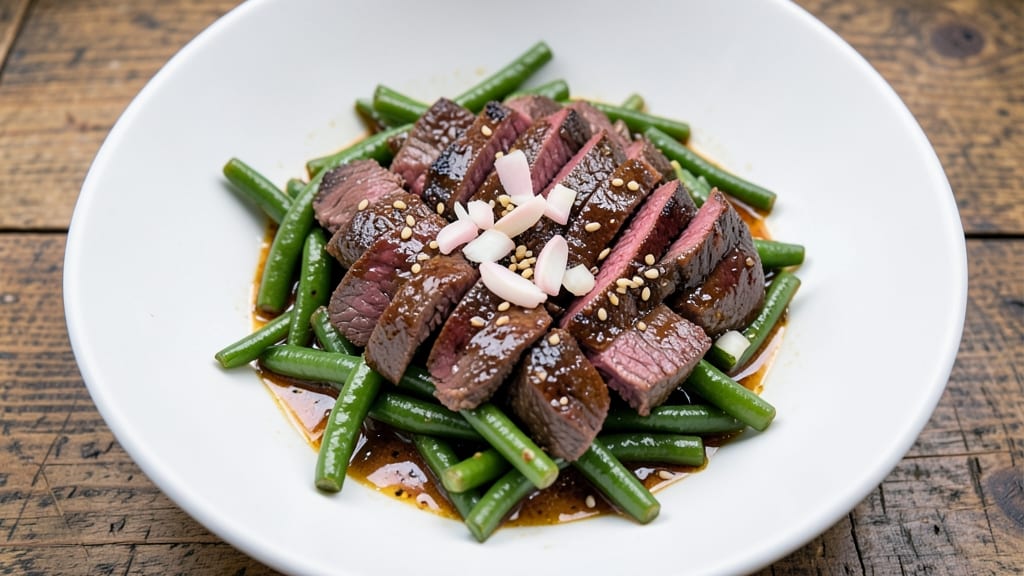
This beef and string bean stir-fry delivers restaurant-quality wok searing in your home kitchen—tender beef strips with crisp-tender green beans that stay vibrant and crunchy. The secret lies in high-heat technique and precise timing, transforming simple ingredients into a dish that balances smoky, savory, and slightly sweet flavors. I've perfected this recipe over countless weeknight dinners, where it consistently earns rave reviews for its bold taste and satisfying texture.
The foundation starts with properly marinated beef—thinly sliced flank steak that develops a caramelized crust while remaining juicy inside. String beans are blanched just enough to soften slightly while maintaining their signature crunch, then tossed with the beef at the perfect moment.
A homemade sauce made with soy, ginger, and a touch of brown sugar ties everything together, creating a glossy coating that clings to each bite without overpowering the natural flavors.
What you'll achieve is a stir-fry that's equally impressive as a weeknight meal or dinner party dish—golden beef strips, bright green beans with crisp edges, and a sauce that's perfectly balanced between salty, sweet, and umami.
The aroma alone will have everyone gathering at the table, and each bite delivers that satisfying contrast of textures and flavors that makes stir-fry so universally loved.
Serve it over steamed jasmine rice for a complete meal, or pair with egg rolls for a more casual presentation. The leftovers reheat beautifully, making this an ideal recipe for meal prep. Here's how to create this wok-seared masterpiece at home.
Ingredients for beef and string bean stir fry
Restaurant-quality stir-fry begins with these carefully selected ingredients—thinly sliced beef, crisp-tender string beans, and aromatic sauce components.
| Ingredient | Amount | Notes |
|---|---|---|
| Flank Steak 🥩 | 1 lb | Thinly sliced against grain |
| String Beans 🌱 | 1 ½ lb | Trimmed, cut into 2-inch pieces |
| Low-Sodium Soy Sauce 💧 | ⅓ cup | For homemade sauce base |
| Brown Sugar 🍯 | 2 tbsp | Lightly packed for sweetness |
| Fresh Ginger 🌿 | 1 tbsp | Finely grated, aromatic |
| Garlic Cloves 🧄 | 4 cloves | Minced for sauce depth |
| Sesame Oil 🫒 | 1 tbsp | For finishing aroma |
| Neutral Oil 🫒 | 2 tbsp | Avocado or vegetable oil |
| Cornstarch 🌾 | 1 tbsp | For velveting beef |
| Green Onions 🧅 | 3 whole | Sliced, white and green parts |
| Sesame Seeds 🌰 | 1 tsp | Toasted for garnish |
| Jasmine Rice 🍚 | 1 ½ cups | Uncooked, for serving |
| Salt 🧂 | 1 tsp | Kosher or sea salt |
| Black Pepper 🌶️ | ½ tsp | Freshly ground preferred |
The flank steak is non-negotiable for this dish—its lean yet tender texture becomes silky when sliced against the grain. Ask your butcher to slice it paper-thin if you're not comfortable with a sharp knife; otherwise, freeze it for 30 minutes before slicing for cleaner cuts. String beans should be bright green and crisp, not wilted—local farmers markets often have superior quality compared to grocery store produce. For the sauce base, low-sodium soy sauce is essential to control salt levels, while fresh ginger (not powdered) provides that signature aromatic depth. Penzeys or bulk spice sections are ideal for high-quality ginger if you're not using fresh.
No fresh ginger? Powdered ginger at half the amount works in a pinch, though the flavor won't be as vibrant. Substituting honey for brown sugar (1:1 ratio) keeps the sweetness but loses the caramelized depth during cooking. Vegetable oil is neutral enough not to overpower the dish, but if you prefer, avocado oil has a slightly higher smoke point for wok searing. The cornstarch is critical—it creates that signature velveting effect on the beef. If you're gluten-sensitive, arrowroot powder serves as a perfect substitute. For the green onions, use both white and green parts—the white adds subtle sharpness while the green provides freshness.
Store the flank steak wrapped in parchment paper in the coldest part of your fridge and use within 3 days for optimal tenderness. String beans keep for up to 5 days in the fridge, but they're best used within 2 days of purchase for peak crispness. The homemade sauce components (soy sauce, brown sugar, ginger, garlic) can be pre-mixed and stored in an airtight container for up to 1 week in the fridge. For meal prep, cook the beef and beans separately, then reheat in a wok or skillet with a splash of water to maintain crispness. This dish reheats beautifully—3-4 days in the fridge or 3 months frozen when properly portioned.
Why You'll Love This Recipe
- One-Pan Magic: I swear by this recipe when I’m too tired to do dishes. Slice the flank steak thin, toss in the string beans and ginger, and let the soy and brown sugar work their sauce magic—all in one pan. No chopping boards, no stack of pots, just wipe-and-go cleanup.
- Ginger-Sweet Balance: That fresh ginger isn’t just for show—it cuts through the richness of the beef while the brown sugar gives it this just-right caramelized edge. The low-sodium soy keeps it savory without overpowering, and honestly? It’s the kind of flavor that makes you want to eat it straight from the wok.
- Lunchbox Hero: Between us, this is my go-to for meal prep. The stir-fry reheats like a dream, and the string beans stay crisp enough to actually enjoy. Pack it in containers, and you’ve got a protein-packed lunch that’ll outshine any sad desk salad.
- Budget Boost: Flank steak stretches further than you’d think when sliced thin, and string beans are cheaper than most veggies. A little soy, a pinch of sugar, and a knob of ginger turn cheap ingredients into something that feels special—without breaking the bank. (Yes, even on a Tuesday night.)
Step-by-step instructions for wok-seared beef with crunchy green bean bites
Master this technique and you'll achieve perfectly tender beef with crisp-tender string beans every time.
Prepare the Beef Using the Velveting Method
In a medium bowl, combine the 1 lb flank steak (sliced thinly against the grain), 1 tbsp cornstarch, 1 tsp salt, and 0.5 tsp black pepper. Toss gently until the steak is evenly coated. This cornstarch mixture creates a silky texture that prevents the beef from becoming tough during the high-heat searing.
Let the marinated beef rest for 10 minutes at room temperature. This resting period ensures even cooking and prevents the steak from releasing juices too quickly when it hits the hot wok. The cornstarch will begin to form a thin, protective layer on each slice, which is crucial for that restaurant-quality texture we're after.
Cook the Jasmine Rice to Perfection
Rinse the 1.5 cups jasmine rice under cold water until the water runs clear, then drain well. In a medium saucepan, combine the rice with 3 cups water and 1 tsp salt. Bring to a boil over medium-high heat, then reduce to a simmer, cover, and cook for 15 minutes. Remove from heat and let it steam, covered, for another 10 minutes. This method produces fluffy, individual grains that won't turn mushy when mixed with the stir-fry.
While the rice cooks, prepare the string beans by blanching them. Bring a pot of salted water to a boil and cook the 1.5 lb string beans (trimmed and cut into 2-inch pieces) for 2 minutes. Immediately drain and plunge them into ice water to stop the cooking process. This preserves their vibrant green color and crisp texture. Drain well and pat dry with paper towels before proceeding.
Build the Flavor Base and Sear the Beef
Heat a wok or large skillet over high heat until it's smoking hot. Add 2 tbsp neutral oil and swirl to coat the surface. Working in batches to avoid crowding, add the marinated beef slices and sear for 30-45 seconds per batch until the edges are deep golden brown and the beef is cooked through. Remove the beef and set aside on a plate.
In the same wok, add 1 tbsp neutral oil and swirl to coat. Add the 4 cloves garlic cloves (minced) and 1 tbsp fresh ginger (finely grated) and stir-fry for 30 seconds until fragrant. Pour in the 0.33 cup low-sodium soy sauce and 2 tbsp brown sugar, scraping up any browned bits from the bottom of the wok. Let this mixture simmer for 1 minute until slightly thickened.
Combine and Finish the Stir-Fry
Return the seared beef to the wok along with the blanched string beans. Stir-fry everything together for 2-3 minutes until the string beans are heated through and the sauce has coated the beef evenly. The string beans should remain crisp-tender, not mushy—this is where your blanching paid off.
Drizzle in the 1 tbsp sesame oil and toss everything together. Taste and adjust seasoning if needed, adding a splash more soy sauce if the dish seems too dry. The final stir-fry should have a glossy sheen from the sauce, with the beef slices glistening and the string beans holding their shape. Garnish with the 3 whole green onions (sliced) and 1 tsp sesame seeds just before serving.
Plate and Serve Immediately
Divide the cooked 1.5 cups jasmine rice among four plates, creating a base for the stir-fry. Spoon the beef and string bean mixture over the rice, ensuring each serving gets an even distribution of both components. The contrast between the tender beef, crisp string beans, and fluffy rice creates a perfect textural experience.
Serve immediately while everything is hot. The high heat cooking ensures the flavors are vibrant and the textures are just right—crisp beans, tender beef, and aromatic rice. The sauce should cling to the beef and rice, creating each bite with a balance of sweet, savory, and umami notes. Enjoy while the sesame seeds are still toasty and the aromas are at their peak.
Pro Tips For Making Beef And String Bean Stir Fry
- Slice Steak Thinly: Thin slices cook faster and stay tender—about 1/4-inch thick or less. I used to eyeball it and end up with chewy chunks, so grab a ruler or stack the slices before slicing for consistency.
- Blanch the Beans: Toss string beans in boiling water for 30 seconds, then shock in ice water. This stops them from turning mushy in the stir-fry—my grandmother swore by it, and she was right: they stay crisp and bright.
- Salt the Beef First: Season the flank steak with salt and let it sit uncovered for 10 minutes before cooking. Sounds weird, but it works: the salt breaks down the surface proteins, guaranteeing a better sear and juicier meat.
- Deglaze with Soy Early: Add a splash of low-sodium soy sauce to the pan right after searing the beef, while the meat is still in the pan. Scrape up those browned bits—this makes a real difference in flavor, and you won’t have to fish for them later.
Perfect pairings for this recipe
Rice Pairing Perfection
Jasmine rice is my go-to base for this stir-fry—its delicate floral aroma complements the beef's savory depth without overpowering. Cook 1.5 cups uncooked with 3 cups water and 1 tsp salt for perfectly fluffy grains that soak up the sauce beautifully.
For extra flair, try Thai red rice or brown rice for a nuttier contrast. 🍚
Sauce Variations
This recipe's soy-ginger base works wonders, but swapping in 1 tbsp hoisin sauce adds sweet depth, while 1 tsp chili paste brings heat. For umami richness, stir in 1 tbsp fish sauce—just taste first!
The brown sugar can also be replaced with honey or maple syrup for a different sweetness profile.
Vegetable Swaps
Need variety? Swap string beans for bok choy (blanch whole) or bell peppers (slice thin). For heartier texture, add shredded carrots or snap peas. Each veggie changes the dish's character—bell peppers add sweetness, while bok choy brings a bitter contrast that balances the richness.
Protein Alternatives
Flank steak is ideal, but sirloin or ribeye work too—just slice thinner. For vegetarian options, use extra-firm tofu (press and cube) or mushrooms (shiitake or oyster). Marinate tofu in the same soy-ginger mix for 15 minutes before cooking to mimic the beef's texture. 🥬
Drink Pairings
A crisp green tea (like jasmine or sencha) complements the dish's fresh flavors, while a light lager beer (such as Corona or Asahi) cuts through the richness. For red wine lovers, a Pinot Noir offers subtle fruitiness that pairs beautifully with the beef's caramelized crust.
Garnish Upgrades
Toast sesame seeds in a dry pan for 30 seconds until golden for extra aroma. Add cilantro or Thai basil for freshness, or sprinkle crushed peanuts for crunch. A drizzle of chili oil adds heat and visual appeal—just 1 tsp per serving is plenty!
Nutrition facts
Frequently asked questions
Can I use frozen string beans instead of fresh?
Just thaw them completely first by soaking in cold water for 10 minutes, then pat them thoroughly dry. Since frozen beans are often softer, you may need to reduce the blanching time to 1 minute instead of 2 minutes to maintain their texture. The key is keeping them crisp-tender for that perfect bite.
Why does my beef turn out chewy instead of tender?
This usually happens when the beef isn't sliced thinly enough against the grain or cooked at too low heat. For best results, slice the flank steak ⅛-inch thick and use a wok or skillet at high heat for just 30-45 seconds per batch. The cornstarch coating also needs time to work—don't skip the 10-minute marinating step before cooking.
How do I make this spicier? Add ½ tsp red pepper flakes or 1 tsp chili garlic sauce to the sauce mixture before combining with the beef and beans. For extra heat, stir in 1 tsp gochujang (Korean chili paste) with the soy sauce and brown sugar.
Can I make this ahead of time?
Yes, but with a few adjustments. Cook the beef and beans separately, then refrigerate in airtight containers for up to 3 days. When reheating, warm the components separately over medium heat with a splash of water or soy sauce to restore moisture. For best texture, combine them in the wok just before serving to maintain crispness.
What's the best way to slice flank steak thinly?
First, freeze the steak for 30 minutes to firm it up, then slice against the grain at a 45-degree angle for paper-thin strips. Use a sharp knife and cut in one smooth motion—don't saw back and forth. If you're uncomfortable slicing yourself, ask your butcher to do it for you; they'll often slice it for free!