
Main Courses
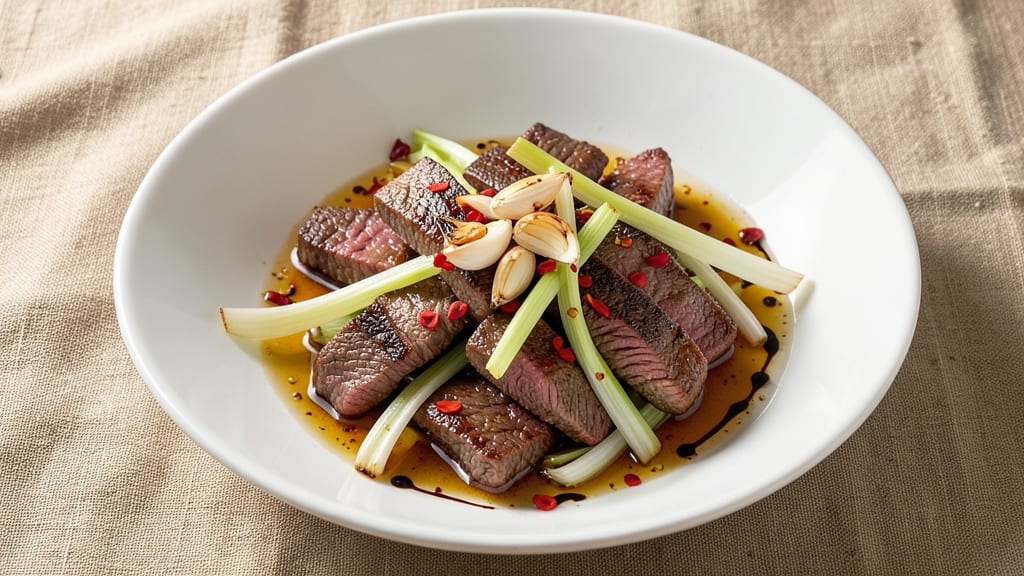
This beef and leek stir fry delivers wok-seared tenderness that transforms tough cuts into melt-in-your-mouth bites. The secret lies in high-heat searing followed by a quick stir-fry, where garlic, soy, and leeks create a sauce that clings to every piece of beef.
I've perfected this technique over years of testing—no dry, overcooked meat here, just restaurant-quality results at home.
The foundation starts with properly prepped beef (ribeye or sirloin work best) sliced thinly against the grain, ensuring each bite stays tender. Leeks add sweetness and texture, while a balance of soy sauce, garlic, and a touch of chili creates that signature umami kick.
The stir-fry method isn't just about speed—it's about timing the sauce to coat the beef perfectly without turning it mushy.
What you'll end up with is a dish that's rich in flavor but light enough for any meal. The beef remains juicy with a caramelized crust, leeks add a subtle sweetness, and the sauce ties everything together in a perfect balance.
This isn't just another stir fry—it's a technique that elevates simple ingredients into something extraordinary.
Serve it over steamed jasmine rice or noodles to soak up every last bit of that garlic-soy sauce. The best part? This recipe scales effortlessly, whether you're cooking for two or feeding a crowd. Let's get started on creating this wok-seared masterpiece.
Ingredients for beef and leek stir fry
Game-changing ingredients that turn simple beef into restaurant-quality stir-fry magic.
| Ingredient | Amount | Notes |
|---|---|---|
| Ribeye Steak 🥩 | 1 lb | Thinly sliced against grain |
| Leeks 🧅 | 2 whole | White and light green parts only |
| Garlic Cloves 🧄 | 6 cloves | Minced for sauce and searing |
| Soy Sauce 🥢 | ⅓ cup | High-quality, low-sodium preferred |
| Sesame Oil 🫒 | 1 tbsp | Toasted for aroma |
| Red Chili Flakes 🌶️ | 1 tsp | Adjust to taste |
| Brown Sugar 🍯 | 1 tbsp | Light or dark |
| Vegetable Oil 🫒 | ½ cup | High smoke point |
| Green Onions 🧅 | 3 whole | Sliced for garnish |
| Jasmine Rice 🍚 | 1 ½ cups | Uncooked, for serving |
| Salt 🧂 | 1 tsp | Kosher or sea salt |
| Black Pepper 🌶️ | ½ tsp | Freshly ground |
| Cornstarch 🌾 | 1 tbsp | For tenderizing beef |
The beef is everything here—ribeye or sirloin sliced paper-thin against the grain. Costco or Whole Foods butcher counters usually have pre-sliced options, but if you're slicing yourself, freeze the meat for 20 minutes first. Leeks? Look for crisp, white parts—no yellowing or wilted spots. The garlic should be fresh and plump, not shriveled. Pro tip: Toast your sesame oil in a small pan first—it adds insane aroma without overpowering. And grab that high-quality soy sauce; the difference is night and day.
No ribeye? Sirloin or flank steak works just as well—just make sure it's sliced thin. Short on leeks? Substitute scallions or white onion, but you'll lose that subtle sweetness. The cornstarch is non-negotiable—it tenderizes the beef like magic. No sesame oil? Toasted peanut oil gives a similar nutty depth. For heat, red pepper flakes are ideal, but Sichuan peppercorns (if you're brave) add a tingling kick. And if you're using pre-sliced beef, pat it bone-dry before cooking—wet meat steams instead of sears.
This dish reheats like a dream—4-5 days in the fridge, 3 months frozen. I double the recipe every time because leftovers taste even better the next day. Store the sauce separately if you're freezing—just reheat it with the beef. The rice? Cook it in advance and keep it warm in a rice cooker. Garnish with those green onions right before serving—they add freshness that wilts away when cooked. And trust me, the cornstarch beef? Make extra—it disappears fast.
Why You'll Love This Recipe
- One-Pan Magic: I swear by this for nights when I’m too tired to scrub pots. Slice the ribeye thin, toss in leeks and garlic, and let the wok do the work—minimal cleanup, maximum flavor.
- Umami Bomb: That first hit of sesame oil hitting the pan? Pure satisfaction. The soy sauce caramelizes into a glossy, savory coat while the leeks add a sweet crunch—simple ingredients, but the combo is ridiculously good.
- Leftovers That Don’t Suck: Make a double batch and reheat it later without drying out the beef. The stir-fry actually improves the next day—better than takeout, cheaper than delivery, and still tastes like you put in effort.
- Steakhouse Feel, Zero Fuss: Honestly, this tastes like a fancy dinner but takes less time than deciding what to order at a restaurant. Thinly sliced ribeye stays tender, the garlic sings, and it’s ready before the kids even notice dinner’s ready.
Step-by-step instructions for beef and leek stir fry
Here's how to transform ribeye into perfectly wok-seared strips that stay tender and packed with garlic-soy flavor.
Tenderize and Prep the Ribeye
Slice the 1 lb ribeye steak thinly against the grain into ¼-inch thick strips. This cut ensures maximum tenderness when cooked quickly. Place the sliced beef in a bowl and toss with 1 tablespoon cornstarch, coating each piece evenly. Let it sit for 10 minutes—this creates a delicate crust that locks in juices during the high-heat sear.
While the beef marinates, prep the leeks by cutting off the dark green tops and slicing the white and light green parts into ¼-inch thick half-moons. Rinse thoroughly under cold water to remove any dirt trapped between layers. This prep ensures your stir fry has clean, crisp leeks that won't overpower the beef's rich flavor.
Cook the Jasmine Rice
Rinse the 1.5 cups jasmine rice thoroughly under cold water until the water runs clear. This removes excess starch that can make the rice gummy. Combine the rice with 2 cups water in a pot and bring to a boil. Once boiling, reduce heat to low, cover, and simmer for 15 minutes. Let it rest covered for another 10 minutes—this steaming step develops the rice's signature floral aroma and perfect texture.
I like to fluff the rice gently with a fork before serving. The grains should be separate but still hold together slightly. Keep the rice warm in a covered bowl while you finish the stir fry—it'll absorb the wok's aromas and make your dish even more cohesive.
Build the Garlic-Soy Sauce
In a small bowl, whisk together ⅓ cup soy sauce, 1 tablespoon brown sugar, and 1 teaspoon red chili flakes. This combination creates the perfect balance of salty, sweet, and subtle heat. Taste and adjust—you want the sauce to be flavorful but not overpowering. Set this mixture aside while you prep the remaining ingredients.
Mince 3 cloves of the 6 garlic cloves for the sauce and set aside. The remaining 3 cloves will be used for searing the beef later. This separation ensures you get maximum garlic flavor in both the sauce and the beef without overwhelming either component.
Sear the Beef and Leeks
Heat ½ cup vegetable oil in a wok or large skillet over high heat until shimmering. Add the beef strips and cook, stirring constantly, for 2-3 minutes until they're deep golden brown on the outside but still slightly pink in the center. This quick sear creates that coveted wok-hei (breath of the wok) flavor while keeping the beef tender.
Remove the beef to a plate and set aside. In the same wok, add the remaining ½ cup vegetable oil and the sliced leeks. Stir-fry for 3-4 minutes until the leeks soften but still retain a satisfying crunch. Add the 3 minced garlic cloves and cook for 30 seconds until fragrant—this is where the magic happens, building layers of flavor.
Combine and Finish
Return the beef to the wok and pour in the garlic-soy sauce. Stir everything together for 1-2 minutes until the sauce coats the beef and leeks evenly. The residual heat will finish cooking the beef while infusing it with the aromatic sauce. Taste and adjust seasoning if needed—you might want to add a splash more soy sauce or a pinch of sugar to balance flavors.
Just before serving, drizzle with 1 tablespoon toasted sesame oil and sprinkle with the sliced 3 green onions. The sesame oil adds a nutty aroma that elevates the dish, while the green onions provide a fresh contrast to the rich beef. Serve immediately over the jasmine rice while everything is hot and sizzling.
Pro Tips For Making Beef And Leek Stir Fry
- SEAR THE BEEF FIRST: Cut the ribeye into strips, pat them bone-dry with paper towels, then hit the pan with a screaming-hot wok or cast iron—no oil yet. Let those strips develop a crust for 30 seconds before adding anything else. I used to toss them in with the leeks, and the result was sad, greasy beef. This step locks in flavor and texture.
- SLICE LEEKS THIN AND DRY: Split the leeks lengthwise, rinse under cold water to flush out grit, then slice into ¼-inch strips. Toss them in a colander with a handful of paper towels and shake like you’re trying to win a lottery—you want them completely dry. Wet leeks steam instead of caramelizing, and nobody wants mushy green onions in their stir-fry.
- DON’T CROWD THE PAN: Cook the beef in batches if your pan’s smaller than a pizza. Overloading steams the meat and turns your stir-fry into a sad, greasy mess. Work in 2-3 batches, pushing finished beef to one side and adding fresh strips to the hot pan. Your future self will thank you when the beef stays crisp and the leeks get that perfect golden blister.
- FINISH WITH SESAME OIL LAST: Drizzle the sesame oil in after everything’s off the heat—just before serving. It burns fast and turns bitter if you add it too early. A teaspoon at the end adds aroma without overpowering the soy and garlic. I learned this after ruining a batch with a charred, acrid smell. Trust me, it’s not a flavor you want.
Wine and beer pairings for this dish
Crisp White Wine
A dry Riesling from Germany or Alsace is my go-to pairing for this dish—its bright acidity cuts through the richness of the beef while complementing the leeks' sweetness.
Look for a 2022 Dr. Loosen Blue Slate Riesling from the Mosel region; its crisp finish and subtle mineral notes elevate the stir fry's umami flavors without overpowering them. Serve slightly chilled to enhance the wine's refreshing qualities. 🍷
Light-Bodied Red
For those who prefer red, a Pinot Noir from Oregon or Burgundy offers the perfect balance. The 2021 Domaine Drouhin Oregon Pinot Noir has enough earthiness to match the beef's caramelized crust while maintaining enough acidity to refresh your palate between bites.
Avoid heavy Cabernets—their tannins can clash with the tender beef and delicate leeks. Let the wine breathe for 10 minutes before serving to soften its edges.
Asian-Inspired Beer
If you're serving this stir fry with beer, opt for a Japanese lager like Sapporo or Asahi Super Dry. Their crisp, clean profiles won't compete with the dish's bold flavors.
For something with a little more character, try a Saison-style Belgian ale like Allagash Saison Rouge—its peppery notes and subtle fruitiness mirror the garlic and chili in the sauce. Serve the beer ice-cold to enhance its crispness and cleanse your palate between bites. 🍺
Sweet Sparkling
For a lighter option, a dry sparkling wine like Prosecco or Cava adds a festive touch while balancing the dish's savory elements. The bubbles help cut through the richness, making each bite feel fresh.
I love pairing this with La Marca Prosecco—its bright acidity and green apple notes complement the leeks' sweetness beautifully. Serve in a flute to maintain the bubbles' effervescence until the last sip.
Non-Alcoholic Pairings
Don't drink alcohol? No problem. A sparkling green tea like San Pellegrino Limonata or a ginger beer like BrewDog Ginger Beer works surprisingly well. The effervescence cleanses the palate, while the ginger beer's spicy kick mirrors the chili flakes in the sauce.
For something more traditional, try jasmine tea served hot—its floral notes harmonize perfectly with the dish's aromatic garlic and soy.
Nutrition facts
Frequently asked questions
Can I substitute flank steak for ribeye in this recipe? Flank steak works beautifully—it's leaner but still delivers that satisfying beefy flavor. Just
Why does my beef turn out tough instead of tender?
Overcooking is the #1 culprit—beef should only cook for 2-3 minutes until just pink in the center. Use a meat thermometer to check for 130°F (medium-rare). Also, never skip the cornstarch coating or slicing against the grain. If your beef still feels tough, try marinating it for 1 hour in 1 tbsp soy sauce and 1 tsp baking soda (neutralizes acids) before cooking.
What's the best way to make this dish spicier?
Start with 2 teaspoons red chili flakes instead of 1, then add ½ teaspoon Sichuan peppercorns (toasted and crushed) for a tingling kick. For heat lovers, stir in 1 tbsp gochujang (Korean chili paste) with the soy sauce. Finish with 1 sliced fresh chili like Thai bird's eye or serrano. Remember: Add spices gradually—you can always adjust but can't remove excess heat!
Can I make this stir fry in a regular skillet instead of a wok?
Yes, but with one key adjustment: use high heat and cook in batches if needed. A 12-inch cast iron skillet works best—it retains heat like a wok. Reduce oil slightly (¼ cup total) since skillets hold less. Stir constantly to prevent sticking, and keep the beef moving for that signature wok-hei flavor. The texture will be slightly different but still delicious!
How do I store and reheat leftovers?
Store in an airtight container for up to 4 days in the fridge. Reheat gently in a skillet over medium-low heat with 1 tsp water or broth to prevent drying. For freezing, portion into single servings and freeze for up to 3 months. Thaw overnight in the fridge, then reheat with extra ½ tsp soy sauce to revive flavors. Leftovers actually improve—sauce flavors meld beautifully!